Introduction
Knowing how to choose a sump pump size is essential for protecting your home from groundwater damage. Many homeowners start looking into sump pumps after noticing water collecting in the basement or crawl space during heavy rain. A properly selected pump supports effective drainage and helps keep foundation areas dry.
Many people also ask how to know what size sump pump to buy or how to determine the size of sump pump needed. The answer depends on drainage conditions, sump pit designs, and discharge piping. Factors such as rainfall, groundwater pressure, and basement layout all influence pump performance. Understanding these elements helps ensure reliable water removal when your home needs it most.
What Size Sump Pump Do I Need?
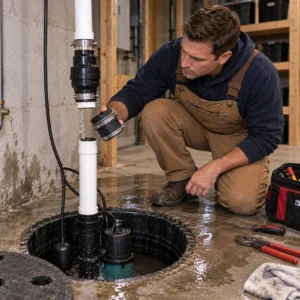
Homeowners frequently ask what size sump pump they should get before scheduling sump pump installation. The answer depends on the drainage conditions surrounding the property and the design of the sump basin and discharge piping.
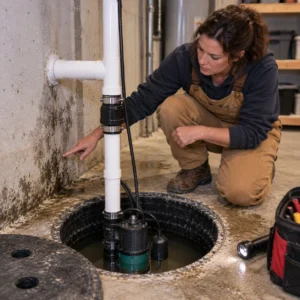
Evaluating these conditions helps determine the appropriate sump pump size for effective drainage. A professional inspection can also evaluate the foundation drainage system to ensure the pump matches the property’s drainage needs.

Factors That Influence the Right Sump Pump Size
Size of Basement or Crawl Space
The total area where water can collect affects how much water must be removed. Larger basements or crawl spaces may experience greater basement water drainage during storms.
Properties with larger spaces may require pumps with higher sump pump capacity to maintain reliable basement water removal. Homes with crawl spaces may also require systems designed specifically for crawl space water removal.
Depth of Basement or Crawl Space
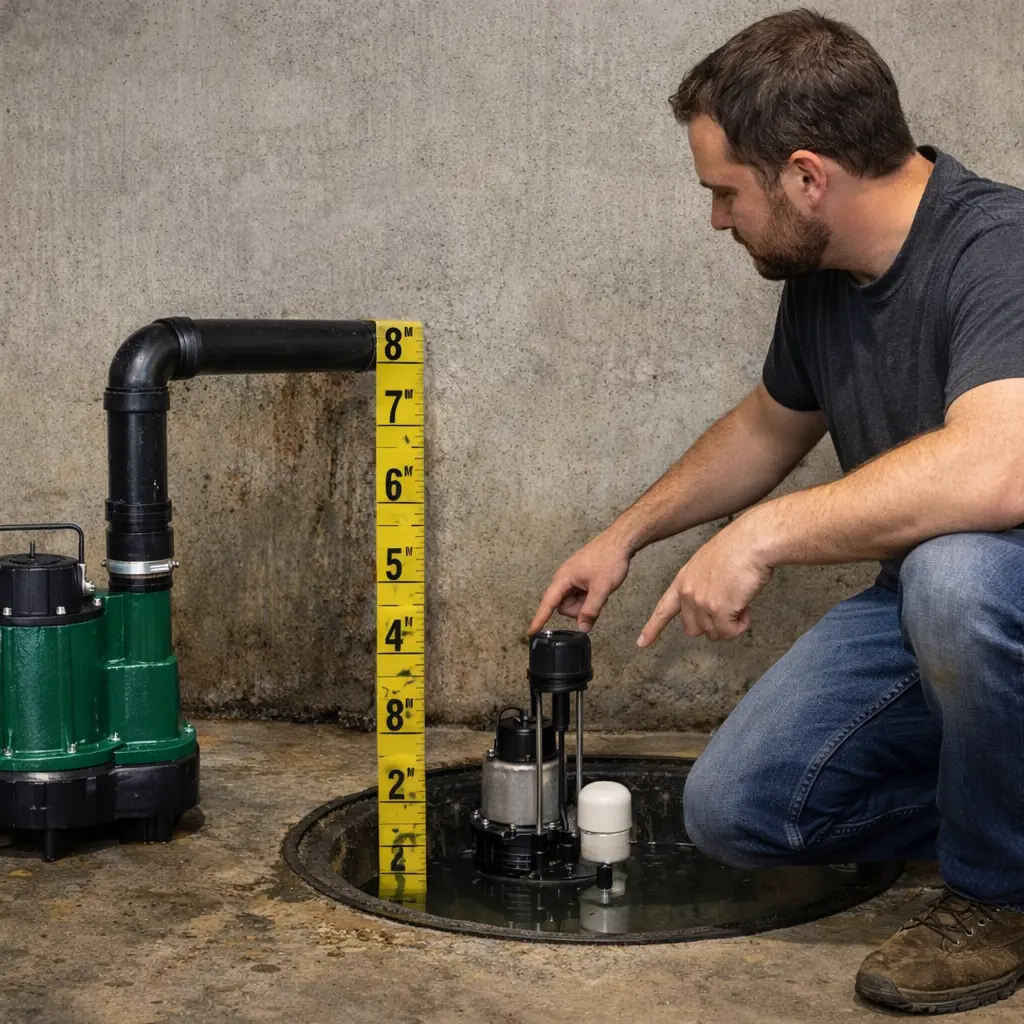
The depth of the sump basin influences how much work the pump must perform. Water must travel upward through the discharge pipe before leaving the property.
This vertical distance is known as the sump pump vertical lift or sump pump head height. When the lift distance increases, the pump must overcome greater resistance to move water efficiently.
Homes with deeper basements often require pumps capable of maintaining strong water pumping capacity.
The Amount of Water in Your Area
Local groundwater conditions also affect pump sizing. Homes located in areas with a high water table or frequent rainfall may experience increased groundwater pressure.
These conditions can cause faster water accumulation within the sump basin. Choosing the correct pump helps maintain consistent basement water management and reduces the likelihood of flooding during storms.
The Type of Sump Pump
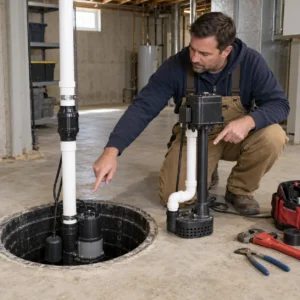
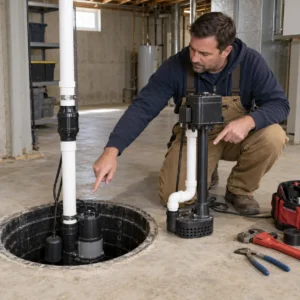
The design of the pump also affects system performance. Two common pump types include submersible sump pump systems and pedestal sump pump systems.
A submersible sump pump operates inside the sump basin beneath the water level. These pumps are widely used in residential drainage systems because they operate quietly and handle continuous water flow effectively.
A pedestal sump pump keeps the motor above the basin while the intake sits in the water, making the motor easier to access for maintenance.
Some homes also install a backup sump pump, often with a battery backup, to ensure continued operation during power outages.
The Pumping Capacity
Another important factor when determining sump pump size is the pump’s capacity. Sump pump flow rate determines how quickly water can be removed from the sump basin.
Flow capacity is commonly described by measurements known as gallons per minute or known as gallons per hour. These values help determine whether the pump can handle incoming groundwater.
A pump with sufficient capacity ensures water is removed quickly during periods of heavy rainfall.
Understanding System Capacity and Pump Performance
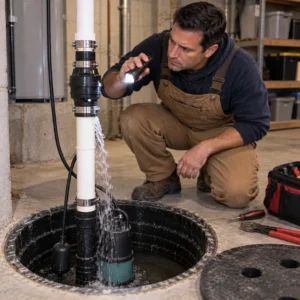
Proper pump selection requires evaluating the entire drainage system, including total dynamic head, which represents the resistance the pump must overcome to move water through the discharge line. This resistance is made up of vertical lift and the friction created as water flows through pipes and fittings.
Static Head
Static head refers to the vertical distance water must travel from the sump basin to the discharge point. The greater the vertical lift, the more effort the pump must apply to move water.
Friction Head
Friction head occurs when water flows through pipes and fittings. Pipe bends, valves, and pipe length can increase resistance inside the system.
The design of the sump pump discharge line plays an important role in maintaining efficient water movement.
Choosing the Right Size for Different Home Conditions
Every property has unique drainage characteristics. Areas with consistent rainfall or dense soil conditions can allow groundwater to gather near the structure more easily.
Properties with large basements or higher groundwater pressure may require pumps with greater residential sump pump capacity, while smaller drainage areas may require more moderate systems.
When choosing the right system for your property, a qualified professional can help identify potential drainage issues before they become serious problems
Conclusion
Understanding how to choose the right sump pump size is key to protecting your home from groundwater damage and drainage issues. The ideal pump size depends on factors such as basement size, groundwater conditions, sump basin depth, and the layout of the discharge pipe.
A properly sized pump ensures efficient water removal, helps protect your foundation, and supports overall drainage performance. If you are unsure which pump is suitable, a professional assessment can help identify the right system based on your property’s specific conditions.