Introduction
Understanding how long sump pump batteries last is important for homeowners who rely on backup systems to protect their basements from flooding. During severe storms or unexpected power outages, a battery backup sump pump helps keep water from entering your home and damaging the foundation or finished living spaces.
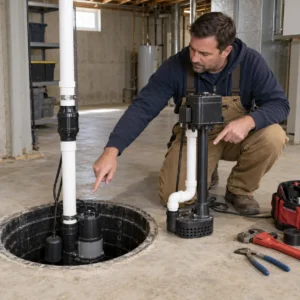
Homeowners often ask how long a sump pump battery lasts or how long a battery backup sump pump runs during emergencies. The lifespan depends on factors such as battery condition, pump usage, and maintenance habits. Battery powered backup systems activate automatically when electricity is interrupted, helping protect the basement from water buildup. If you are planning a sump pump installation, choosing the right system and backup battery can make a significant difference in preventing water damage. In this guide, DNA Plumbing and Heating explains what affects battery performance and how to keep your backup system ready.
What Type of Battery Backup Sump Pump Lasts the Longest
Different sump pump designs provide varying levels of reliability and durability. Choosing the right system can influence the overall performance and lifespan of your backup setup.
Common system types include:
- Submersible backup sump pump units installed inside the sump pit
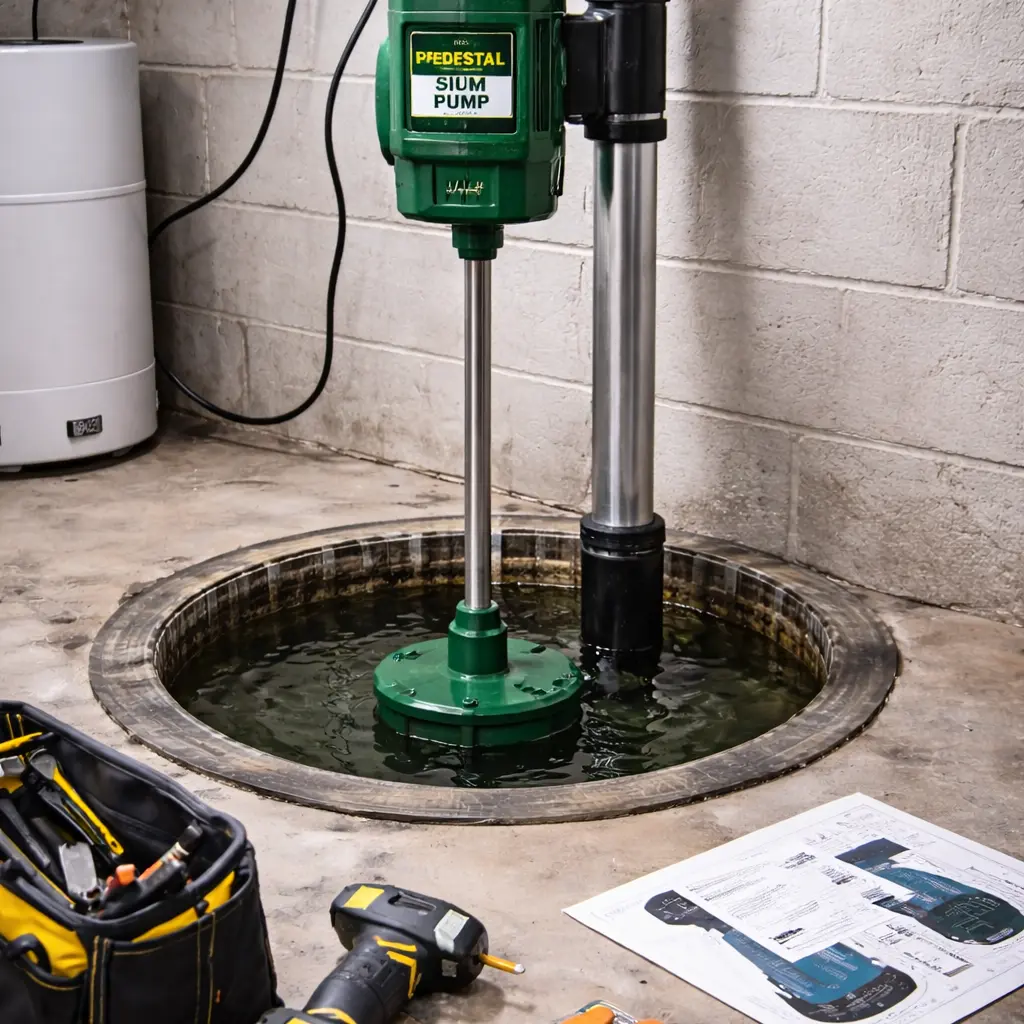
- Pedestal sump pump system designs where the motor remains above the pit
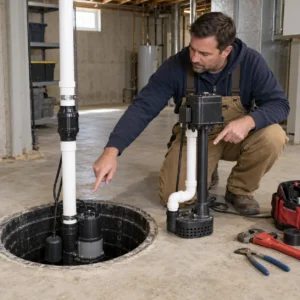
- Dual pump system configurations that include both primary and backup pumps
- Combination sump pump systems designed for additional protection
The best option depends on your home’s drainage conditions and how often the system operates. Homes that experience frequent rainfall or groundwater pressure often benefit from a dependable emergency sump pump backup.
What Determines the Efficiency of a Battery Backup Sump Pump
The performance of a sump pump backup system depends on several mechanical and environmental factors. These elements influence how efficiently the pump removes water and how long the battery can support the system during an outage.
Battery Age and Quality
Battery condition has a direct impact on sump pump battery life. Over time, batteries lose their ability to hold a full charge. When this happens, the available power for pumping water decreases.
Routine inspection helps identify when sump pump battery replacement may be necessary.
Pump Usage Frequency
Frequent operation can affect the overall service life of a sump pump backup unit. Each time the pump runs, it places additional demand on both the motor and the battery.
Ensuring the pump is properly sized for your drainage system helps maintain consistent performance and reduces unnecessary wear over time.
Electrical Charger Efficiency
The battery charger maintains the battery’s charge level. A reliable charging system ensures the battery remains prepared for sudden power loss.
Problems with the charging unit can prevent the battery from reaching full capacity, which may reduce the effectiveness of the sump pump battery backup system. Regular inspection of the charger and wiring helps prevent these issues.
Environmental Temperature Levels
Temperature conditions can also influence battery performance. Extreme heat or cold may affect how well a battery holds a charge.
Basements with stable indoor temperatures generally provide a better environment for backup systems. Maintaining proper ventilation around the installation area also helps protect electrical components.
Moisture Exposure
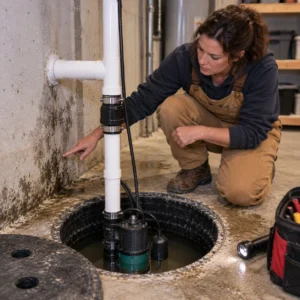
Excess humidity or water exposure can affect the electrical parts of the system. Over time, this can lead to corrosion on connections and reduce the flow of power.
Keeping the sump pit clean and well sealed helps protect key components like the float switch, wiring, and control system from damage.
How to Maintain a Battery Backup Sump Pump for Long-Term Performance
Routine maintenance helps keep your sump pump system ready for emergencies. A few simple inspection steps can prevent unexpected failure during storms.
Understanding how to use a sump pump is also important for homeowners. The pump activates automatically when water rises in the sump pit, pushing water through the discharge pipe and away from the foundation.
Homeowners should periodically check the following components:
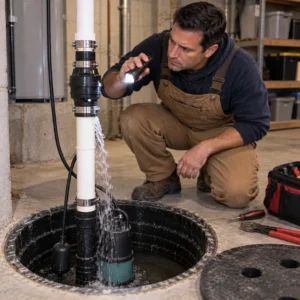
- Sump pump discharge pipe to ensure water flows freely
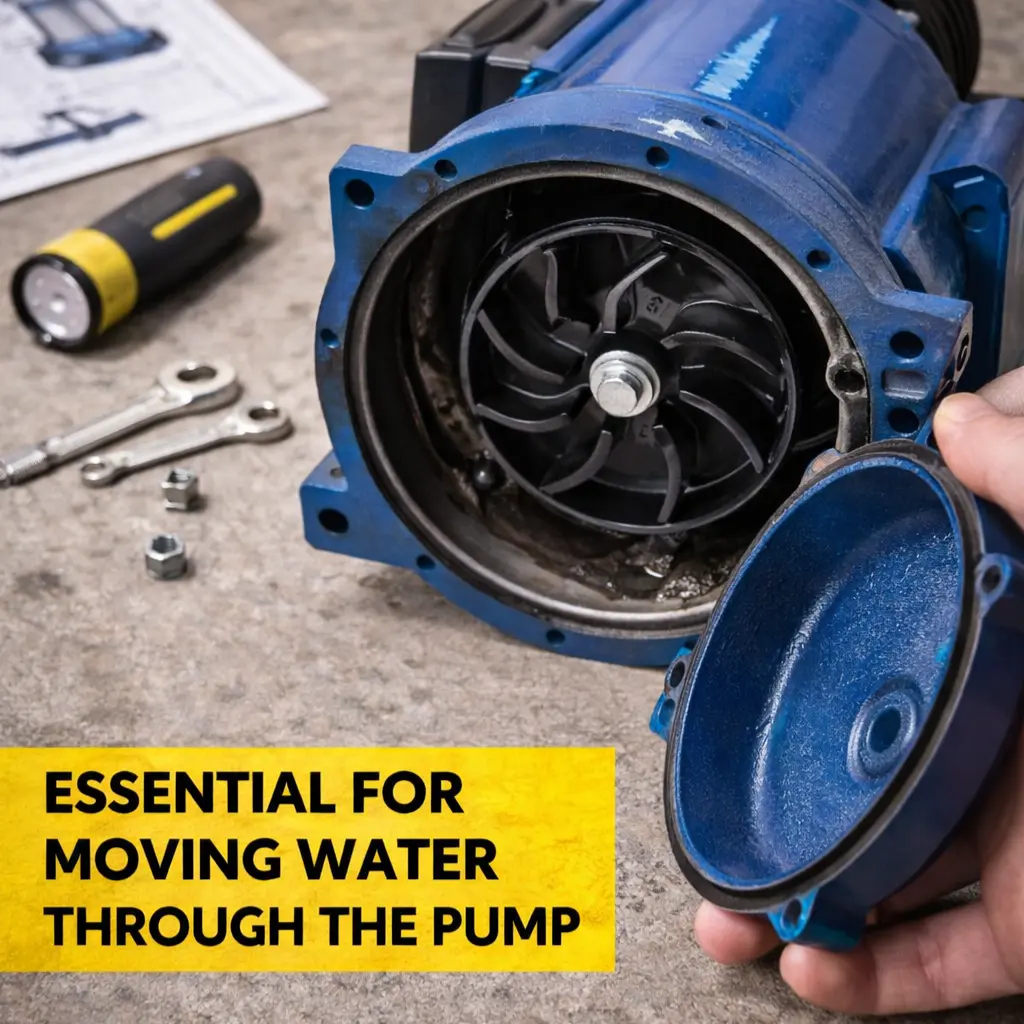
- Sump pump impeller for debris buildup
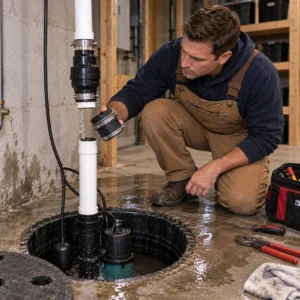
- Sump pump check valve to prevent water from returning to the pit
- Battery charger to confirm proper charging
These inspections help maintain dependable pump operation and improve basement drainage.
How Can You Extend the Life of Your Battery Backup Sump Pump
Homeowners can improve system durability by following simple maintenance practices.
Routine Cleaning and Inspection
Keeping the sump pit free of debris allows water to move easily through the system. Dirt or sediment can block the pump intake and reduce efficiency.
Regular sump pit cleaning protects important internal components and supports smooth pump operation.
Proper Storage and Charging
Battery condition improves when the unit remains fully charged and protected from moisture. Keeping the installation area dry and organized reduces the risk of corrosion.
Routine monitoring helps ensure the battery remains ready for emergency operation.
Avoiding Overloading
A sump pump system should match the drainage needs of the home. Pumps that are too small may operate too frequently, which increases wear on both the motor and battery.
Correct sizing improves pump performance and helps the system handle periods of heavy rainfall more effectively.
If your basement experiences recurring water problems, a professional inspection from DNA Plumbing and Heating can help determine whether a different system configuration would be beneficial.
Choosing the Right Backup System for Your Home
When selecting a backup option, it’s important to understand how different systems operate. Some use municipal water pressure to function, while others rely on stored battery power that activates automatically during outages.
Battery-based systems are widely preferred because they respond immediately and do not depend on an external water source.
The right choice depends on factors such as your drainage setup, basement layout, and overall environmental conditions.
Signs Your Sump Pump Battery Backup May Need Attention
Recognizing early warning signs can help prevent basement flooding.
Common indicators include:
- Slower water removal during storms
- Irregular pump cycling
- Visible corrosion on battery connections
- The pump is running but not clearing water efficiently
If you notice these signs, it may be helpful to schedule an inspection with DNA Plumbing and Heating before the problem develops into a larger repair.
Conclusion
Knowing how long sump pump batteries last helps homeowners prepare for power outages and potential water issues. Battery lifespan can vary based on maintenance, environmental conditions, and how often the system operates.
Regular inspection and proper care help ensure the backup system works reliably when it is needed most. If you are unsure about the condition of your setup, a professional assessment can help identify any issues and ensure everything is functioning as expected.