Introduction
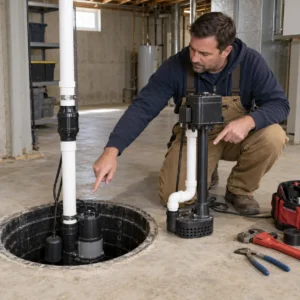
Understanding how to adjust the float on a sump pump helps homeowners maintain effective basement drainage and reduce the risk of flooding during rainfall. The float switch controls when the pump starts and stops, allowing the system to remove excess water before it affects the foundation or interior living areas. If the float is positioned incorrectly, the pump may run continuously, activate too late, or cycle too frequently.
Many homeowners also ask how the float on a sump pump can be adjusted, whether a sump pump float can be adjusted, and how a sump pump float switch works. This guide from DNA Plumbing and Heating explains the purpose of the float switch, how to adjust it safely, and when sump pump installation services may be necessary.
Can You Adjust the Float on a Sump Pump?
Yes, most systems allow the float switch to be adjusted. The float senses water levels inside the sump pit and signals the pump when it should begin removing water. When the water rises, the float lifts and activates the pump. Once the water level drops, the float lowers, and the pump shuts off.
Adjusting the float helps control when the pump begins operating and prevents unnecessary strain on the motor. Correct positioning ensures the pump activates early enough to prevent water buildup in the sump basin.
How to Adjust Sump Pump Float
The process for adjusting the float depends on the type of switch installed. Residential systems typically use vertical floats, tethered floats, or electronic sensors.
Before making any adjustments, disconnect the pump from its power source and ensure the sump pit area is safe to access.
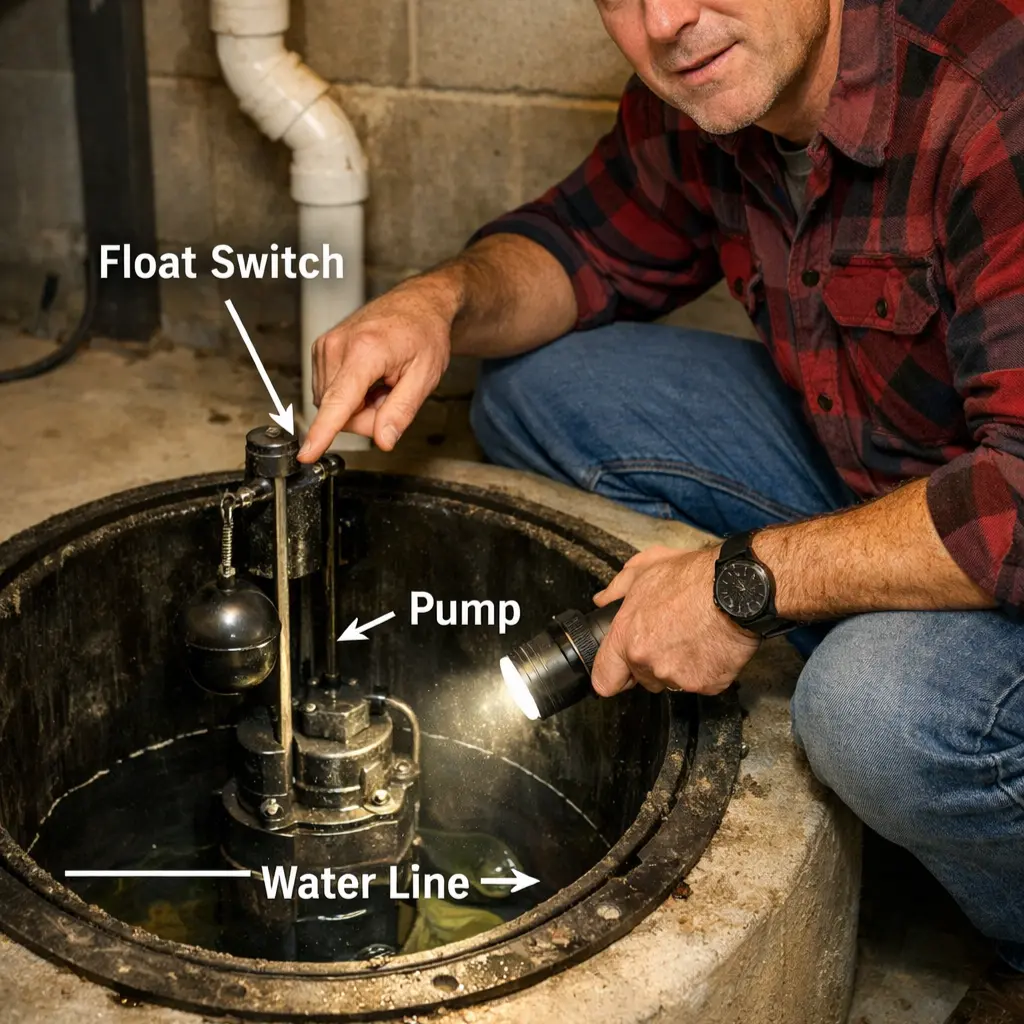
Vertical Float
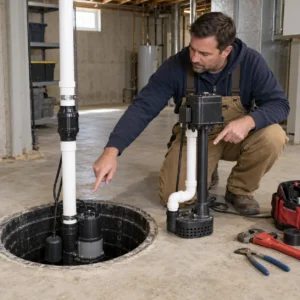
A vertical float switch moves along a rod positioned beside the pump. This design is often used in smaller sump pits because it requires limited space.
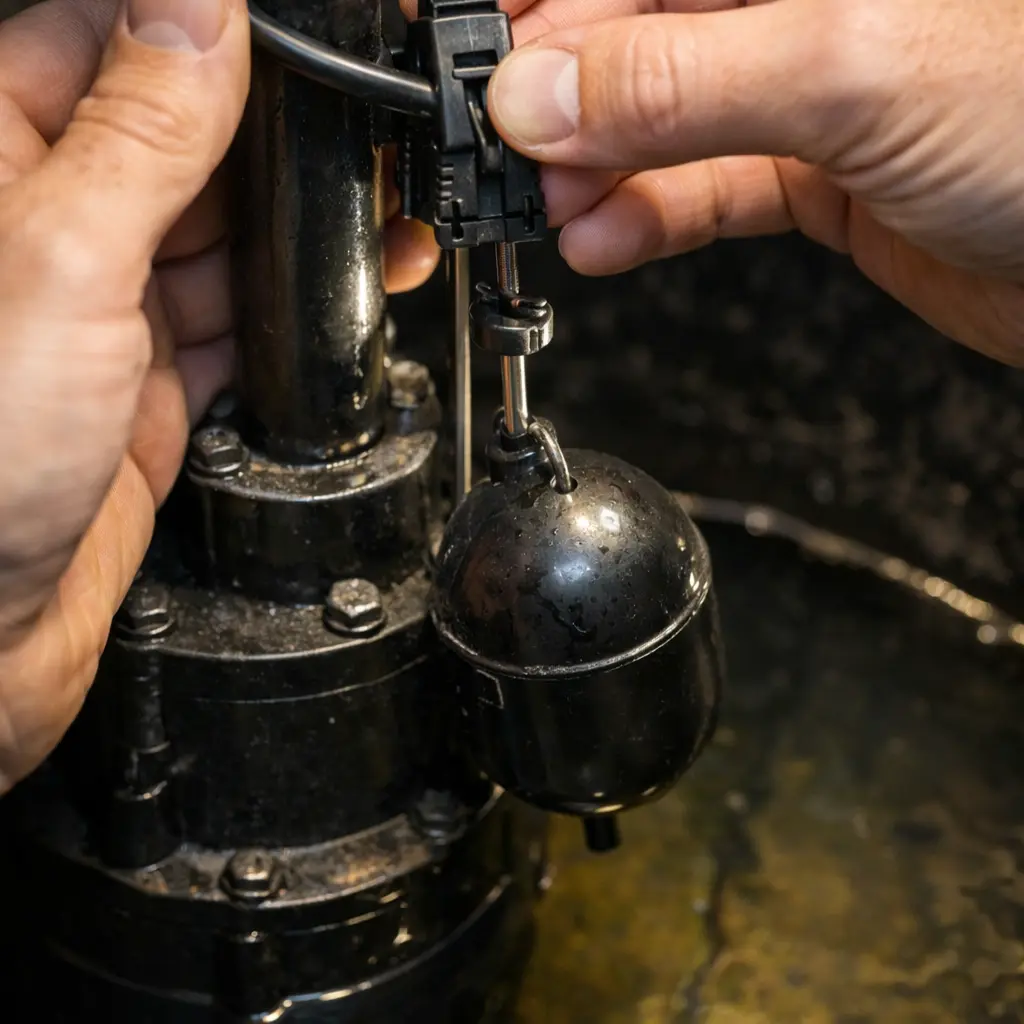
Loosen and Slide the Float Clamp
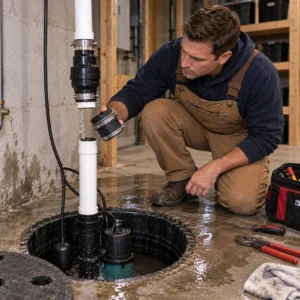
Locate the clamp securing the float to the rod. Loosen the clamp carefully and slide the float up or down to change the activation point. Raising the float delays pump activation, while lowering it allows the pump to start sooner.
Set the Proper Activation Height
The float should be positioned so the pump activates before the basin fills too high. This helps maintain proper drainage and prevents water from reaching unsafe levels.
Test Pump Operation
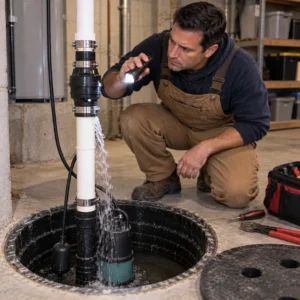
After adjusting the float, reconnect the power and pour water into the sump basin. Observe how the pump activates and confirm that it shuts off once the pit drains.
Learning how to use a sump pump helps homeowners understand how the float switch activates the system and removes water from the sump pit.
Tethered Float
A tethered float switch operates using a cord attached to the pump or discharge pipe. As water rises, the float tilts upward and triggers the pump.
Shorten or Lengthen the Tether Cord
Changing the cord length determines when the pump starts. A shorter tether activates the pump sooner, while a longer tether allows water to rise higher before the pump turns on.
Ensure Free Movement
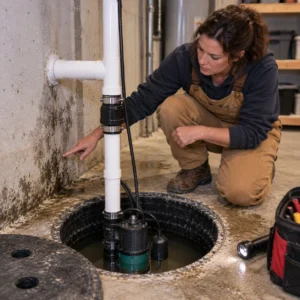
Check the float can move freely without hitting the basin wall or becoming tangled. Obstructions can prevent the switch from operating correctly.
Test Pump Activation
Add water to the sump pit and watch the float respond. The pump should activate when the float rises and shut off when the water level drops.
Electronic Float Switches
Some modern pumps rely on electronic float switches or sensors rather than mechanical floats. These sensors monitor water levels and activate the pump automatically.
Clean Sensors to Prevent False Triggers
Mineral buildup or debris can affect sensor performance. Cleaning the sensor surface during routine maintenance helps ensure accurate water level detection.
When Replacement May Be Necessary
If the sensor no longer responds to water levels, the switch may need replacement. Homeowners sometimes ask whether the float can be replaced, and in many cases, replacing the switch restores normal operation.
Signs the Float Needs Adjustment
Improper float positioning can lead to noticeable issues. Identifying these early helps prevent pump damage and basement flooding.
- Pump Runs Continuously: If the float is stuck in the raised position, the pump may keep running even after the sump pit has emptied.
- Pump Does Not Activate: When the float is set too low or blocked, the pump may fail to start as water levels rise.
- Frequent Short Cycling: Rapid starting and stopping can occur if the float triggers the pump too quickly, putting extra strain on the motor.
- Water Level Rises Too High: If the pump only starts when the basin is nearly full, the float may need adjustment to activate sooner.
- Float Obstructed by Debris: Dirt, stones, or tangled cords can restrict movement. Keeping the sump pit clean helps avoid these issues.
Regular maintenance is important for proper pump operation. Learning how to clean a sump pump can help remove debris, sediment, and buildup that may interfere with the float switch or pump performance.
When to Call a Professional Plumber
Homeowners can handle many float adjustments, but certain situations require professional attention.
Persistent Float Problems
If adjustments do not correct the issue, the float switch or motor may need repair or replacement.
Electrical Concerns
Problems involving wiring or electrical connections should always be handled by a qualified professional.
Pump Performance Issues
If the pump makes unusual noises or fails to remove water effectively, the problem may involve internal components such as the motor, impeller, or discharge pipe.
In these cases, contacting DNA Plumbing and Heating can help identify the cause and restore reliable drainage.
Conclusion
Knowing how to adjust the float on a sump pump helps homeowners maintain proper water level control and prevent basement flooding. A correctly positioned float ensures the pump activates at the right time and shuts off once the water has been removed.
Routine inspection and occasional adjustment help maintain reliable performance and reduce wear on the pump motor. If you are unsure how to adjust the float or suspect a faulty switch, the team at DNA Plumbing and Heating can evaluate your sump pump system and provide the support needed to keep your home protected from water damage.