Introduction
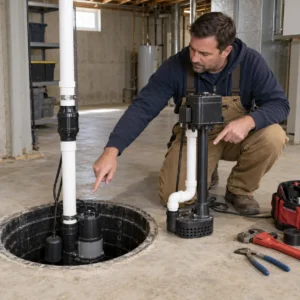
Cleaning a sump pump is an important part of protecting your home from basement flooding and water damage. A sump pump works to remove water from the sump pit and direct it away from your foundation through a drainage system. Over time, sediment, debris, and sludge can collect around the pump and inside the sump basin. Without regular maintenance, these materials may affect pump performance.
Homeowners often ask how often you should clean your sump pump, whether it is possible to clean a sump pump without removing it, and how to clean a sump pump pit safely. In some cases, cleaning alone may not solve the issue, and homeowners may need sump pump maintenance services to restore reliable drainage.This guide from DNA Plumbing and Heating explains the cleaning process, safety precautions, and practical maintenance tips to keep your system operating reliably.
How to Clean a Sump Pump Correctly
Cleaning a sump pump involves several straightforward steps. Always follow safety precautions before beginning any maintenance.
1. Test the Pump
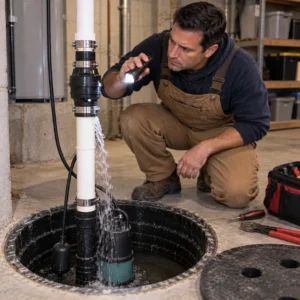
Start by testing the pump to confirm it activates properly. Pour water into the sump pit and look at the float switch to see whether it triggers the pump. If the system does not respond, professional inspection may be required.
If the pump does not activate at the correct water level, the float switch may require adjustment. Understanding how to adjust the float on a sump pump helps ensure the system turns on and off at the proper time.
2. Confirm Safe Conditions
Maintenance should be performed when the sump basin is not actively receiving water. Avoid cleaning during storms or when water is entering the sump pit.
Ensure the surrounding area is dry and accessible.
3. Disconnect the Power
Before handling the pump, disconnect the power supply. Unplug the unit from the electric outlet or switch off the circuit breaker.
This step protects against electrical hazards during cleaning.
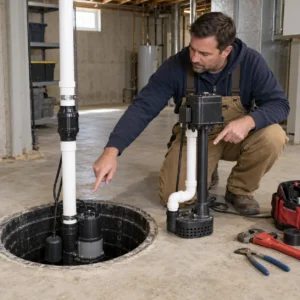
4. Remove the Pump
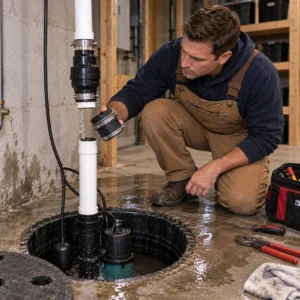
Detach the discharge pipe connection and lift the pump from the sump basin. Place the pump on a tarp or plastic sheet to contain water and debris.
This allows easier access to the pump components.
5. Rinse the Pump Exterior
Use a hose to rinse dirt and sediment from the outside of the pump. Pay attention to the intake screen and other areas where debris may collect.
Removing buildup helps maintain efficient pump operation.
6. Clean Remaining Debris
If residue remains after rinsing, use a soft brush to remove buildup carefully. Avoid damaging the pump housing or intake components.
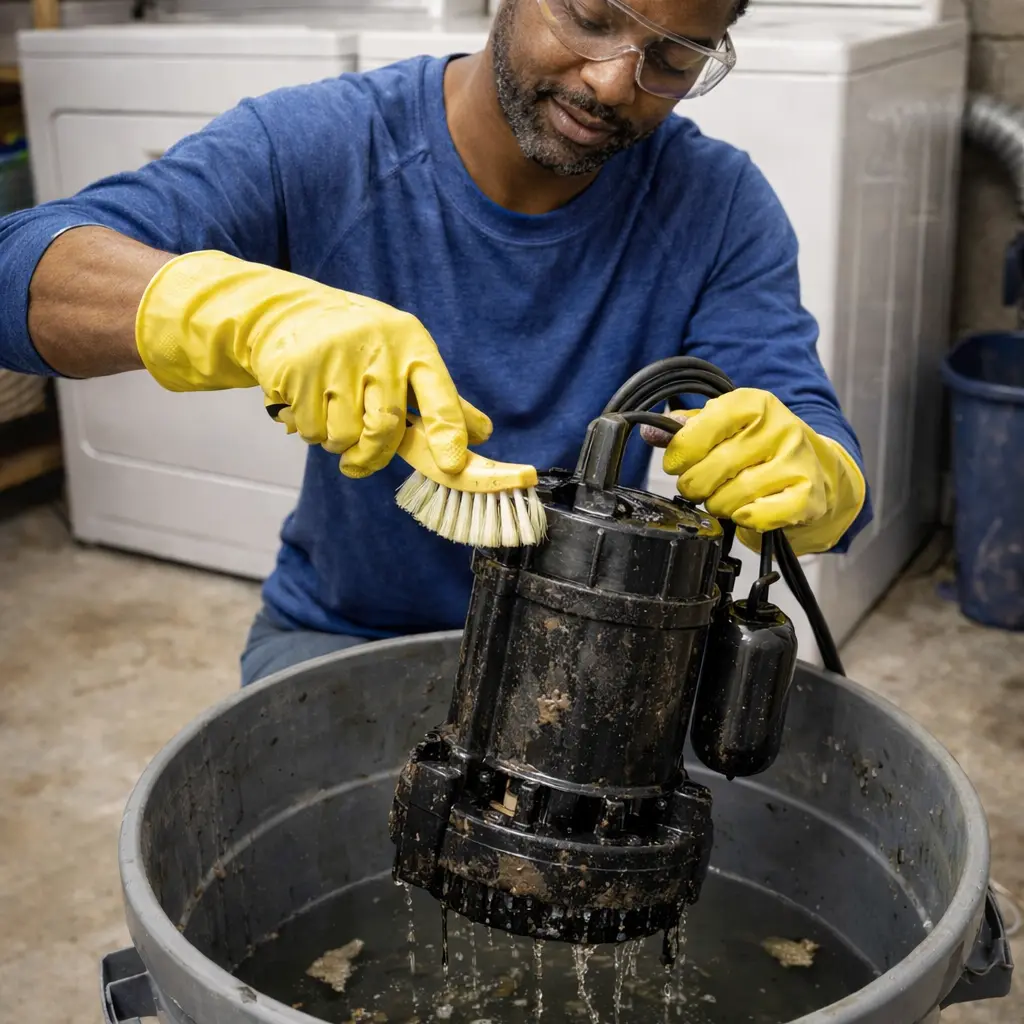
7. Rinse the Pump Again
After debris removal, rinse the pump thoroughly to clear away remaining sediment.
This step helps ensure that internal parts remain free of obstructions.
8. Inspect the Check Valve
The sump pump check valve prevents water from flowing back into the sump pit. Check this component and remove any trapped debris or water.
9. Clean the Sump Pit
Next, focus on how to clean a sump pump pit. Use a wet-dry vacuum to remove water, sludge, and debris from the sump basin.
Cleaning the sump pit prevents buildup that could interfere with the float switch or block water flow.
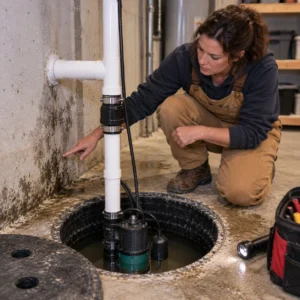
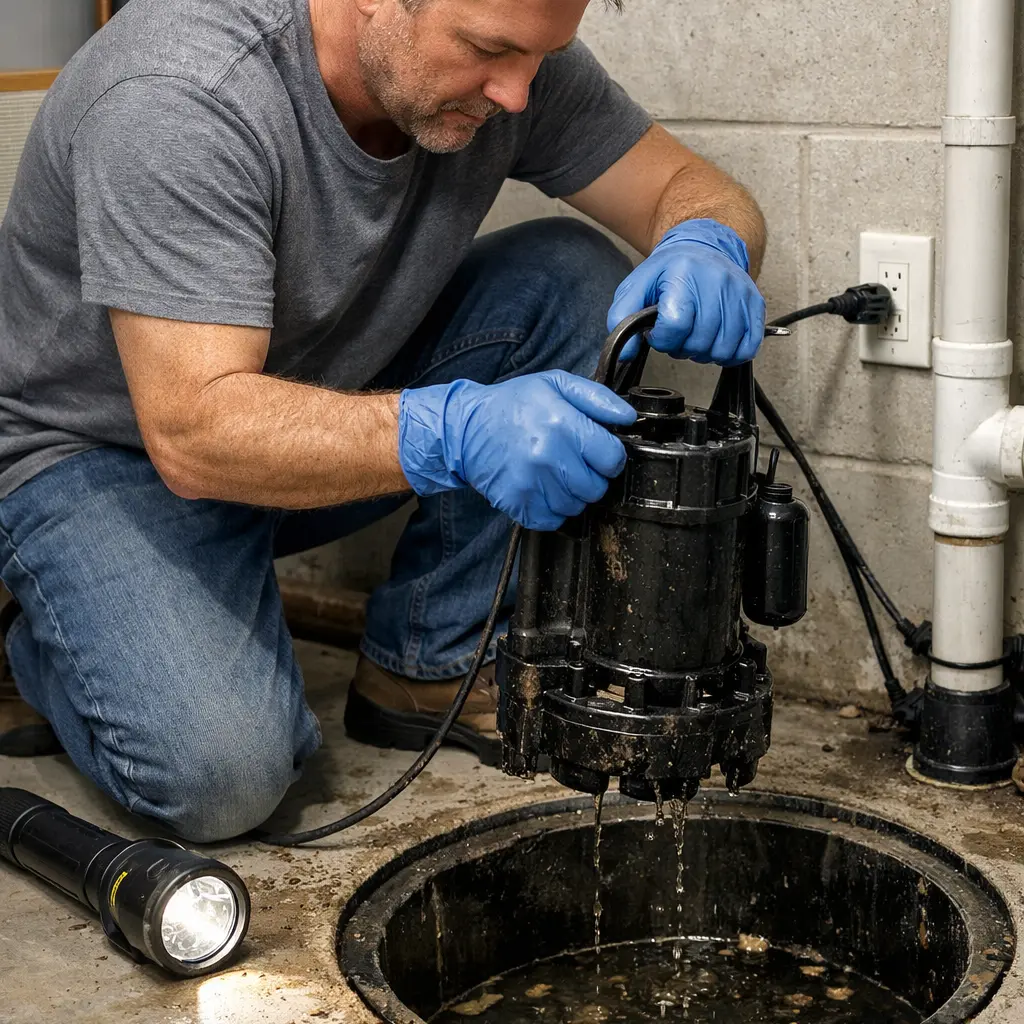
10. Inspect Pump Components
Before reinstalling the pump, check important parts, including:
- Sump pump float switch
- Pump intake screen
- Pump impeller
- Sump pump discharge pipe
Look for blockages or visible wear.
11. Reinstall the Pump
Return the pump to the sump basin and reconnect the discharge pipe. Restore power and test the system by adding water to the pit.
The pump should activate automatically and discharge water through the drainage line.
How to Clean a Sump Pump Without Removing It
Some homeowners prefer to maintain their sump pump without lifting it out of the basin. While a full cleaning requires removing the pump, basic maintenance can still be performed while the unit remains in the sump pit.
Start by disconnecting the power to the pump for safety. Remove visible debris from the sump basin using a wet-dry vacuum or by hand. You can also rinse the basin with a small amount of clean water to loosen dirt or sediment around the pump.
Next, inspect the float switch to confirm it moves freely and is not blocked by debris. Keeping the area around the pump clear allows the system to activate properly and maintain effective water removal.
How to Clean Out Sump Pump Lines
Over time, debris and sediment may accumulate inside the sump pump discharge line. When the drainage pipe becomes partially blocked, water may not move away from the home efficiently.
To clean the sump pump line, first inspect the discharge pipe for visible obstructions. Flushing the line with clean water can help clear minor buildup inside the pipe. It is also helpful to check the check valve connection and ensure that it is not clogged or restricted.
Maintaining a clear discharge line helps the sump pump move water away from the foundation and supports proper drainage during periods of heavy rain.
How Often Should You Clean Your Sump Pump?
Many homeowners ask how often they should clean their sump pump. In most homes, a yearly inspection and cleaning helps maintain reliable performance.
Areas with frequent rainfall or groundwater pressure may require additional maintenance to prevent buildup inside the sump basin.
Routine inspections also allow early detection of mechanical issues before they cause flooding.
Do Plumbers Clean Sump Pumps?
Yes, plumbers provide sump pump cleaning, maintenance, and system inspections. They can identify hidden issues and ensure the pump operates efficiently.
While basic maintenance can be handled by homeowners, problems such as the pump not starting, running continuously, or failing to remove water may require professional attention. In such cases, services like DNA Plumbing and Heating can assess the system and help restore proper operation.
Conclusion
Cleaning a sump pump regularly helps keep your basement dry and reduces the risk of water damage. Removing debris from the sump basin and checking key components ensures the pump activates and operates as expected.
Routine inspection and maintenance also extend the lifespan of the system and improve overall performance. If the pump shows signs of malfunction or inconsistent operation, a professional evaluation can help identify the issue and ensure reliable drainage.