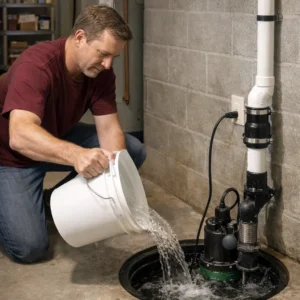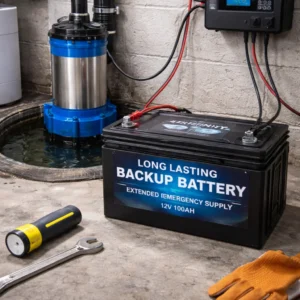
A burst pipe can turn a normal day into a stressful emergency for homeowners. Once the water is shut off and the leak is repaired, the next big question is how long the drying process will take. Understanding how long to dry a house after a burst pipe helps you protect your home from mold, hidden moisture, and long-term structural issues. With older plumbing systems, freezing winters, and varying building materials across US homes, the drying timeline can be different for every property. DNA Plumbing and Heating supports homeowners through these emergencies by offering reliable burst-pipe repairs and guidance on safe, efficient drying after water damage.
What Determines How Long a Home Takes to Dry After a Burst Pipe?
Several important factors influence how long it takes to dry a house after water damage, and no two situations are exactly the same. Homes with older plumbing, heavier water exposure, or poor ventilation may take longer to fully dry, especially during cold or humid seasons.
Amount of Water Released and Duration of the Leak
The more water that escapes, the longer your home will need to dry. A small crack that leaks slowly may cause moisture in a limited area, while a frozen pipe that ruptures can release gallons within minutes. This affects your entire burst pipe water damage drying time, especially if multiple rooms are involved.
Home Materials and How They Absorb Water
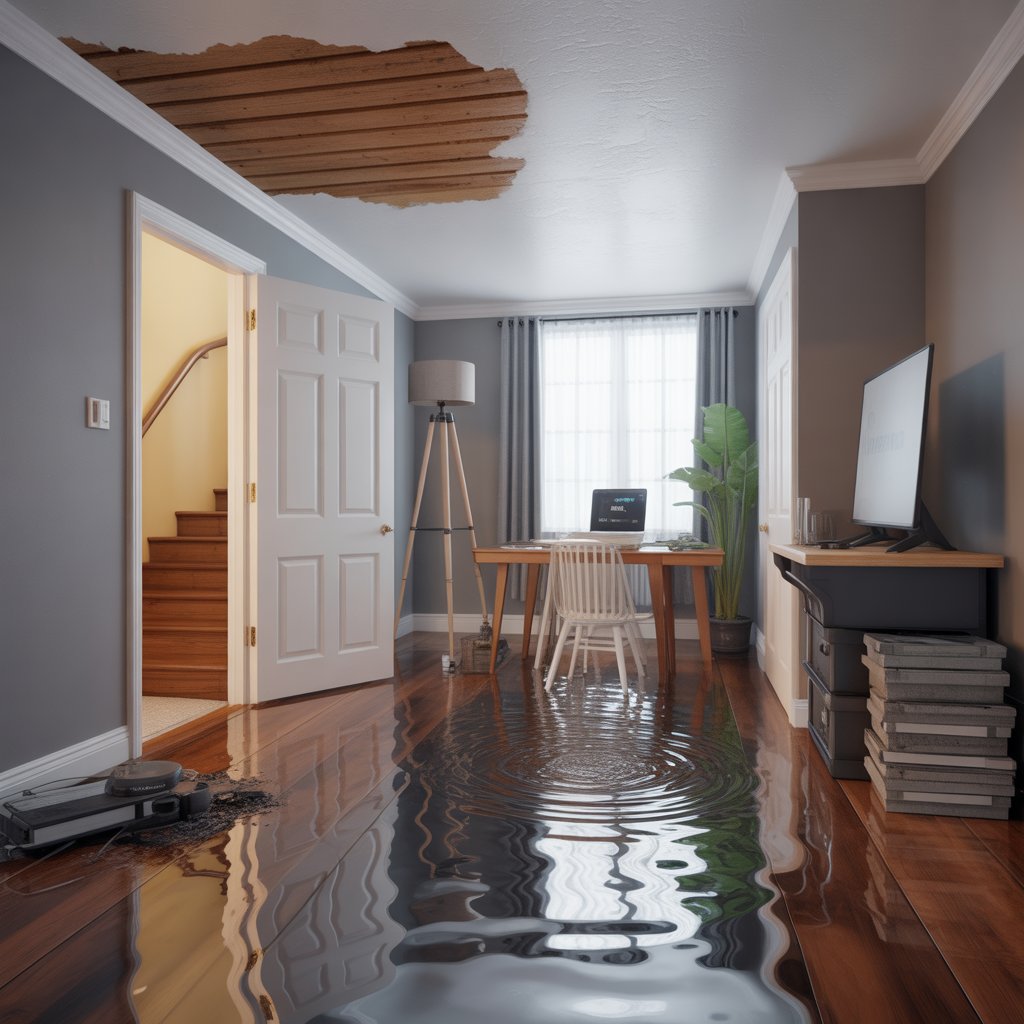
Different surfaces dry at different speeds. Drywall absorbs water quickly, hardwood floors can swell, and insulation may trap moisture deep inside walls. These differences influence the water damage drying timeline, especially in multi-level homes where water may drip through ceilings or into subfloors.
Indoor Humidity, Temperature, and Ventilation
Warm air holds moisture better, so homes in winter may take longer to dry if heat isn’t restored promptly. Poor ventilation can slow down drying a home after water damage, while better airflow speeds up the process. Humid climates or rainy weather can extend drying times as well. Since many burst pipes happen after a severe freeze, some homeowners choose to protect exposed plumbing with heat tape, which helps prevent future freeze-related pipe damage.
Speed of Initial Response
Acting quickly after a burst pipe makes a huge difference. Early moisture removal after a burst pipe helps prevent water from spreading into hidden spaces. DNA Plumbing and Heating responds promptly to burst-pipe calls to limit damage before it worsens.
Typical Drying Timeline After a Burst Pipe
Drying a home is rarely a same-day process. Most water-damage restoration professionals rely on a general timeline that helps set realistic expectations for homeowners.
First 24–48 Hours: Water Extraction and Stabilization
The first step involves removing standing water, reducing humidity, and getting airflow moving. This is also when professionals identify any electrical risks, structural concerns, or damaged materials. Quick action helps prevent mold growth and stabilizes the home for continued drying.
2–5 Days: Deep Moisture Reduction
Once surface water is removed, a home begins its main drying phase. Dehumidifiers and air movers help reduce moisture in building materials, including framing, drywall, and flooring. This period is influenced by dehumidifier drying time after flooding, which varies depending on equipment strength and room size.
5–7+ Days: Hard-to-Reach Areas Continue Drying
Even after surfaces feel dry, moisture may remain inside walls, subfloors, or insulation. This stage includes monitoring hidden areas to avoid mold and structural weakening. Homes with heavy saturation or older plumbing may require a longer drying period to ensure complete safety.
Drying Times for Common Home Materials
Each type of material responds differently to water, which affects the overall water extraction and structural drying timeline.
Drywall
Drywall often absorbs water quickly and may remain damp long after the surface appears dry. Drying drywall after water damage can take several days, and panels that swell or crumble usually need replacement to prevent mold.
Hardwood Floors
Hardwood floors can cup, warp, or separate when exposed to water. Drying hardwood floors after water damage may require targeted airflow under boards and into subfloors. Depending on saturation levels, full drying can take five days or more.
Carpet and Padding
Carpet dries faster than padding, which tends to hold moisture. Drying carpet after water damage may take 24–72 hours with proper air movement, though padding often requires replacement if heavily saturated.
Subfloors and Framing
Wood framing and subfloors take longer because water seeps deeply into these materials. Drying subfloors after water intrusion is essential to prevent long-term odor, mold, and structural issues.
Why Professional Drying Matters After a Burst Pipe
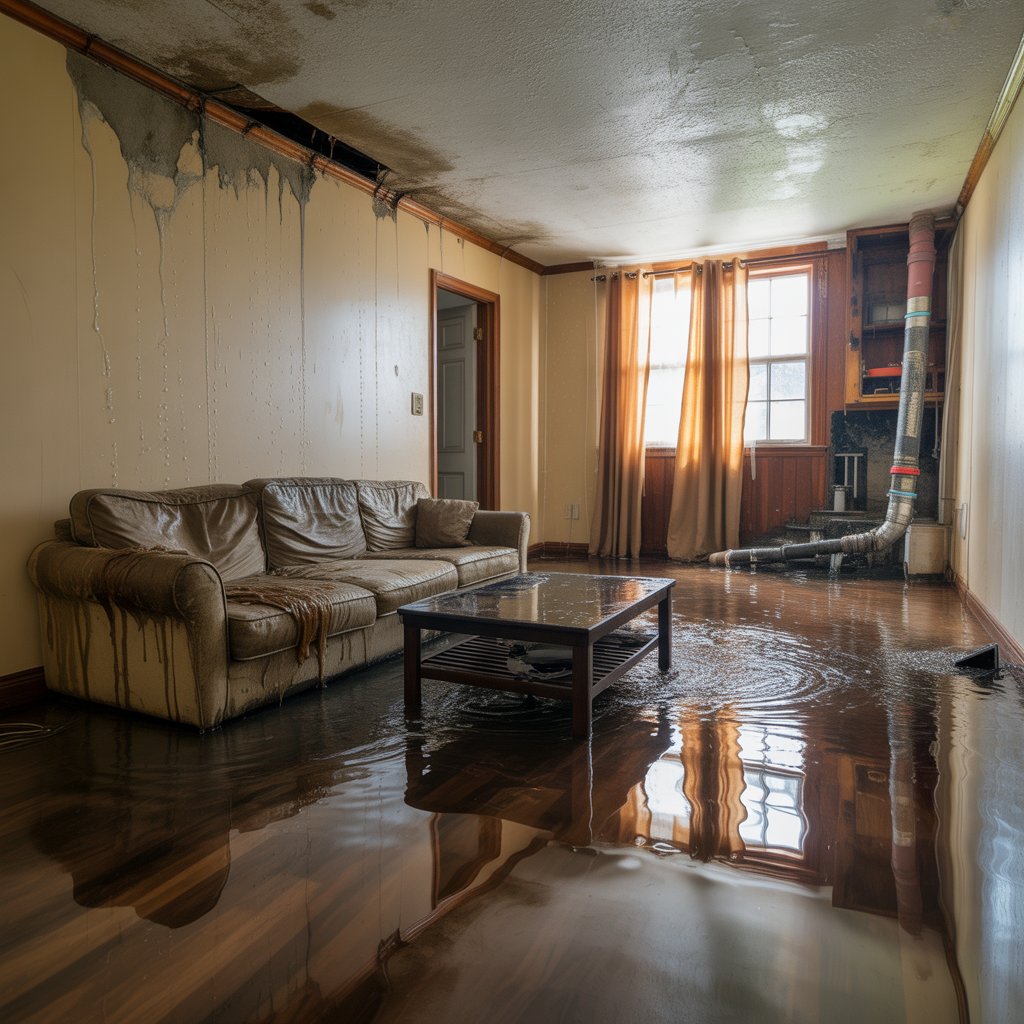
Burst pipe damage affects more than just the visible areas. Moisture hides behind walls, inside insulation, and under flooring, often causing long-term problems if not addressed correctly.
Identifying Hidden Moisture Pockets
Even when surfaces appear dry, hidden moisture after water leaks can remain trapped. Professionals use moisture meters, thermal imaging, and industry-standard tools to locate damp areas homeowners may not notice.
Fast, Safe Drying With Professional Equipment
High-powered dehumidifiers, air movers, and specialized drying tools help shorten the water damage drying timeline significantly. These tools outperform household fans and ensure moisture is fully removed.
Protecting Your Home From Mold and Structural Issues
Mold can begin developing in as little as 24–48 hours. Structural materials weakened by water may fail later if not dried properly. DNA Plumbing and Heating helps homeowners recover quickly and safely after a burst pipe, reducing the risk of long-term damage.
What Homeowners Can Do While Waiting for Professional Help
While trained technicians handle repairs and drying, homeowners can take safe, simple steps:
- Shut off the water supply
- Turn off electricity in affected areas
- Open windows if weather permits
- Move furniture and valuables away from wet areas
- Avoid using outlets near wet walls
- Do not remove drywall or flooring without guidance
These steps help stabilize the home until professional drying begins.
When to Call DNA Plumbing and Heating
When a burst pipe disrupts your home, DNA Plumbing and Heating provides expert support. Their team specializes in frozen and burst pipe repair, water line services, spot repairs, and safe recovery after water intrusion. With the right tools and experience, they help homeowners restore their space quickly, safely, and with confidence.
Ready to Restore Your Home After a Burst Pipe?
Drying your home after a burst pipe depends on the extent of the damage, the materials involved, and how quickly the drying process begins. Acting fast helps prevent mold growth, protects your home’s structure, and keeps repair costs under control. DNA Plumbing and Heating is here to provide reliable, skilled service whenever water damage occurs.
Contact DNA Plumbing and Heating today to schedule trusted, professional assistance for your plumbing or heating needs.