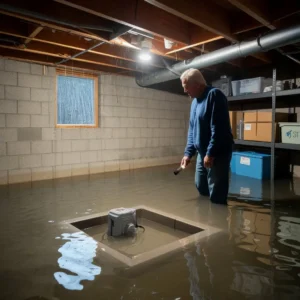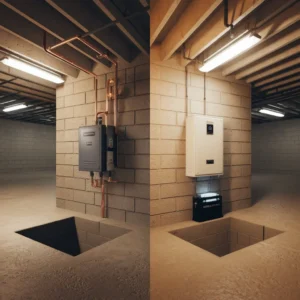
The time it takes for frozen pipes to thaw can vary widely based on multiple factors. Environmental temperature, insulation quality, and pipe material all play vital roles. In extremely cold conditions, pipes may remain frozen for days if left alone. However, applying heat methods such as heat tape or portable heaters can speed up the process considerably. Understanding these elements is essential for effectively managing frozen pipes and preventing potential damage.
Key Takeaways
- Frozen pipes can take several days to thaw in subzero temperatures naturally.
- Manual thawing methods can expedite the process compared to natural thawing.
- Insulated pipes may thaw faster than uninsulated ones due to better heat retention.
- Applying direct heat using hair dryers or heating tape can significantly reduce thawing time.
- Thawing duration depends on ambient conditions and the extent of freezing.
Can frozen pipes thaw on their own, or do they need a plumber’s help?
In subzero temperatures, frozen pipes can take several days to thaw naturally, depending on the extent of freezing and ambient conditions.
Attempting to unfreeze pipes manually can mitigate potential damage, but it requires careful execution to avoid pipe bursts.
Professional plumbers utilize targeted heating methods and specialized equipment to expedite the thawing process, minimizing the risk of further complications.
How long does it take for pipes to thaw in subzero weather?
Although subzero temperatures pose a considerable challenge to the thawing of frozen pipes, understanding the underlying factors can help determine the duration required for them to thaw.
In subzero weather, frozen pipes can remain solid for extended periods without intervention due to the persistent cold. To expedite the thawing process, it is essential to apply heat directly to the affected areas. Utilizing heat tape, a space heater, or a hair dryer can effectively raise the temperature around the pipes. This encourages water to resume flowing gradually.
The efficiency of these methods largely depends on whether the pipes are insulated. Insulated pipes retain heat better, potentially reducing thawing time. Without intervention, pipes may remain frozen until ambient conditions change considerably.
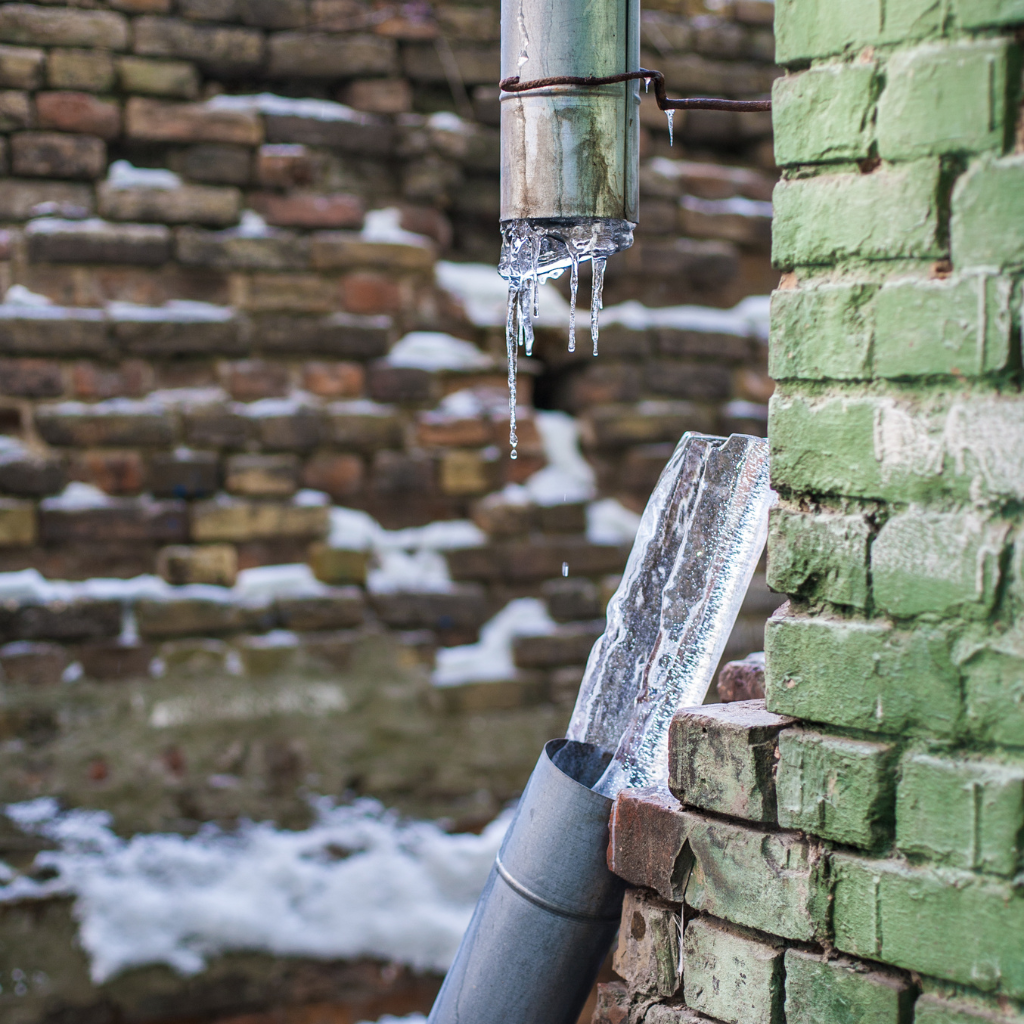
Should you try to unfreeze a pipe or let it thaw naturally?
Subzero temperatures greatly hinder the natural thawing process of frozen pipes, often necessitating intervention to prevent prolonged damage.
When the temperature outside remains below freezing, relying solely on natural heat may be insufficient to unfreeze a frozen pipe. To thaw pipes effectively, experts recommend applying a heater to raise the surrounding temperature. For exposed pipes, directing heat directly onto the affected areas can expedite thawing.
Additionally, allowing a trickle of running water from the faucet can aid in melting the ice. However, caution is advised to avoid pipe bursts.
If the frozen pipe is inaccessible or the water supply remains obstructed, consulting a plumber is prudent. Their expertise guarantees that thawing procedures are conducted safely and efficiently.
What plumb solutions work best to thaw frozen pipes quickly?
Thawing frozen pipes quickly requires a strategic application of thermal solutions designed to increase the pipe’s temperature above freezing efficiently.
Initially, locate the frozen section by evaluating where water pressure is compromised. Applying a heating pad or a towel soaked in hot water can elevate the pipe’s temperature gradually.
In cases where a burst pipe is a risk, shut off the main water valve to prevent water damage. Introducing warm water gently can expedite thawing, but caution is advised to avoid thermal shock.
Employing pipe insulation post-thaw can mitigate future freezing issues. Each method requires careful execution to guarantee structural integrity and prevent exacerbation of damage, necessitating professional intervention if complications arise.
How long can it take for a frozen water pipe to thaw naturally?
A frozen water pipe can take several hours to thaw naturally, depending on ambient temperature and insulation quality. Employing a hair dryer may accelerate the process without risking pipe damage, provided it is used cautiously and evenly.
Plumbers often utilize specialized equipment to safely thaw pipes, minimizing stress on fittings and preventing potential leaks.
Can using a hair dryer help thaw frozen pipes without damage?
Applying a hair dryer to frozen pipes can be an effective method to expedite the thawing process without causing damage, provided it’s done with caution. This approach helps to thaw out the pipe gradually, preventing water damage and reducing the risk of pipes bursting. To unfreeze your pipes safely, maintain a moderate distance between the hair dryer and the pipe, ensuring even heat distribution. Avoid focusing on one spot for too long to prevent overheating.
| Method | Advantage |
|---|---|
| Hair Dryer | Controlled, localized heating |
| Insulation/Heat Tape | Prevents future freezing |
Increasing the ambient temperature enhances the flow of water, further assisting in thawing. Insulation or heat tape can also prevent frozen pipes. Careful application of these methods will thaw a pipe efficiently, safeguarding the plumbing system.
Why do pipes freeze overnight and take a long time to thaw during the day?
Why do pipes freeze overnight, only to take an extended period to thaw during the day? Overnight, temperatures typically drop, causing water pipes to freeze as the ambient air fails to provide sufficient warmth. Pipes that are exposed or poorly insulated are particularly vulnerable.
As daytime temperatures rise, allowing a frozen pipe to thaw naturally is a slow process because the home’s temperature may not increase rapidly enough to overcome the deep freeze. Additionally, the thermal conductivity of metal pipes is low, further delaying the process.
It can take several hours or even days for pipes to thaw completely, depending on the severity of the freeze. Ensuring proper insulation and maintaining a consistent home temperature can help prevent pipes from freezing and avoid costly water damage.
How do plumbers thaw frozen pipes without harming fittings?
Plumbers employ specialized techniques to thaw frozen pipes effectively while safeguarding fittings from damage. They utilize controlled heat application to guarantee the frozen section thaws safely, preventing any potential damage to pipe fittings. Heat guns or heating pads are commonly used to apply consistent warmth. Confirming pipe insulation is intact or improved further aids in the thawing process.
A steady water flow is encouraged, as it helps in the gradual thawing of ice within the pipe. This approach minimizes the risk of sudden pressure changes that could harm fittings.
| Method | Purpose |
|---|---|
| Heat Application | Thaw safely and evenly |
| Pipe Insulation | Maintain warmth, prevent refreeze |
| Water Flow | Facilitate gradual thawing |
What’s the safest way to thaw a frozen pipe without breaking it?
To safely thaw frozen pipes without risking damage, it is essential to understand the mechanics of gradual warming and pressure relief. In some cases, heavily insulated or deeply embedded pipes may take longer to thaw, especially if the water inside has completely solidified.
Preventative measures, such as proper insulation, play a key role in mitigating freezing during extreme winter conditions. Knowing what steps to take to prevent future freezing—like sealing gaps and maintaining indoor heat—is crucial for long-term plumbing protection.
Additionally, slowly thawing frozen pipes minimizes the risk of rupture by allowing pressure to dissipate evenly as the ice melts, thereby extending the lifespan of the plumbing infrastructure. If you suspect a problem, it’s important to act quickly and find the frozen section to begin the thawing process before damage occurs.
How do you prevent your pipes from freezing in extreme winter cold?
Despite frigid temperatures posing a significant threat to residential plumbing systems, there are effective strategies to prevent pipes from freezing in extreme winter cold. Insulating water lines is essential, particularly those in unheated areas. Additionally, allowing a trickle of water to flow through a faucet can reduce the risk of pipes freezing. Here are steps you can take:
| Action | Purpose | Benefit |
|---|---|---|
| Insulate Pipes | Prevent heat loss | Reduce freezing risk |
| Drip Faucets | Maintain water flow | Prevent pressure buildup |
| Turn Off Main Water | In case of absence | Avoid potential flooding |
| Use Water Heater | Maintain ambient temperature | Protect pipes in cold areas |
Turning off the main water valve during prolonged absences and maintaining a steady temperature with the water heater are also advisable measures.
When pipes are frozen, how long does it take to unfreeze them?
How exactly does one navigate the challenge of thawing frozen pipes without causing damage? The process involves a meticulous approach to guarantee the pipes thaw safely.
Begin by turning off the water at the main to prevent water damage if the pipe bursts. Use towels soaked in hot water and wrap them around the frozen pipes, applying heat gradually. Alternatively, use a hair dryer, directing the heat evenly over the affected area.
It is essential to start thawing frozen pipes from the faucet end, allowing hot and cold water to flow gently as the ice melts. This controlled method helps in minimizing pressure buildup, reducing the risk that a pipe will burst. Thawing time varies, depending on pipe material and ambient temperature.
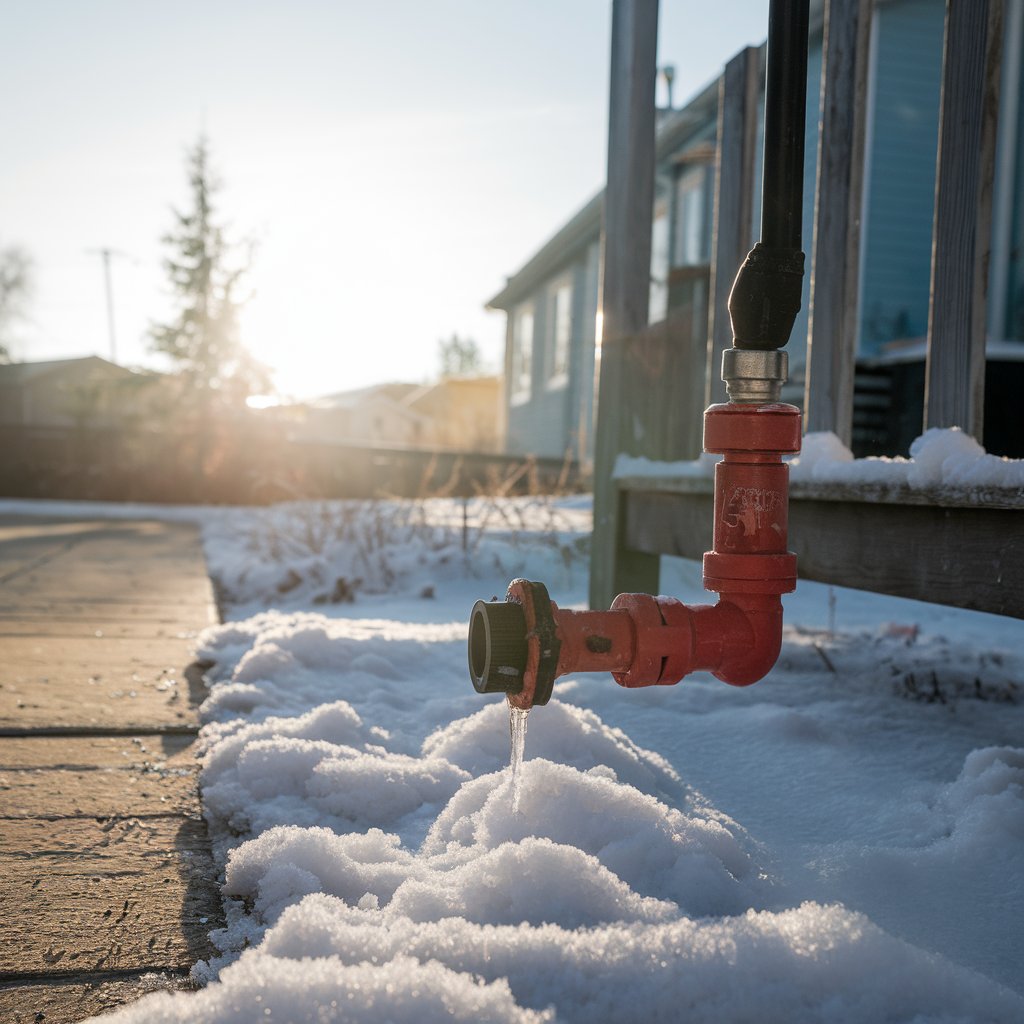
Why does thawing frozen pipes slowly prevent burst pipe damage?
Thawing frozen pipes slowly is vital in preventing burst pipe damage because it allows the ice within to melt evenly, minimizing sudden pressure changes. Rapid thawing can cause the frozen water to expand unevenly, increasing the risk of pipe damage. To prevent burst pipes, it is important to take steps such as gradually raising the temperature around the pipe using a space heater or heat lamp. This helps to thaw the frozen water gently. Plumbers recommend monitoring the thawing process to guarantee safety.
| Method | Action |
|---|---|
| Space Heater | Place near frozen pipe |
| Heat Lamp | Position above the pipe |
| Hair Dryer | Move along the pipe |
| Heated Tape | Wrap around the pipe |
These methods guarantee a controlled thaw, safeguarding against pressure-induced pipe damage.
Why do pipes take so long to thaw after freezing during storms?
Frozen pipes take an extended period to thaw after storms due to the persistent low temperatures and the insulating properties of ice. In severe cases, the main water line may become completely frozen, cutting off the water supply to the entire home.
Plumbers employ specific techniques, such as applying controlled heat sources, to thaw pipes safely, as improper methods can lead to refreezing or even pipe bursts due to frozen pipes. Recognizing early signs, such as unusual noises or frost on exposed pipes, can be a clear sign of frozen pipes.
Indications that a frozen pipe is beginning to thaw include the return of water flow and the sound of ice cracking within the pipe. To assist homeowners, professionals often recommend tips for thawing frozen pipes, such as opening cabinet doors, using a space heater, or wrapping pipes with warm towels to gradually restore function.
What methods do plumbers use to thaw pipes during a hard freeze?
Plumbers employ a range of specialized techniques to effectively thaw pipes during a hard freeze, ensuring the integrity of the plumbing system is maintained.
To thaw frozen pipes, plumbers use methods such as applying heat tape or electric pipe heaters that wrap around pipes and deliver consistent warmth. In some cases, a plumber might use a flame to thaw, applying it carefully to avoid damaging the pipe material.
Additionally, opening a valve helps release pressure and facilitates thawing frozen pipes. Using hot air blowers to circulate warmth around the pipe is another common method.
These techniques not only address immediate freezing issues but also help to prevent your pipes from freezing again by ensuring proper insulation and heat distribution.
Can improper thawing cause pipes to freeze again or burst later?
When pipes are improperly thawed, there is a significant risk that they may refreeze or even burst later on.
Thawing frozen pipes requires a controlled approach to guarantee that the section of pipe receives consistent heat. If improperly thawed, some areas may remain frozen while others become unfrozen, causing uneven expansion. This can lead to structural weaknesses, increasing the likelihood of a burst later.
Inadequate thawing can also leave residual ice, which obstructs water flow, preventing water from draining completely. As the temperature drops again, the remaining water freezes, exerting pressure on the pipe walls.
To prevent freezing, gradual and uniform heating is essential, as is making sure all sections of the pipe are free of ice to avoid these issues.
What are the signs your frozen pipe is about to start to thaw?
How might one determine that a frozen pipe is starting to thaw? Key signs include a gradual increase in water flow from faucets connected to the affected pipes.
As frozen pipes begin to thaw naturally, water is coming through in a trickle, indicating the ice blockage is diminishing. Monitoring the water meter can also provide insight; if it shows movement where previously static, one of your pipes may be unfreezing.
Additionally, listen for any unusual sounds, such as gurgling, which may indicate that water is beginning to flow around the frozen sections.
These signs suggest that the process to thaw the pipes is underway, and it is vital to guarantee this occurs slowly to prevent potential pipe damage or leaks.
How long does it take a frozen pipe to thaw, plumb unfreeze a water pipe?
The duration for a frozen pipe to thaw depends on several factors, including ambient temperature, insulation quality, and whether water is running through the pipe. In many cases, keeping a steady trickle of water flowing can help unfreeze the pipes more safely and effectively.
Proper home insulation can markedly reduce the risk of frozen pipes in the future, while allowing a trickle of water to flow may expedite the thawing process. If your faucet stops working during cold weather, it may indicate you have a frozen section in your plumbing system.
It is vital to monitor the thawing rate, as rapid warming can lead to pipe damage due to thermal stress. To ensure safety, it’s best to gradually apply heat without causing the pipe to crack. With time and the right conditions, pipes will eventually return to a normal state without lasting damage.
How to prevent pipes from freezing with basic home insulation?
Proper home insulation plays an essential role in preventing pipes from freezing, particularly in regions prone to severe winter temperatures.
To effectively safeguard pipes from freezing, homeowners should focus on insulating areas where water pipes are most vulnerable, such as basements, attics, and crawl spaces.
Basic home insulation techniques, like applying foam pipe sleeves or fiberglass wraps, can greatly reduce the risk of frozen pipes. By installing these materials, the heat loss is minimized, maintaining the pipe temperature above freezing.
In scenarios where pipes are frozen, it becomes critical to take steps to thaw them safely, thereby avoiding potential damage. Investing in proper insulation not only prevents frozen pipes but also mitigates the need for reactive measures when pipes are frozen.
Do frozen pipes thaw faster when water is running through them?
Importantly, the process of thawing frozen pipes can be influenced by whether water is running through them. When water is running, it can facilitate a more gradual thaw, reducing the overall thaw time.
The movement of water helps distribute heat more evenly along the length of the pipe, enhancing the pipe thawing process.
- Running water: Circulating water can help thaw frozen pipes faster by gradually warming the ice.
- Pipe insulation: Proper insulation retains heat, allowing the running water to be more effective in reducing thaw time.
- Heat application: Alongside running water, external heat sources can markedly expedite the thawing process.
Can thawing frozen pipes too quickly cause pipes to break?
While thawing frozen pipes, one must exercise caution to prevent potential damage. Thawing pipes too quickly can cause thermal expansion, leading to the structural integrity of the pipes being compromised. This rapid change in temperature can result in breaks, especially in older or more fragile plumbing systems.
To prevent causing damage, it is recommended to allow pipes to thaw naturally or use controlled methods such as a hairdryer or heat lamp. Avoid open flames or high-intensity heat sources, as these can exacerbate the risk of breakage.
Implementing these tips guarantees a safer thawing process and helps in maintaining the plumbing system’s longevity.
Additionally, insulating pipes and maintaining a consistent ambient temperature can prevent future freezing incidents.
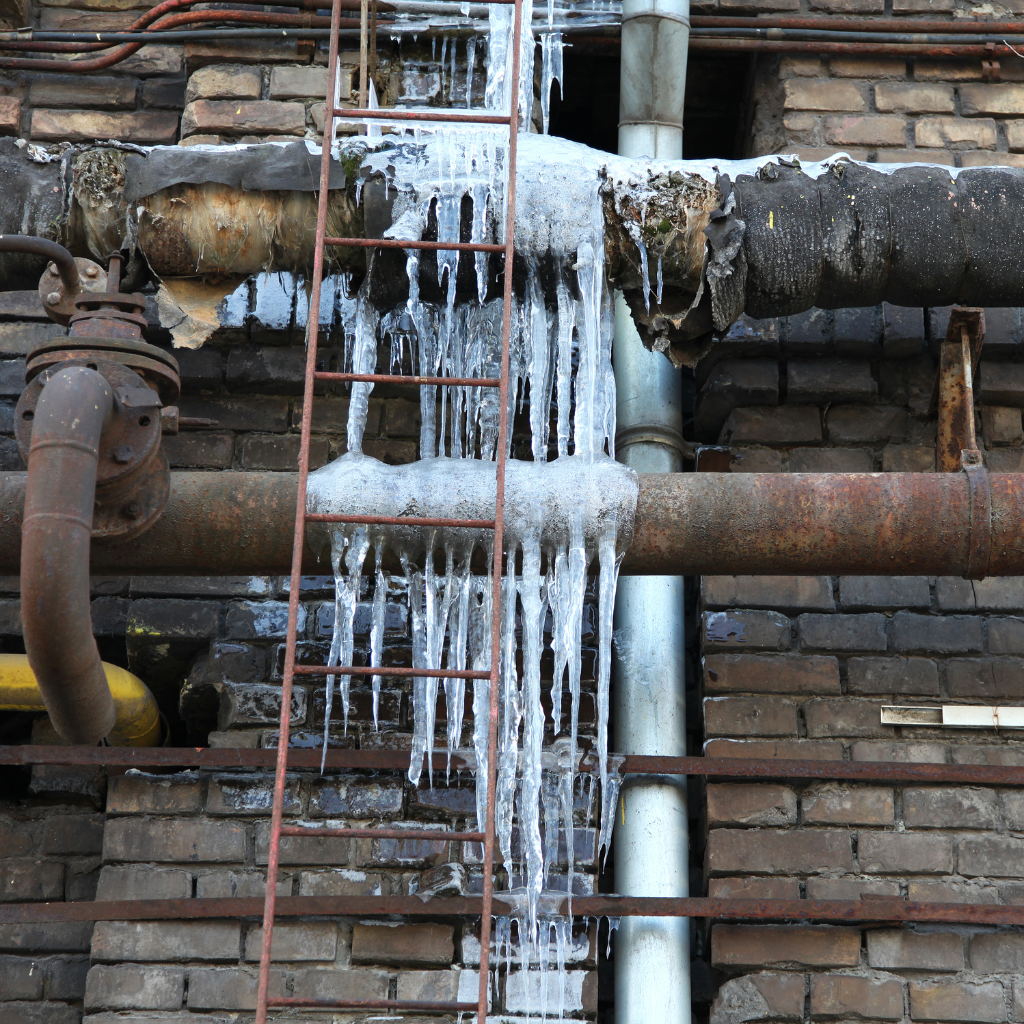
Conclusion
To summarize, while frozen pipes can thaw naturally over several days, especially in subzero conditions, this process is slow and may risk pipe damage. Effective thawing requires strategic intervention using heat sources like heat tape or hair dryers to expedite the process safely. Insulation quality and ambient temperatures greatly impact thawing duration. For best results, it is advisable to apply controlled heat directly, ensuring pipes return to functional status without incurring damage, thereby safeguarding plumbing infrastructure during extreme weather events.