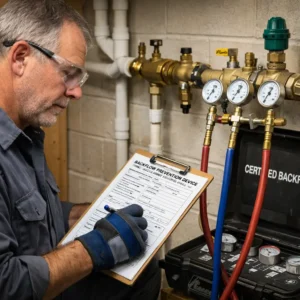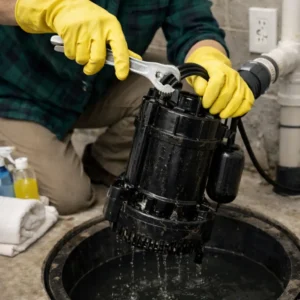
When temperatures drop, the first places to feel the impact are basements, crawl spaces, garages, and outdoor walls—areas where plumbing is often left exposed. These pipes lose heat quickly, making them more vulnerable to freezing and bursting. Knowing how to insulate exposed pipes before winter arrives is one of the most effective ways to avoid costly water damage and prevent a frozen pipe from forming. With the right materials and a little preparation, homeowners can protect their plumbing and keep water flowing safely through the coldest days of the year.
Many US homes have long plumbing runs that pass through unheated areas or toward exterior walls. Without insulation, these pipes can freeze even when the rest of the home stays warm. Older homes, in particular, often lack proper insulation around key plumbing lines. Installing the right protective materials creates a buffer against cold air and helps reduce the risk of cracks or burst pipes during severe winter weather.
Why Insulating Exposed Pipes Matters in Cold Weather
Insulation works by slowing heat loss and keeping water inside the pipes above freezing temperature. This is especially important in winter when sudden cold fronts, overnight temperature drops, or prolonged freezes can push exposed plumbing past its limits. Homes with drafty basements, unheated garages, or outdoor faucets connected to interior lines are at higher risk. Taking preventive steps before temperatures fall helps your plumbing system stay stable and dependable all winter long.
Uninsulated pipes can freeze faster than most homeowners expect. Even a short stretch of exposed pipe is enough to cause trouble if it falls below freezing. Frozen water expands, creating pressure that can crack or split the pipe from the inside. Insulation adds an essential layer of protection, reducing this risk and helping your plumbing last longer through repeated winter cycles.
Choose the Right Insulation for Your Pipes
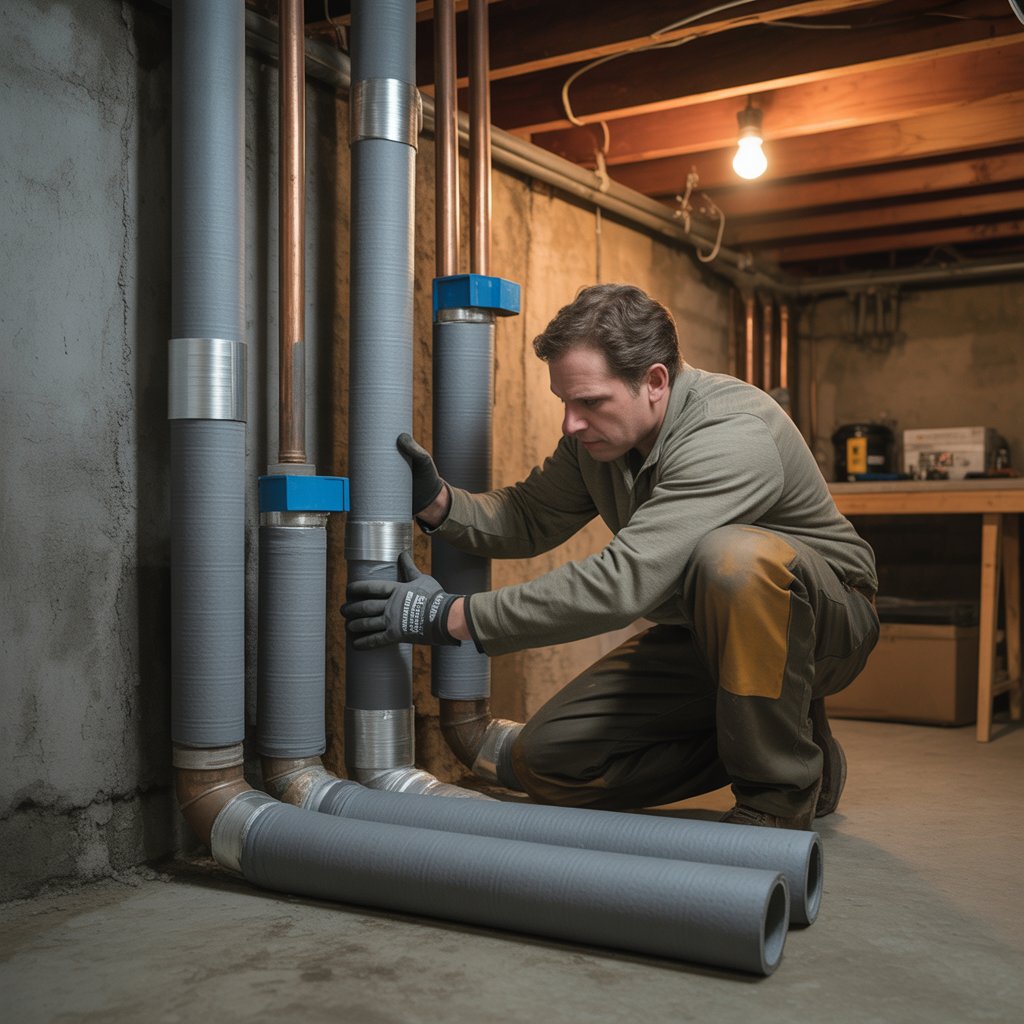
Selecting the right insulation is key to protecting exposed plumbing. Different materials offer different levels of warmth and flexibility.
Common cold-weather pipe insulation options include:
- Foam pipe sleeves for winter protection
- Fiberglass pipe wrap insulation for high-temperature tolerance
- Self-sealing pipe insulation tape for tight or awkward spaces
- Tubular foam pipe insulation for long, straight pipe runs
- Pipe wrap insulation for cold weather for curved or irregular piping
Each of these materials helps retain heat inside PVC, copper, or metal water pipes. Foam sleeves are the most popular choice for residential winter prep because they’re easy to install and provide dependable thermal protection.
How to Insulate Exposed Pipes the Right Way
Insulating exposed pipes starts with identifying areas where heat loss is most likely. Basements, crawl spaces, exterior walls, and garages are common trouble zones in US homes. Pipes in these locations benefit immediately from proper insulation.
Before installing insulation, make sure the pipe is dry and free of dust. Position foam sleeves or wrap materials snugly around the pipe, ensuring there are no gaps where cold air can seep through. Self-sealing tape works well for seams and tight bends. A continuous layer of insulation helps maintain consistent warmth during freezing temperatures.
For outdoor faucets or pipes near exterior walls, thicker insulation or multiple layers may be needed. Fiberglass wrap can also be added when pipes run close to large open areas, such as garage doors or crawl space vents. Whenever possible, combine insulation with draft-blocking to keep cold air from circulating around exposed pipes.
Protect Pipes in Unheated Areas
Many basements and crawl spaces remain significantly cooler than the main living areas of a home. While they provide vital utility access, they also expose plumbing to lower temperatures. Insulating pipes in these areas helps prevent freezing even when winter temperatures fall quickly.
Garages often contain water lines running to outdoor faucets or utility sinks. Insulating these exposed pipes adds essential protection, especially in regions that experience severe cold snaps. Even pipes running along floor joists or low ceilings can freeze if air circulation is poor. Installing insulation before winter gives homeowners confidence that hidden plumbing lines remain safe.
Use Insulation to Prevent Frozen Pipes During Deep Cold
Insulating exposed pipes is one of the most effective ways to prevent freezing, but it’s even more valuable during extreme cold. In harsh winter weather, insulated pipes retain heat longer and slow ice formation. This is especially important for homes with older heating systems or inconsistent indoor temperatures.
While insulation adds an important layer of protection, some homes in severe climates benefit from an added heat source along vulnerable lines. That’s why many homeowners also explore solutions like using heat tape to protect pipes for extra freeze prevention during extreme cold.
Cold-weather pipe insulation materials are designed to stay flexible even when temperatures drop. They create a protective buffer that reduces the strain on plumbing and helps prevent frozen pipes with insulation alone. When combined with steady indoor heat and sealed drafts, insulation greatly reduces the risk of winter plumbing emergencies.
When DIY Insulation Is Not Enough
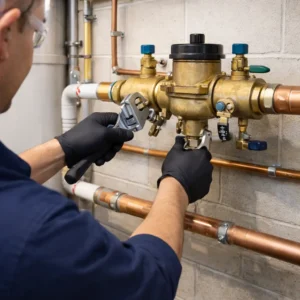
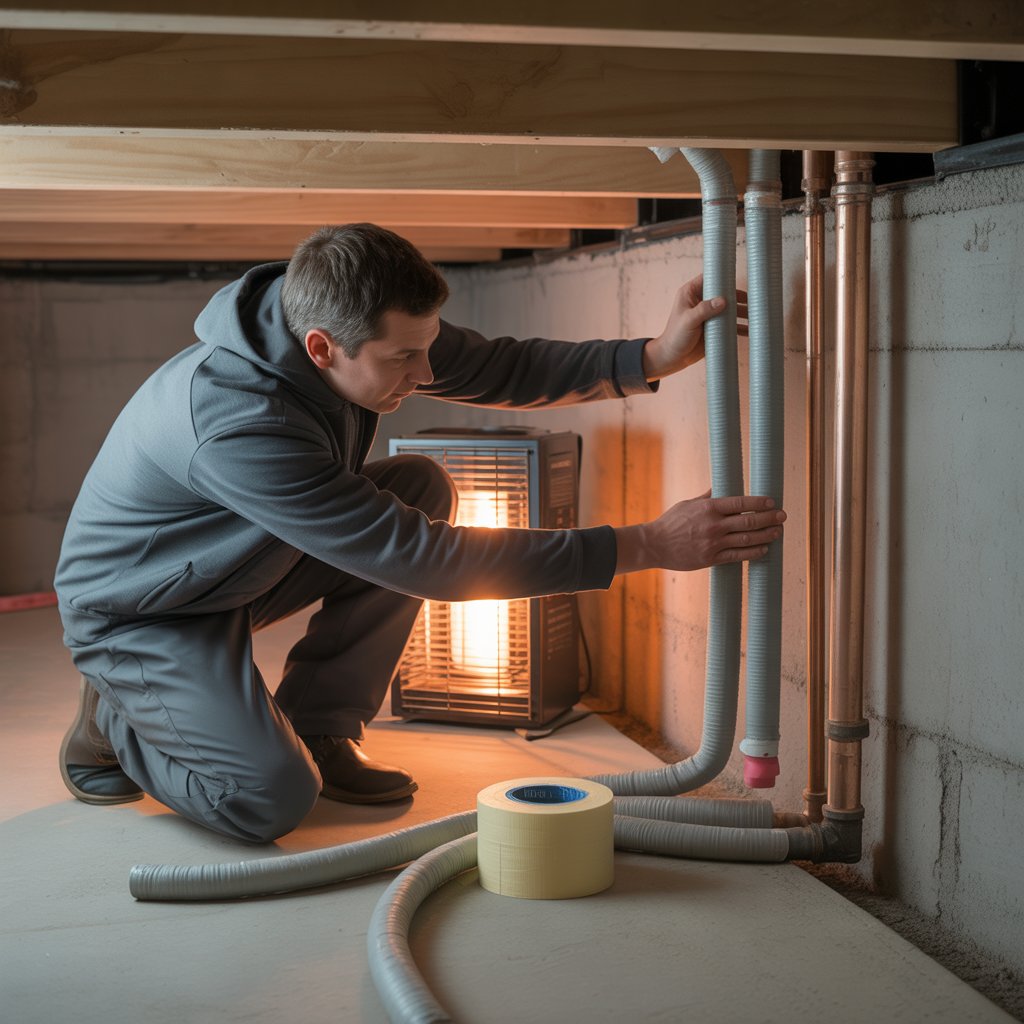
While many homeowners can install foam sleeves or wrap insulation on their own, some situations require professional expertise. Houses with complex plumbing layouts, older systems, or recurring freeze issues may have hidden vulnerabilities that insulation alone cannot address.
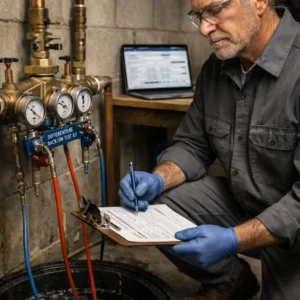
DNA Plumbing and Heating specializes in winter plumbing protection and uses advanced tools to evaluate exposed pipes, identify weak spots, and install reliable insulation where it matters most. Professional support ensures every part of the plumbing system from basements to exterior walls is ready for cold weather.
A Simple Way to Keep Your Plumbing Safe This Winter
Insulating exposed pipes is one of the smartest ways to protect your home from winter-related damage. With the right materials and early preparation, you can significantly prevent frozen pipes and lower the chance of costly burst lines. Taking action before cold weather arrives keeps your plumbing stable when temperatures dip unexpectedly. When you need expert help securing your plumbing system before temperatures fall, DNA Plumbing and Heating provides dependable, professional service designed for US homes and commercial buildings.
Contact DNA Plumbing and Heating today to schedule winter-prep services and keep your plumbing protected all season long.