Freezing winter weather puts a real strain on plumbing systems across the US, especially in older homes or properties with exposed piping. When temperatures drop suddenly, water inside the pipes can freeze and expand, blocking water flow and increasing pressure. Many homeowners try to thaw frozen pipes on their own, but the wrong approach can turn a simple fix into a major plumbing emergency. Understanding what not to do is just as important as knowing what works. By avoiding unsafe thawing methods, you protect your home, reduce the risk of burst pipes, and keep repair costs from spiraling out of control. DNA Plumbing and Heating regularly helps homeowners recover from winter plumbing issues, and our experience shows that a safe approach makes all the difference.
Why the Wrong Thawing Method Can Cost You Thousands
A frozen pipe may seem like a small problem at first, but an incorrect thawing method can damage the pipe, weaken joints, or trigger a full rupture. When a pipe bursts, water can quickly spread behind drywall, into flooring, or across basements—creating expensive structural damage. Many US homeowners also face mold growth after a burst, which adds even more cost and stress. The safest way to avoid this is to understand what methods create risk and stop using them before they lead to serious harm.
Never Use an Open Flame — The Most Dangerous Mistake
One of the most harmful choices is using an open flame to thaw a pipe. Blowtorches, lighters, propane torches, and similar tools can ignite wood framing, insulation, or nearby materials. US homes are built with combustible components, meaning a single mistake can cause a house fire. Open flames also heat pipes too quickly, causing sudden expansion and cracks. Even if the pipe doesn’t burst immediately, the extreme heat weakens it and sets the stage for future leaks. This is one of the biggest safety warnings professionals emphasize.
Don’t Overheat the Pipe — Slow, Controlled Thawing Is Safer
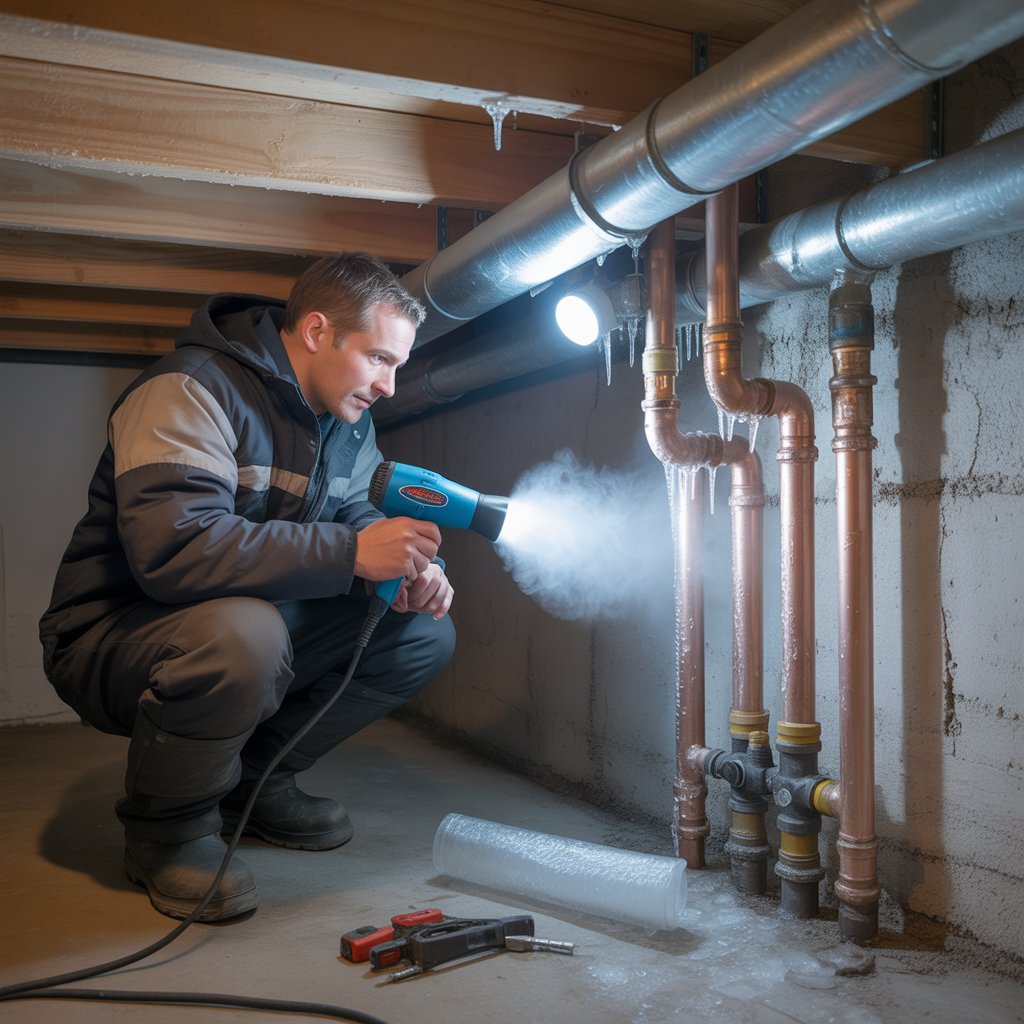
Another common mistake is trying to heat the pipe too quickly. Overheating frozen plumbing can create thermal shock. As the outside of the pipe warms faster than the frozen water inside, pressure builds, causing cracks. Some homeowners only notice the damage after thawing when leaks suddenly appear. Slow, steady warming protects the pipe and reduces the risk of hidden cracks that can worsen when temperatures drop again.
Avoid Unsafe Electrical Devices Around Water
Hair dryers, space heaters, and heat guns may seem harmless, but they pose electrical hazards when used near water. Frozen pipes often occur in basements, crawlspaces, or utility rooms—areas where moisture is common. Using corded devices in these settings can lead to shocks or electrical fires. Many of these tools also lack proper temperature control, making pipes more likely to overheat. Keeping electrical safety in mind is essential when dealing with frozen plumbing.
Don’t Ignore Warning Signs of Pipe Damage
Even after water starts flowing again, the pipe may not be safe. Homeowners often overlook small but critical signs such as bulging sections, frost rings that don’t melt evenly, or unexplained dripping. A pipe that froze once is likely to freeze again if the underlying issue isn’t fixed. Ignoring these warning signs makes future damage more likely and often more severe. Professional inspection ensures that cracks or weak spots are caught early before they turn into major problems.
Never Use Makeshift or Improvised Heating Tools
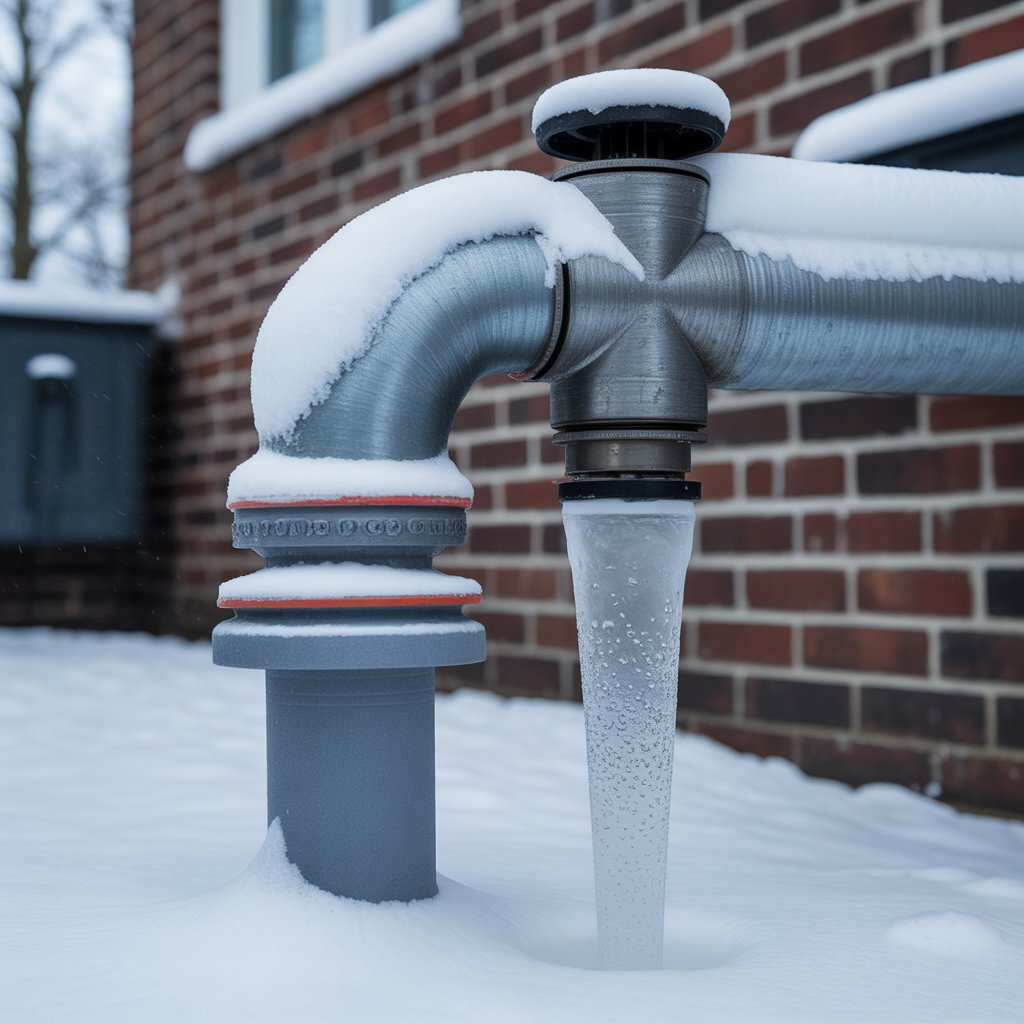
Another risky habit is using improvised heating methods. Heated towels, charcoal grills, kerosene heaters, and even ovens have been used by desperate homeowners but these methods are unpredictable and unsafe. They create uneven temperatures that stress pipes and increase the risk of fire or carbon monoxide exposure. Improvised heating is not only dangerous but also ineffective compared to controlled methods used by trained professionals.
Don’t Delay Calling a Professional When Pipes Are at Risk
If a pipe is deeply frozen, repeatedly freezing, located behind a wall, or showing signs of cracking, expert help is essential. DNA Plumbing and Heating uses safe, controlled pipe-thawing equipment and diagnostic tools to prevent damage while restoring water flow. Professional thawing protects your plumbing, prevents future freeze issues, (link to: How to Prevent Frozen Pipes Before Winter Starts) and helps homeowners avoid costly repairs from bursts or hidden leaks. When winter temperatures drop sharply, early intervention is the best defense.
Conclusion
Thawing a frozen pipe may seem simple, but the wrong approach can lead to costly and dangerous results. Avoiding open flames, unsafe electrical tools, and overheating protects your plumbing and prevents bigger problems once the pipe thaws. Professional thawing keeps your home safe and ensures your plumbing system stays reliable throughout the winter season. For trusted frozen pipe repair or safe thawing assistance, contact DNA Plumbing and Heating today and schedule expert service you can depend on.