Frozen pipes typically burst due to the expansion of water as it turns to ice, exerting immense pressure on the pipe walls. This is a common issue during severe cold snaps when temperatures plummet. Knowing when to call a plumber is essential to avoid costly water damage. If one notices any signs like reduced water flow or frost on exposed pipes, the timing for professional intervention becomes vital. Discover more about prevention and timely actions.
Key Takeaways
- Frozen pipes burst due to ice expansion, increasing pressure on pipe walls and causing ruptures.
- Poor insulation and exposure to cold air heighten the risk of pipes freezing and bursting.
- A sudden halt in water flow or decreased pressure signals frozen pipes and potential bursts.
- Call a plumber immediately if you notice water damage or suspect a burst pipe.
- Professional plumbers can diagnose and repair burst pipes, preventing further complications and damage.
Why Do Frozen Pipes Always Burst in Winter’s Deep Freeze?
During winter’s deep freeze, pipes are prone to freezing and bursting when temperatures fall below 20 degrees Fahrenheit, causing water inside to expand and exert pressure on the pipe walls.
To prevent this, homeowners can insulate pipes, keep thermostats consistent, and allow faucets to drip slightly.
Recognizing signs such as reduced water flow or strange odors can indicate frozen pipes, while a burst pipe may be evident from water damage or puddles.
What Temperature Do Pipes Freeze and Cause Water Pipes to Burst?
Pipes typically freeze and potentially burst when temperatures drop to 20 degrees Fahrenheit or lower, a threshold known as the “temperature alert level” for plumbing systems.
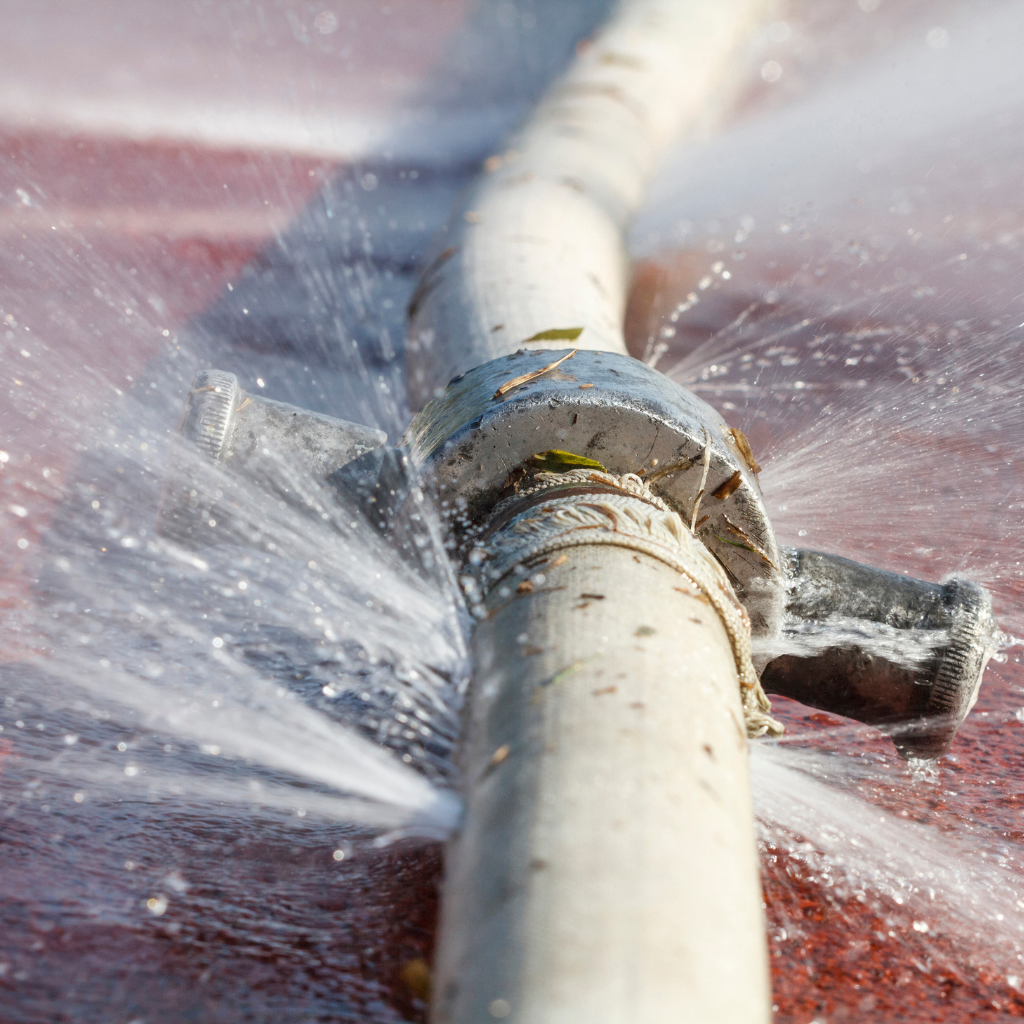
At this point, frozen pipes become a significant risk due to increased water pressure within the pipes. When water freezes, it expands, causing undue stress on water pipes, which can lead to bursts.
Key factors contributing to this phenomenon include:
- Freezing Temperatures: Cold weather causes water to freeze and expand.
- Water Pressure: Ice blockage increases pressure on unfrozen sections.
- Pipe Material and Insulation: Poorly insulated pipes are more susceptible.
When facing these conditions, consulting a plumber is advisable to mitigate damage and address issues before they necessitate costly repairs. A professional can guarantee that proper thawing techniques are applied.
How to Prevent Frozen Pipes and Cold Water Pipes from Freezing?
Understanding the conditions under which pipes freeze and burst is only part of the challenge; implementing prevention strategies is equally important.
To prevent frozen pipes, it is vital to insulate exposed pipes, especially those in unheated areas like basements and attics. Insulation helps protect your pipes by maintaining a stable temperature, reducing the risk of water inside turning to ice.
During the winter months, keep a consistent flow of water through pipes by allowing faucets to drip, which can prevent pipes from freezing. Additionally, sealing cracks and openings near pipes reduces cold air exposure.
For properties unoccupied during extreme cold, it’s advisable to shut off the water supply to minimize damage risk. By taking these steps, homeowners effectively safeguard their plumbing systems.
What Are the Signs of Frozen Pipes and a Pipe That Has Burst Pipe?
- Decreased Water Flow: Reduced water supply from faucets may signal a frozen section restricting flow.
- Frost on Pipes: Visible frost or condensation on exposed plumbing indicates low temperatures affecting the pipe.
- No Water: A complete stop in water flow can suggest a blockage that may lead to a burst pipe.
If these signs of frozen pipes appear, promptly thaw the pipe to avoid a rupture and potential water damage.
Shutting off the main water supply will prevent further damage. Consulting a plumber can offer professional solutions to safeguard your home.
How to Prevent Pipes From Bursting in Freezing Temperatures?
To effectively prevent pipes from bursting in freezing temperatures, it is essential to understand both preventative measures and the mechanics behind freezing-induced ruptures.
Pipes typically burst due to water expanding as it freezes, which creates excessive pressure within the confines of the pipe.
Implementing strategies such as insulating exposed pipes, maintaining a trickle of water flow, and keeping indoor temperatures consistent can mitigate the risk of pressure build-up and subsequent pipe failure.
How Do You Prevent Pipes and Avoid a Frozen Pipe Bursting?
When temperatures plummet, the risk of frozen pipes increases, but implementing a few practical measures can effectively prevent this issue and avoid the costly damage of bursting.
Ensuring pipes are properly insulated is essential. Insulating pipes helps prevent frozen water inside your pipes, thereby reducing the risk of bursting.
Consider these steps:
- Insulate Pipes: Use foam or fiberglass sleeves to insulate pipes in unheated areas to prevent pipes from freezing.
- Seal Gaps: Close gaps around pipes that allow cold air to seep in, causing pipes to contract and potentially freeze.
- Maintain Heat: Keep your home heated, even slightly, to help maintain a temperature where pipes may freeze less readily.
These methods protect your home by reducing the need to thaw your pipes later.
What Causes a Pipe to Burst When the Pipe Freezes Overnight?
Pipes burst when they freeze overnight due to the expansion of water as it solidifies. When water freezes, it expands by approximately 9%, exerting substantial pressure inside the pipe. This pressure can cause a pipe to burst, especially in areas where the frozen pipes are weak or compromised.
The risk is higher in unheated, uninsulated spaces such as basements or attics. Preventing a pipe burst involves insulating vulnerable pipes and maintaining a steady flow of water during freezing temperatures.
Plumbers recommend opening cabinet doors to allow warmer air to circulate through pipes and sealing cracks that permit cold air infiltration. Regular maintenance and monitoring are essential to prevent costly damage and guarantee that pipes do not freeze and burst.
When Should You Call a Plumber for a Burst Pipe Emergency?
In the event of a burst pipe, immediate consultation with a plumber is essential to mitigate potential water damage and guarantee efficient repair. Plumbers possess the expertise to diagnose the extent of the problem, whether pipes are frozen or on the verge of bursting, and implement necessary interventions, especially when the pipes are located in walls or under floors and are difficult to access.
Frozen pipes may crack without warning, and it’s important to understand that frozen pipes do not always burst immediately. However, frozen pipes can cause significant pressure buildup, leading to eventual failure if not addressed in time.
Prompt professional attention not only addresses the current issue but also prevents further complications that could result in extensive and costly repairs.
What If My Pipe Has Burst—Should I Call a Plumber Immediately?
How should one respond if a pipe has burst? Immediate action is essential. A pipe to break or burst can result from frozen pipes, requiring swift attention to minimize damage.
One should consider the following steps:
- Shut off the main water supply: This limits water flow and reduces flooding risks associated with frozen pipes that may burst.
- Call a plumber immediately: Professional help is important in dealing with a burst pipe. A plumber can accurately assess the damage, perform plumbing repairs, and prevent further issues.
- Assess and contain the water: After shutting off the water line, contain any leakage to prevent further property damage.
Prompt action and expert involvement are crucial for efficient repair and mitigation of complications from a burst water line.
How Do Plumbers Help When Pipes Are Frozen or About to Burst?
When facing the threat of frozen pipes or an imminent burst, consulting a plumber is a strategic decision that can save time and resources.
Plumbers are equipped with the expertise to assess and mitigate the risk of frozen pipes effectively. They can identify vulnerable areas where pipe freezes are likely and apply insulation or heat tape to help prevent freezing. Additionally, they can advise on maintaining an appropriate ambient temperature to reduce the likelihood of frozen water.
When a burst is imminent, plumbers can release pressure from the system, preventing pipes from rupturing. Their technical knowledge guarantees that dealing with frozen pipes is handled efficiently, reducing potential damage.
Why Dealing With Burst Pipes Fast Can Prevent Major Water Damage?
- Minimize Structural Damage: Immediate attention to bursts and causes issues prevents water from weakening walls and floors.
- Reduce Repair Costs: Quick intervention limits the scale of repairs needed.
- Lower Flood Risk: Prompt action stops water from infiltrating other areas.
Frozen pipes are at a higher risk of bursting, so it is essential to call a plumber to prevent pipes from bursting and mitigate future risks.
Can You Thaw a Frozen Pipe Before It Bursts and Leaks Water?
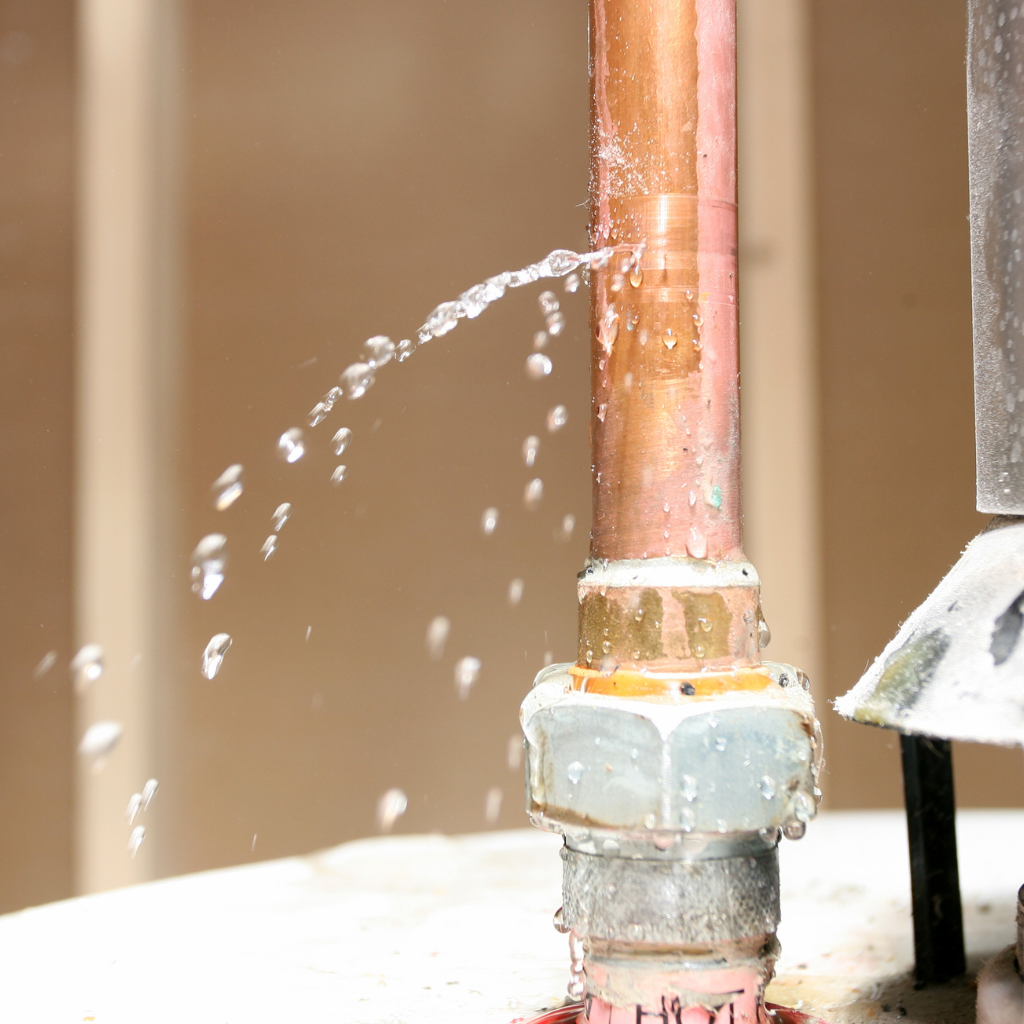
Thawing a frozen pipe before it bursts is essential in preventing water damage and can be achieved through several reliable methods. Acting quickly when pipes freeze is important, especially since frozen water expands, increasing internal pressure and heightening the reasons why pipes burst.
By identifying early signs of freezing, such as frost on the pipe surface or reduced water flow, homeowners can take action to avert potential disasters. This is particularly critical for metal pipes, which conduct cold more quickly and are often at greater risk.
Additionally, allowing cold water to drip slowly from faucets can help maintain flow and reduce the risk of freezing. Since many pipes are made from materials that are vulnerable to temperature fluctuations, staying proactive is the best line of defense.
What’s the Best Way to Thaw a Pipe and Prevent Water Damage?
How effectively can one address the challenge of frozen pipes to prevent water damage? To thaw a pipe safely, it’s essential to act promptly and methodically. Consider these steps:
- Identify the Frozen Area: Locate the section of the pipe where freezing has occurred. This is often an uninsulated area where pipes may burst due to expanding ice.
- Gradual Thawing: Use a hairdryer or heat lamp to warm the frozen area gently. Avoid open flames as they can cause pipes to crack.
- Professional Assistance: If unsure, contact a plumber. They have the tools and expertise to thaw a pipe and prevent water damage safely.
How to Tell If Your Pipes Are Frozen or Already Burst Open?
When temperatures plummet, understanding whether pipes are merely frozen or have already burst is crucial to mitigating potential damage.
Frozen pipes can be identified by a sudden drop in water pressure or complete no water flow, indicating an ice blockage. Conducting a pipe inspection for visible cracks or unusual bulges is important.
If water leaks occur when temperatures rise, it could suggest a burst. Listening for hissing sounds may also provide clues.
To prevent further complications, it is advisable to call a plumber for a thorough inspection and professional advice. Prompt intervention can address frozen pipes before they burst, minimizing water damage.
Recognizing these signs early guarantees timely action, reducing the risk of costly repairs and extensive water damage.
Can Slow-Dripping Cold Water Pipes Prevent a Pipe From Freezing?
Surprisingly, allowing cold water pipes to drip slowly can be an effective measure against freezing, as it helps relieve pressure in the pipes and keeps water moving, reducing the risk of ice formation.
This method can prevent frozen pipes, which are more likely to burst under pressure. A slow-dripping faucet alleviates stress, minimizing the chance of a pipe freezing.
Consider these practical steps:
- Identify Vulnerable Areas: Focus on cold water pipes in unheated spaces, as they’re more likely to freeze.
- Adjust Faucet Flow: Guarantee a steady, slow-drip, especially during extreme cold spells.
- Consult a Plumber: If unsure about pipe conditions or if freezing persists, seek professional guidance to prevent damage.
These precautions could avert costly repairs and water damage.
Why Do Pipes Freeze and How to Prevent Pipes From Bursting?
Pipes freeze when the temperature drops considerably, causing water inside pipes to expand and exert pressure on the pipe walls, potentially leading to sudden bursts. Frozen pipes don’t always show visible signs, but they can cause serious damage if not addressed promptly.
To reduce the risk, there are several steps you can take. Experts recommend insulating pipes, especially those in unheated areas, to prepare your pipes for extreme cold. Maintaining a steady flow of water is also crucial, as stagnant water and low temperatures can lead to frozen sections.
Pipes are much more likely to freeze when they are exposed or inadequately insulated, especially in attics, basements, or exterior walls. Taking preventative action ensures your plumbing system stays intact during freezing weather.
When a Pipe Freezes, What Causes the Pipe to Burst So Suddenly?
The phenomenon of frozen pipes bursting is primarily attributed to the physical properties of water as it shifts from liquid to solid. When water freezes within the pipe, it expands, exerting pressure that causes the pipe to burst.
Three main factors contribute to this:
- Expansion: Water expands by approximately 9% when it freezes, pushing against the walls of the pipe.
- Pressure Build-Up: As ice forms, it blocks the pipe, and any remaining liquid water is forced into a smaller space, increasing pressure.
- Structural Stress: Repeated freezing and thawing cycles weaken the pipe’s material over time.
Frozen pipes are always at risk of bursting under such conditions, making them likely to burst and cause significant damage if not addressed promptly.
What Do Experts Say About Preventing a Burst Pipe at Home?
When temperatures plummet, preventing pipes from freezing and bursting becomes a vital concern for homeowners.
Experts emphasize that understanding what causes frozen pipes to burst is key. As water freezes, it expands, increasing pressure within the pipes and causing them to burst.
To prevent your pipes from freezing, insulating them is essential, particularly those in unheated areas. Let faucets drip to relieve pressure and keep cabinets open to allow warm air circulation.
While frozen pipes will not always burst, the risk is significant. Regular maintenance and monitoring can mitigate freezing in the first place. If unsure about potential risks or existing damage, call a plumber.
Common reasons for pipes bursting include inadequate insulation and sudden temperature drops, which can strain pipes and cause failures.
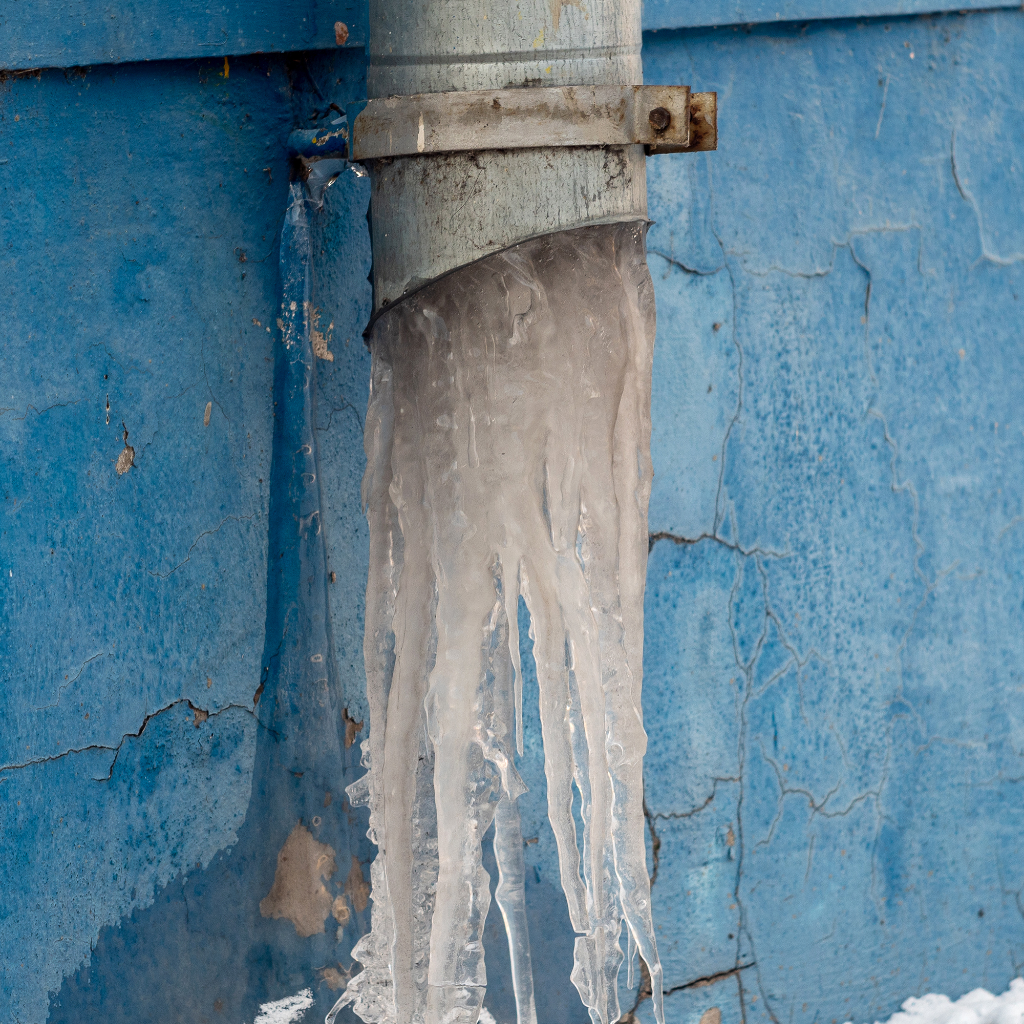
Conclusion
In summary, frozen pipes burst due to water expansion and pressure buildup, making timely intervention essential. Homeowners can mitigate risks by insulating pipes, maintaining a steady temperature, and ensuring proper water flow. If signs of freezing, such as reduced water flow or pipe frost, are observed, contacting a plumber immediately is important. Additionally, carefully thawing pipes with safe methods can prevent damage. Proactive measures and swift responses are necessary to avoid costly repairs and extensive water damage.