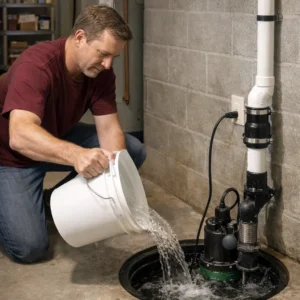
Most homeowners don’t think about their sewer line until something goes wrong slow drains, unexpected backups, or strange odors coming from the yard. When these issues appear, the big question often becomes whether repairing the line is enough or if a full replacement is needed. Knowing the difference between sewer repair vs sewer replacement helps you make a confident decision, especially when considering long-term costs, the age of your home, and the severity of the damage. With shifting soil, older piping materials, and seasonal changes affecting plumbing systems across the US, making the right choice is more important than ever. DNA Plumbing and Heating provides homeowners with clear guidance and reliable service to protect their property and prevent avoidable emergencies.
Understanding the Difference Between Repair and Replacement
Sewer repair focuses on fixing a specific section of the line, while replacement addresses the entire system. Smaller issues like isolated cracks or minor intrusion can often be repaired quickly, but widespread deterioration usually calls for a full upgrade. Many homeowners discover problems during a sewer camera inspection, which gives a clear view of the line’s condition and helps determine the most practical solution.
Signs You May Need More Than a Simple Repair
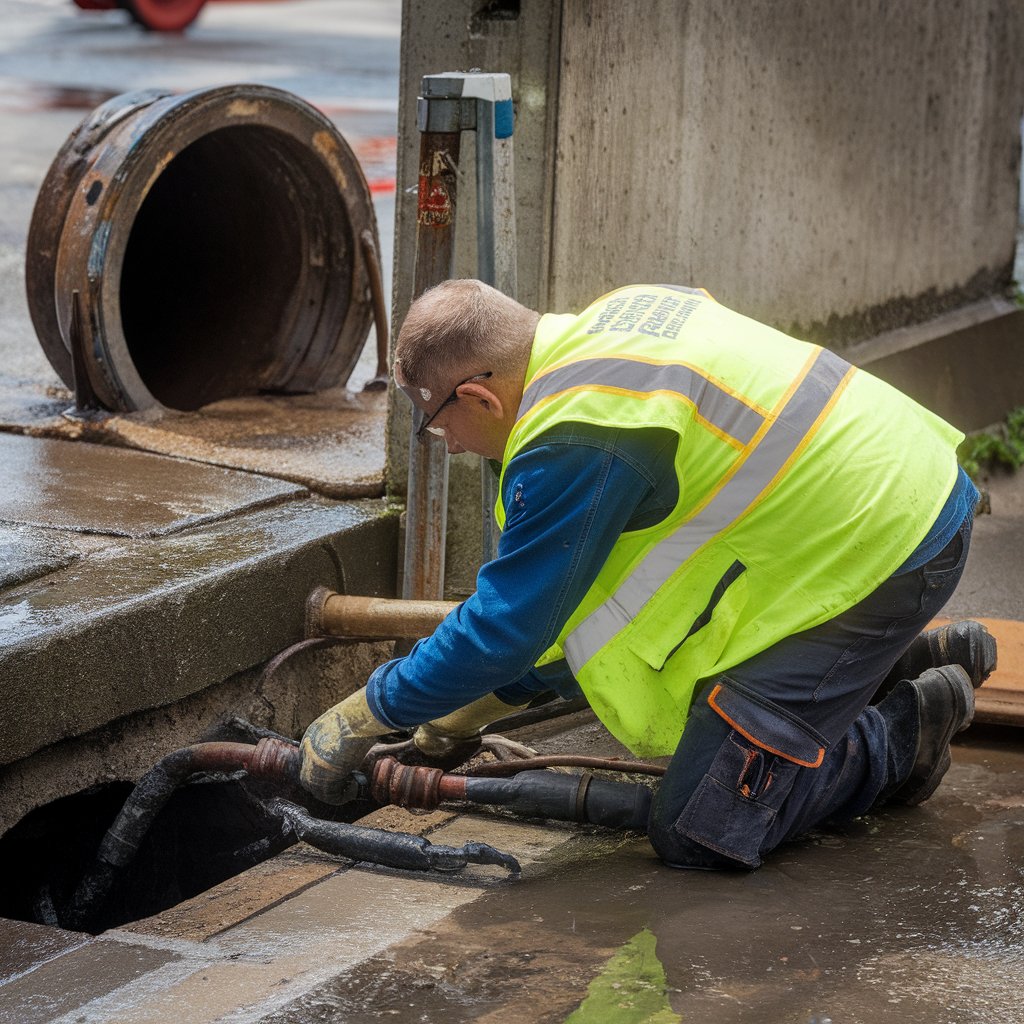
Some sewer problems can be managed with localized fixes, but others indicate deeper issues. You may notice slow drains, gurgling sounds, or patches of extra-green grass above the sewer line. These symptoms often point to larger concerns like tree root damage to sewer lines, internal corrosion, or partial collapse. As pipes age, materials like clay and cast iron begin to weaken, making failure more likely. Understanding these sewer line damage signs early helps prevent major repairs later.
When a Repair Is Still a Good Option
A repair is often enough when damage is limited to a small section. Situations where a repair works well include:
- A minor crack or leak
- Early-stage corrosion
- Small areas of root intrusion
- A single offset joint
- Damage caused by a one-time blockage
Localized solutions, such as patching or sectional lining, can restore proper flow without unnecessary demolition. These localized sewer line repairs help preserve the remaining parts of a sewer system that are still in good condition.
When Replacement Becomes the Better Long-Term Choice
Some issues reach a point where repairs no longer make financial or structural sense. Common reasons homeowners choose full replacement include:
- Frequent backups despite previous repairs
- Multiple cracked or sagging sections
- A corroded or collapsed sewer pipe
- Long-term blockages caused by soil movement
- Pipes exceeding their pipe material lifespan (PVC, cast iron, clay)
A full sewer line repair vs replacement signs assessment helps homeowners understand when ongoing fixes will only lead to higher costs over time.
Cost Factors: Repair vs Replacement
Homeowners often compare the sewer line repair cost vs replacement before making a decision. Repairs usually cost less upfront because only a portion of the line is addressed. However, if the system is aging or severely damaged, replacement becomes the more cost-effective choice over the long term. Soil conditions, accessibility, depth, and the home’s layout are all factors that influence pricing. DNA Plumbing and Heating helps homeowners weigh immediate needs against long-term savings.
Evaluating the Condition of Your Sewer Line
A thorough inspection helps determine whether a repair or replacement is appropriate. Technicians check for cracks, corrosion, buildup, and misaligned joints. During this process, many homeowners also gain a clearer understanding of how ongoing sewer line maintenance can reduce future issues and extend the lifespan of the system. This step often reveals common causes of sewer line failure, such as aging materials, harsh soil conditions, or long-term blockages. Skilled evaluation prevents guesswork and ensures homeowners receive the right solution.
Modern Options for Repairing Damaged Sewer Lines
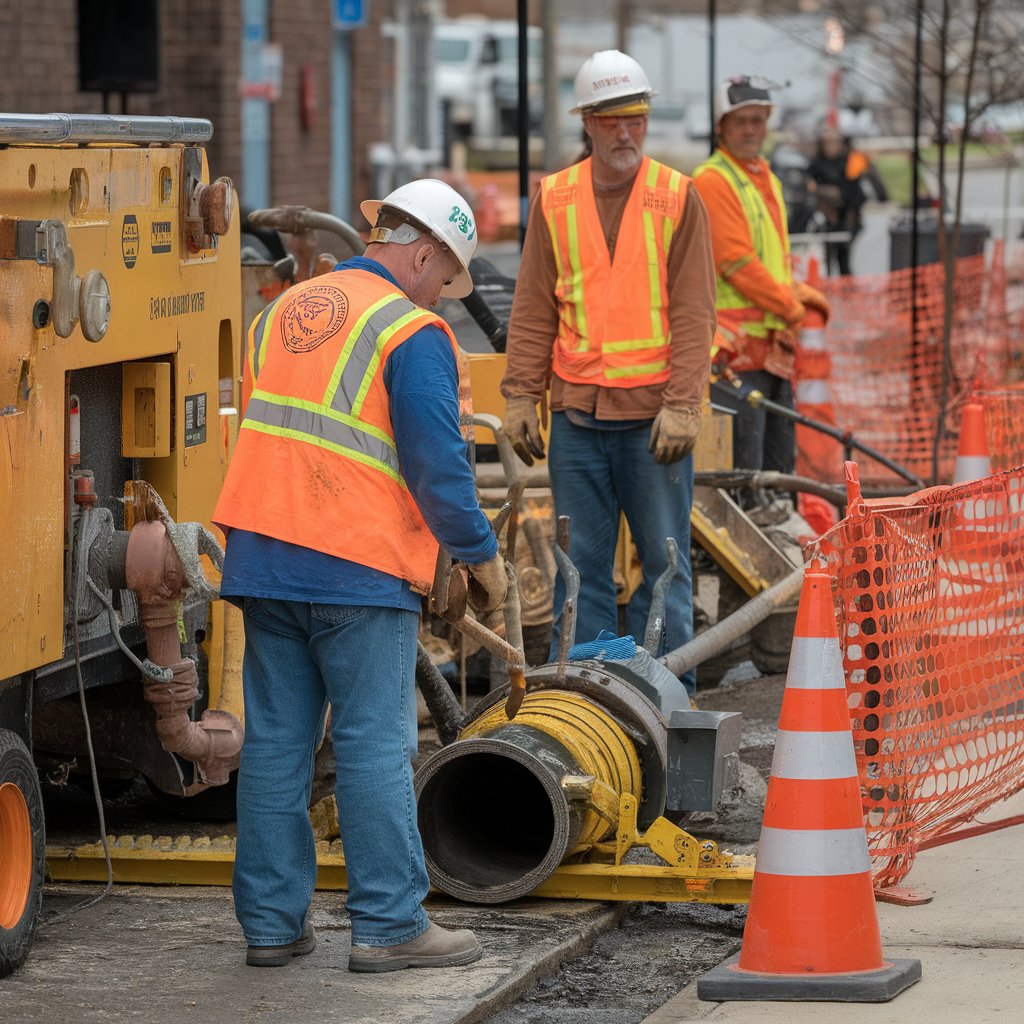
Repair techniques have advanced significantly. Many homeowners benefit from trenchless sewer repair vs excavation, which avoids major digging and preserves landscaping. Methods such as pipe bursting sewer replacement, pull-in-place pipe lining, and cured-in-place pipe lining (CIPP) restore the pipe from the inside. These solutions reduce disruption and offer strong durability, often lasting decades. Trenchless options are especially helpful for homes with patios, driveways, or mature landscaping.
When Traditional Replacement Is the Only Option
Sometimes trenchless methods are not suitable. Severe misalignment, extensive collapse, or heavy soil movement may require a traditional excavation. Though more labor-intensive, it allows technicians to replace the entire system and correct structural issues. This traditional sewer line replacement process ensures the new line functions correctly and meets present-day plumbing standards.
Long-Term Considerations Before Making a Decision
Choosing when to repair vs replace a sewer line involves considering future risk. A repair may fix the immediate issue, but recurring problems could signal deeper deterioration. Addressing long-term concerns also means understanding how to prevent tree roots in sewer line systems, since root growth is a common cause of repeat sewer failures in older neighborhoods. Replacement offers long-term stability, especially for homes with aging infrastructure. Homeowners planning renovations or expansions also benefit from upgrading sewer lines beforehand to avoid disruptions later. For many families, choosing between repair and replacement is about balancing cost, reliability, and peace of mind.
Why Professional Evaluation Matters
Sewer systems are complex, and many problems remain hidden without the right tools. Professional assessment ensures the issue is identified accurately, preventing unnecessary expenses. Skilled technicians understand how soil conditions, weather, and home age influence sewer performance. This expertise allows DNA Plumbing and Heating to recommend long-term sewer system solutions tailored to each property.
Making the Right Choice for Your Sewer System
Deciding between sewer repair and replacement depends on the severity of the damage, the pipe’s age, and long-term cost considerations. Timely action protects your home from flooding, backups, and structural issues that become expensive if ignored. DNA Plumbing and Heating provides dependable guidance and expert service to help homeowners make confident decisions and restore their plumbing with care and precision.
Contact DNA Plumbing and Heating today to schedule trusted support for your sewer line needs.