Introduction
Understanding how a sump pump works can help protect your home from water damage. These systems are designed to remove excess water before it reaches the foundation or interior spaces.
Homeowners often have questions about how sump pumps operate, when they are needed, and how much energy they use. Most systems activate automatically when water rises to a certain level in the sump pit, helping maintain a dry and safe environment.
What Is a Sump Pump?
A sump pump is a drainage device installed in the lowest part of a basement or crawl space. A properly installed system helps control moisture and prevent long-term problems.
Common reasons for installing a sump pump include:
- Preventing basement flooding during heavy storms
- Managing groundwater around the foundation
- Reducing water exposure that can lead to mold growth
- Removing standing water from basements or crawl spaces
The pump activates automatically when rising water triggers the float switch. Once the water level drops, the pump shuts off until the next cycle.
How Does a Sump Pump Work?
Most sump pumps operate using a centrifugal pump design. Inside the pump, a spinning impeller moves water from the sump basin into a discharge pipe that carries water away from the home.
The system operates through several components:
- A float switch that detects rising water levels
- Motor that powers the pump
- Discharge pipe that directs water outside
- Check the valve that prevent water from flowing back into the pit
When water reaches a certain level, the float switch activates the pump. The pump then moves water through the drainage line to a safe location outside the property.
This process helps keep the basement dry and reduces pressure from groundwater around the foundation.
Steps for Using a Sump Pump
Choosing a Drainage Point
Before operating a sump pump, identify a safe drainage location where water can flow without returning to the property. The discharge pipe should direct the water away from the foundation toward a suitable runoff area.
Typical drainage locations include:
- Outdoor stormwater drainage areas
- Gravel drainage zones
- Natural slope areas that carry water away from the home
Proper drainage prevents water from flowing back toward the foundation.
Setting Up the Pump
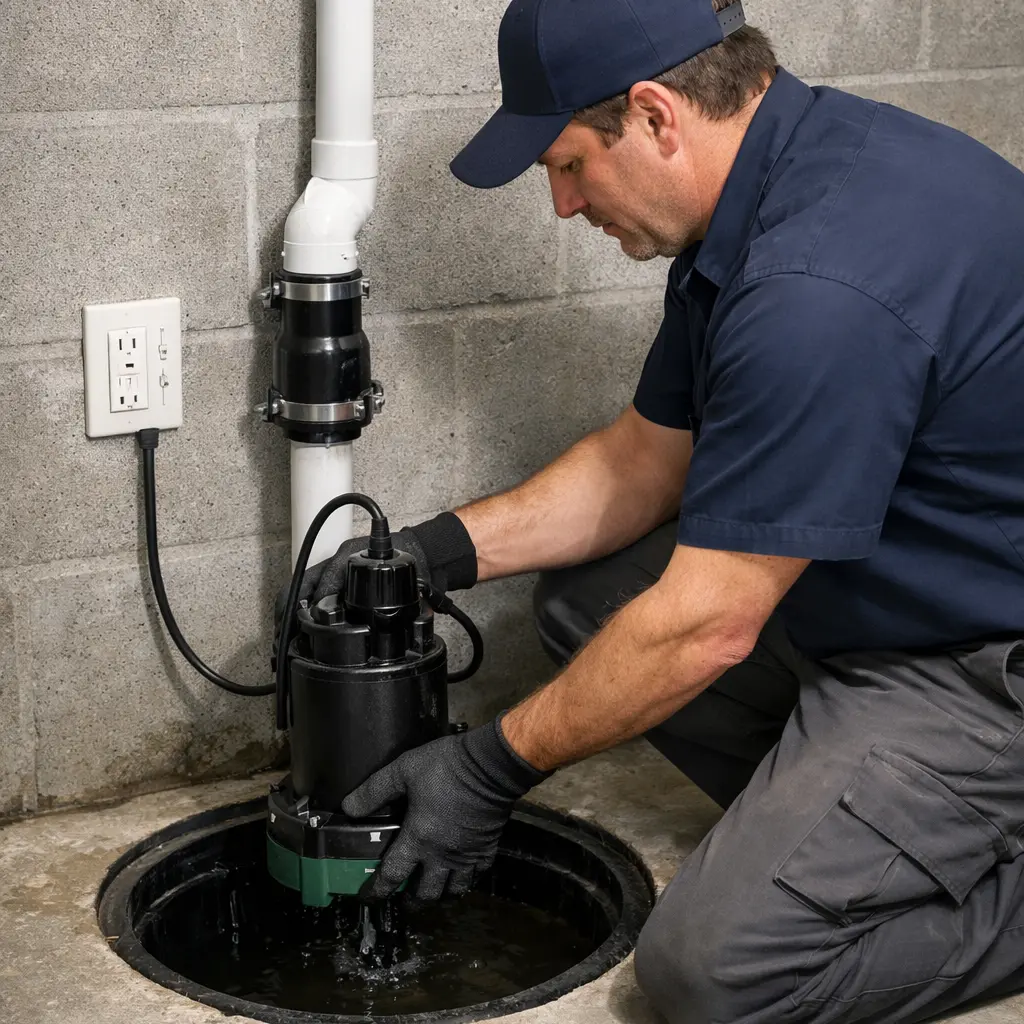
Proper setup ensures safe and reliable operation. When installing a pump, place it inside the sump pit at the lowest point of the basement floor.
Basic setup steps include:
- Connecting the pump to a protected electrical outlet
- Attaching the discharge pipe to the pump outlet
- Making sure the float switch can move freely inside the basin
Once installed, the pump activates automatically whenever water rises to the preset level.
Draining Water
When water collects inside the sump basin, the float switch rises and activates the pump motor. The pump moves water through the discharge pipe and directs it outside the home.
This process removes excess water from the basement and helps prevent flooding or moisture problems.
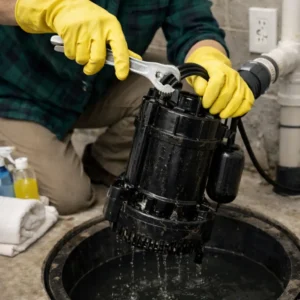
Homeowners should occasionally check the pump to confirm it is working properly and that the drainage pipe remains clear.
Can You Use a Sump Pump Outside?
Some homeowners ask whether I can use a sump pump outside to remove standing water from yards or low areas. In some situations, a sump pump can temporarily move water away from flooded outdoor spaces.
However, the pump must be placed on a stable surface, and the discharge pipe should direct water away from buildings and neighboring properties.
For ongoing outdoor drainage problems, a permanent drainage system may provide a more effective solution.
How Much Electricity Does a Sump Pump Use?
Another common question homeowners ask is do sump pumps use a lot of electricity. Most modern pumps are designed to operate efficiently and only run when water reaches a certain level.
Because the pump cycles on only when necessary, energy use remains relatively low compared to many household appliances.
Keeping the pump clean and properly maintained also helps ensure efficient operation.
Keeping Your Sump Pump in Good Condition
Regular maintenance helps ensure the sump pump continues working effectively. Homeowners should periodically inspect the system to confirm everything operates correctly.
Important maintenance steps include:
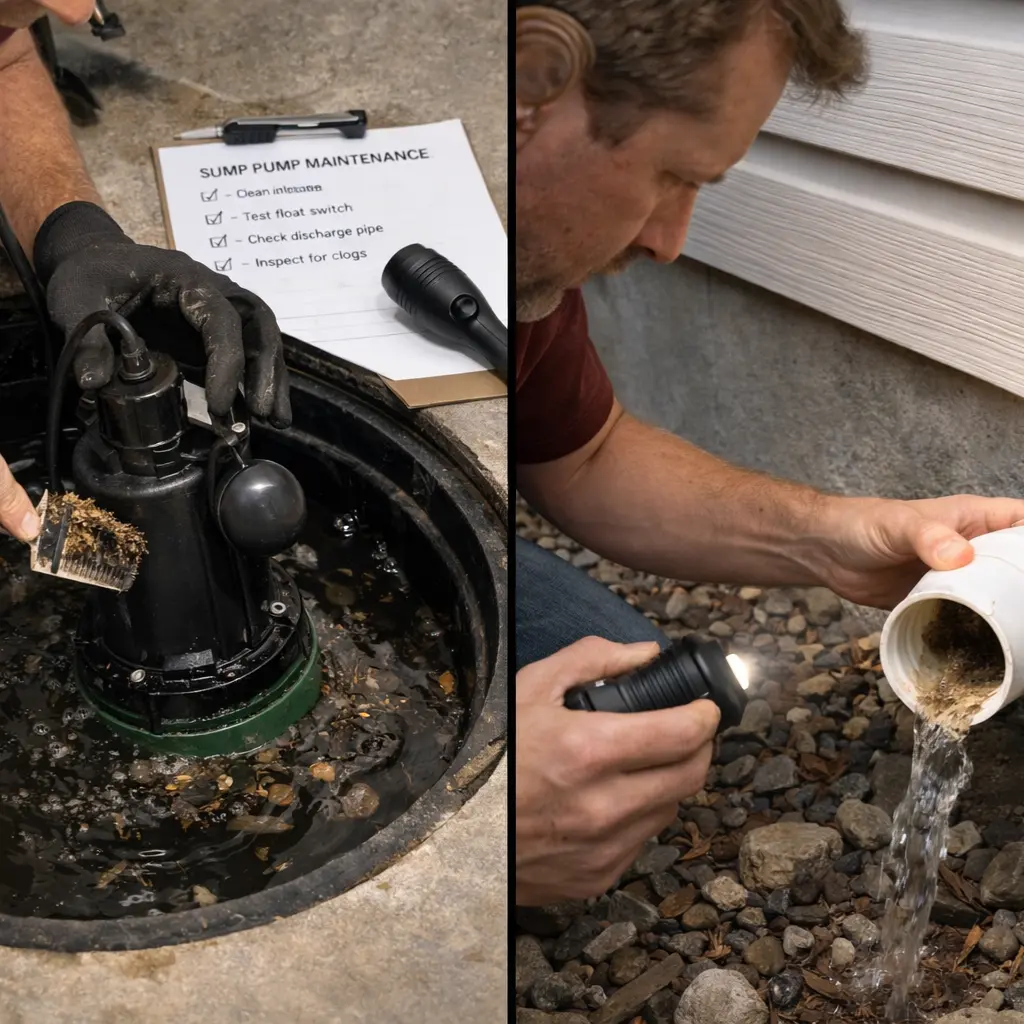
- Checking the discharge pipe for blockages
- Cleaning the intake screen to remove debris
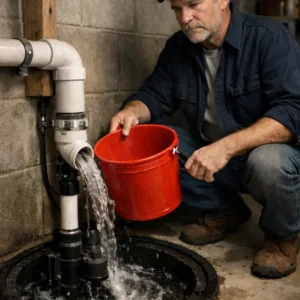
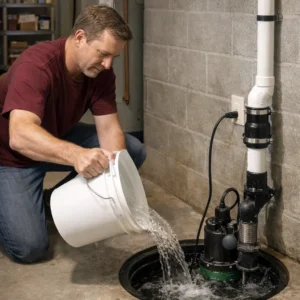
- Testing the float switch by adding water to the basin
- Confirming the electrical connection is secure
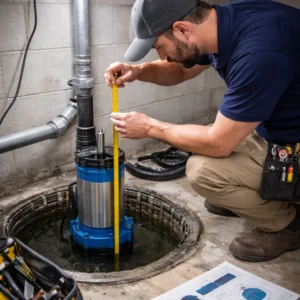
If the pump activates too early or too late, adjusting the sump pump float switch may help improve performance. Proper float positioning ensures the pump turns on at the right water level and prevents unnecessary cycling.
Routine inspection helps identify small problems before they lead to larger plumbing issues.
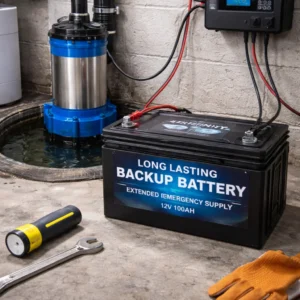
Homes with a battery backup sump pump system should also check the battery condition regularly. A healthy backup battery helps the pump continue removing water during power outages and keeps the basement protected.
Conclusion
Learning how to use a sump pump helps homeowners protect their property from basement flooding and water damage. A properly installed pump removes groundwater and stormwater before it can affect the structure of the home.
Routine maintenance and proper drainage setup help ensure the system operates reliably. If you need help installing or maintaining a sump pump, the experienced team at DNA Plumbing and Heating can assess your drainage system and provide practical solutions to keep your home dry and protected.