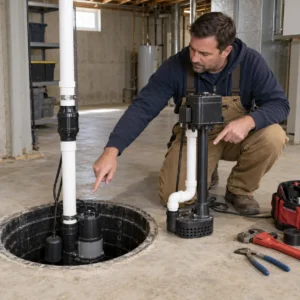
If you have ever stood near your basement during a storm and noticed your sump pump cycling on and off every few minutes, you are not alone. It is one of the most common questions homeowners ask, and the answer depends on more factors than most people realize. How often should a sump pump run during heavy rain comes down to your local water table, soil drainage, the size of your sump basin, and how intense the storm actually is. If you are unsure whether your pump is working the way it should or starting to show signs that something is off, reaching out for a sump pump repair and inspection service early can save you from a much bigger problem down the road. This guide breaks down what normal looks like, what is not, and how to tell the difference.
Key Takeaways
- During heavy rain, a sump pump running every one to three minutes is generally considered normal
- A pump that runs nonstop for hours without a break is a sign the system may be struggling or undersized
- High water table conditions and saturated soil are the most common reasons a pump cycles more frequently than usual
- Once rain stops, a pump should slow down significantly within a few hours and stop within 24 hours in most cases
- Continuous operation for days after a storm points to a drainage issue, pump problem, or groundwater pressure that needs professional attention
What Is a Normal Sump Pump Cycle During Rain
During a moderate to heavy rainstorm, it is completely normal for a sump pump to run frequently. Depending on how fast water is entering the sump basin, a pump can cycle anywhere from every few minutes to nearly continuous operation during the peak of a storm. The normal sump pump cycle during rain is not a fixed interval but rather a response to how quickly groundwater and surface runoff are pushing into the pit.
The sump pump activation water level plays a direct role in how often the unit cycles. As the float rises with the water in the basin, it triggers the pump to turn on. If water is entering the pit faster than the pump can discharge it, the float stays elevated and the pump keeps running. Homes built on high water table lots or in areas with clay-heavy soil tend to see more frequent cycling because water has nowhere else to go, and a pump that kicks on every one to three minutes during a heavy storm is usually doing exactly what it was designed to do.
Normal vs. Abnormal Sump Pump Run Times at a Glance
Situation | Normal Run Behavior | Cause for Concern |
During active heavy rain | Cycling every 1 to 3 minutes | Running nonstop with no break |
During light or moderate rain | Every 5 to 10 minutes or less | Running as frequently as heavy rain |
Right after rain stops | Slowing down gradually | Continuing at the same pace for hours |
12 to 24 hours after storm | Occasional cycles or fully stopped | Still running constantly |
Several days after storm | Fully stopped in most cases | Running for days with no reduction |
One detail worth paying attention to is where the sump pump discharge during rain is directed. If the discharge line terminates too close to the foundation, water can find its way back into the soil surrounding the pit, effectively recycling the same water and keeping the pump running longer than it needs to. A properly routed discharge line directing water at least ten feet from the house reduces unnecessary cycling and takes real pressure off the system.
How Long Should a Sump Pump Run After Heavy Rain
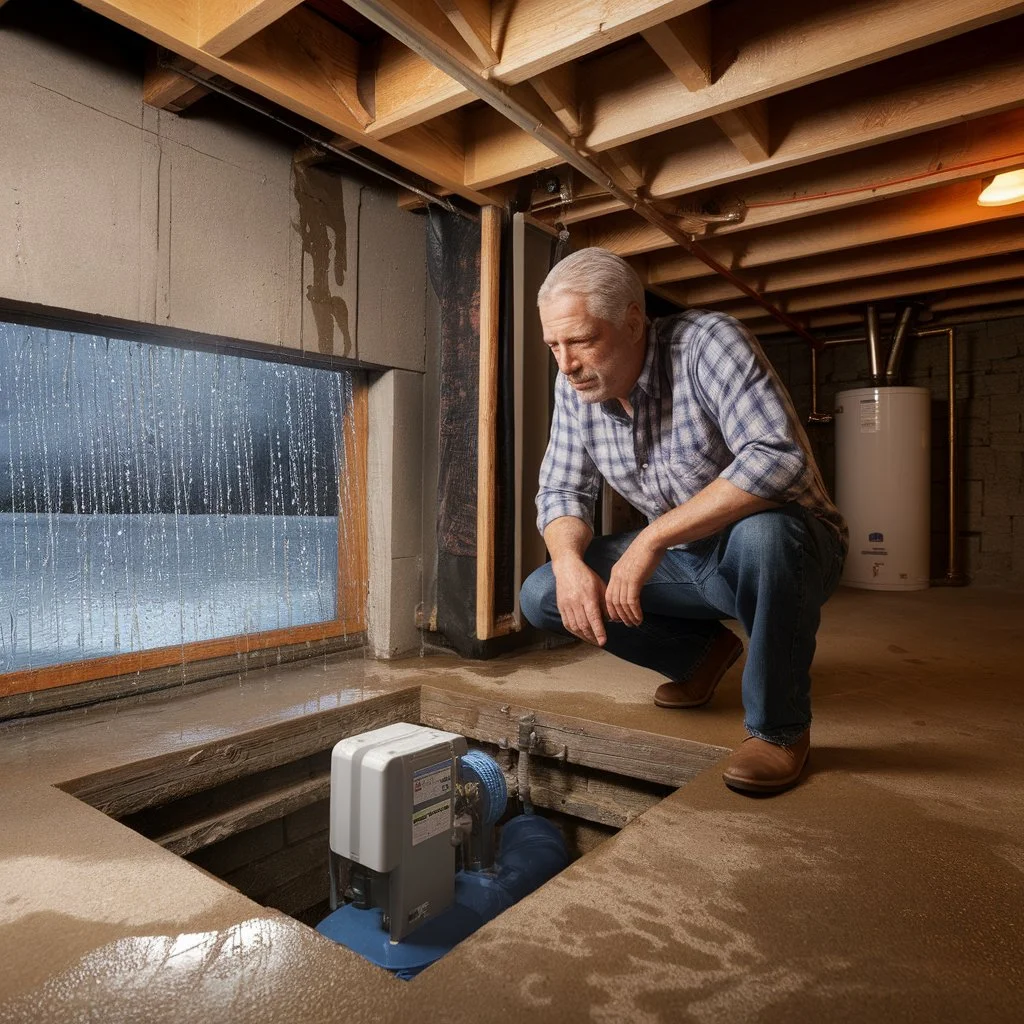
Once the rain stops, your pump should begin cycling less frequently as the water entering the basin slows down. How long a sump pump runs after heavy rain depends on how saturated the ground is around your foundation. In most homes, the pump should taper off within a few hours and stop entirely within 12 to 24 hours after the storm passes.
In areas where back-to-back storms have left the soil fully saturated, it can take a bit longer for things to normalize, and that is not automatically a problem. What raises concern is a sump pump running for days after a storm at the same pace it ran during the storm itself, because that suggests the ground around your foundation is not draining properly or water is entering the pit from a source beyond normal groundwater pressure.
When to Worry About Sump Pump Operation
Understanding sump pump run time during storms helps you recognize when something has shifted from normal to problematic. There is an important difference between a hardworking pump and an overworked one. A sump pump running too often even during light rain or dry spells is one of the clearest signals that something beyond typical groundwater activity is at play.
Signs Your Pump May Be Running Too Often
- The pump cycles every 30 seconds or less even during light rain
- You can hear the motor running almost constantly without any pause between cycles
- The pump kicks on immediately after shutting off with barely a gap in between
- Water in the pit never seems to drop to a normal resting level despite the pump running
Signs Something More Serious Is Wrong
- The pump runs continuously for 24 hours or more after rain has stopped
- The motor feels hot to the touch or sounds strained during operation
- You notice water in the basement even though the pump is actively running
- The pump runs at full pace several days after the storm with no noticeable slowdown
A sump pump running constantly during rain at an unusually fast pace may also indicate the unit is undersized for the volume of water your property deals with during heavy storms, which is a capacity issue a professional can assess and correct.
Why Heavy Rain Puts Extra Pressure on Your Sump Pump
Heavy rain sump pump performance is directly tied to what is happening underground. When storms are intense, the soil around your foundation becomes saturated quickly and the water has to go somewhere. That pressure pushes water toward the lowest point, which in most homes is the sump basin. Foundation water buildup after storms is one of the most consistent sources of strain on residential sump pumps, especially in older homes where drainage systems have deteriorated or where the original pump was sized for conditions that no longer reflect the property. Staying current with sump pump maintenance for basements is one of the most effective ways to make sure your system holds up when that pressure is at its peak.
Aging infrastructure around the foundation, including cracked drain tiles and deteriorated waterproofing, can allow water to enter the pit from multiple directions at once. When that happens, the pump ends up compensating for issues well beyond normal groundwater, and that extra strain accumulates over time in ways that often go unnoticed until a failure occurs.
Is It Normal for a Sump Pump to Run Continuously
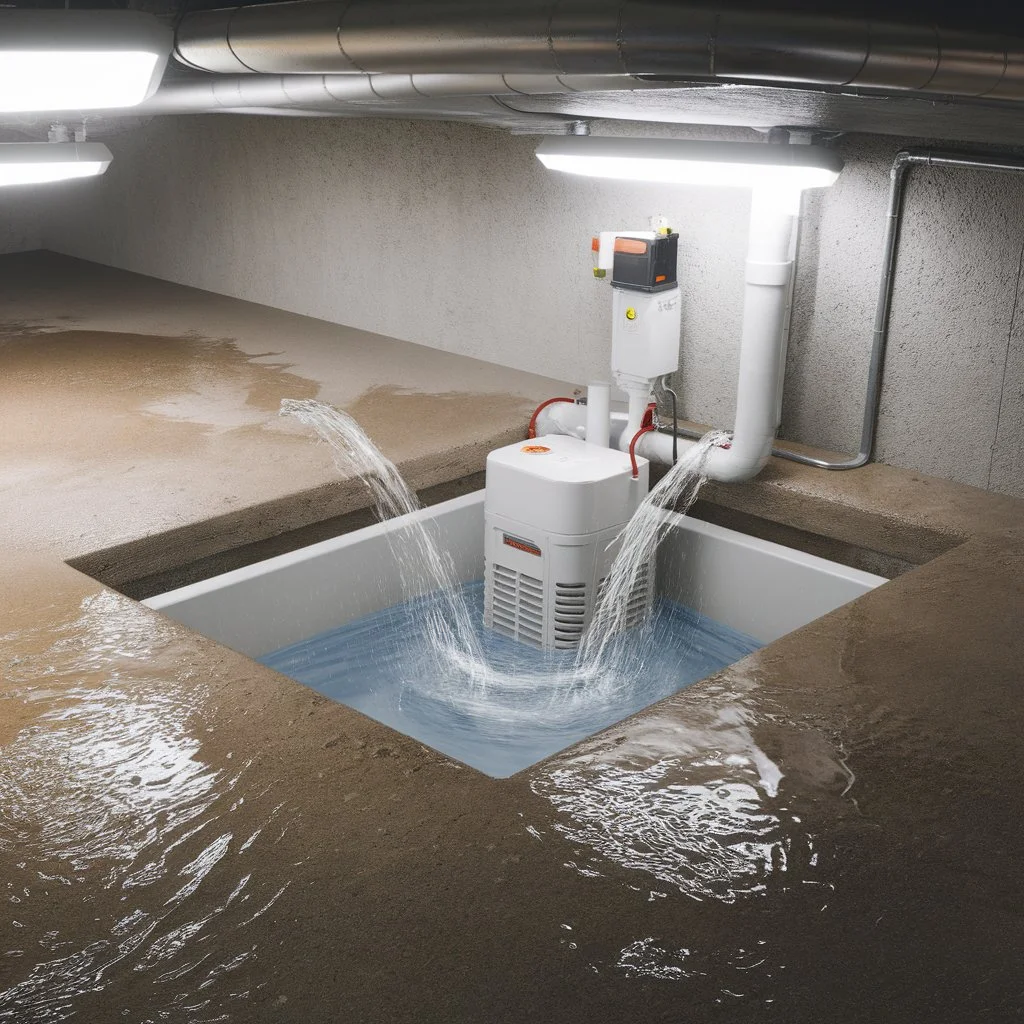
Running continuously during the absolute peak of a severe storm is not unheard of, but it should not go on that way for extended periods without a break. If the answer to “is it normal for a sump pump to run continuously” in your situation is yes on a regular basis, your system needs a closer look. Continuous operation generates heat, strains the motor, and dramatically shortens the lifespan of the pump. A unit that runs nonstop without cycling down is either overwhelmed, has a stuck float switch, or is managing water that should not be entering the pit in the first place. And if the power cuts out mid-storm while this is happening, knowing what to do with your sump pump during a power outage becomes just as important as understanding why it was running continuously in the first place.
Get Expert Help Before a Small Warning Becomes a Flooded Basement
A basement that stays dry through a major storm is the result of a sump pump that has been properly maintained, correctly sized, and given the attention it needs before problems develop. Whether your pump is cycling more than usual, running long after the rain has stopped, or showing signs of strain during routine storms, those early signals are worth taking seriously.
At DNA Plumbing and Heating, we assess sump pump run frequency, check for drainage issues around your foundation, and make sure your system is properly sized and functioning for the conditions your home actually faces. Contact DNA Plumbing and Heating today to schedule a professional evaluation and make sure your basement stays protected through every storm.