Introduction
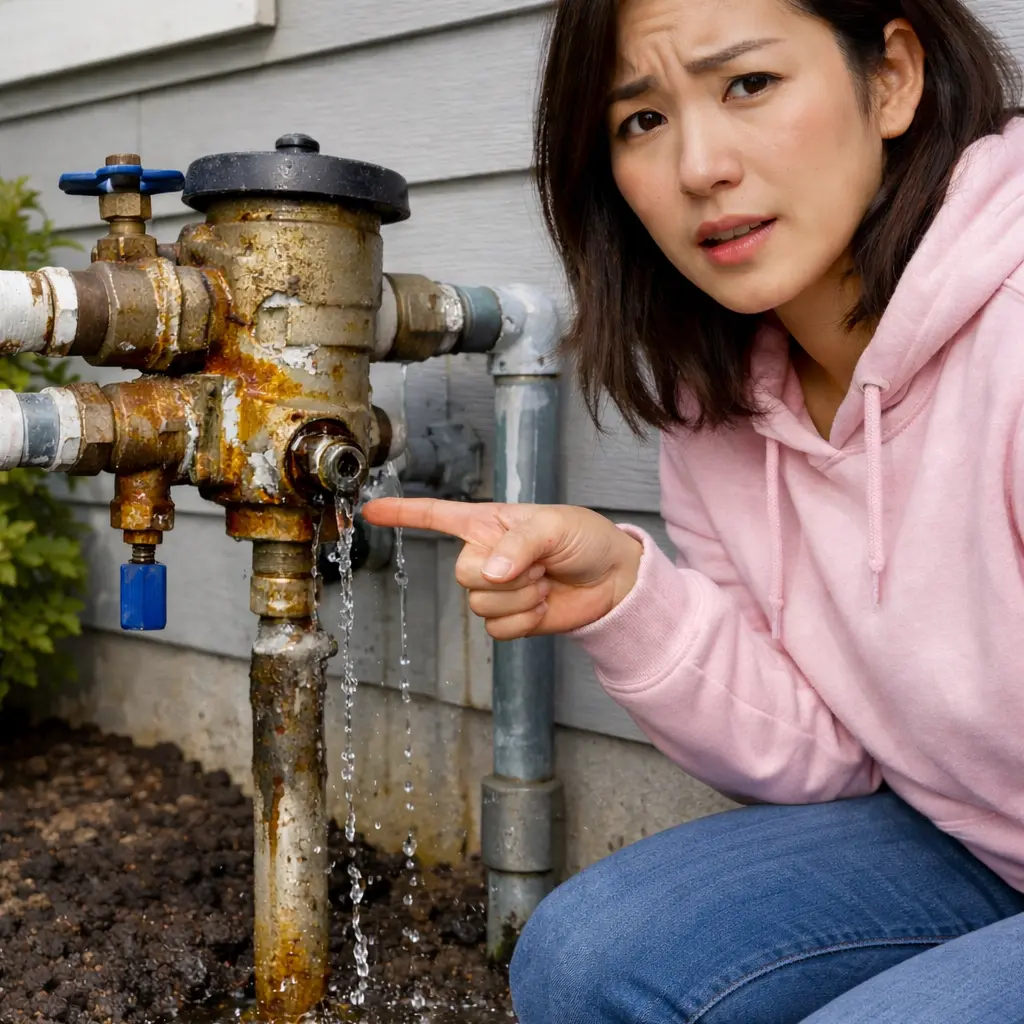
A leaking valve can be a warning sign that something is wrong with your home’s water protection system. This device prevents contaminated water from flowing backward into the clean drinking water supply. Many homeowners wonder why my backflow preventer is leaking or what causes the problem in the first place.
Understanding the reason behind the leak helps determine whether the issue requires simple maintenance or professional repair. If you notice a backflow preventer leaking, it’s important to schedule professional backflow testing to protect your home’s water supply and ensure the device is functioning properly. In this guide, DNA Plumbing and Heating explains how these devices work, why leaks happen, and what steps homeowners can take to mention the problem safely.
What Is a Backflow Preventer and Why It May Leak
A backflow preventer is installed in a residential plumbing system to ensure water moves in only one direction. It protects the potable water supply from contamination caused by reverse flow when pressure changes occur.
These devices are commonly installed in:
- Lawn irrigation systems
- Sprinkler systems
- Domestic water lines
- Municipal water supply connections
When a valve begins leaking, the cause is often related to internal wear, debris buildup, or unstable water pressure.
Each device contains valve parts such as seals and chambers that regulate water flow and pressure
Signs of a Backflow Preventer Problem
Several warning signs may indicate a malfunction.
Common symptoms include:
- Water dripping from the valve assembly
- Continuous discharge from the relief opening
- Spraying water around the device
- Rust or mineral deposits on metal components
- Sudden pressure changes in the water supply
- Hissing sounds near the valve
- Wet soil around irrigation equipment
- Reduced sprinkler performance
These issues often signal pressure imbalance or mechanical wear. Ignoring them could increase the risk of cross-contamination in the water supply.
Why Is My Backflow Preventer Leaking?
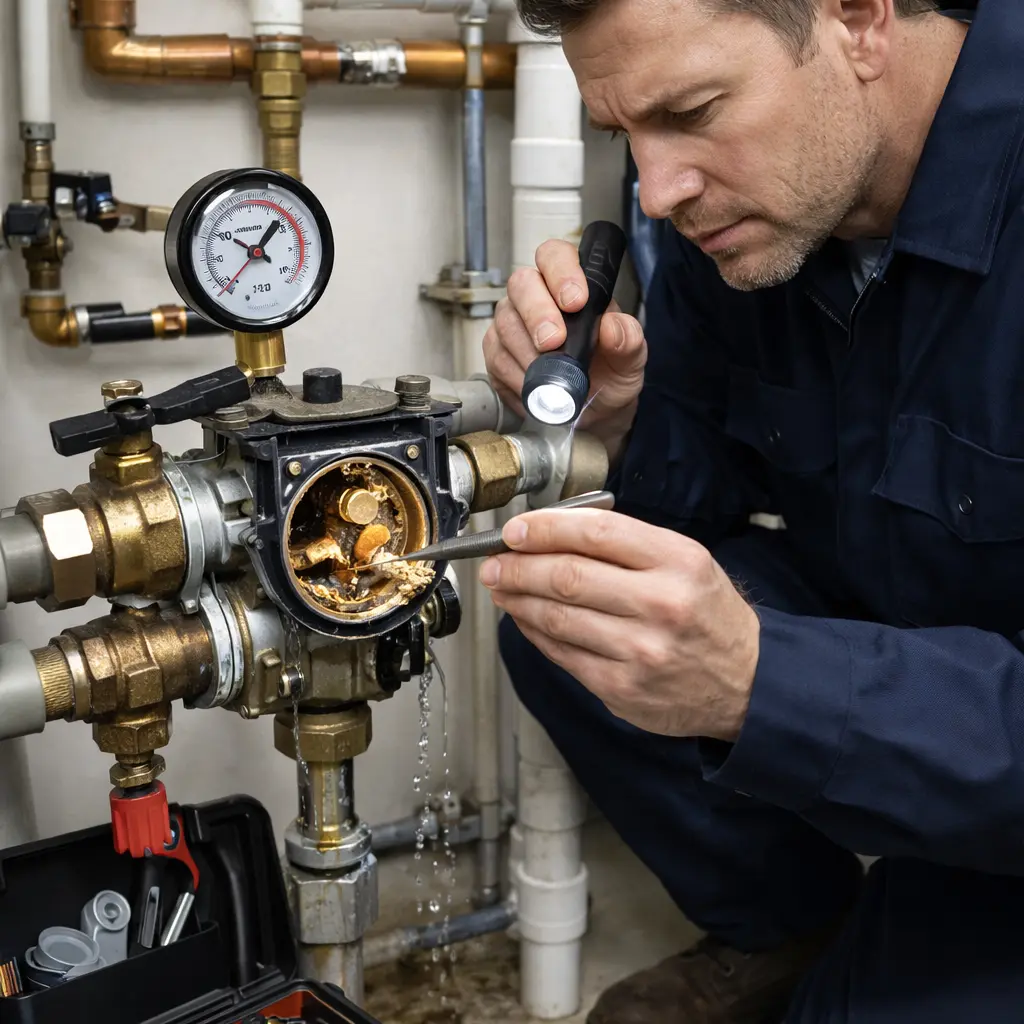
If you are asking what causes a backflow preventer to leak, several mechanical and environmental factors may be responsible.
Debris Inside the Valve
Small particles such as dirt, sand, or mineral buildup can interfere with internal mechanisms. When debris prevents valves from sealing correctly, water may escape through the relief opening.
Worn Internal Components
Over time, seals and springs inside the device can deteriorate. Common issues include:
- Damaged seals
- Worn internal valves
- Corrosion inside the assembly
- Cracked components
These conditions often require backflow preventer repair or replacement of internal parts.
Freezing Damage
Outdoor plumbing devices can be damaged during winter. When water freezes inside the housing, expansion may crack the structure or damage internal seals. This is one reason leaks often appear during early spring.
Improper Installation
Incorrect installation can lead to continuous leaks. Problems may include:
- Improper valve orientation
- Loose plumbing connections
- Incorrect system configuration
- Incompatible components
A professional plumber may need to inspect the installation to correct the issue.
How to Troubleshoot a Leaking Backflow Preventer
Identifying the cause of a leaking backflow preventer requires a careful and methodical approach. While some basic checks can help you understand what might be wrong, it is important to remember that many backflow devices are connected to the municipal water supply and may legally require inspection or repair by a certified professional. Attempting complex repairs without proper knowledge can lead to further damage or compromise water safety.
Below are key steps homeowners can take to assess the situation before seeking professional assistance:
Inspect the Relief Valve
The relief valve is designed to release water when internal pressure exceeds safe levels. If you notice continuous or excessive discharge from this valve, it may indicate an underlying issue such as debris lodged inside the valve or worn internal seals. Occasional discharge can be normal, but persistent leaking should not be ignored, as it often signals that the device is not regulating pressure correctly.
Check for Loose Connections
Leaks can sometimes occur at pipe joints or fittings rather than within the device itself. Carefully inspect all visible connections around the backflow preventer for signs of dripping or moisture. If a loose joint is identified, gently tightening it may resolve the issue. However, avoid over-tightening, as this can damage threads or fittings and lead to more serious leaks.
Evaluate Water Pressure
Fluctuating or excessive water pressure is a common cause of backflow preventer leaks. When pressure levels become unstable, the device may release water to prevent damage or reverse flow. Checking your home’s water pressure and ensuring it falls within recommended limits can help maintain proper function. In some cases, installing or adjusting a pressure regulator may be necessary to stabilise the system.
Flush the System
Debris such as dirt, sand, or mineral buildup can interfere with the internal components of a backflow preventer. Flushing your irrigation or plumbing system may help clear out these particles and restore normal operation. This step is particularly useful if the leak started after recent plumbing work or changes in the water supply.
Determine If Replacement Is Necessary
In some situations, repair may not be sufficient, and replacement becomes the most practical solution. Signs that indicate the need for a new unit include visible cracks in the valve body, severe corrosion on metal parts, failure of internal components, or leaks that persist even after attempted repairs. An ageing or heavily worn device may no longer maintain proper pressure control or prevent reverse flow effectively.
If replacement is required, a qualified plumber can recommend and install a suitable backflow preventer that meets current safety standards and local regulations. Taking timely action ensures that your water supply remains protected and reduces the risk of contamination.
Why Professional Backflow Testing Matters
Backflow devices protect drinking water quality, which is why many states require routine inspection.
Certified technicians perform backflow testing to verify that the device is functioning properly. Testing usually includes:
- Pressure testing of internal valves
- Inspection of seals and chambers
- Verification of cross connection protection
- Compliance documentation for local regulations
Proper testing ensures your backflow preventer is functioning correctly and prevents potentially hazardous backflow water contamination from entering the supply.
Conclusion
A device leak can indicate pressure problems, internal wear, or debris affecting the valve assembly. Because these devices protect the home’s drinking water supply, addressing leaks promptly is essential.
If you notice dripping, unusual pressure changes, or other warning signs, inspecting the system is an important first step. When repairs or testing are necessary, DNA Plumbing and Heating can help ensure the device operates properly and continues protecting your home’s water supply.