Introduction
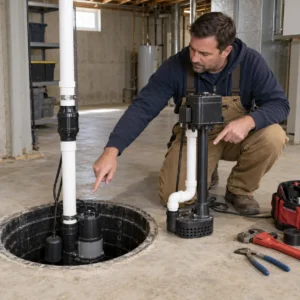
Most homeowners pay attention to the sump pump itself but overlook the importance of the sump pit connected to it. The size of the pit directly affects how the entire system responds to groundwater, storm runoff, and moisture buildup around the foundation. If the sump pit is too small, the pump may activate too frequently and struggle during periods of increased water flow. If the pit is too large, water may remain inside the basin longer than necessary, leading to delayed pump response and additional maintenance concerns.
The right sump pit size helps improve sump pump efficiency, regulate water movement, and support reliable basement flood prevention. Correct pit sizing combined with quality sump pump installation can also reduce strain on the system and improve long term drainage performance. When sump pit dimensions do not match the drainage demands of the property, the system may experience short cycling, slow water removal, or increased stress on internal components. Understanding how sump pit size affects pump performance can help homeowners reduce the risk of basement water intrusion and avoid unnecessary repair costs.
Why Sump Pit Size Matters More Than Many Homeowners Realize
A sump pit acts as the collection point where groundwater gathers before the sump pump removes it from the property. The dimensions of the pit determine how much water the system can hold, how quickly the pump activates, and how efficiently water is discharged away from the home.
Many sump pump problems begin because the sump basin size does not properly match the amount of water entering the foundation drainage system. Some homes experience steady groundwater seepage throughout the year, while others deal with sudden inflow during severe storms. A pit that works well under normal conditions may become overwhelmed once seasonal water levels rise.
The correct sump pit size helps maintain stable pump operation without placing unnecessary strain on the motor, float switch, or discharge system. It also helps balance water removal capacity with the actual drainage demands affecting the property.
What Happens When the Sump Pit Is Too Small
Frequent Pump Cycling Creates Excessive Wear
An undersized sump pit can cause the basin to fill too quickly, forcing the sump pump to cycle repeatedly during periods of heavy groundwater flow. This short cycling places continuous strain on the motor, float switch, and electrical components while reducing recovery time between pump activations.
Homeowners may notice the pump turning on every few minutes during storms, even when the basement still appears relatively dry. Over time, repeated cycling can increase energy use, create louder operation, and contribute to premature component wear or overheating problems.
Water Levels Can Rise Faster Than the Pump Responds
An undersized sump pit may not provide enough storage capacity during periods of rapid groundwater movement. During heavy storms, rapid snow melt, or overloaded drainage tile conditions, large amounts of groundwater can enter the sump basin within a short period.
When water enters faster than the pump can manage it, the sump pit water level may rise dangerously close to the basement floor. In difficult situations, homeowners may notice standing water near walls, damp flooring, or moisture buildup around stored belongings.
This issue becomes more common in homes with older foundation drainage systems or properties located in areas with high water table pressure.
Increased Motor Strain Reduces Pump Reliability
Repeated short cycles generate additional heat inside the sump pump motor and place stress on bearings, seals, and electrical components. Small pits reduce the amount of recovery time between pump cycles, placing extra strain on internal components.
Over time, repeated strain may lead to sump pump motor wear, reduced discharge performance, or complete system failure during severe weather events. If the pump already sounds louder than usual or appears to run constantly during moderate rainfall, it may be worth contacting DNA Plumbing and Heating to inspect the sump pit dimensions and overall drainage setup.
Problems Caused by an Oversized Sump Pit
Delayed Pump Activation Can Allow Moisture Problems to Develop
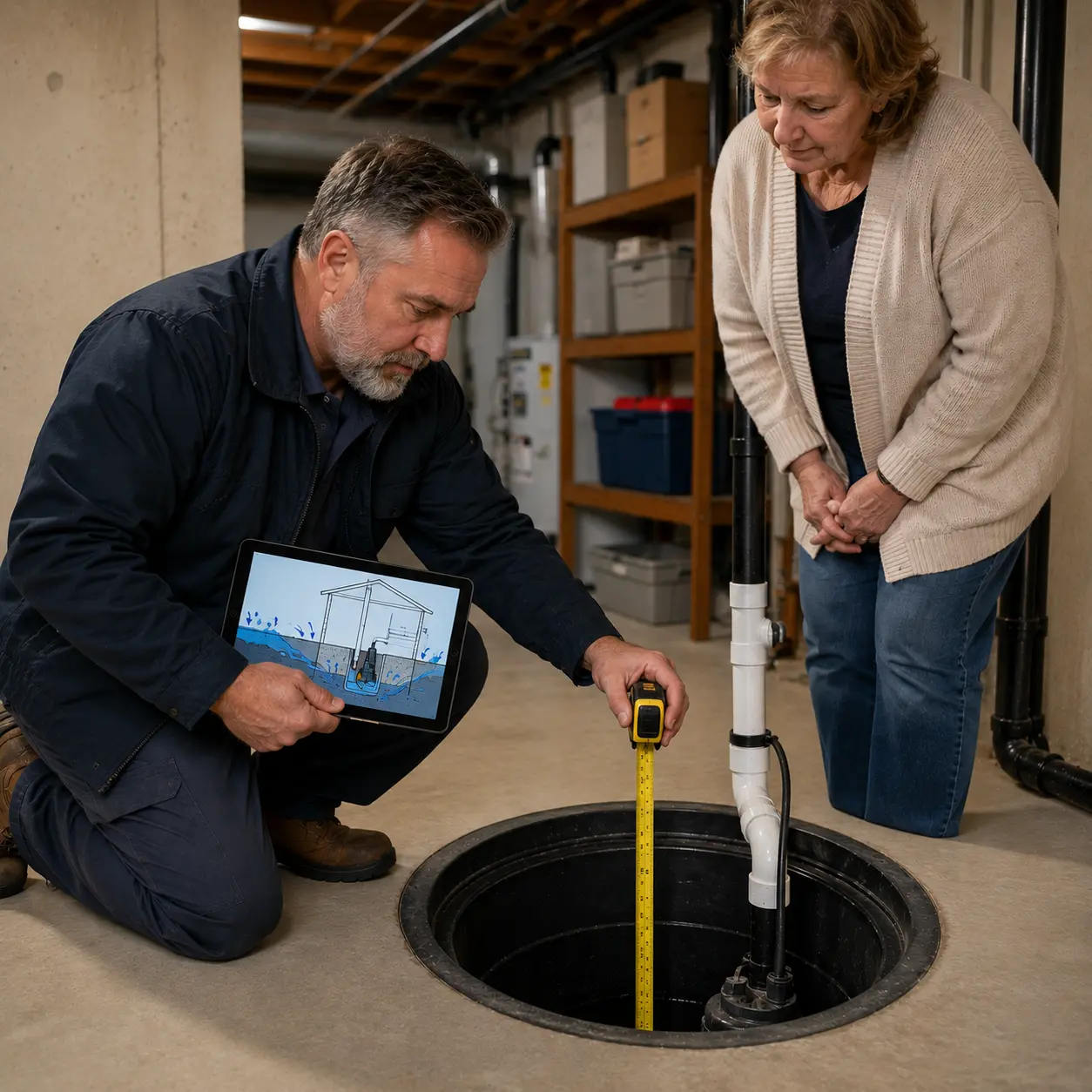
While many homeowners worry about pits that are too small, oversized sump pits can create problems as well. A pit that is excessively deep or wide may allow water to sit for longer periods before reaching the float switch activation level.
Delayed activation can increase basement humidity and allow moisture to collect around the foundation before water removal begins. The issue is not simply about how much water the pit can hold. It is about how efficiently the system responds once water begins entering the basin.
Oversized Systems Can Create Uneven Pump Operation
An excessively large pit combined with a powerful pump may create uneven cycling patterns. The pump may remain inactive for long periods and then suddenly remove large amounts of water at once.
This inconsistent operation can place stress on the discharge line and reduce overall drainage efficiency during severe storms. In some situations, the pump may activate aggressively enough to create vibration, loud operation, or unnecessary wear on the system.
The pump should match the basin’s peak inflow volume and discharge demand.
How Groundwater Conditions Affect Sump Pit Size
Homes With High Water Tables Need Different Drainage Capacity
Properties located in areas with high groundwater pressure often experience continuous moisture movement around the foundation. In these homes, water may enter the sump basin gradually throughout the day even when there has been little recent rainfall.
A properly sized sump pit allows the system to handle steady groundwater collection without forcing constant pump activation. Deeper sump pit depth may improve system balance by allowing more water storage before the pump cycle begins.
Homes near rivers, low-lying terrain, or areas with dense clay soil often require larger sump basin capacity to manage long-term water inflow.
Why Sump Pump Capacity and Pit Size Must Work Together
A sump pump cannot perform efficiently if the pit dimensions do not support the amount of water entering the system. The relationship between sump pit size and sump pump capacity directly affects how well the basement drainage system responds under pressure.
Some homeowners assume a stronger pump automatically solves every drainage issue. In reality, oversized pumps installed in shallow pits may create severe short cycling problems.
At the same time, a properly sized pit paired with an undersized pump may still struggle during heavy rainfall because the water removal capacity remains too low.
The goal is to create balance between water inflow, pit storage, discharge distance, and pump performance. This helps the system operate efficiently without unnecessary wear.
Important Factors That Influence Proper Sump Pit Sizing
Sump Pit Depth and Diameter
Sump pit depth and sump pit diameter affect how much water the basin can hold before activation occurs. Deeper pits generally reduce excessive cycling because they allow additional storage capacity between pump cycles.
Wider pits may improve water collection during periods of rapid inflow. However, dimensions should still match the actual drainage conditions affecting the property rather than relying on oversized installations.
Vertical Lift and Discharge Distance
Sump pump performance depends heavily on how far water must travel after leaving the pit. Vertical lift refers to the height the pump must push water before it exits the property.
Long discharge lines and elevated drainage points increase resistance inside the system. If the pump capacity does not match the required discharge height, water removal performance may decline significantly during heavy storms.
Soil Conditions Around the Foundation
Different soil types absorb and move water differently. Sandy soil tends to drain more quickly, while clay-heavy soil often retains moisture for longer periods.
Homes surrounded by compacted soil may experience slower drainage around the foundation. In these situations, sump pit sizing should account for longer periods of groundwater accumulation.
Signs the Current Sump Pit May Not Be Sized Correctly
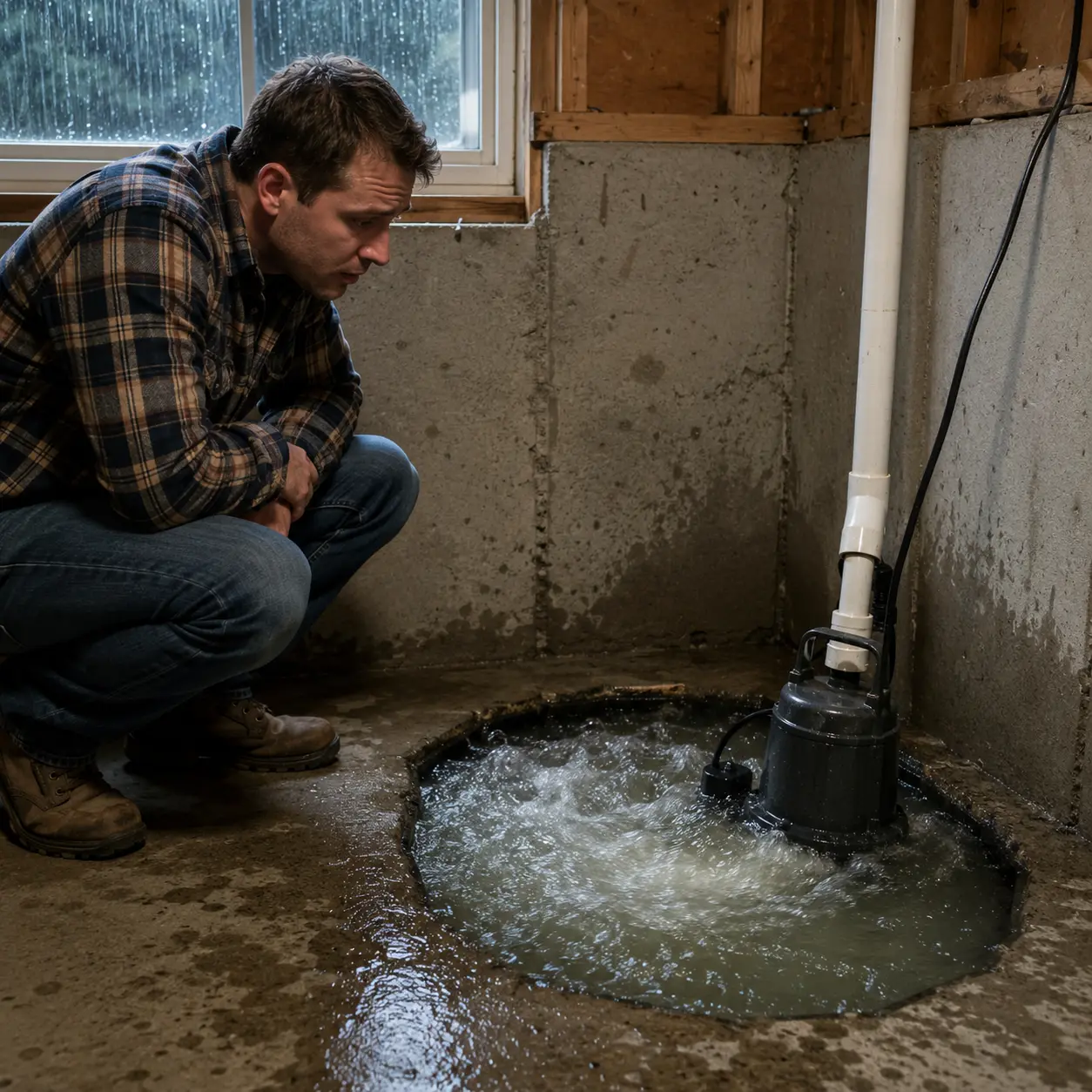
Homeowners should pay attention to warning signs that suggest improper sump basin size or poor drainage performance. Problems often develop gradually before becoming serious basement flooding issues.
Common signs include frequent pump activation during moderate rain, water rising rapidly inside the basin, unusual pump noises, damp basement conditions, or delayed discharge performance.
Some homeowners also notice increased humidity levels or musty odors even though the sump pump appears operational. These issues may indicate an imbalance between sump pit capacity and actual water inflow patterns.
If these warning signs continue, professional evaluation may help prevent larger foundation drainage problems later.
Why Professional Evaluation Matters
Every property experiences different drainage conditions based on foundation age, grading, soil composition, and seasonal weather patterns. Because of this, there is no universal sump pit size that works for every home.
A professional inspection helps identify how water enters the property, how quickly the sump basin fills, and whether the current discharge setup supports efficient operation. Proper evaluation also considers float switch settings, discharge line condition, water table pressure, and sump pump operation under peak demand.
DNA Plumbing and Heating can evaluate whether the current sump pit dimensions properly support the drainage conditions affecting the home. Addressing sizing issues early may help reduce pump strain, improve water removal efficiency, and lower the risk of future basement water intrusion.
Preventive Maintenance Helps Extend System Performance
Even properly sized sump pits require regular maintenance to remain effective. Dirt, gravel, and sediment can slowly accumulate inside the basin and interfere with pump operation.
Homeowners should periodically inspect the sump pit liner, float switch movement, discharge pipe condition, and check valve performance. Testing the system before storm season may help identify problems before severe weather arrives.
Battery backup sump pump systems should also be inspected regularly, especially in regions where storms frequently cause power outages. Backup systems provide additional protection during periods of heavy rainfall when primary pumps face the greatest workload.
Keeping the sump basin clean and monitoring water movement patterns can help improve long-term sump pump efficiency and reduce emergency repair situations.
Conclusion
Sump pit size directly affects how efficiently a sump pump system manages incoming groundwater during storms. A pit that is too small may increase cycling frequency and place additional strain on the pump, while oversized pits may create maintenance concerns and delayed activation issues. DNA Plumbing and Heating can inspect sump pit sizing, evaluate drainage conditions, and recommend sump pit modifications or sump pump upgrades that support more reliable basement water control.