Introduction
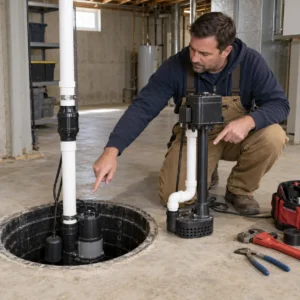
Adding a second sump pump may become necessary when a basement begins showing signs of excess moisture, frequent pump cycling, or water buildup after heavy rainfall. While a single unit can handle normal groundwater conditions, increased water pressure around the foundation can place added strain on the system over time.
Early warning signs such as damp basement walls, unusual noises, or rising water inside the sump pit should not be ignored. In these situations, timely sump pump installation services can help improve water removal and reduce the risk of future basement flooding.
What a Second Sump Pump Does
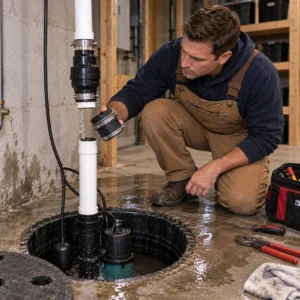
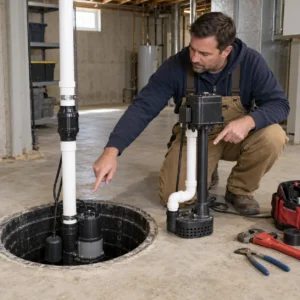
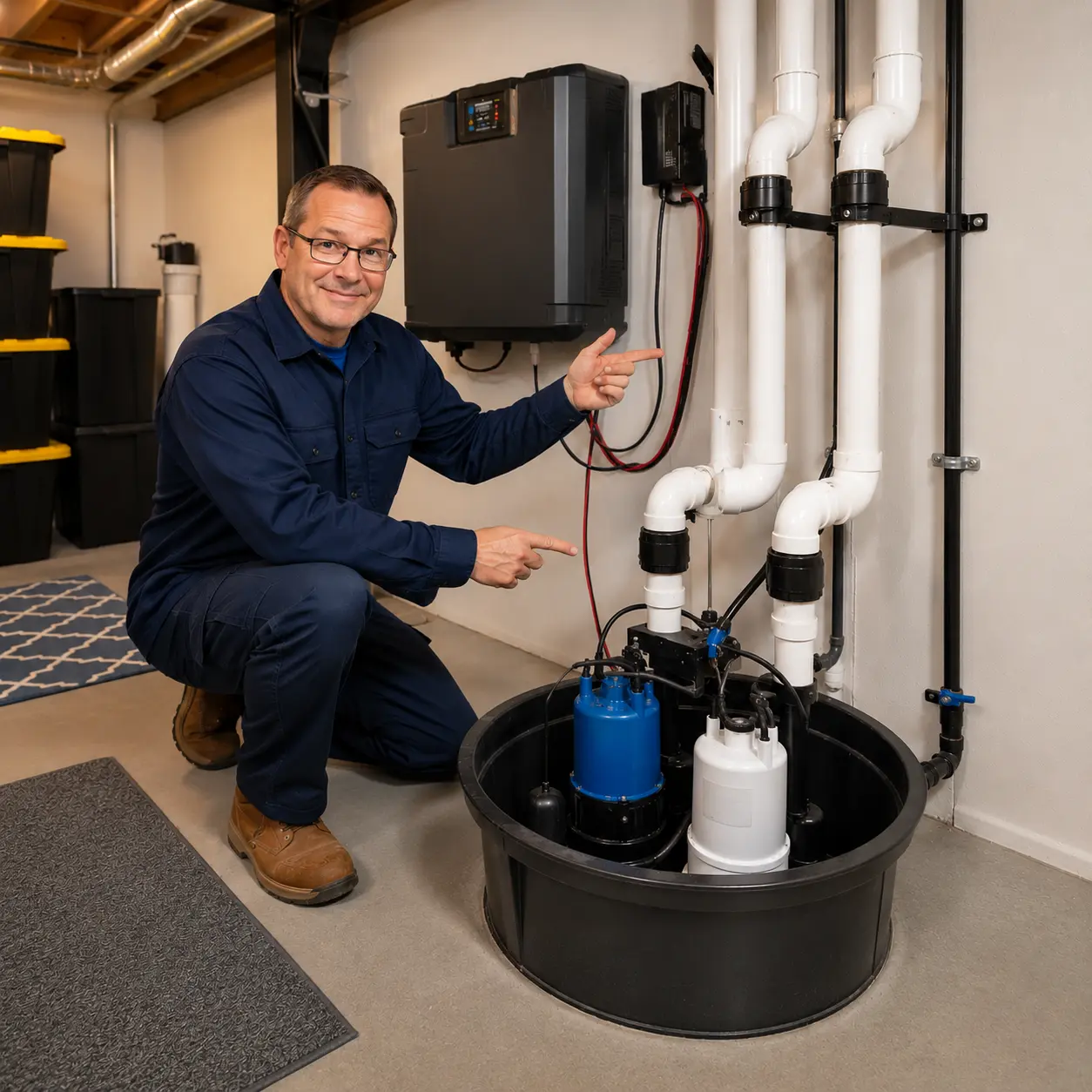
A second sump pump provides additional support when the main unit cannot manage incoming water effectively on its own. Some systems use a backup unit that remains inactive until the primary pump stops working or electrical service fails. Other setups allow both pumps to share the workload when groundwater levels rise quickly.
This type of setup is often useful in homes with finished basements, large foundation footprints, or recurring seepage problems. When water enters the sump basin faster than it can be discharged, an additional pump can help stabilize water levels and reduce stress on the primary equipment.
Many homeowners also choose this upgrade after previous flooding incidents. Once moisture begins affecting interior finishes and personal belongings, improving basement protection usually becomes a priority.
Signs the System Is Struggling
The Pump Runs Constantly
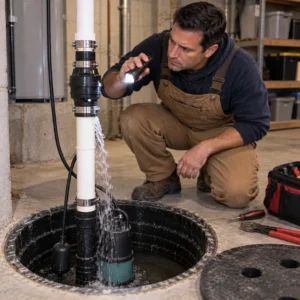
A sump pump that rarely shuts off is often one of the first signs that the system is struggling to keep up with incoming groundwater. Although longer run times can happen during severe storms, nonstop cycling places continuous strain on the motor and internal components, increasing wear over time.
In some homes, the volume of groundwater entering the sump basin may exceed what a single pump can remove efficiently during heavy rainfall. When the pump continues cycling long after storms pass, homeowners sometimes add a second sump pump or backup system to help manage higher water loads more reliably.
Water Levels Keep Rising Inside the Pit
Water levels inside the sump pit should remain relatively controlled while the pump operates. If water rises unusually high before draining, the system may no longer have enough capacity to keep pace with incoming water.
This problem becomes more common in homes with poor exterior grading, compact soil conditions, or high water tables. As water pressure builds around the foundation, excess moisture can begin entering through basement joints, cracks, or lower wall sections. Homes with smaller sump pits may also experience faster water accumulation during periods of increased subsurface water movement , which forces the pump to work harder.
Persistent high water levels may eventually contribute to seepage, flooring damage, and long term moisture buildup within finished basement spaces.
Your Basement Still Feels Damp
A properly functioning sump pump should help maintain a dry and stable basement environment. If the basement still feels humid or develops musty odors despite having a working pump, excess moisture may still be entering the area faster than it can be removed.
Many homeowners overlook these early conditions because standing water is not always visible. However, trapped moisture can gradually affect wood framing, drywall, stored belongings, and indoor air quality throughout the property.
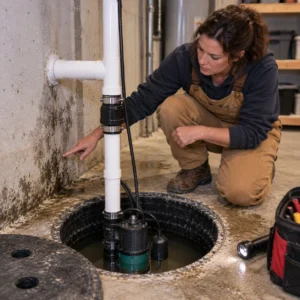
Damp basement walls, moisture stains, and recurring condensation often indicate that water conditions around the foundation are placing more demand on the system than it can comfortably handle.
Water Appears Around the Basement After Heavy Rain
Some homes remain dry during normal conditions but develop water intrusion problems after extended rainfall. In these situations, the surrounding soil becomes saturated and pushes excess moisture toward the foundation walls.
When this occurs, a sump pump may struggle to remove water quickly enough to prevent seepage around corners, floor joints, or low points in the basement. Homeowners may notice puddles forming near storage areas or moisture spreading across unfinished concrete surfaces. Water buildup near basement floor drains may also appear during these conditions because floor drains and sump pumps respond differently to excess groundwater around the foundation.
Repeated water intrusion after rainfall often signals that the current setup lacks the capacity needed to manage changing groundwater conditions around the property.
Power Outages Leave the Basement Vulnerable
Electrical outages create serious risks for homes that depend entirely on one sump pump. Severe weather frequently causes groundwater levels to rise at the same time power interruptions occur, leaving the basement unprotected when water removal becomes most important.
Without backup support, water can continue collecting around the foundation for hours before electrical service returns. In finished basements, this may lead to damaged flooring materials, furniture, drywall, and personal belongings.
Battery operated backup units help maintain protection during outages by continuing to discharge water automatically even when the primary electrical supply is unavailable.
Signs the Equipment May Be Wearing Out
Unusual Noises Should Not Be Ignored
Grinding, rattling, humming, or metallic noises may indicate that the sump pump is operating under increasing strain or developing internal wear. When these sounds become more noticeable during storms or frequent cycling, some homeowners choose to add a second sump pump before the primary system loses reliability completely.
Excessive Vibration During Operation
Strong vibration during sump pump operation can signal growing stress on internal components and discharge connections. If vibration worsens during heavy rainfall or prolonged operation, adding a second sump pump may help reduce strain on the primary unit and improve overall drainage reliability.
Rust and Corrosion on the Pump
Visible rust or corrosion around the sump pump housing and discharge connections often suggests aging components and long-term moisture exposure. When corrosion appears alongside constant cycling or recurring moisture problems, installing a second sump pump can provide additional protection before the original system experiences major failure.
Why Early Action Matters
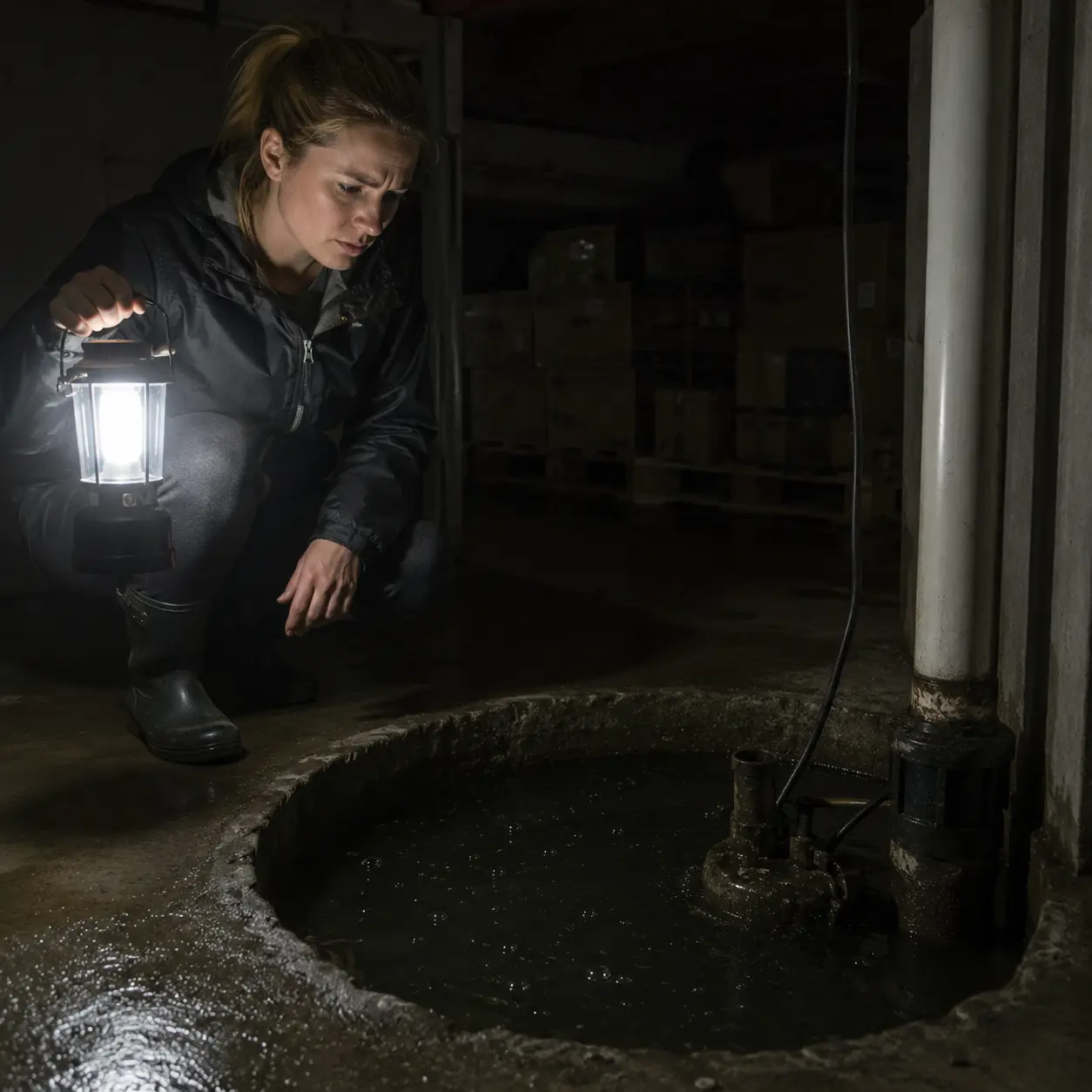
Waiting too long to address sump pump warning signs can lead to much larger repair issues later. Moisture problems inside the basement rarely remain isolated to one area. Over time, excess water can weaken flooring materials, damage drywall, encourage mold growth, and affect the overall condition of the home.
Early inspection and maintenance can help identify whether the current system still provides enough protection for the property’s conditions. In some cases, improving discharge flow or replacing worn components may solve the issue. In other situations, additional pumping support may be necessary to manage increasing groundwater pressure effectively.
DNA Plumbing and Heating can inspect existing sump pump systems, identify performance concerns, and recommend practical solutions that match the property’s drainage conditions and basement layout.
Conclusion
Adding a second sump pump can improve protection when an existing system begins struggling to manage heavy groundwater conditions. Warning signs such as constant cycling, rising sump pit water levels, recurring seepage, or unusual pump noises should not be ignored. DNA Plumbing and Heating can perform second sump pump assessments, evaluate current drainage performance, and recommend system upgrades that improve basement flood protection during severe weather.