Introduction
Choosing between a floor drain vs sump pump setup can be difficult for homeowners dealing with basement dampness or seasonal water intrusion. While both systems help manage excess water, they serve different purposes depending on how moisture enters the property. Some homes only need a basic floor drain to handle occasional leaks or minor surface water, while others may benefit from professional sump pump installation services to remove water building beneath the foundation. The right drainage solution depends on the source of the moisture, the condition of the soil surrounding the home, and how frequently water problems occur. Understanding how these systems work can help homeowners reduce moisture related damage and maintain a drier, safer basement environment.
How Water Drainage Systems Help Prevent Basement Moisture
Water around a home’s foundation can create serious problems if it is not managed properly. Wet basements often develop because of poor exterior drainage, clogged gutters, foundation cracks, saturated soil, or aging waterproofing systems that allow moisture to collect around and seep through the foundation after heavy rainfall. When the ground becomes oversaturated during storms or snow melt, water pressure begins building around the foundation.
A basement drainage system helps redirect or remove this water before it spreads across the basement floor. Some systems rely on natural water flow through gravity fed drainage, while others actively pump water away from the foundation. The best option depends on the amount of water entering the property and whether the issue involves surface runoff or water collecting beneath the home.
Homes with finished basements usually require stronger moisture protection because even a small leak can damage drywall, flooring, furniture, and electrical systems. Unfinished basements often tolerate minor dampness better but still require proper drainage to prevent mold growth and foundation deterioration.
What Is a Floor Drain?
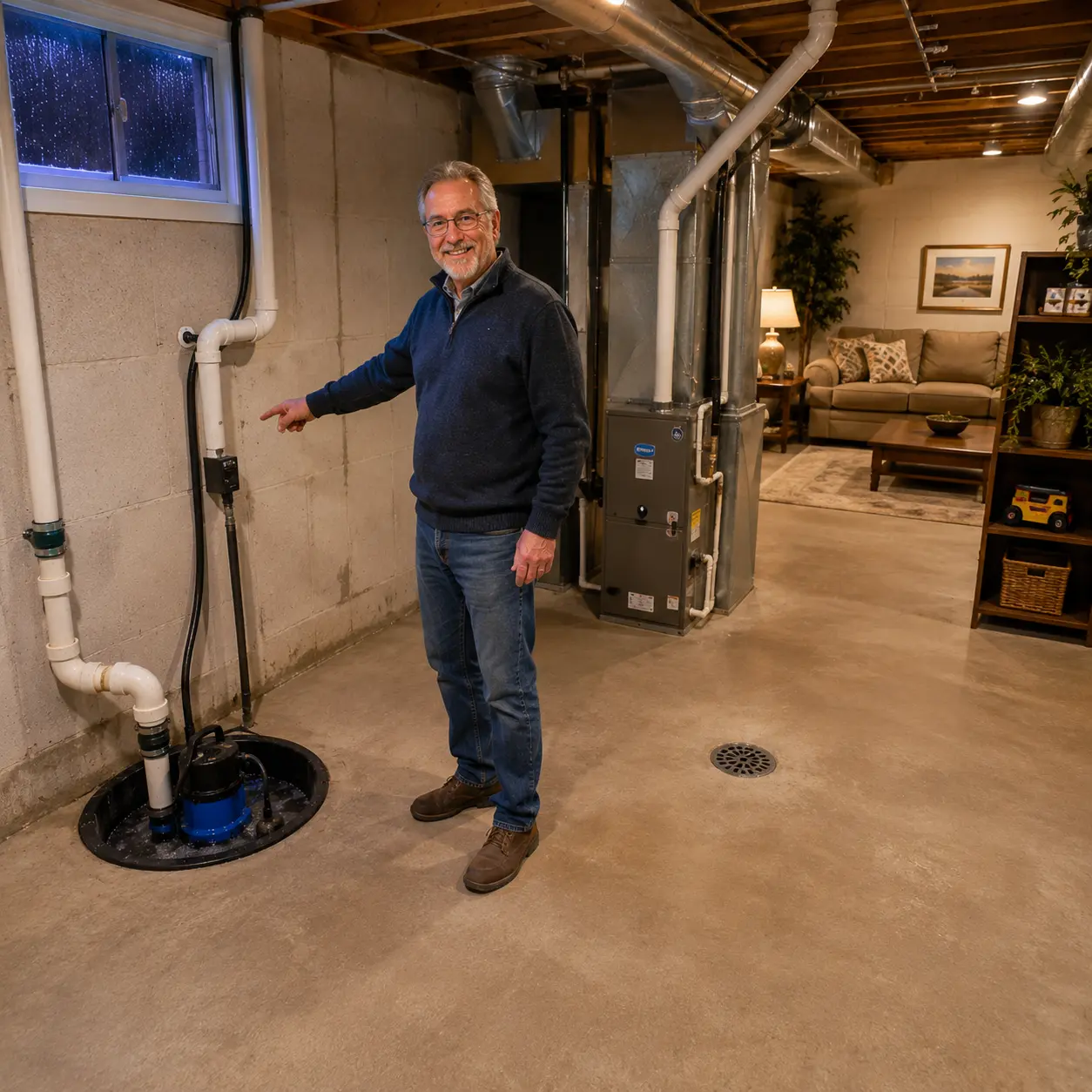
A floor drain is a drainage opening installed directly into the basement floor. Its main purpose is to collect water from the surface and move it into the home’s plumbing or drainage line. These drains are commonly placed near laundry equipment, water heaters, utility sinks, or lower sections of the basement where water may collect.
Unlike a sump pump, a floor drain works passively. Water flows toward the drain through a gently sloped floor surface and exits through connected piping. Because the system depends on gravity rather than mechanical pumping, it works best when handling limited amounts of water.
A floor drain basement setup is often enough for homes that only experience occasional spills, appliance leaks, or small amounts of rainwater entering through doorways or window wells.
Common Types of Floor Drains Used in Basements
Several floor drain designs are used in residential properties across the United States. Each serves a different purpose depending on basement construction and drainage conditions.
Floor Sink Drains
Floor sink drains are commonly installed in utility spaces where washing machines, water heaters, or plumbing fixtures may release water onto the floor. They are simple to maintain and work well for everyday drainage needs.
Area Drains
Area drains collect water across wider basement surfaces. These systems are useful in basements where water may spread during storms or plumbing failures.
Subfloor Drainage Systems
Subfloor drainage systems sit beneath the basement slab and help manage water moving below the foundation. They are often connected to drain tile systems or perimeter drainage lines.
Perimeter Drain Systems
Perimeter drains run along the interior or exterior edge of the foundation and capture water before it reaches basement flooring. These systems may direct water toward a sump pit for removal.
What Is a Sump Pump?
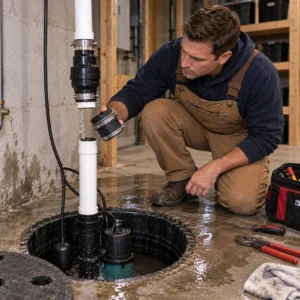
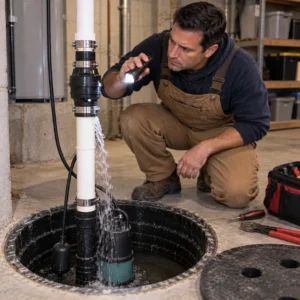
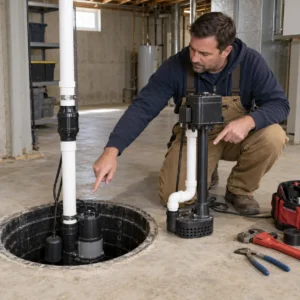
A sump pump helps move water away from beneath the basement before it rises high enough to cause flooding.Water collects inside a sump pit located at the lowest point of the basement. Once the water rises to a certain level, the pump activates automatically and pushes the water away from the home through a discharge pipe.
Unlike a floor drain, which only removes water already on the surface, a sump pump targets water gathering beneath the foundation. This makes it especially effective for homes exposed to repeated seepage, rising groundwater, or severe storm conditions.
Many homeowners install sump pumps in basement areas where water consistently returns after rainfall or where standing water develops along the basement perimeter.
Types of Sump Pumps Used in Residential Homes
Different sump pump models are available depending on the layout of the basement and the amount of water the system must handle.
Submersible Sump Pumps
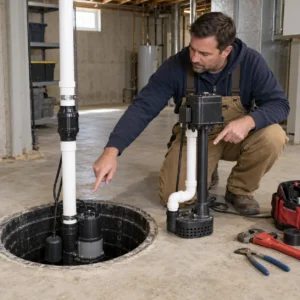
Submersible pumps sit inside the sump pit beneath the water line. These pumps operate quietly and are commonly used in homes dealing with larger water volumes or frequent storm activity.
Pedestal Sump Pumps
Pedestal pumps place the motor above the pit while the lower section handles water removal. They are easier to access for servicing and often work well in unfinished basement areas.
Floor Drain vs Sump Pump: The Main Differences
Although both systems help manage basement water, they function in very different ways.
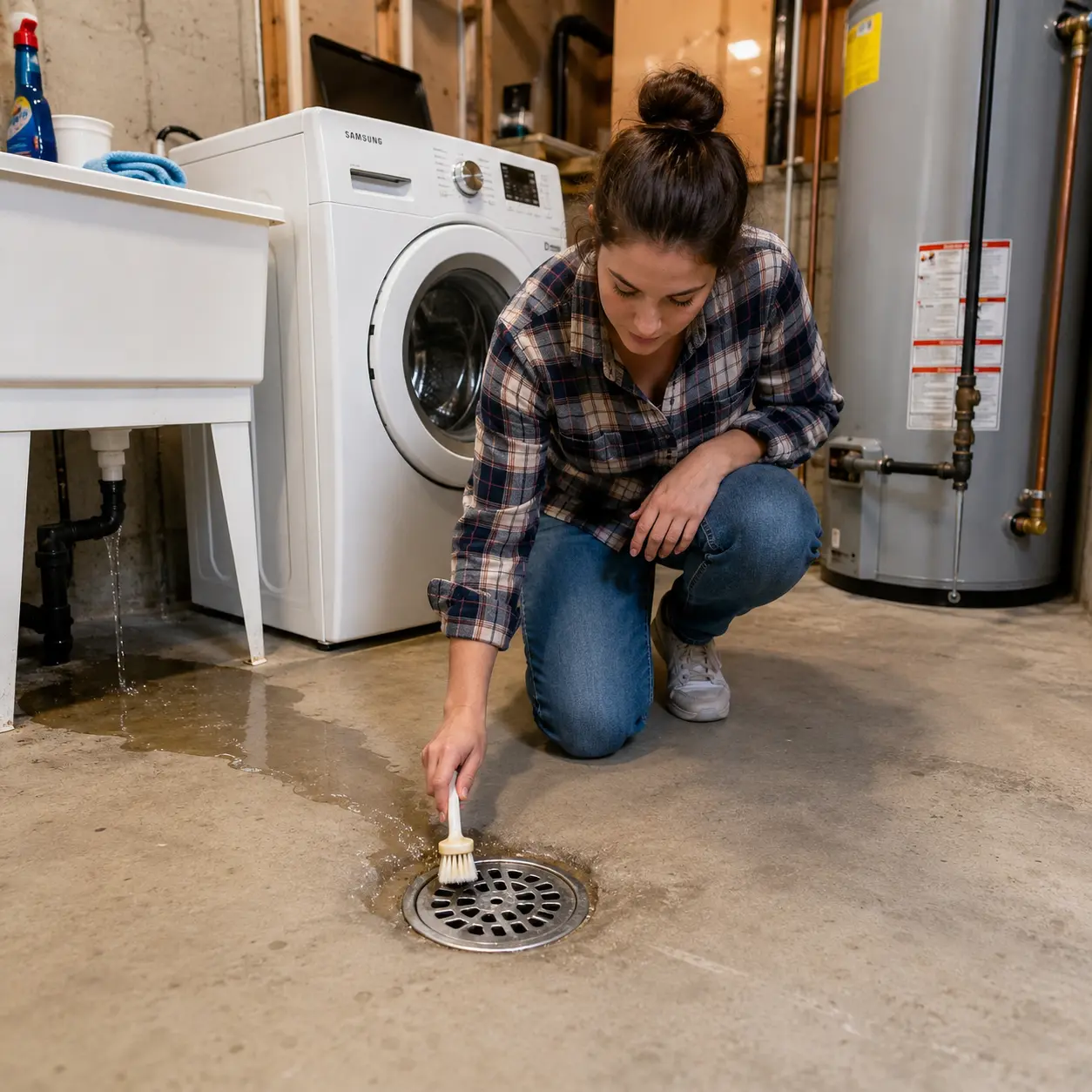
A floor drain handles water already present on the basement floor. It is useful for controlling appliance leaks, surface spills, or small amounts of water entering through doorways or floor level openings. Because it depends on gravity, drainage speed may become limited during major flooding events.
A sump pump removes water collecting below the foundation before it rises onto the floor surface. This allows the system to manage larger water volumes and reduce the risk of serious flooding during storms. However, extremely heavy rainfall can sometimes overwhelm the system if water enters faster than it can be discharged.
Maintenance requirements also differ. Floor drains mainly require occasional cleaning to prevent clogs and sewer odors. Sump pumps need periodic inspections, discharge line checks, and testing to ensure the pump activates properly when water levels rise.
Signs a Floor Drain Is Usually Enough
Not every basement requires a sump pump. In homes with minor drainage concerns, a floor drain may provide enough protection.
A floor drain is often suitable when water problems are limited to small appliance leaks, occasional condensation, or minor spills near utility equipment. Basements that remain mostly dry throughout the year and only experience isolated moisture issues usually benefit from a simple gravity drainage setup.
Homes located on elevated lots with strong exterior drainage may also rely successfully on floor drains without needing active pumping systems.
Signs You May Need a Sump Pump
Some moisture conditions indicate that a sump pump may be necessary.
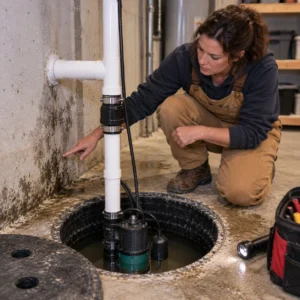
Water appearing repeatedly after storms often suggests groundwater is collecting beneath the home. Persistent dampness along basement walls, standing water near corners, or recurring seepage after heavy rain may signal deeper drainage problems below the foundation.
Homes experiencing musty odors, visible staining, or repeated moisture cleanup may also benefit from a sump pump installation. In areas prone to severe storms or heavy groundwater intrusion, some homeowners choose to add a second sump pump for additional protection when water levels rise quickly.
If water continues returning despite surface drainage improvements, the problem may involve subsurface water pressure rather than simple runoff.
Can You Use Both Systems Together?
Many homeowners combine both systems for stronger protection. In these setups, a floor drain handles everyday surface water while a sump pump removes water collecting beneath the foundation.
This combination works especially well in finished basements where even small amounts of moisture can damage flooring or stored belongings. During severe weather, the sump pump manages groundwater while the floor drain helps clear smaller surface leaks or appliance overflows.
Using both systems together can also reduce strain on each individual drainage component during periods of intense rainfall.
Additional Ways to Keep a Basement Dry
Drainage systems work best when combined with good exterior water management. Proper grading around the home helps direct rainwater away from the foundation before it can soak into surrounding soil.
Extending gutter downspouts farther from the house can also reduce water buildup near basement walls. In some properties, French drains or exterior drain tile systems help move groundwater away before it reaches the basement.
Regular inspections are also important. Cleaning drain openings, checking discharge pipes, and monitoring for unusual odors or slow drainage can help identify small problems before they become larger repairs.
Conclusion
Understanding the difference between a floor drain and a sump pump helps homeowners choose the right drainage protection for their basement conditions. While floor drains help manage minor surface water issues, sump pumps provide stronger protection against groundwater intrusion and repeated flooding. DNA Plumbing and Heating can evaluate basement moisture conditions and provide sump pump installation consultations, drainage recommendations, and moisture control solutions tailored to the property.