Introduction
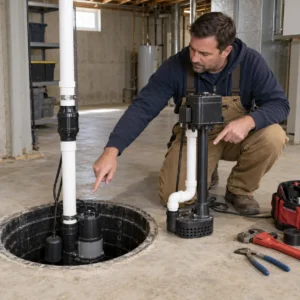
A flooded basement can be frustrating, especially when the sump pump seems to be working normally. Many homeowners assume the system has completely failed, but that is not always the reason water enters the basement. In many cases, the pump continues operating while struggling to handle the amount of incoming groundwater. If you are facing a sump pump working but basement flooded, the problem may be linked to drainage issues, rising groundwater pressure, clogged discharge lines, or poor grading around the property.
Water intrusion during storms is especially common in homes with saturated soil, aging drainage systems, or foundation moisture concerns. In some situations, repeated flooding may also indicate the need for a larger system or a professional sump pump installation to better manage heavy groundwater flow. Understanding what is causing the problem early can help reduce the risk of costly structural repairs and ongoing moisture damage.
Why a Basement Can Flood Even When the Sump Pump Is Running
A sump pump is designed to remove groundwater that collects around the foundation, but it is only one part of the home’s drainage system. If other drainage components fail or if excessive stormwater enters too quickly, the pump may struggle to keep up.
In some homes, water may enter through foundation cracks, overflowing gutters, poor landscape grading, or nearby floor drains that become overwhelmed during severe storms. When large amounts of water build up across the property at the same time, even a properly functioning sump pump can struggle to keep the basement dry.
If basement flooding keeps happening after prolonged rainfall, the issue may involve a larger drainage problem around the property rather than the sump pump alone.
Sump Pump Not Draining Fast Enough During Heavy Rain
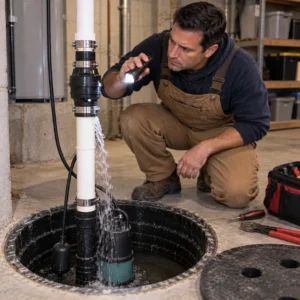
A sump pump may continue operating during heavy rainfall but still fail to remove water quickly enough to keep the basement dry. As groundwater levels rise around the foundation, the system can struggle to manage the volume of incoming water, allowing moisture to spread across basement floors and walls.
In some homes, the pump may be undersized for severe storms, while older systems can gradually lose efficiency because of worn components or restricted intake flow. If drainage performance continues declining during heavy rainfall, ongoing moisture exposure may eventually contribute to mold growth, damaged flooring, and foundation-related water problems.
Clogged or Frozen Discharge Lines
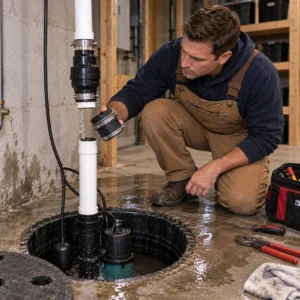
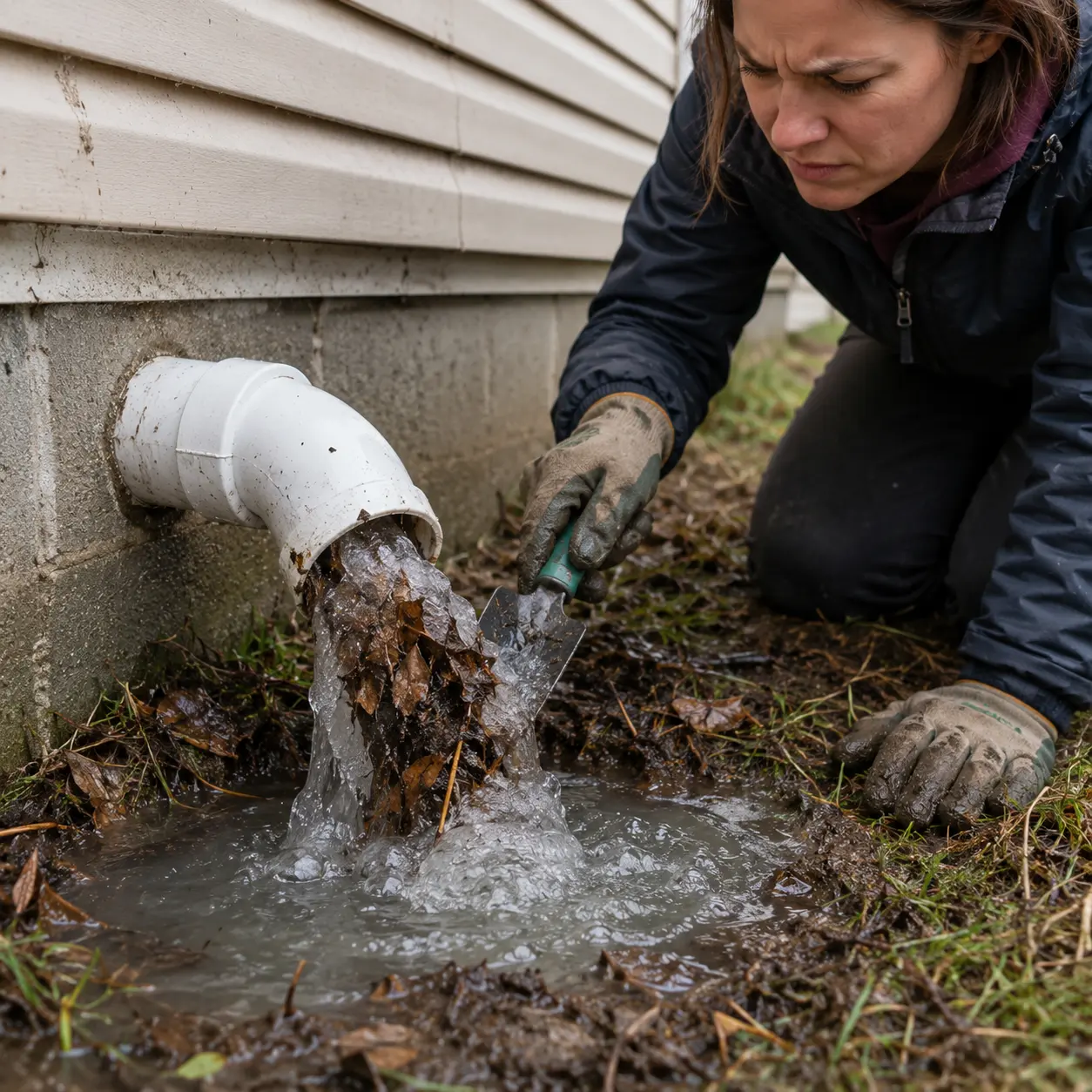
The discharge line carries water away from the home after the sump pump activates. If that line becomes clogged, frozen, or blocked, water may flow back toward the basement instead of draining properly.
Leaves, mud, debris, and even ice buildup can restrict water flow inside the pipe. In colder climates, frozen discharge lines are a major cause of basement flooding after storms.
Homeowners may notice:
- Water is collecting near the foundation outside
- Gurgling noises from the discharge pipe
- Slow drainage from the sump pit
- Water returning into the pit after pumping
Regular sump pump maintenance and seasonal inspections can help identify these issues before major storms arrive.
Groundwater Pressure Around the Foundation
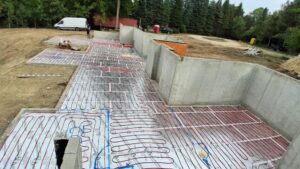
Heavy rainfall can saturate the soil surrounding a home and create hydrostatic pressure against the foundation walls. In these situations, water may enter the basement even while the sump pump continues operating correctly. Instead of flowing away from the property, moisture collects around the structure and slowly pushes through weak points below ground level.
This issue is more common in low lying areas and properties with dense clay soil where drainage is naturally slow. As the surrounding ground remains saturated, excess moisture places continuous pressure on basement walls and floor joints.
Beyond exterior pressure buildup, the foundation itself can also become a direct entry point for moisture.
Foundation Cracks and Moisture Intrusion
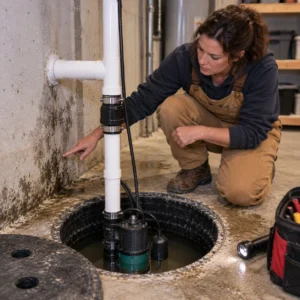
Small foundation cracks can allow water to seep into the basement during storms. While these openings may not seem serious during dry conditions, prolonged rainfall can turn them into steady entry points for moisture. Over time, repeated seepage may contribute to damp surfaces, peeling paint, musty odors, and staining along basement walls or floors.
Some homeowners also notice water collecting far from the sump pit or moisture appearing where the floor and wall meet. These signs often indicate that exterior drainage or waterproofing improvements may be needed to better protect the foundation.
Exterior Drainage Problems Around the Home
The slope around a property plays a major role in how stormwater moves during heavy rainfall. If the ground angles toward the foundation instead of away from it, water can collect around the basement walls and increase pressure against the home.
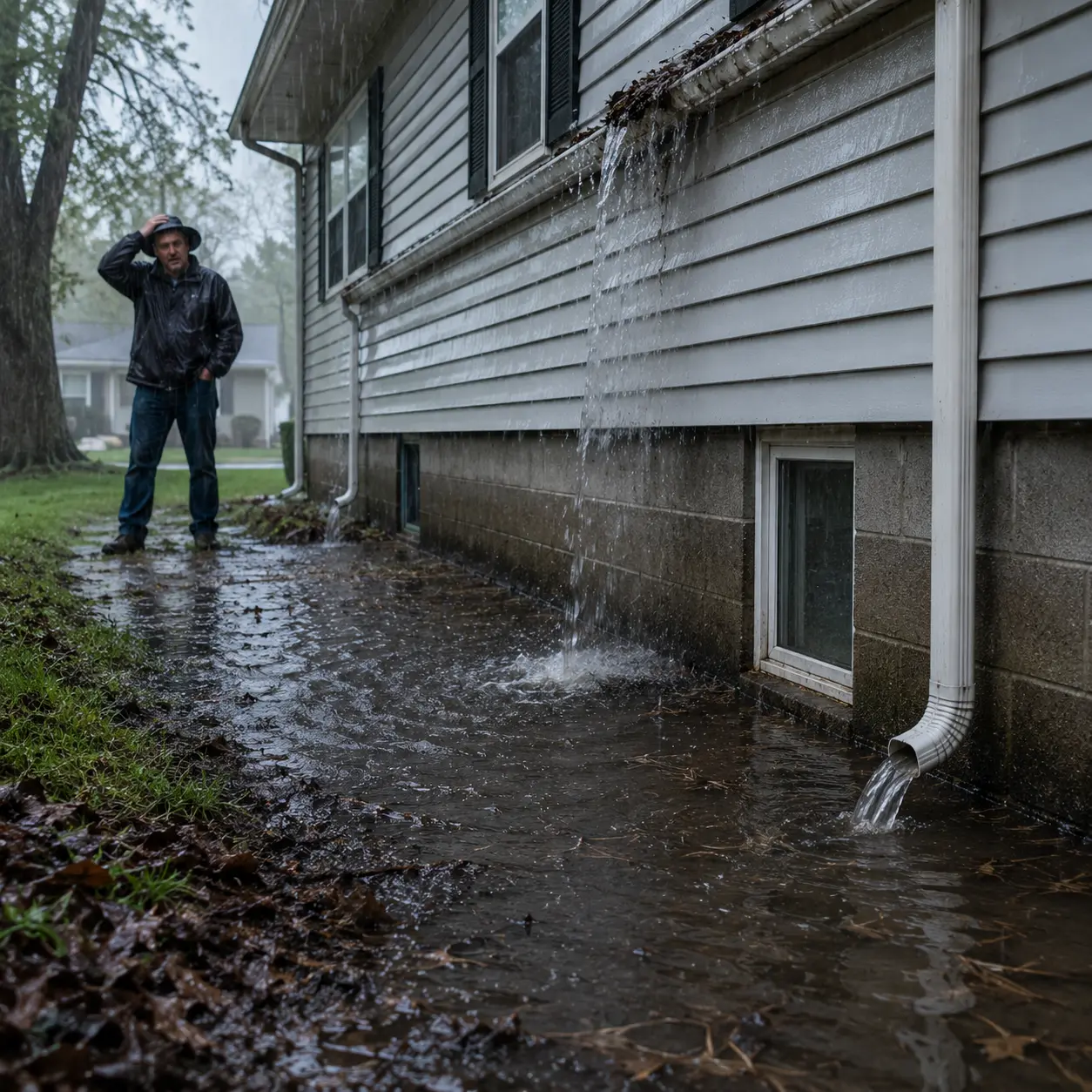
Poor exterior drainage often causes saturated soil, standing water near the foundation, and moisture intrusion during storms. Downspouts that release water too close to the house can make the issue even worse by continuously soaking the surrounding ground.
Clogged gutters are another common problem. When gutters overflow, rainwater spills directly beside the foundation instead of draining safely away from the property. Over time, this repeated exposure contributes to basement moisture problems and increases the likelihood of water entering through weak areas.
Homeowners should regularly inspect gutters, downspouts, and drainage paths around the property to ensure rainwater moves away from the home properly. Extending downspouts and correcting grading problems can significantly reduce exterior drainage pressure around the foundation.
Quick Prevention Checklist
Regular upkeep and a few preventive checks can help homeowners lower the chances of basement water intrusion during major storms.
- Test the sump pump regularly to confirm proper operation
- Keep the sump pit and discharge line free from debris
- Make sure gutters and downspouts direct water away from the foundation
- Watch for standing water or saturated soil near the basement walls
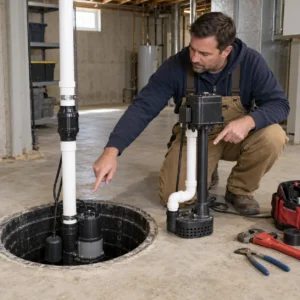
- Install a backup sump pump system for storm-related power outages
When to Contact DNA Plumbing and Heating
If water continues entering the basement even while the sump pump is running, the problem may involve drainage conditions outside the home, excessive groundwater pressure, or a sump pump system that is no longer handling the water load effectively.
DNA Plumbing and Heating provides sump pump inspections, drainage evaluations, emergency repairs, and water management solutions for homeowners dealing with recurring basement moisture issues. Finding the underlying cause early can help homeowners avoid more extensive foundation and water damage repairs over time.
Conclusion
A working sump pump does not always guarantee a dry basement. Groundwater pressure, exterior drainage problems, clogged discharge lines, and foundation moisture conditions can still allow water intrusion during severe storms. If basement flooding continues even while the sump pump is operating, DNA Plumbing and Heating can provide drainage evaluations, sump pump inspections, and water management solutions designed to identify the source of recurring moisture problems and improve long-term basement protection.