Introduction
Deciding on backflow preventer replacement can be difficult when signs of wear begin to appear. This device protects your potable water supply from contamination, so any fault needs prompt attention. Many property owners struggle to determine whether a repair will be sufficient or if a full replacement is the better option.When performance becomes inconsistent, a professional backflow evaluation can help determine the most practical next step. Evaluating the condition, age, and overall performance of the unit helps guide the decision before minor faults turn into more costly repairs down the line.
Understanding Backflow Preventers
Purpose and Importance
Backflow preventers protect clean water by stopping contaminated water from reversing into supply lines. Without this protection, a pressure drop or back-siphonage event can pull unwanted substances into the potable system. In real-world situations, a failed device can allow fertilisers, pesticides, or even sewage to enter the drinking water supply, creating serious health risks.
Because these failures are not always visible, most municipalities require annual testing to ensure the device is functioning correctly. A backflow preventer does more than protect a single property; it also safeguards neighbouring properties connected to the same water main, helping maintain overall public water safety.
Types of Backflow Preventers
Different applications require different devices. Common options include:
- Atmospheric vacuum breakers for irrigation
- Double-check valve assemblies for moderate risk
- Reduced pressure zone valves for higher risk environments
Each type must be installed and maintained correctly to function as intended.
Signs Your Backflow Preventer Needs Attention
Interlink not fit
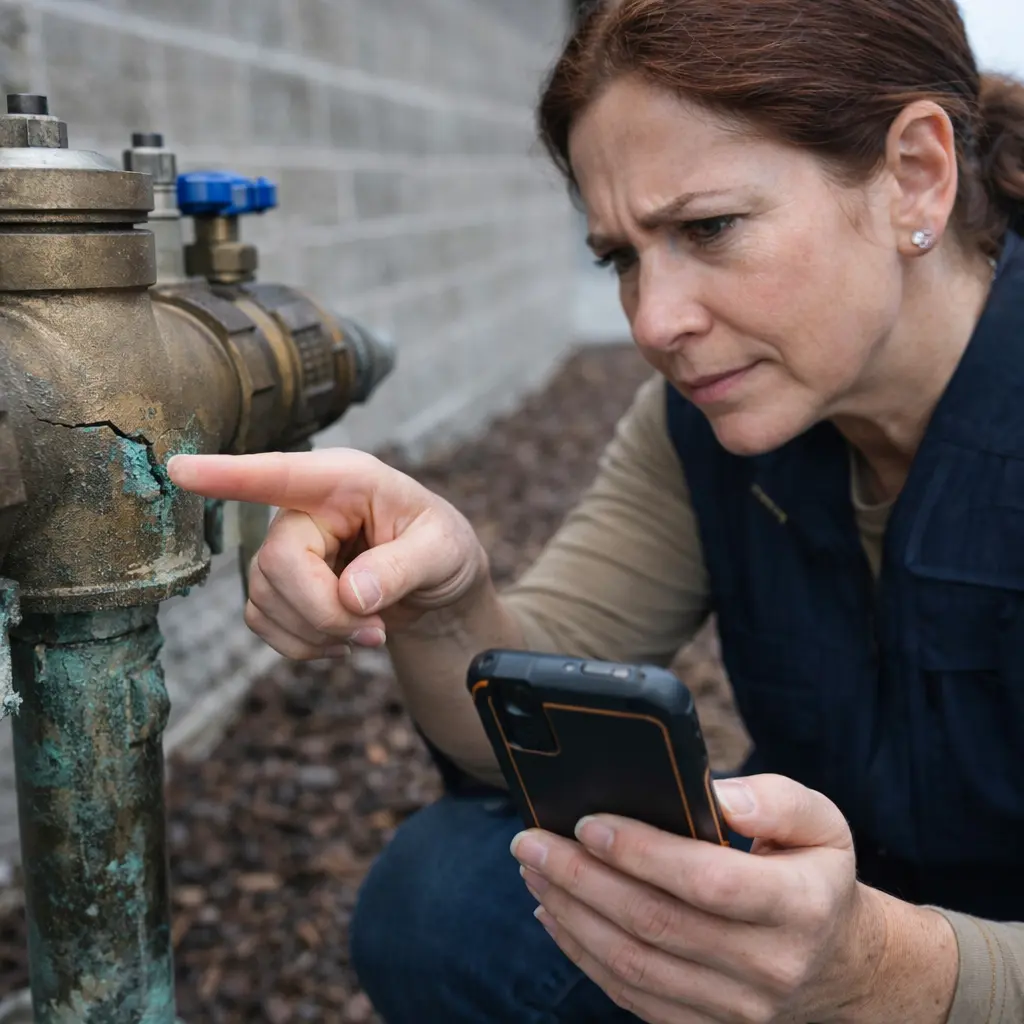
Early warning signs help identify developing faults before major failure occurs. Common indicators include:
- Humming or vibration
- Leaks around connections
- Pressure changes
- Dripping relief valves
- Reduced efficiency
Freezing conditions can also affect exposed units during colder months. Ice formation inside the valve can restrict movement and lead to cracking or reduced performance.
These symptoms often point to internal wear, debris buildup, or pressure irregularities.
Repairing Backflow Preventers
When Is Repair Possible?
Repair is suitable when damage is limited to internal components. Worn seals, blocked valves, or minor leaks can usually be corrected without replacing the entire unit.
If the assembly remains structurally sound, addressing individual parts can restore function and extend its usable life.
Common Repair Procedures
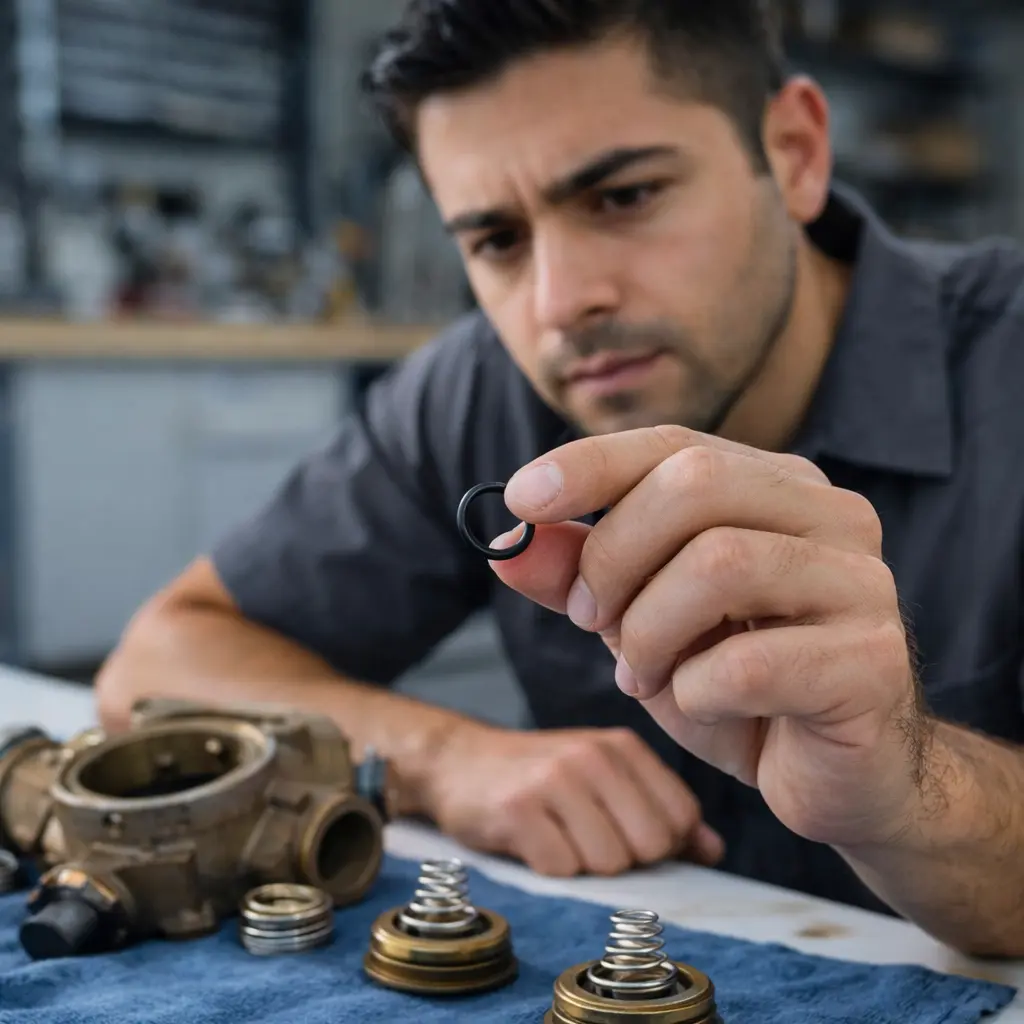
Typical work includes cleaning internal parts, removing buildup, and replacing worn components such as seals or springs. Flushing may also improve operation by clearing accumulated debris.
Choosing Professional Support
Accurate diagnosis is essential. Since these devices protect water quality, repairs must be handled carefully to avoid additional damage.
Replacing Backflow Preventers
When to Replace Backflow Preventer
Replacement is necessary when the unit can no longer perform consistently. This includes:
- Cracked main body
- Severe corrosion
- Repeated failure
- Unavailable parts
- Repair costs close to replacement cost
These conditions usually indicate the unit has reached the end of its service life.
Backflow Preventer Lifespan
The lifespan of a backflow preventer depends on usage, maintenance, and water quality. Most residential backflow preventers last around 8–12 years when properly maintained and tested annually.
Different types vary in durability. RPZ (Reduced Pressure Zone) valves can last 10–15 years due to their more robust construction, while PVBs (Pressure Vacuum Breakers) and AVBs (Atmospheric Vacuum Breakers) typically last 5–10 years, especially in regions with frequent freeze–thaw cycles.
Several factors can shorten lifespan, including high chlorine levels, mineral-heavy water causing scale buildup, freeze damage, and lack of regular maintenance. Even if a unit is still functioning, a device nearing or exceeding its expected lifespan should be evaluated for replacement to avoid unexpected failure.
Steps in the Replacement Process
The process involves shutting off the supply, removing the existing unit, installing a suitable replacement, and testing to confirm there are no leaks and pressure is stable.
Backflow Preventer Replacement Cost Considerations
The cost of replacing a backflow preventer varies based on the type of unit, installation complexity, and accessibility of the system. Simpler devices such as AVB or PVB units are generally quicker and easier to replace, while DCVA and RPZ systems require more time, expertise, and careful installation due to their design and function.
Although repairs may seem more economical initially, repeated servicing can increase long-term costs and reduce reliability. Emergency replacements, particularly during weekends or after hours, often involve higher labour charges due to urgency.
When deciding between repair and replacement, it’s important to consider the condition of the unit, frequency of issues, and overall system performance to determine the most practical long-term approach.
The Repair vs. Replace Decision: A Simple Framework
Deciding whether to repair or replace a backflow preventer depends on its age, condition, and risk level. Use this simple guide:
- Under 5 years old + single component fault + body intact → Repair is usually sufficient.
- 5–10 years old + multiple faults present → Have it evaluated professionally to determine reliability.
- Over 10 years old, or if the body is cracked or failures are recurring → Replacement is the safer option.
A useful rule of thumb: if the repair effort approaches half the cost of replacement, replacing the unit is often the better long-term choice.
Also consider the level of risk. Systems connected to high-hazard sources (such as irrigation with fertilisers, pools, or chemicals) should be replaced sooner than low-risk residential setups.
Replacement can also be an opportunity to upgrade to a more suitable protection level if your usage has changed.
Regulations and Compliance
Backflow preventers must meet plumbing codes and safety standards to protect public water supplies. The devices are required to be tested annually by a certified backflow tester, not just a general plumber. This ensures the unit is functioning correctly and preventing contamination.
Test results must typically be submitted to the local water authority, and failure to complete testing can lead to penalties or even temporary disconnection of service. When replacing a unit, it’s important to use a device from the locally approved list, as not all commercially available models meet regulatory requirements.
After installation, the new device must be tested and certified before it is considered compliant. Maintaining proper records and ensuring timely testing helps avoid violations and keeps your water system safe.
When to Contact a Professional
If problems persist after basic checks or the cause remains unclear, it’s best to seek professional assistance. Ongoing issues are often linked to internal damage, pressure imbalances, or installation faults that require proper diagnosis.
You should contact a professional if:
- Noise continues despite cleaning and flushing
- Pressure levels remain unstable or exceed normal limits
- Leaks, cracks, or visible damage are present
- The device fails testing or has not been serviced recently
A qualified specialist can carry out detailed testing, identify hidden faults, and ensure the system meets compliance standards. Early intervention helps prevent further damage and avoids costly repairs.
Conclusion
If the unit is under ten years old and the fault is limited to a single component, repair is usually the better starting point. When issues continue to appear or multiple parts are affected, replacement becomes the more dependable option.
DNA Plumbing and Heating can carry out a detailed inspection, confirm whether repair is sufficient or a replacement is the right call, and recommend the most practical solution.