Introduction
Backflow testing requirements are an important part of new construction plumbing projects throughout the United States. Commercial buildings, multi-family housing developments, irrigation systems, and fire protection infrastructure often require approved backflow prevention assemblies before permanent water service can be activated. These safety regulations help protect public drinking water from contamination risks caused by reverse water flow within plumbing systems.
During construction, plumbing systems frequently operate under unstable pressure conditions due to temporary water connections, unfinished piping, equipment testing, and changing municipal demand. Because of these conditions, most municipalities require certified backflow testing before final plumbing approval or occupancy clearance can be issued.
Although construction teams often prioritize drainage systems, structural work, and mechanical installation, proper backflow protection is equally important for long-term water safety and regulatory compliance. The sections below explain how backflow prevention devices, inspection procedures, fire sprinkler requirements, and cross connection control programs help support safer plumbing systems during new construction projects.
Understanding Backflow Risks in New Construction Plumbing
New construction plumbing systems often contain multiple interconnected water lines, pressure zones, irrigation systems, fire protection connections, and temporary service lines. These conditions can increase the likelihood of reverse water movement inside the plumbing infrastructure during active construction.
Backflow happens when water moves backward through a plumbing system instead of flowing in its normal direction. Two common causes include back pressure and back siphonage. Back pressure develops when downstream pressure becomes stronger than the municipal supply pressure, while back siphonage occurs when sudden drops in municipal pressure create suction inside the water system.
Construction environments may also introduce additional hazards such as sediment buildup, stagnant water, chemical residues, debris, and unfinished plumbing components. If plumbing systems are not properly isolated with approved backflow prevention devices, these hazards may spread through connected water service lines.
Because of these risks, municipalities and water authorities typically require certified backflow testing before new buildings can receive final plumbing approval or permanent water activation.
Technical Importance of Backflow Testing During Construction
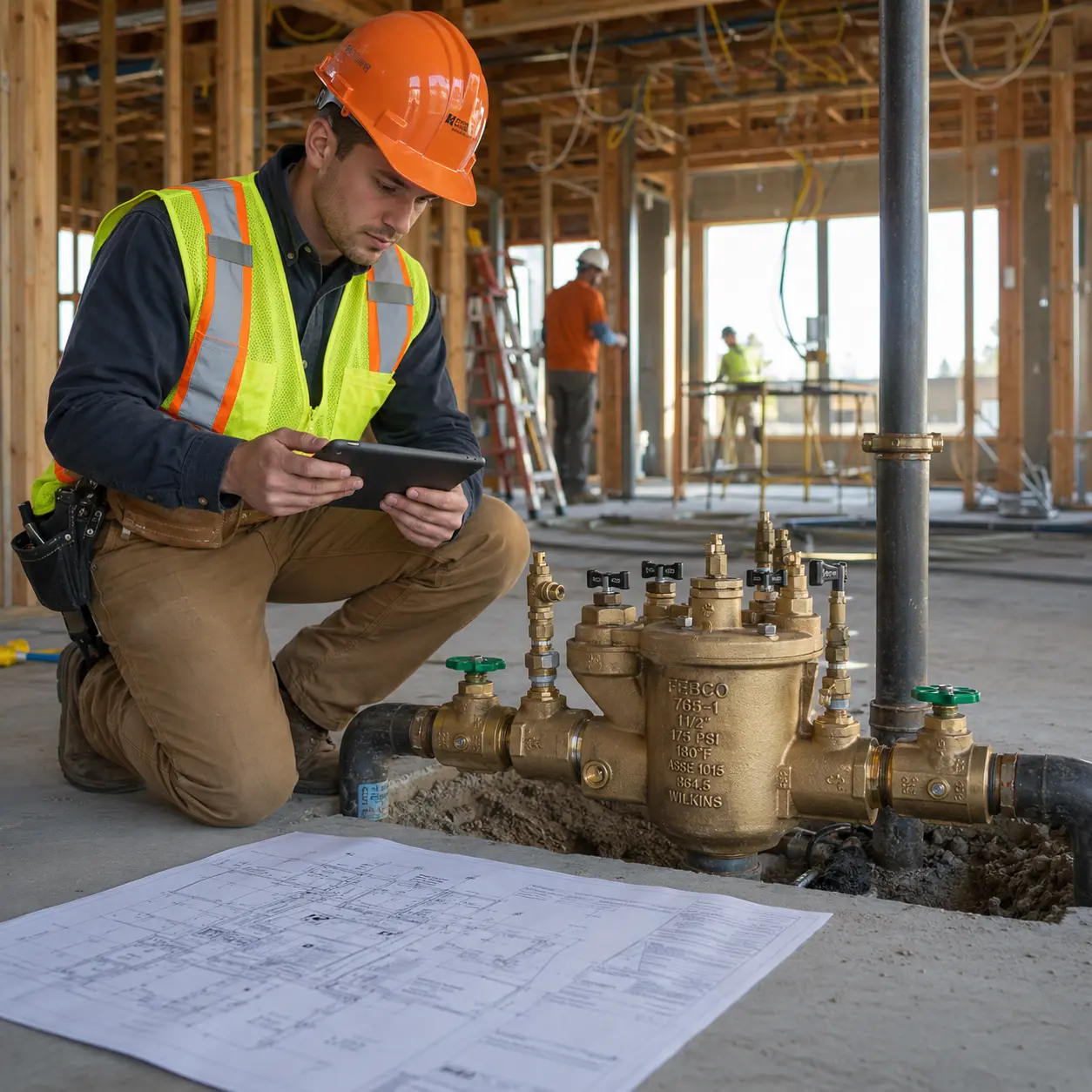
Backflow testing is designed to verify that installed prevention assemblies can operate correctly under real system pressure conditions. Testing confirms that the internal check valves, relief mechanisms, and pressure controls function properly and provide the level of protection required for the property’s hazard classification.
Even properly installed assemblies may fail if valve alignment, pressure conditions, drainage provisions, or installation clearances do not meet regulatory standards. Certified testing helps identify these problems before the building becomes fully operational.
Testing is especially important in newly constructed plumbing systems because pressure fluctuations are common during commissioning, equipment startup, fire line charging, and municipal water transitions. Without proper testing, hidden assembly failures may remain undetected until contamination risks or operational problems develop later. Some modern commercial plumbing systems also use smart water monitoring systems to help track pressure irregularities and identify developing plumbing issues more efficiently.
Most municipalities require testing immediately after installation and before final approval because inspectors must verify that the device can safely support these public safety standards under active operating conditions.
Common Backflow Prevention Devices Used in New Buildings
The type of backflow prevention assembly installed during construction depends on the building’s hazard level, plumbing design, water usage requirements, and municipal regulations.
Reduced Pressure Zone Assemblies
Reduced-pressure zone assemblies (RPZ devices) are typically installed in higher-hazard plumbing systems where stronger contamination protection is required. During new construction, proper drainage layout, rough-in clearances, and inspection accessibility must be coordinated early in the design phase to support testing, maintenance, and final plumbing approval.
Double Check Valve Assemblies
Double check valve assemblies (DCVA systems) are commonly used in lower-hazard commercial and residential plumbing applications to help prevent reverse water flow. During construction, plumbing contractors, fire protection engineers, and inspectors must coordinate assembly placement carefully to maintain code compliance, future testing access, and proper system integration.
Fire Sprinkler Systems and Backflow Requirements
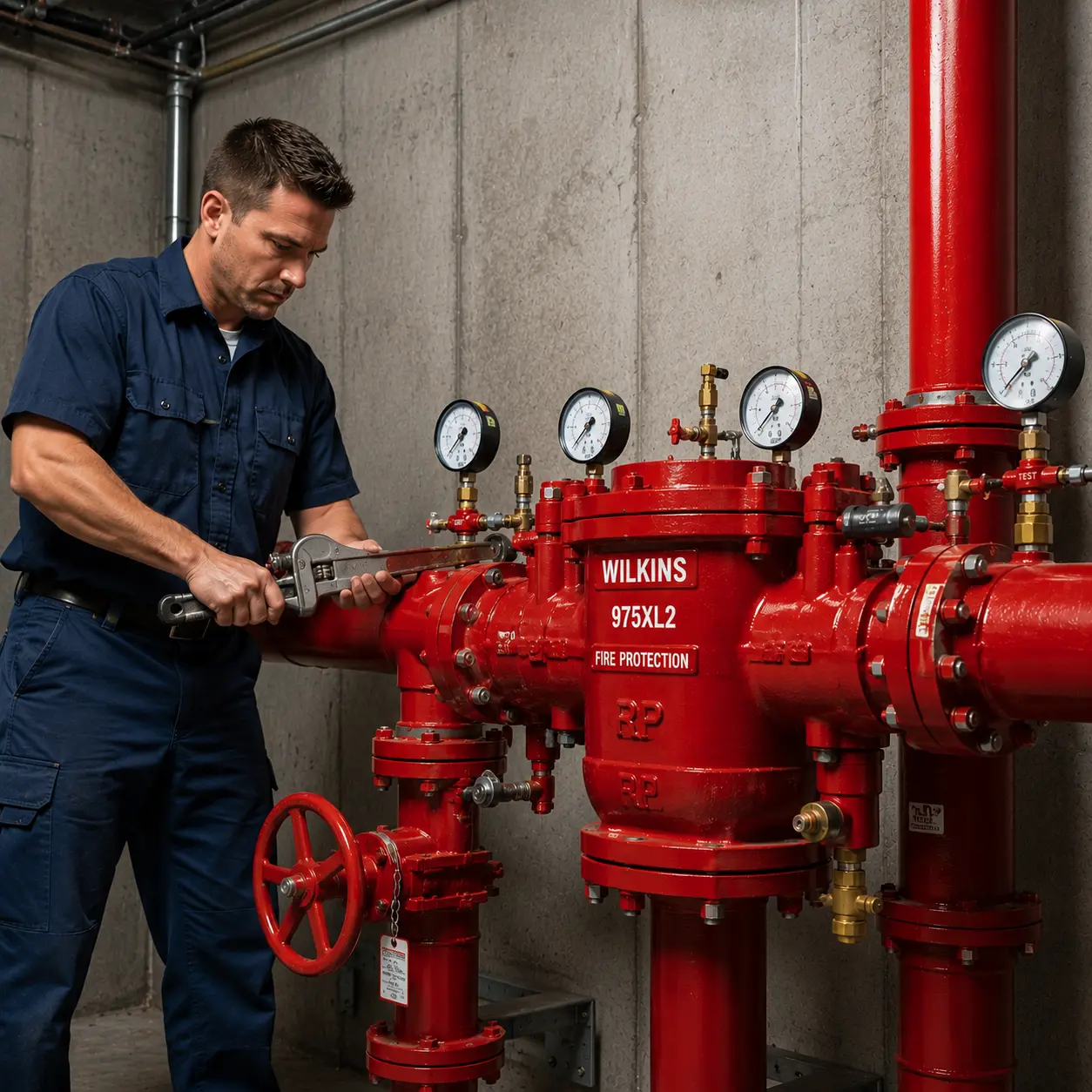
Fire sprinkler systems may require dedicated backflow protection because stagnant water inside fire service piping can create contamination risks during pressure changes. Depending on local code requirements and system hazard classification, inspectors may require DCDA assemblies, RPDA assemblies, or other approved fire line protection devices.
During construction, proper coordination between plumbing contractors, fire protection engineers, and inspectors helps ensure adequate assembly clearance, testing access, and smoother final approval.
Plumbing Inspection and Occupancy Approval Process
New construction plumbing systems generally undergo multiple inspection stages before occupancy approval can be issued. Backflow testing is often included within these inspections because water authorities must confirm that the building meets local plumbing and cross connection protection requirements.
During inspection procedures, officials may review:
- Assembly placement and accessibility
- Drainage provisions around the device
- Pressure conditions and valve operation
- Plumbing permit documentation
- Compliance with municipal regulations
- Overall installation quality
Certified backflow testers use calibrated testing equipment to measure valve performance and confirm that the assembly operates correctly under active pressure conditions.
Some municipalities also require inspection reports and testing documentation to be submitted directly to the local water authority before permanent water service approval is granted. If the device fails inspection, contractors may need to repair or replace the assembly before the project can move forward.
Working with experienced plumbing professionals during construction can help reduce failed inspections, scheduling disruptions, and last-minute corrections near project completion
Cross Connection Control Programs After Construction
After construction is completed, many municipalities place commercial buildings, fire sprinkler systems, irrigation networks, and specialized plumbing systems into ongoing cross connection control programs to help monitor long-term water safety compliance. These programs typically require routine certified testing, inspection documentation, and scheduled maintenance to confirm that installed backflow prevention assemblies continue operating properly after occupancy approval.
Conclusion
Backflow testing requirements for new construction projects involve far more than a simple inspection checklist. Proper device selection, pressure testing, fire sprinkler coordination, cross connection control, and municipal approval procedures all work together to reduce contamination risks within connected plumbing systems.
Unlike existing buildings, new construction plumbing systems must be evaluated while multiple systems are still being installed, tested, and pressurized simultaneously. This creates additional challenges that make certified testing and careful compliance planning especially important before occupancy approval can be issued.
By coordinating backflow prevention requirements early in the construction process, property owners and contractors can reduce inspection delays, avoid expensive plumbing corrections, and support long-term water system safety throughout the building. DNA Plumbing and Heating provides professional support for backflow testing, certified inspections, and new construction plumbing compliance services for residential and commercial projects across the United States.