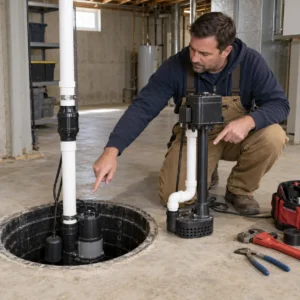
When it comes to protecting your basement from flooding during a power outage, choosing the right backup system is one of the most consequential decisions a homeowner can make. Two options come up more than any other: water powered sump pumps and battery backup sump pumps. Both keep water out of your basement when your primary pump loses power, but they operate on entirely different principles and suit very different home situations. If you are weighing your options before committing to a backup sump pump installation service, understanding exactly how each system performs, where it excels, and where it genuinely falls short will help you avoid a costly mismatch. This guide goes beyond the surface so you can make the right call for your specific home.
Key Takeaways
- Water powered sump pumps require no electricity or battery but depend entirely on municipal water pressure to function
- Battery backup sump pumps work with virtually any home setup including those on well water systems
- A battery system running at full capacity during a heavy storm can exhaust its charge in four to six hours, making generator pairing essential for extended outages
- Water powered systems have no runtime limit but use significantly more water than typical household activity throughout operation
- Well water homes cannot use a water powered backup because the well pump itself loses power during an outage
- Both systems require annual testing and specific maintenance to remain reliable under real storm conditions
How Each System Actually Works
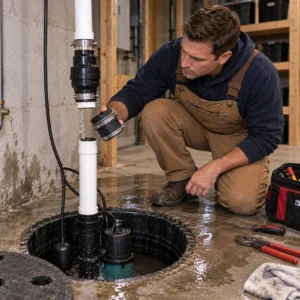
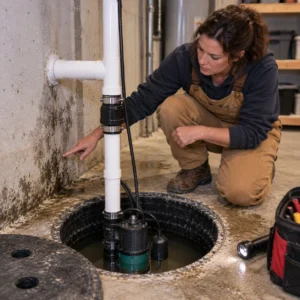
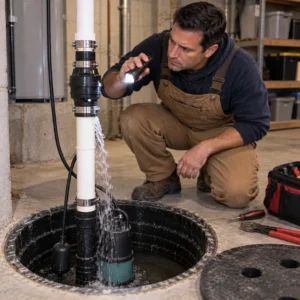
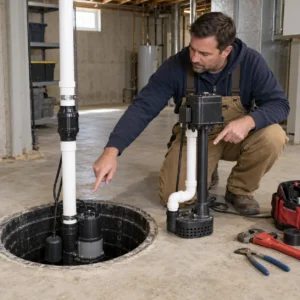
A battery backup sump pump connects directly alongside your existing primary pump and activates automatically the moment power is lost, drawing energy from a rechargeable battery stored near the unit. There is no delay and no action required from you. A water powered sump pump works on a completely different principle. It uses the pressure from your municipal water supply to create a venturi effect, a suction force that pulls water from the pit and pushes it out through the discharge line without any electricity involved at any point in the process. Understanding this mechanical difference matters because it is what determines which system is actually compatible with your home.
Water Powered Sump Pump Pros and Cons
Why Water Powered Systems Are Worth Considering
The defining advantage of a water powered backup is unlimited runtime. As long as your municipal water supply maintains adequate pressure, the system keeps operating through an outage of any length. For homeowners in areas where storms knock out power for two or three days at a stretch, this is a genuinely significant benefit that no battery system can match without generator support. There are no consumable parts on a regular replacement schedule and no charge levels to monitor before a storm rolls in.
The Real Tradeoffs Homeowners Should Understand
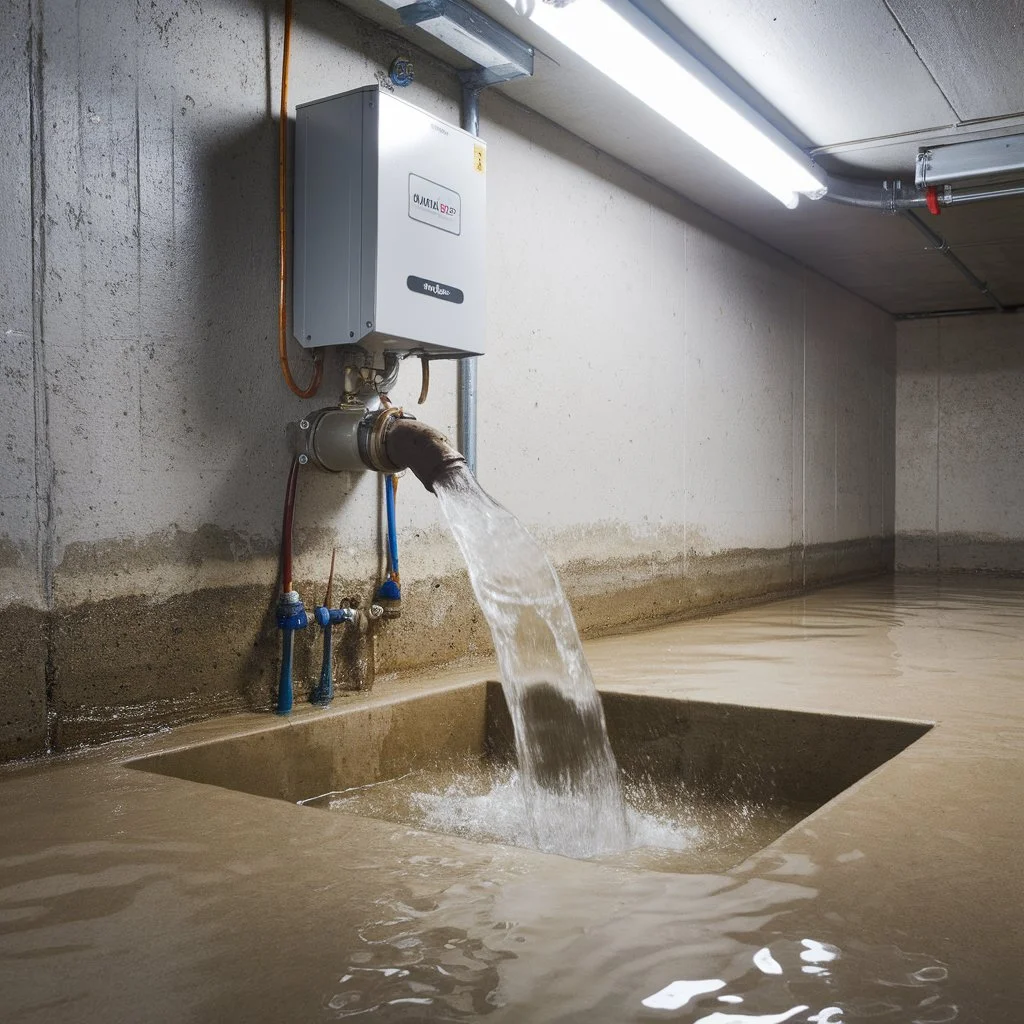
Water pressure requirements for water powered sump pumps typically need to reach at least 40 PSI to function reliably. Homes with lower municipal pressure may see reduced pumping performance exactly when conditions are most demanding. Water powered sump pump water usage during operation is also considerably higher than typical household consumption. During a six-hour activation, a water powered backup can use several hundred gallons depending on the model and how hard it is working, which shows up meaningfully on your water bill after an extended storm event. The most important limitation, though, is compatibility. If your home runs on well water, the well pump itself shuts off the moment power is lost, which means the water powered backup loses its entire water source at exactly the same moment it is supposed to activate. For well water homes this system is simply not a viable option.
Battery Backup Sump Pump Pros and Cons
Why Battery Backup Systems Are the Most Common Choice
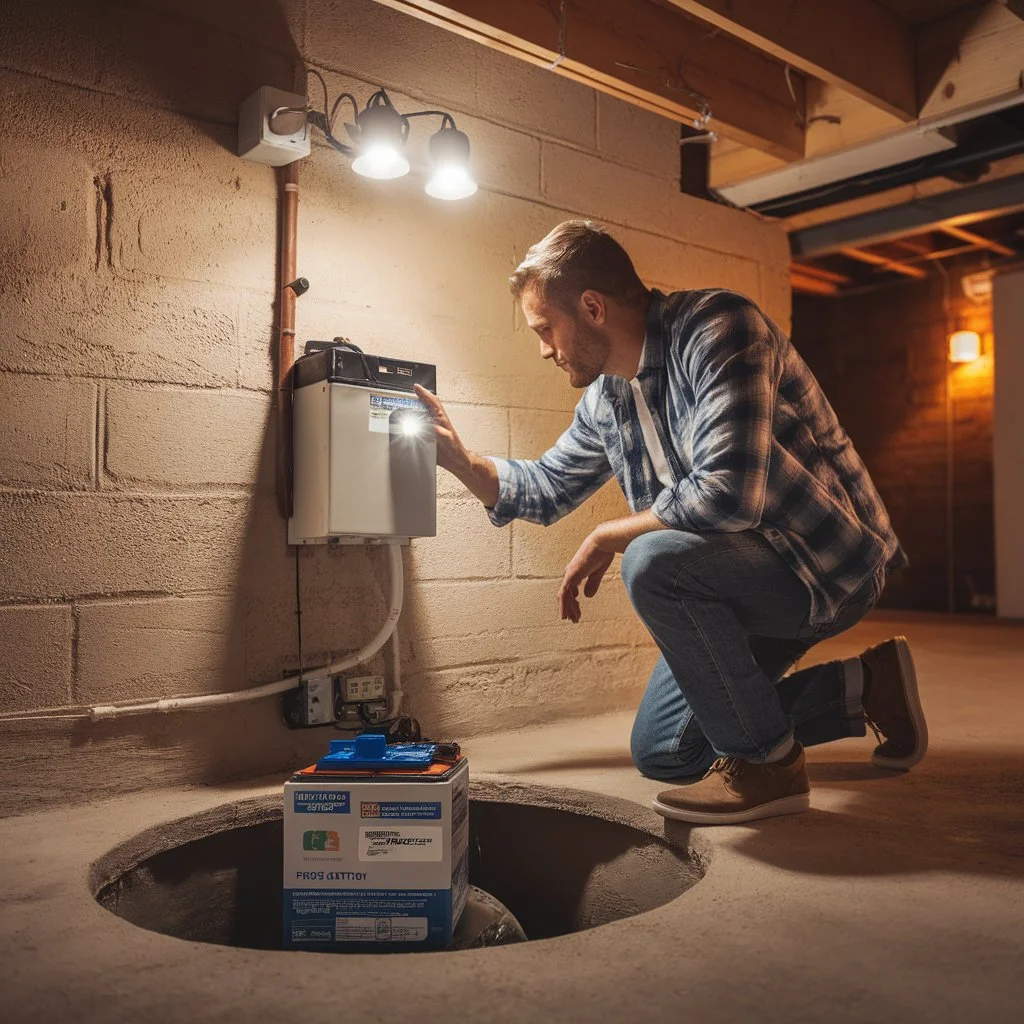
Battery backup sump pumps are the most widely installed sump pump backup system in US homes, and that popularity comes down to flexibility. They work with any home regardless of water source, install cleanly alongside an existing primary pump, and activate instantly without any manual involvement. The sump pump battery backup system is also straightforward to test, making it easy to confirm your protection is functioning before storm season puts it to use.
Where Battery Systems Reach Their Limits
Battery backup sump pump run time is the central limitation of this option and it deserves an honest look. A battery running at full capacity during heavy continuous rainfall can exhaust its charge in four to six hours. For a homeowner whose power is out for 12 hours during a major storm, that means the basement is unprotected for the second half of the outage unless a generator is available to take over. Knowing exactly how to handle a sump pump during a power outage becomes especially important in that scenario, since the steps you take in the first hour can limit how much water actually reaches the basement floor.
Battery replacement frequency for sump pump backups is typically every two to three years, but a battery that looks functional can lose a significant portion of its actual holding capacity before showing any visible signs of wear. Scheduled replacement matters more than waiting for the unit to signal a problem.
Side by Side Comparison
Feature | Water Powered Backup | Battery Backup |
Power source | Municipal water pressure | Rechargeable battery |
Works without electricity | Yes | Yes |
Compatible with well water | No | Yes |
Runtime limit | None while water supply flows | Four to six hours at full capacity |
Water usage during operation | Several hundred gallons per extended use | None |
Maintenance requirement | Annual valve and pressure inspection | Battery replacement every two to three years |
Best for extended outages | Yes without limitation | Only when paired with a generator |
Minimum requirement | 40 PSI municipal water pressure | Adequate battery charge at time of outage |
Choosing the Right Sump Pump Backup for Your Home
The best sump pump backup for power outages is the one that matches your home’s actual setup and your area’s real outage patterns. Work through these points to reach a clear answer.
- If your home is on well water, a battery backup sump pump is your only practical option since a water powered system loses its water source the moment power is cut
- If your municipal water pressure consistently meets or exceeds 40 PSI and your area sees outages that last longer than a single battery charge, a water powered system offers the kind of unlimited runtime no battery can match on its own
- If your outages are typically short, lasting a few hours rather than days, a battery backup sump pump handles the vast majority of real-world scenarios without needing any supplemental support
- If you want the broadest compatibility with the simplest installation and maintenance path, a battery backup sump pump system is the most practical fit for most US homes
- If you live in a region prone to multi-day outages from severe winter storms or hurricane conditions, pairing a battery backup with a portable generator gives you layered protection that covers every realistic scenario
The Best Sump Pump Backup Is the One That Fits Your Home
The water powered sump pumps vs battery backups comparison does not produce a universal winner because the right answer changes based on where you live, how your home is built, and what kind of outages your area realistically sees. What both systems share is the ability to protect your basement when the primary pump goes offline, and that protection is only as dependable as the maintenance and testing you put into the system over time. Even with the right backup in place, it is worth knowing what to do if your sump pump fails so you are never caught without a plan when conditions do not go the way you expected.
At DNA Plumbing and Heating, we help homeowners evaluate their sump pump backup options and choose the system that genuinely fits their home and local conditions. Whether you are leaning toward a battery backup for sump pump protection or want to find out whether your water pressure supports a water powered option, our team has the experience to get it right. Contact DNA Plumbing and Heating today to schedule a consultation and make sure your basement has the protection it deserves before the next storm arrives.