Introduction
Many homeowners do not realize how much impact hard water can have on a home’s plumbing until hot water issues begin appearing. Minerals such as calcium and magnesium, naturally present in the water supply, gradually collect in water heaters, pipes, and heating components as water circulates through the system. As these deposits accumulate, they can reduce efficiency, restrict water movement, and increase wear on critical equipment. Scheduling periodic inspections and professional water heater service can help identify these issues before they affect system performance.
Can hard water damage water heater equipment enough to shorten its lifespan? In many cases, yes. Mineral accumulation often develops quietly for years before homeowners notice declining hot water performance, unusual noises, or signs of leakage. Understanding how these conditions affect a water heater can help prevent more extensive plumbing repairs later.
What Hard Water Does Inside a Water Heater Tank
How Minerals Collect Inside Water Heaters
Hard water contains dissolved minerals that remain behind after water is heated. With each heating cycle, calcium and magnesium gradually settle near the bottom of the water heater and around heating components.
As these deposits accumulate, they can reduce available capacity and interfere with normal operation. Mineral residue may also travel into nearby plumbing lines, contributing to scale formation and reduced water flow throughout the system.
Why Sediment Buildup Gets Worse Over Time
Sediment buildup rarely remains stationary once it begins forming inside the tank. Repeated heating cycles continue hardening mineral deposits, creating thicker limescale buildup along interior surfaces and heating components.
As mineral deposits continue accumulating on heating elements, scaling may reduce the system’s ability to transfer heat efficiently. In many homes, sediment buildup in water heater tanks develops gradually for years before homeowners notice obvious warning signs.
Can Hard Water Damage Water Heater Performance?
Hard water and energy efficiency problems often develop together inside older water heaters. As heating elements struggle against mineral buildup, the system may require longer operating cycles to maintain normal water temperatures.
Water heater efficiency loss caused by hard water can gradually increase household energy use while placing additional strain on internal components. Heating element corrosion may also develop faster when mineral scaling continues accumulating without maintenance.
As sediment buildup increases, it insulates heating elements from the surrounding water, reducing efficiency and making it harder for the system to maintain consistent hot water performance.
Warning Signs of Hard Water Damage

Loud Rumbling or Popping Sounds
Unusual water heater noises, including rumbling and popping sounds, are a common early warning sign that mineral deposits may be accumulating inside the tank. In many homes, these sounds appear before visible leaks or noticeable performance issues develop.
Rusty or Cloudy Hot Water
Discolored hot water is often a sign of internal corrosion affecting the water heater or connected plumbing components. Changes in water color should not be ignored, particularly when they become recurring or progressively more noticeable.
Reduced Hot Water Supply and Pressure Problems
Homeowners may notice shorter showers, inconsistent water temperatures, weaker hot water pressure, or a reduced supply of hot water during normal household use.
These performance changes can gradually affect daily activities throughout the home, including showers, sinks, and appliances that rely on consistent hot water delivery.
Corrosion and Leak Risks From Hard Water
Water Heater Tank Corrosion Risks
Scale buildup can trap heat against the tank wall and create conditions that place additional stress on internal surfaces over time. This prolonged exposure may increase the risk of corrosion developing within vulnerable areas of the water heater.
As deterioration progresses, rust formation may spread across weakened sections of the tank. Older units are often more susceptible when heavy scale accumulation remains in place for extended periods.
Heating Element Damage and Leak Development
Heating elements exposed to constant mineral scaling may begin overheating or wearing down faster than expected. Corrosion-resistant heating elements can help reduce some damage, but ongoing scale accumulation still places strain on the system.
Over time, hard water leak risks increase as weakened fittings, corroded tank surfaces, and internal wear continue affecting the water heater. A leaking water heater tank may begin with small moisture spots before larger water heater failures develop.
Why Older Systems Face Greater Hard Water Damage
Older water heaters are generally more vulnerable to hard water damage because years of mineral accumulation can increase wear on internal components and tank surfaces.
The effects of mineral-rich water often extend far beyond the water heater itself. Scale deposits can collect in valves, supply lines, shower fixtures, and appliances connected to the plumbing network. As buildup narrows water pathways, flow may become restricted, and wear on plumbing components can increase. Because the same mineral accumulation affects both the water heater and connected plumbing lines, these problems often develop together over time.
Managing Hard Water Buildup
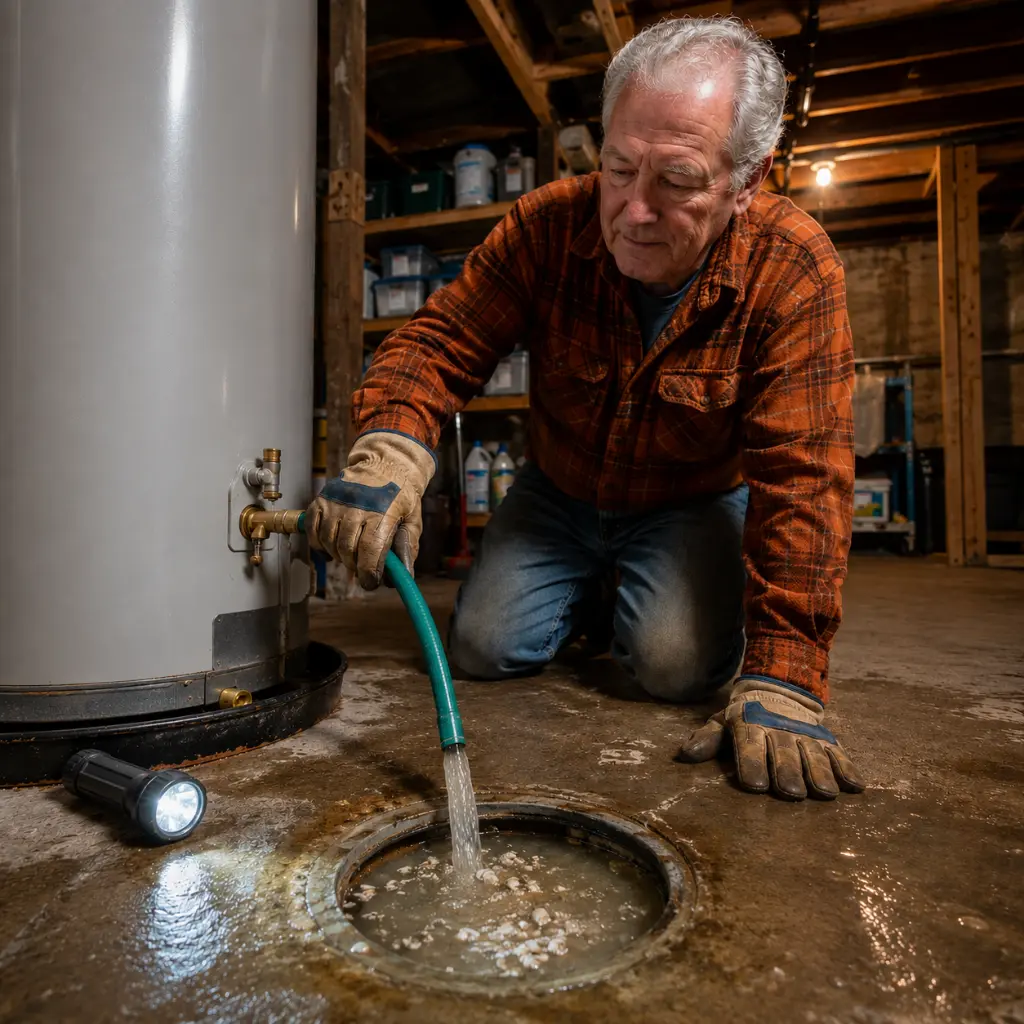
Routine flushing helps remove mineral deposits before heavy scale accumulation places additional stress on the water heater and connected plumbing components.
Plumbing inspection services may help identify early hard water damage before major leaks or system failure occur. Residential plumbing maintenance can also uncover scale buildup, corrosion, or restricted plumbing lines affecting water heater performance.
If recurring hot water problems continue developing, plumbing maintenance services from DNA Plumbing and Heating may help identify whether sediment buildup, scaling, or hidden corrosion is affecting the system.
Water Softeners and Scale Prevention Solutions
How Water Softeners Reduce Mineral Buildup
Water softener installation systems help remove calcium and magnesium minerals before water enters the home’s plumbing system. Reducing mineral content helps limit hard water scale prevention concerns inside pipes, fixtures, and water heaters.
Water softener benefits may include improved plumbing system efficiency, lower scale accumulation, and reduced strain on heating components throughout the home.
Preventive Options for Hard Water Homes
Water treatment systems and filtration equipment can help reduce future mineral accumulation while supporting long-term plumbing reliability. Homes located in areas with elevated mineral content often benefit from a proactive maintenance strategy that focuses on reducing scale formation before problems develop.
Combining treatment solutions with routine inspections allows homeowners to protect water heaters, pipes, and fixtures while minimizing future maintenance concerns.
When Water Heater Replacement May Be Necessary
Severe mineral accumulation, recurring repairs, ongoing leaks, or advanced corrosion may eventually make replacement a more practical option than continued repairs. Inconsistent hot water, declining performance, or visible tank deterioration can also indicate that the unit is nearing the end of its useful service life.
Replacement warning signs often become more apparent once hard water damage begins affecting both the water heater and connected plumbing components. If problems persist despite regular maintenance, DNA Plumbing and Heating can evaluate the system and recommend the most appropriate long term solution.
Conclusion
Hard water affects more than water quality alone. Over time, mineral deposits can accumulate throughout a water heater system, contributing to corrosion, reduced performance, and premature wear on critical components.
Managing mineral buildup before it becomes severe can help protect both the water heater and the broader plumbing system. Understanding the long term effects of hard water allows homeowners to make better decisions about maintenance and water quality management.