Introduction
Most water heater issues can be addressed successfully, particularly when they involve routine maintenance or isolated component failures. However, there comes a stage when ongoing service no longer provides lasting value. Frequent breakdowns, internal corrosion, leaks, and declining performance can all suggest the system is approaching the end of its useful life. If recurring problems continue occurring, scheduling a water heater service visit can help determine whether repair remains practical or if replacement should be considered.
Recognizing these warning signs early can help homeowners avoid unexpected hot water disruptions, property damage, and costly emergency situations. While some issues develop gradually, others can create more immediate concerns if left unresolved. Understanding when replacement becomes the better option is an important part of protecting the home’s plumbing system.
When Repairs Stop Making Sense
The Difference Between Normal Repairs and Chronic Problems
Every water heater requires occasional maintenance and repairs throughout its lifespan. Replacing a thermostat, heating element, or pressure relief valve does not necessarily mean the unit is failing. This is especially true for electric water heaters, where components such as thermostats and heating elements can often be replaced without indicating a larger system problem.
Problems become more concerning when service calls become increasingly frequent. Repeated water heater repair signs often indicate deeper deterioration affecting multiple components rather than a single isolated issue.
Why Repeated Service Calls Often Signal Larger Issues
When different problems continue appearing over a relatively short period, the issue may extend beyond individual component failures. Corrosion, sediment accumulation, and years of wear can affect several parts of the system at the same time.
Rather than addressing a single defect, each repair may simply uncover another aging component that is nearing failure. In these situations, evaluating the overall condition of the unit becomes increasingly important.
Internal Tank Deterioration
Internal deterioration is one of the clearest indicators that a water heater is reaching its later years. As protective components wear down, metal surfaces remain exposed to water and mineral deposits for longer periods.
Over time, this process can weaken areas of the tank that are not visible from the outside. Once structural wear begins progressing internally, the likelihood of more significant problems increases.
Once the anode rod becomes depleted, internal tank corrosion can accelerate significantly, increasing the likelihood of structural deterioration over time.
Water Heater Leak Warning Signs
Leaks From the Tank Itself
Not every leak requires replacement. Loose pipe fittings, drain valve issues, or pressure relief valve leaks can often be repaired successfully.
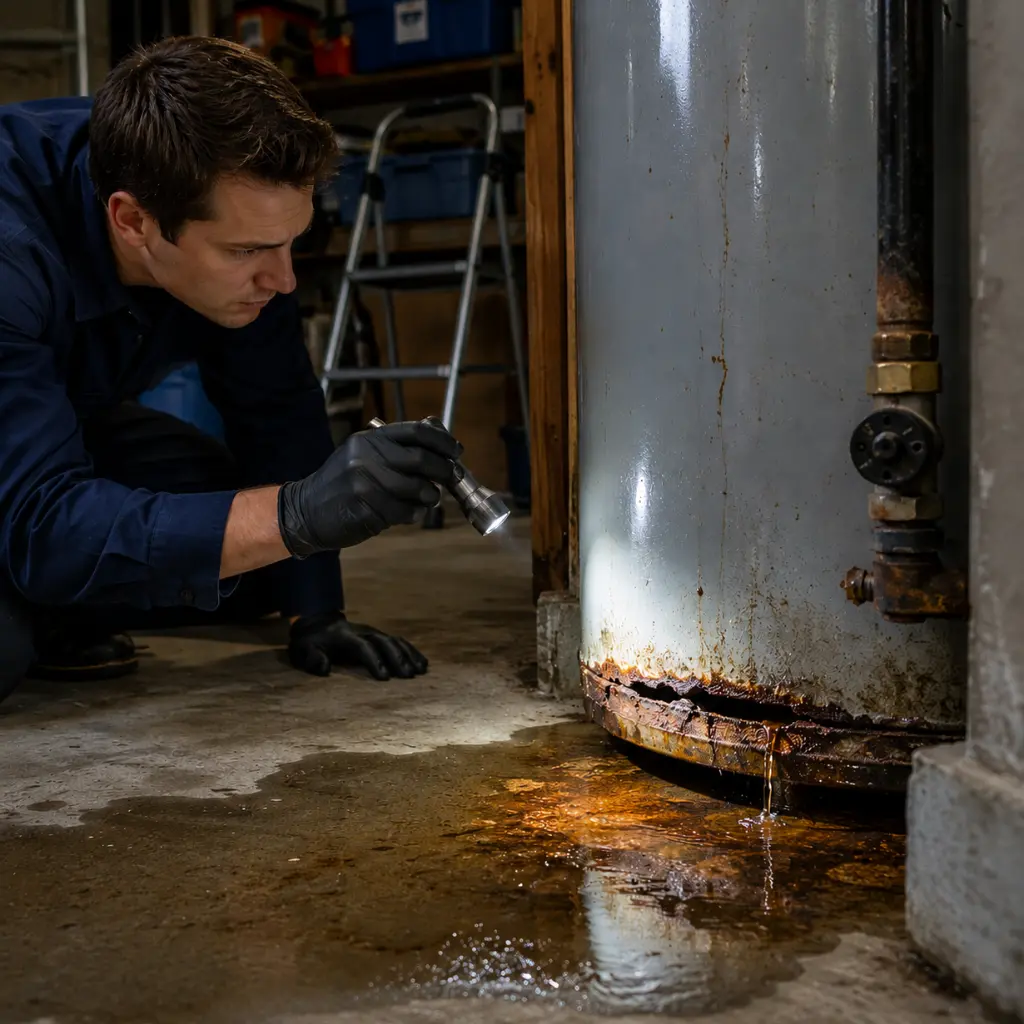
However, a leaking water heater tank is a different situation. When water heater leaks originate directly from the tank body, the metal structure may already be compromised. In these cases, leaking water heater replacement often becomes the safest long-term solution.
Ongoing Moisture and Property Risks
Persistent moisture around a water heater should never be treated as a minor nuisance. Even slow leaks can damage surrounding materials, affect flooring, and create conditions that encourage hidden deterioration in nearby areas.
The longer water remains present, the greater the likelihood of secondary issues developing beyond the water heater itself.
Water Quality Warning Signs
Rusty or Discolored Hot Water
Changes in hot water appearance can provide useful clues about conditions inside the tank. Rusty or discolored water may signal the presence of sediment, mineral deposits, or material breaking down within the system.
Although household plumbing can sometimes contribute to these symptoms, changes that affect only the hot water supply frequently originate closer to the water heater itself.
Odors, Metallic Taste, and Bacterial Growth
A rotten egg smell in hot water may develop when bacteria inside the water heater react with sulfur compounds present in the water supply, particularly when the anode rod is involved. Homeowners may also notice a metallic taste in water or a persistent sulfur smell in water supplied through hot water fixtures.
These symptoms often indicate internal conditions that deserve professional evaluation before they continue worsening.
Performance Problems
Inconsistent Temperatures and Hot Water Shortages
Persistent hot water shortages, temperature fluctuations, or inconsistent performance may indicate that an aging water heater is no longer operating reliably. If these issues continue despite flushing, maintenance, or previous repairs, it may be time to evaluate whether replacement is the more practical solution.
Pressure and Flow Problems
Restricted hot water delivery is another common concern in aging systems. Mineral deposits, internal corrosion, and narrowing water passages can all interfere with normal flow throughout the home.
While the problem may begin gradually, reduced pressure often becomes more noticeable as wear continues, affecting the system’s ability to deliver hot water efficiently.
Unusual Water Heater Noises
Sediment-Related Tank Noises
Persistent water heater noise that continues after routine maintenance or previous repairs may indicate that the system is experiencing broader age related deterioration. When unusual sounds become an ongoing issue rather than an isolated occurrence, it may be worth evaluating the overall condition of the unit.
When Noise Indicates Component Stress
Not all recurring noises originate from sediment alone. Knocking, cracking, vibration, or other persistent sounds may indicate developing wear within the system. If noises become more frequent or noticeable over time, they may signal that the water heater is approaching the point where replacement should be considered.
Efficiency and Cost Problems
Why Older Units Become Less Efficient
Declining efficiency is a common consequence of long term sediment accumulation and normal component wear inside aging water heaters. Over time, homeowners may notice higher utility costs, longer heating cycles, or reduced overall performance.
As these conditions progress, operating costs can increase even when household hot water usage remains relatively unchanged.
When Maintenance No Longer Restores Performance
Maintenance remains valuable throughout the life of a water heater, but it cannot reverse every age related issue. Eventually, flushing and routine service may provide only temporary improvements while underlying deterioration continues progressing.
When efficiency and performance continue declining despite proper care, replacement may become the more practical long term investment.
When Replacement Is the Safer Option
Advanced Age and Reliability Concerns
Every water heater eventually reaches a point where dependable operation becomes more difficult to maintain. Years of heating cycles, mineral exposure, and component wear place increasing demands on the system.
As the unit continues aging, the potential for unexpected breakdowns and major repairs generally becomes a greater concern.
Comparing Repair Frequency With Long-Term Dependability
Frequent repairs often create uncertainty for homeowners who rely on consistent hot water every day. When multiple warning signs appear together, replacement planning may provide greater peace of mind than continuing to repair an increasingly unreliable unit.
Water heater replacement warning signs should always be evaluated in the context of the system’s overall condition rather than a single symptom.
Evaluating Long Term Performance
A thorough water heater evaluation can help determine whether recurring performance issues are likely to respond to further
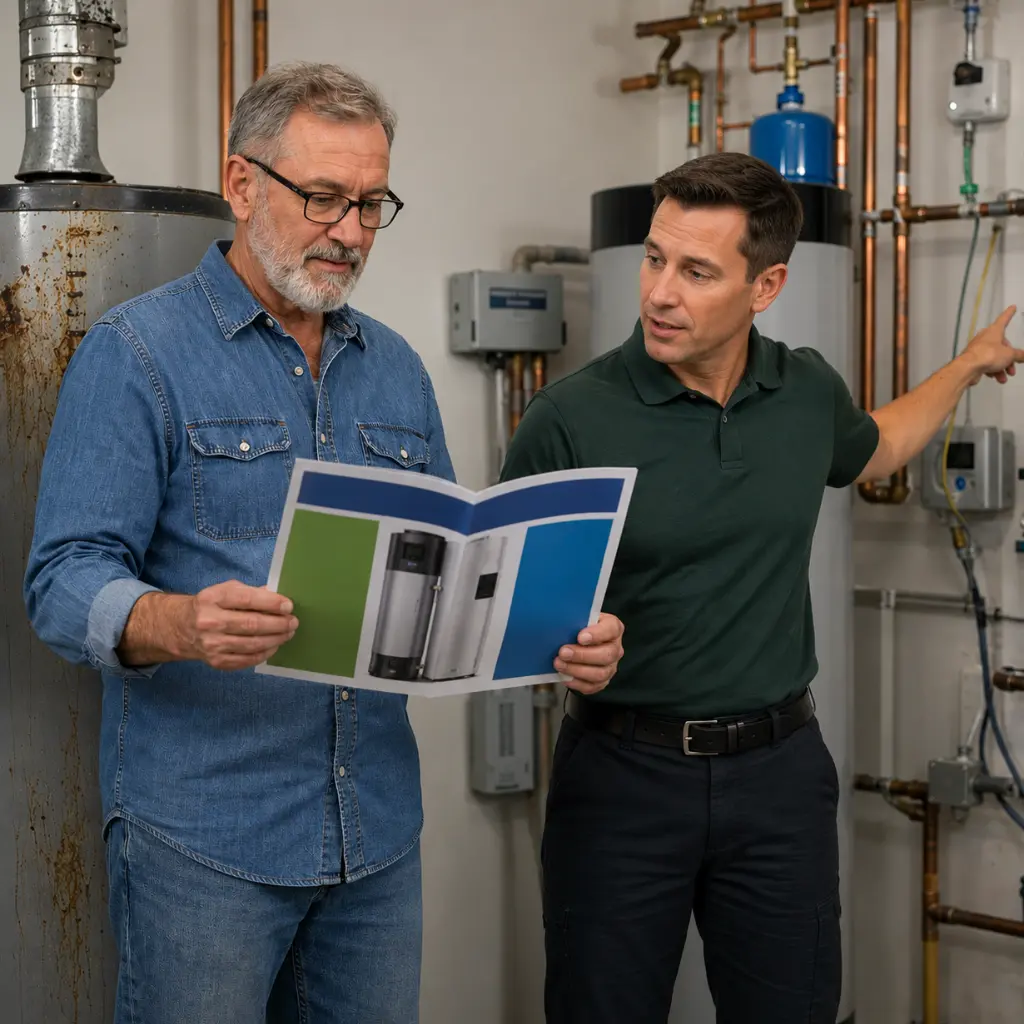
Modern replacement systems offer a range of options depending on household size, hot water demand, and energy goals. Some homeowners prefer traditional storage tanks, while others explore higher efficiency alternatives such as heat pump water heaters.
If several warning signs are appearing at once, DNA Plumbing and Heating can help assess the condition of the existing unit and recommend the most appropriate path forward.
Conclusion
There comes a point when repeated repairs no longer provide a practical long term solution. When multiple warning signs begin appearing together, including leaks, declining performance, and recurring service needs, evaluating replacement options often becomes the more sensible approach.
Understanding the difference between repairable issues and broader system deterioration can help homeowners plan ahead and avoid unexpected disruptions.