Introduction
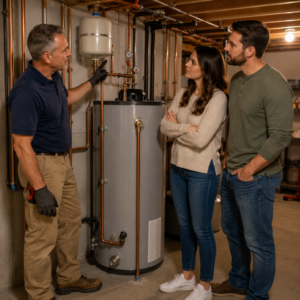
Many homeowners notice plumbing sounds more clearly once the house becomes quiet at night. Banging or vibrating pipes may indicate water hammer plumbing issues, pressure irregularities, or loose pipe connections inside the home’s water lines. Although occasional noises may seem harmless, repeated plumbing knocking sounds can place added strain on valves and fittings. If the noise continues, professional plumbing inspection services from our experienced plumbing team may help identify hidden plumbing problems early.
Why Pipes Often Sound Louder at Night
Reduced Background Noise Inside the Home
Pipe noises often become easier to notice once televisions, appliances, conversations, and outdoor activity quiet down for the evening. Sounds that go unnoticed during the day may suddenly seem much louder late at night.
Even small amounts of pipe movement can create noticeable nighttime pipe noises when the surrounding environment is quiet. Homeowners may begin hearing humming water pipes, knocking inside walls, or vibration sounds that were previously masked by normal daytime activity.
Overnight Pressure Changes Inside Plumbing Lines
Changes in plumbing pressure sometimes become more noticeable during overnight hours when overall neighborhood water usage decreases. In some homes, higher pressure inside the water lines can make pipe movement and vibration sounds easier to hear late at night.
Temperature changes may also contribute to nighttime plumbing noises. As hot water pipes cool after evening use, pipe expansion and contraction can create shifting sounds inside walls, ceilings, or crawlspaces where plumbing lines pass through framing materials.
Common Causes of Water Hammer Plumbing Problems
Fast Closing Valves and Sudden Water Movement
Water hammer problems often develop when water flowing through plumbing lines suddenly stops or changes direction. Fast closing valves inside washing machines, dishwashers, ice makers, and plumbing fixtures can create sharp pressure shocks inside the pipes.
This sudden movement may produce banging sounds, vibration inside walls, or clanking noises when fixtures shut off quickly. Repeated pressure shock can gradually increase wear on pipe fittings and plumbing connections throughout the home.
High Water Pressure Problems
Excessive water pressure is one of the most common causes of noisy water pipes. When pressure levels remain too high, plumbing fixtures and pipe connections experience additional force each time water moves through the system.
Over time, high PSI water pressure may increase pipe vibration, plumbing connection wear, and pressure buildup inside older plumbing lines. Faulty pressure regulators or aging plumbing components can sometimes allow these pressure fluctuations to become more severe.
Loose Plumbing Pipes Inside Walls
Loose plumbing pipes often create rattling sounds or knocking noises when water suddenly changes direction inside the plumbing lines. Pipes that are not secured properly inside walls, ceilings, or crawlspaces may shift slightly during normal water use.
As plumbing hardware loosens with age, unsecured pipes can repeatedly strike nearby framing materials or mounting surfaces. In many homes, these movement issues become most noticeable at night when surrounding noise levels drop.
Fixtures That Commonly Cause Pipe Banging
Washing Machines and Dishwashers
Washing machines and dishwashers commonly trigger water hammer plumbing issues because their valves close rapidly once the appliance finishes filling with water. This sudden interruption in water movement can create pressure shock throughout nearby plumbing lines.
Homeowners may notice banging sounds shortly after appliance cycles begin or end. Repeated pressure surges from these fixtures may gradually increase wear on nearby pipe fittings and plumbing connections.
Toilets, Faucets, and Shower Fixtures
Aging plumbing fixtures can also contribute to pipe banging and vibration sounds. Toilet refill pipe noise, worn washers, loose fill valves, or faulty faucet components may all create unusual plumbing sounds during everyday water use.
Some homeowners notice banging pipes when toilets refill or clanking noises when faucets close abruptly. In older homes, aging valves and plumbing fittings may become more sensitive to sudden pressure changes inside the water lines.
When Pipe Noises May Signal a Bigger Problem
Repeated Banging Combined With Leaks or Pressure Problems
Pipe noises combined with leaks or pressure irregularities may indicate hidden plumbing wear developing inside the home. Moisture near fixtures, leaking pipe connections, or recurring pressure changes can all suggest that plumbing components are beginning to weaken.
If pipe noises continue becoming louder or more frequent, hidden pipe damage or worn plumbing joints may already be developing behind walls or beneath flooring. Addressing recurring plumbing noises early may help prevent larger repair issues later on.
Gurgling Drains and Sewer-Related Noises
Not every plumbing noise originates from water supply pipes. Gurgling sounds from sinks, tubs, or floor drains may indicate grease clogged plumbing pipes, restricted airflow, or wastewater drainage issues developing inside the drain system.
Drain blockages, sewer line restrictions, or tree roots inside underground sewer pipes can all interfere with normal drainage movement. If gurgling sounds continue alongside slow drains or recurring backups, the plumbing system may require professional inspection.
How Plumbers Diagnose Noisy Plumbing Systems
Pressure Testing and Plumbing System Evaluation
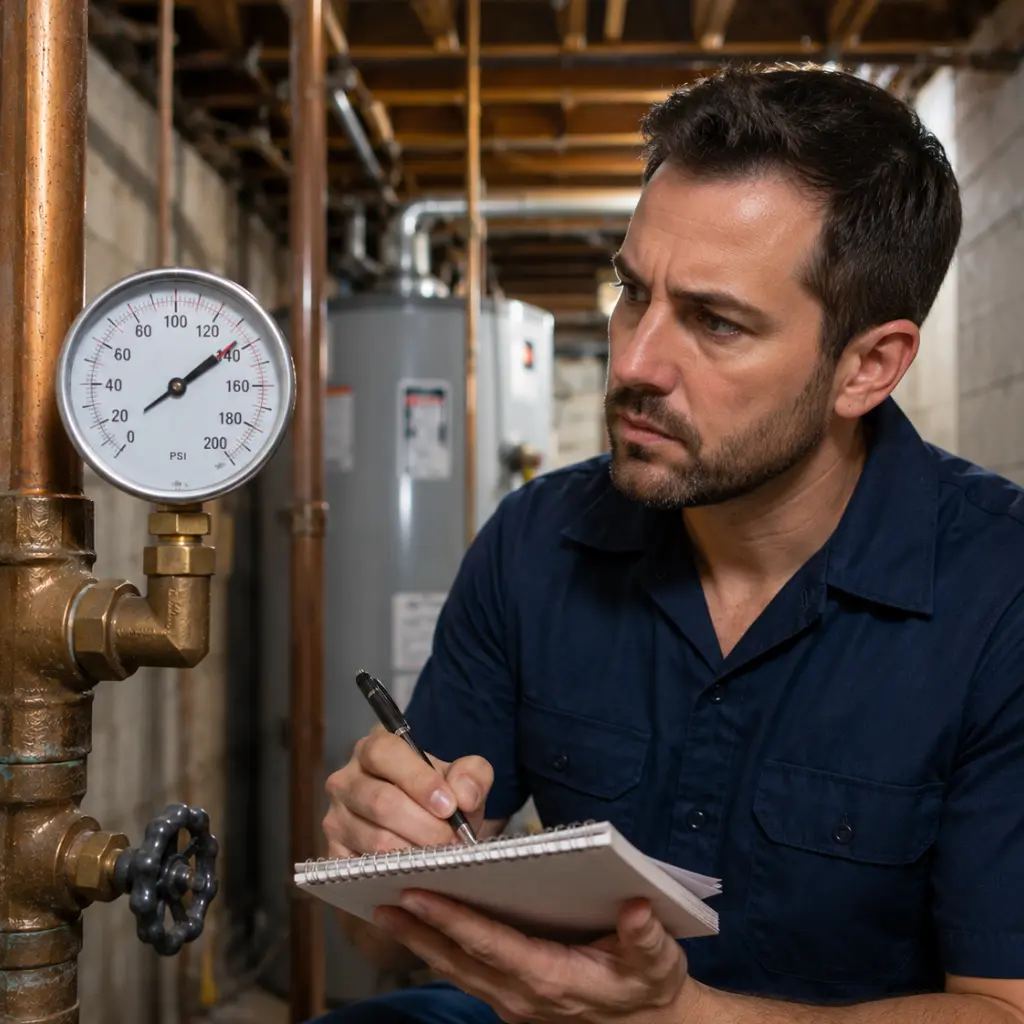
Professional plumbing inspections often begin with pressure testing to identify irregular water pressure conditions throughout the home. Water pressure gauge testing may help determine whether pressure buildup, regulator problems, or sudden pressure fluctuations are contributing to noisy pipes.
Plumbers may also evaluate shutoff valves, fixture components, and exposed plumbing connections while tracing the source of vibration or knocking sounds. Several plumbing issues can produce similar symptoms, making accurate diagnosis important before repairs begin.
Inspecting Pipe Supports and Plumbing Connections
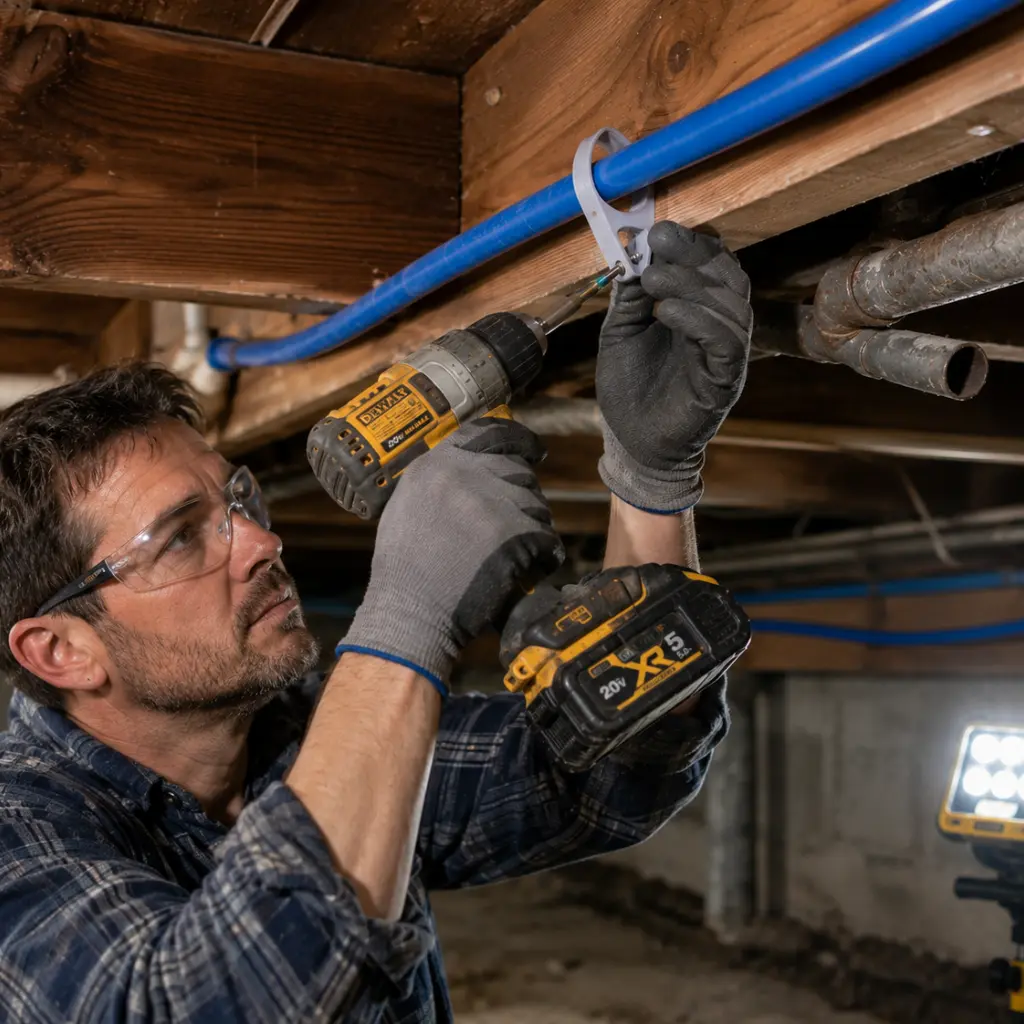
Loose fasteners, weakened mounting straps, or unsecured plumbing hardware may allow pipes to shift when water pressure changes suddenly. During plumbing inspections, plumbers often check exposed plumbing lines for signs of movement, vibration, or worn pipe supports.
Inspections may also help identify hidden plumbing infrastructure problems inside crawlspaces, utility rooms, or unfinished basement areas where pipe noise commonly develops over time.
How to Reduce Water Hammer and Pipe Noise
Securing Loose Pipes and Adding Pipe Support
Reducing pipe movement is often one of the most effective ways to control noisy plumbing pipes. Pipe support brackets, mounting straps, and plumbing vibration control methods help stabilize plumbing lines during sudden water pressure changes.
Proper water pipe stabilization may also reduce long-term wear on fittings and plumbing connections exposed to repeated vibration inside aging plumbing systems.
Installing Water Hammer Protection Devices
Water hammer arrestors are designed to absorb sudden pressure shock created by fast closing valves inside plumbing fixtures and appliances. These protective devices are commonly installed near washing machines, dishwashers, and other fixtures that frequently trigger water hammer plumbing issues.
Properly installed water hammer arrestor solutions may help reduce pipe vibration, banging noises, and long term stress placed on valves and plumbing fittings throughout the system.
Reducing Excessive Water Pressure
Pressure-reducing valve installation may help lower excessive water pressure inside the home. Controlling pressure levels helps reduce plumbing system stress, pipe vibration issues, and unnecessary wear on plumbing fixtures.
If recurring pipe banging continues, DNA Plumbing and Heating can inspect the plumbing system and identify whether pressure control, pipe stabilization, or plumbing repairs may be needed to prevent future pipe damage.
Preventing Future Plumbing Noise Problems
Many plumbing noises develop when pressure changes, loose pipe supports, or worn fixture components allow pipes to move during normal water use. Addressing these conditions promptly can help reduce stress on plumbing connections and fittings.
Monitoring water pressure and correcting pipe movement early may also help prevent repeated water hammer events and unnecessary wear throughout the plumbing system.
Conclusion
Plumbing noises are more than a nuisance when they occur regularly. Banging, rattling, or water hammer sounds can indicate conditions that place repeated stress on pipe connections and plumbing fixtures over time.
Identifying the source of these noises allows homeowners to correct pressure related issues, stabilize plumbing lines, and reduce unnecessary strain on the system. Addressing the cause early can help maintain quieter and more reliable plumbing operation throughout the home.