Introduction
Many plumbing problems leave behind more than visible water damage. Moisture can spread quietly into drywall, flooring, insulation, and ceiling cavities, creating conditions that support mold growth inside the home. In many cases, homeowners deal with hidden water damage long before stains or odors become noticeable.
Understanding how plumbing emergencies contribute to mold problems is an important part of long-term water damage mold prevention. Issues such as burst pipes, sewer backups, leaking water heaters, and drain overflows can all trap moisture in hard-to-reach areas. Responding quickly helps protect indoor air quality while limiting avoidable structural damage inside the property. Quick plumbing repairs, proper drying, and early moisture control also play an important role in reducing the risk of mold growth after water damage occurs.
Why Plumbing Emergencies Often Lead to Mold Problems
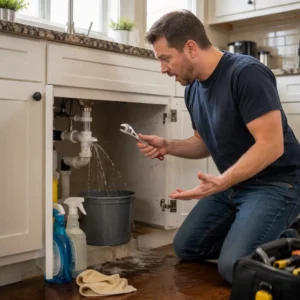
Water from plumbing failures often travels far beyond the original leak location. Moisture can move behind drywall, beneath flooring, inside insulation, and around wooden framing before visible damage appears. These hidden damp areas create conditions that allow mold growth to develop, especially in spaces with poor ventilation. Some plumbing problems remain unnoticed for extended periods. A slow leak beneath a kitchen sink or inside a bathroom wall may quietly saturate nearby materials until odors, staining, or warped surfaces begin to appear.The longer moisture stays trapped indoors, the more difficult hidden water damage becomes to control.
Hidden Pipe Leaks and Moisture Damage
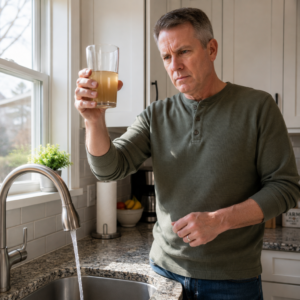
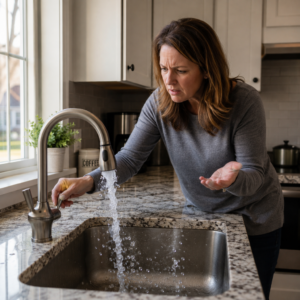
Leaks behind walls rarely produce immediate warning signs. A loose pipe fitting or small crack may slowly release water into insulation and drywall while the surrounding area still appears dry from the outside. In some cases, homeowners may also notice occasional discolored water if corrosion is affecting the damaged plumbing section. In many homes, discoloration or musty odors only appear after moisture has already spread through nearby materials.
Why Fast Leak Detection Matters
Unchecked leaks can slowly damage flooring, drywall, insulation, and wooden framing over time. What starts as a small plumbing issue may eventually create larger moisture problems inside enclosed sections of the home.
Shutting off the affected water supply, drying damp materials quickly, and scheduling early moisture inspections can help reduce hidden water damage before mold develops behind walls or beneath flooring.
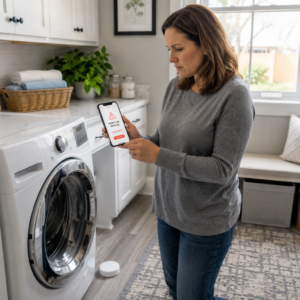
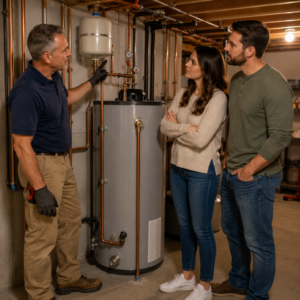
Professional leak detection services help identify hidden plumbing problems before repairs become more disruptive. If certain areas continue developing damp spots or musty odors, DNA Plumbing and Heating can inspect the system and locate the source of the moisture.
Burst Pipes and Water Damage
How Frozen Pipes Cause Sudden Water Damage
Cold winter temperatures remain one of the most common causes of burst pipe water damage in many US homes. When water freezes inside exposed pipes, pressure builds within the line until the pipe eventually cracks or ruptures. Once temperatures rise, water rapidly escapes through the damaged section.
Frozen pipes often affect garages, crawl spaces, utility rooms, exterior walls, and unfinished basements where insulation may be limited. A sudden pipe failure can release enough water to soak nearby flooring, drywall, and stored belongings within a short period.
Proper pipe insulation, maintaining consistent indoor heat during freezing temperatures, and sealing exposed draft areas can help reduce the risk of pipe failures during colder months.
Areas Most Commonly Affected After a Burst Pipe
After a pipe bursts, water can quickly move through ceilings, insulation, utility spaces, and subflooring before the leak is fully contained. Finished rooms are especially vulnerable because carpeting, drywall, and wood flooring often continue absorbing moisture even after visible water has been removed.
After burst pipe water damage, professional water extraction, dehumidification, and removal of saturated materials may be necessary to help reduce long term moisture problems inside the home.
Prompt emergency plumbing repair also helps limit lingering moisture inside building materials and lowers the risk of mold developing afterward.
Drain Overflows and Sewer Backups
Common Causes of Drain Overflows
Clogged drain overflow situations often begin with slow-draining sinks, blocked shower drains, or grease buildup inside kitchen drain lines. Over time, restricted drainage prevents wastewater from flowing properly through the drain system, eventually forcing water back into sinks, tubs, or floor drains.
Drain blockage problems may also develop deeper inside sewer lines due to tree root intrusion, pipe deterioration, or accumulated debris. In many homes, recurring clogged bathtub drain issues or frequent toilet backups may signal larger sewer and drain problems beneath the property.
Why Sewage Moisture Creates Additional Risks
Sewer backup symptoms should never be ignored because they may indicate a drainage problem that is allowing excess moisture to remain inside the home. Wastewater exposure can create damp conditions that become difficult to dry completely, particularly in enclosed areas with limited airflow.
Fast cleanup and proper drain repair help reduce ongoing moisture concerns and limit the conditions that support mold growth indoors. Routine drain cleaning and sewer line inspections may also help reduce the likelihood of recurring wastewater problems.
Water Heater Leaks and Hidden Moisture
Signs Your Water Heater May Be Leaking
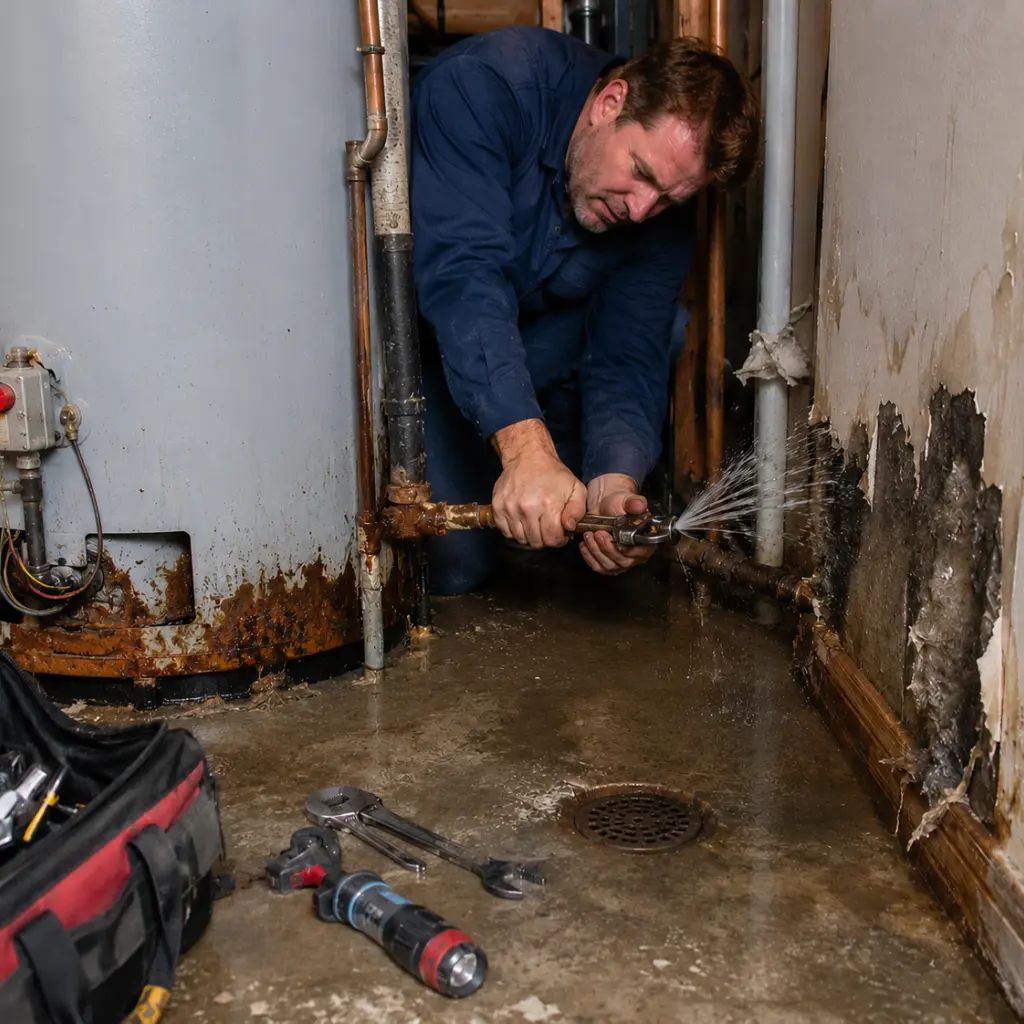
A leaking water heater may first appear as rust near fittings, small puddles around the base of the tank, or moisture collecting beneath nearby pipes. Some homeowners notice damp drywall or softened flooring near utility room walls before realizing the water heater is the source.
Minor leaks around supply lines, valves, or older tank connections may continue unnoticed for long periods. As moisture builds around nearby materials, hidden water damage can gradually develop beneath flooring or inside surrounding walls.
Moisture Problems That Continue After Small Leaks
Water heater leaks do not always create immediate visible damage. Even small amounts of repeated moisture exposure around cabinetry, flooring, or wall surfaces can slowly create damp conditions in concealed areas over time.
Routine plumbing maintenance can help uncover aging fittings or leaking components before hidden moisture develops into larger repair issues.
Sump Pump Failures and Basement Mold Risks
Why Basements Develop Moisture Faster
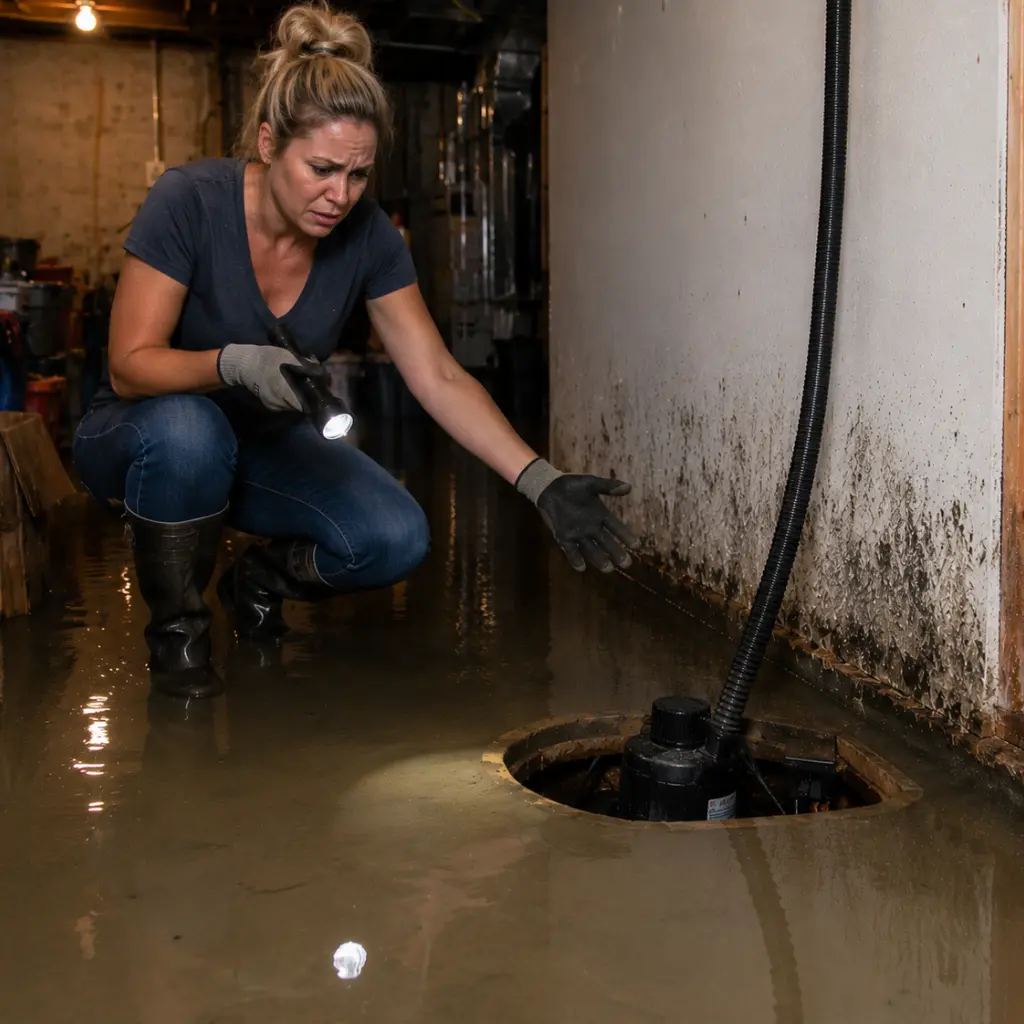
Basements naturally experience higher moisture exposure because they sit below ground level, where groundwater pressure and storm runoff collect around the foundation. During heavy rainfall, sump pump failure can allow standing water to accumulate rapidly inside unfinished basement areas.
Basement flooding issues often affect storage rooms, utility spaces, and lower-level living areas where airflow remains limited. Poor drainage around the home can also increase long-term basement moisture problems.
How Standing Water Leads to Mold Growth
Flooded basements often hold moisture long after standing water disappears. Damp conditions may remain inside drywall, concrete surfaces, wood framing, and stored belongings where ventilation is limited.
Addressing moisture quickly after sump pump failure or heavy rainfall helps reduce the chance of mold developing in lower level areas of the home.
How Emergency Plumbing Repairs Help Prevent Mold
The first priority after a plumbing leak or drain backup is controlling moisture before it spreads into surrounding materials. Fast repairs help limit water intrusion into drywall, flooring, insulation, and other areas where moisture can remain trapped.
Reducing exposure time is often one of the most effective ways to lower the risk of secondary damage and conditions that support indoor mold growth.
Conclusion
The amount of time water remains inside a home often determines how much damage follows a plumbing emergency. Even a relatively small leak can create lasting problems if moisture becomes trapped inside walls, flooring, or other building materials.
Responding quickly after plumbing failures helps limit secondary damage and reduces the likelihood of mold establishing itself in hidden areas. Effective moisture control remains one of the most important parts of post repair recovery.