Introduction
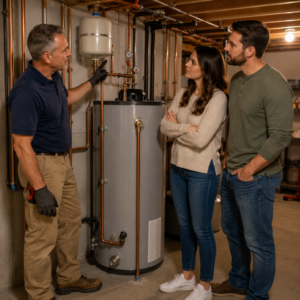
When a water heater trips breaker protection repeatedly, it is often a sign that something within the system requires attention. Circuit breakers are designed to disconnect power when unsafe conditions develop, helping protect both the appliance and the home’s electrical network from damage. If recurring electrical shutdowns occur, a thorough inspection and timely water heater service can help identify the source before more serious damage develops.
An electric water heater tripping breaker may be linked to heating element failures, thermostat issues, wiring defects, or other component malfunctions. Some homeowners first notice a sudden loss of hot water, while others experience repeated shutdowns before any obvious performance issues appear. Understanding the possible causes can help prevent more serious equipment damage and prolonged disruptions to the home’s hot water supply.
Why Breakers Trip
How Circuit Breakers Protect Electrical Systems
Circuit breakers play an important role in home electrical system safety. Their purpose is to interrupt power whenever excessive current flow, overheating, or electrical faults are detected. This form of electrical circuit protection helps reduce the risk of damaged equipment, overheated wiring, and potential fire hazards.
When a breaker trips, it is responding to a condition that falls outside normal operating parameters. Rather than being the problem itself, the breaker is often alerting homeowners to an issue elsewhere in the system.
Why Water Heaters Require Dedicated Electrical Circuits
Electric water heaters consume a significant amount of power during operation. For this reason, most systems require a dedicated circuit for water heater operation without sharing electrical loads with other appliances.
Proper breaker sizing requirements help ensure safe operation. If water heater load issues exceed the circuit’s capacity, circuit breaker overload protection may activate to prevent damage.
Common Warning Signs
Breaker Trips During Heating Cycles
Many breaker problems appear only when the water heater is actively producing hot water. During heating cycles, electrical demand increases and hidden faults are more likely to trigger protective shutdowns.
Paying attention to when the breaker trips can provide useful information during the diagnostic process and help narrow down the source of the problem.
Loss of Hot Water or Temperature Fluctuations
When power is repeatedly interrupted, the water heater cannot complete normal heating cycles. Homeowners may notice inconsistent temperatures, slower hot water recovery, or a complete lack of hot water during daily use.
In some cases, these performance changes appear before the breaker begins shutting off frequently enough to attract immediate attention.
Unusual Noises or Performance Changes
Water heater malfunction symptoms sometimes include sizzling sounds from water heater components, popping noises from water heater tanks, or unexpected performance changes. These warning signs may indicate electrical or internal component problems that deserve attention.
Heating Element Problems
Burnt Out or Shorted Heating Elements
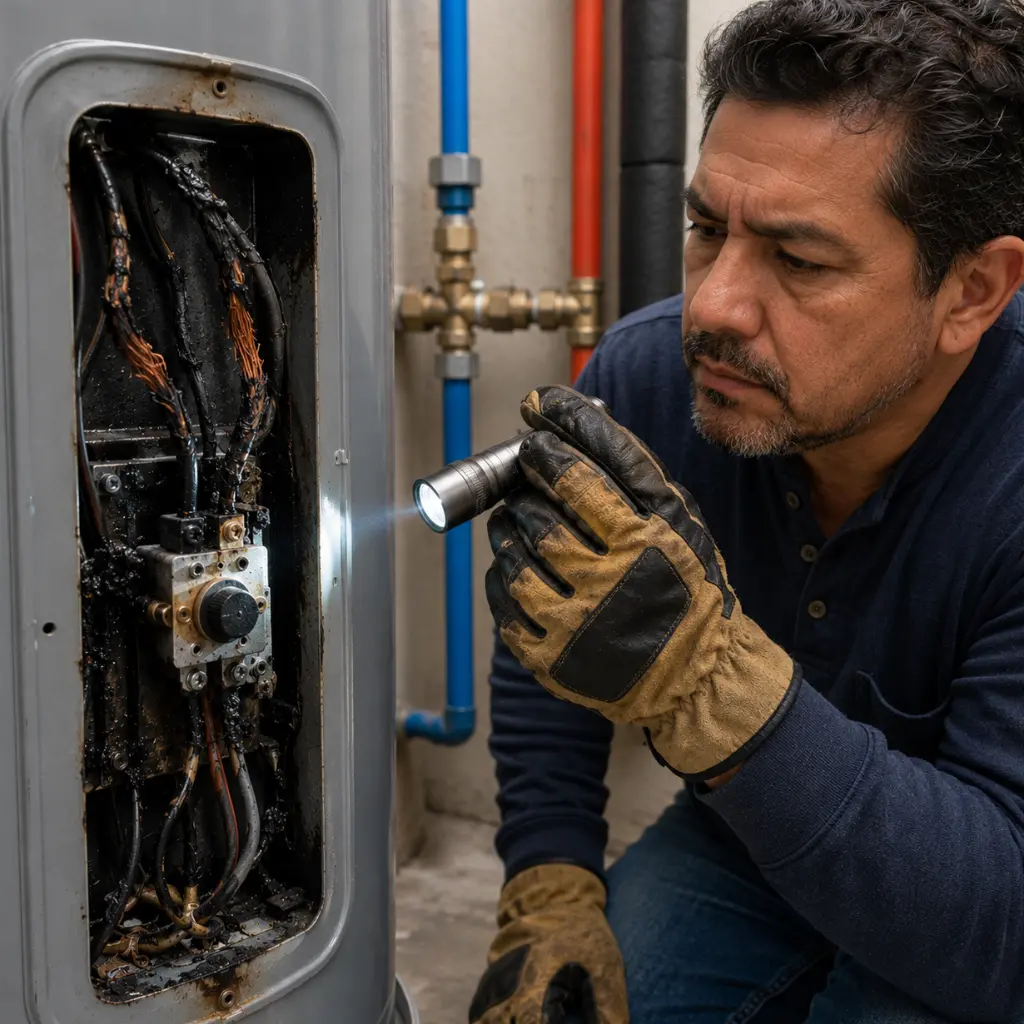
One of the most common causes of a water heater tripping a breaker is internal damage to one of its heating components. These parts operate under constant temperature changes while remaining exposed to water inside the tank.
As wear develops, electrical current may no longer flow as intended. A short circuit condition can trigger immediate breaker shutdowns as a protective measure. Proper testing helps determine whether replacement is necessary to restore safe operation.
Ground Fault Problems Inside the Tank
Ground faults develop when electrical current escapes its intended path and comes into contact with metal components or water inside the system. This often occurs when internal parts deteriorate or insulation breaks down.
Because these faults present significant safety risks, circuit protection devices are designed to disconnect power quickly whenever abnormal current flow is detected.
Thermostat Problems
Malfunctioning Thermostats
A faulty water heater thermostat can interfere with proper temperature regulation. When thermostat controls fail, the system may continue heating longer than intended, increasing the risk of the water heater overheating.
Faulty thermostat symptoms often include inconsistent temperatures, unexpected shutdowns, or repeated breaker trips occurring during normal operation.
Thermal Cut-Off Safety Switch Problems
Most electric water heaters include protective devices designed to shut down operation when unsafe temperatures develop. A thermal cut-off switch failure or a malfunctioning thermostat may cause these safety systems to activate more frequently.
In some cases, thermostat replacement may be necessary to restore reliable temperature control and prevent recurring electrical interruptions.
Wiring and Electrical Faults
Loose or Corroded Electrical Connections
Electrical connections naturally experience wear over time. Loose terminals or corrosion around connection points can create resistance that generates excessive heat whenever the water heater operates.
As temperatures rise, the circuit may become unstable enough to trigger protective shutdowns. These conditions are not always visible and typically require inspection to confirm.
Damaged Wiring and Electrical Shorts
Electrical wiring faults sometimes develop as insulation deteriorates or wiring components age. Burned electrical wiring may expose conductors and create unsafe operating conditions.
A faulty wiring diagnosis often reveals electrical short circuits that cause immediate breaker trips whenever power is applied to the system.
Water Exposure Around Electrical Components
Moisture and electrical components are a problematic combination. Even minor leaks can affect nearby wiring, terminals, or controls, creating conditions that increase the likelihood of shorts and equipment damage.
When water and electrical issues appear together, prompt inspection becomes especially important to prevent additional deterioration.
Breaker Related Issues
Aging or Failing Circuit Breakers
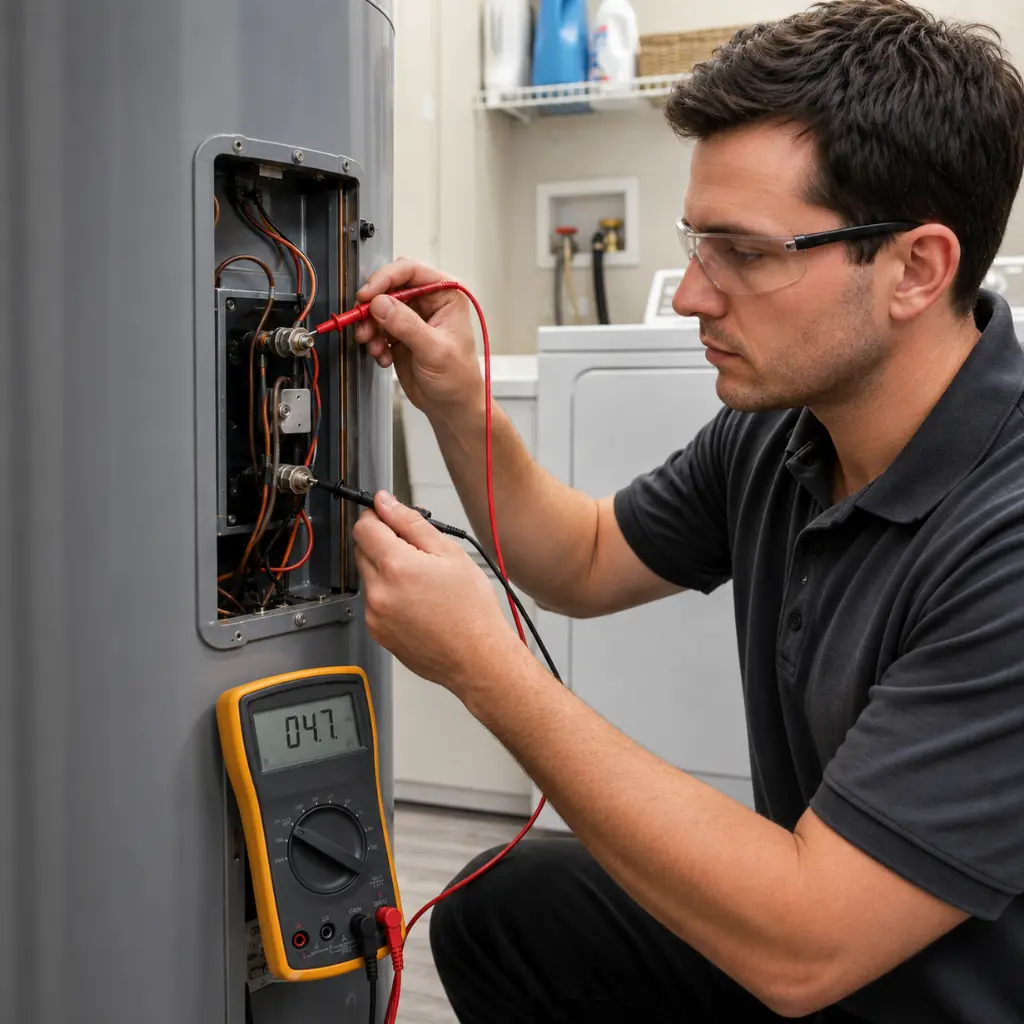
While the water heater is frequently suspected first, the electrical panel can sometimes be the source of the problem. Protective devices wear down over time and may become more sensitive than intended.
In certain situations, testing reveals that the panel component responsible for protecting the circuit is no longer operating properly.
Incorrect Breaker Sizing
Undersized circuit breaker installations may struggle to handle the electrical demands of a water heater. When electrical overload problems occur repeatedly, the issue may involve breaker sizing rather than the appliance itself.
Circuit breaker troubleshooting can help determine whether the existing breaker matches the system’s requirements.
When Replacement Makes Sense
Aging Water Heater Problems
Older water heaters often experience multiple wear-related issues at the same time. As components age, the likelihood of heating, electrical, and performance problems increases.
When repairs become more frequent, and reliability continues declining, it may be a sign that the system is nearing the end of its practical service life.
Evaluating Replacement Options
Repeated shutdowns, declining efficiency, rising operating costs, and frequent service needs can all indicate that the unit is approaching the end of its useful life.
If these issues continue despite repairs, a professional assessment can help determine whether upgrading to a newer model would provide better long term value and dependability.
Professional Diagnosis and Repair
Why Electrical Water Heater Problems Require Proper Diagnosis
Electrical water heater issues can produce similar symptoms even when the underlying causes are very different. Replacing parts without confirming the source of the problem can waste time and leave the actual fault unresolved.
A systematic evaluation helps identify the exact issue while reducing unnecessary repairs and repeat service calls.
What a Professional Inspection Can Identify
A thorough evaluation can reveal heating element damage, thermostat defects, wiring concerns, and other conditions that contribute to unexpected shutdowns. Testing individual components helps determine whether repair or replacement is the most appropriate solution.
DNA Plumbing and Heating can assess the system, pinpoint the source of the problem, and recommend safe corrective action based on the unit’s overall condition.
Conclusion
A breaker that repeatedly trips is performing an important safety function by alerting homeowners to a developing problem within the system. Ignoring repeated shutdowns can allow electrical or mechanical issues to worsen over time.
Determining the underlying cause is essential for restoring dependable operation and maintaining the safe performance of an electric water heater.