Most homeowners and property managers understand that backflow testing needs to happen, but very few understand why it has to happen every single year rather than once at installation and then only when something goes wrong. The answer is not about paperwork or bureaucracy. It comes down to how backflow preventers behave over time, how water system conditions shift seasonally, and why a test result from twelve months ago genuinely cannot tell you what a device will do under today’s conditions. Annual backflow testing is a regulatory requirement across most US municipalities, and the reasoning behind that frequency is both practical and well-founded. Whether you own a home with an irrigation connection or manage a commercial property with multiple water systems, understanding why the annual requirement exists makes it much easier to stay on top of. Getting your annual backflow testing service scheduled before your local deadline is the simplest way to stay compliant without the stress.
Key Takeaways
- Annual backflow testing is required because a device that passed last year’s test can fall outside the required performance range within twelve months of normal operation
- Water system conditions including pressure fluctuations, seasonal demand changes, and mineral content affect how a backflow preventer performs year to year
- Most US municipalities require annual certification for any property with a backflow preventer connected to the public water supply
- Residential homeowners with irrigation systems, pools, or spa connections are subject to annual testing requirements in most states
- Commercial properties and buildings with fire suppression systems face the most detailed annual testing and reporting requirements
- Skipping an annual test puts your property at risk of notices and service issues, covered in detail in our guide on what happens when you skip mandatory backflow testing
Why Regulators Set the Testing Cycle at One Year
The one-year interval for annual backflow testing is not arbitrary. It reflects how quickly real-world water system conditions can shift the performance of a device that looked perfectly functional at its last inspection. Pressure fluctuations in the municipal supply, seasonal changes in water demand, and the natural cycling of temperature across a full calendar year all place stress on a backflow preventer in ways that accumulate gradually. Regulators and water authorities established the yearly backflow testing frequency requirement because studies of backflow assembly performance over time consistently showed that devices could drift meaningfully outside required parameters within a single year, even without any obvious external event causing the change. The annual interval is essentially the point where the risk of undetected performance decline becomes unacceptable from a public health standpoint.
Who Requires Annual Backflow Testing Across the US
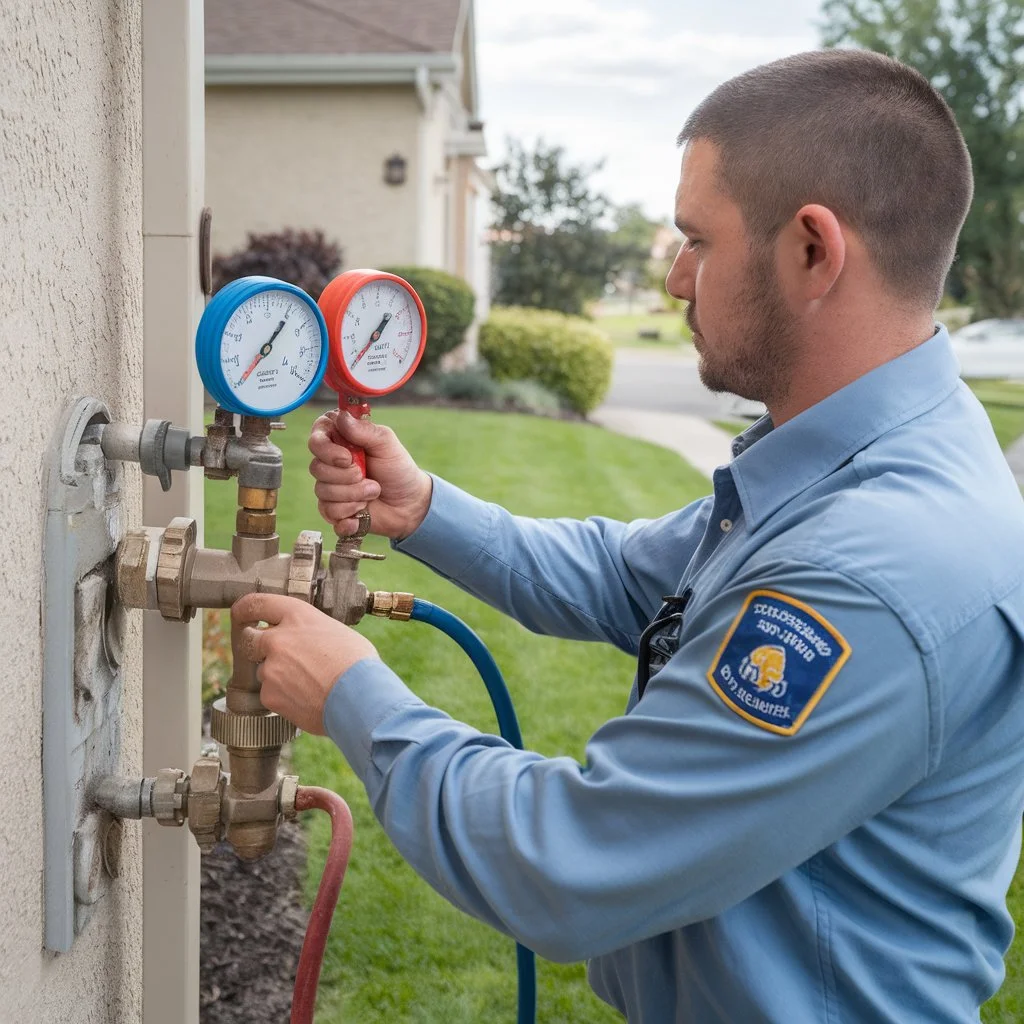
Mandatory annual backflow testing is enforced by local water authorities and municipal utilities in alignment with EPA drinking water protection standards and state-level backflow testing regulations. The specific rules vary by jurisdiction but the framework is consistent enough that most property owners with a backflow preventer on a public water connection will be subject to annual certification requirements. Understanding which category your property falls into is the starting point for knowing exactly what your compliance obligations look like.
Property Type | Typical Annual Testing Requirement | Common Connection Type |
Residential with irrigation system | Annual certification required in most states | Lawn and garden irrigation |
Residential with pool or spa | Annual or biannual depending on jurisdiction | Water fill connections |
Commercial properties | Annual certification universally required | Multiple cross-connection points |
Properties with fire suppression | Annual certification with detailed reporting | High-hazard cross-connection |
Multi-unit residential buildings | Annual in most municipalities | Shared water supply systems |
What Annual Backflow Testing Means for Residential Homeowners
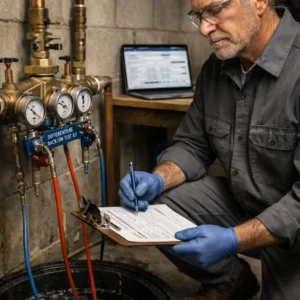
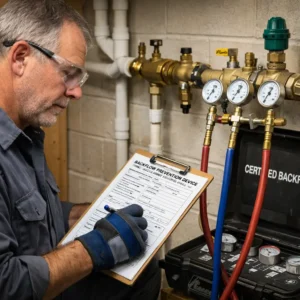
For most homeowners, the annual backflow testing requirement applies because of an irrigation system, a pool fill connection, or a boiler tied into the home’s water supply. Annual backflow testing requirements for homes in most states call for a certified tester to evaluate the device once per year and submit the results directly to the local water authority. The test itself typically takes under an hour and does not require any disruption to the home beyond briefly shutting off the water supply at the preventer.
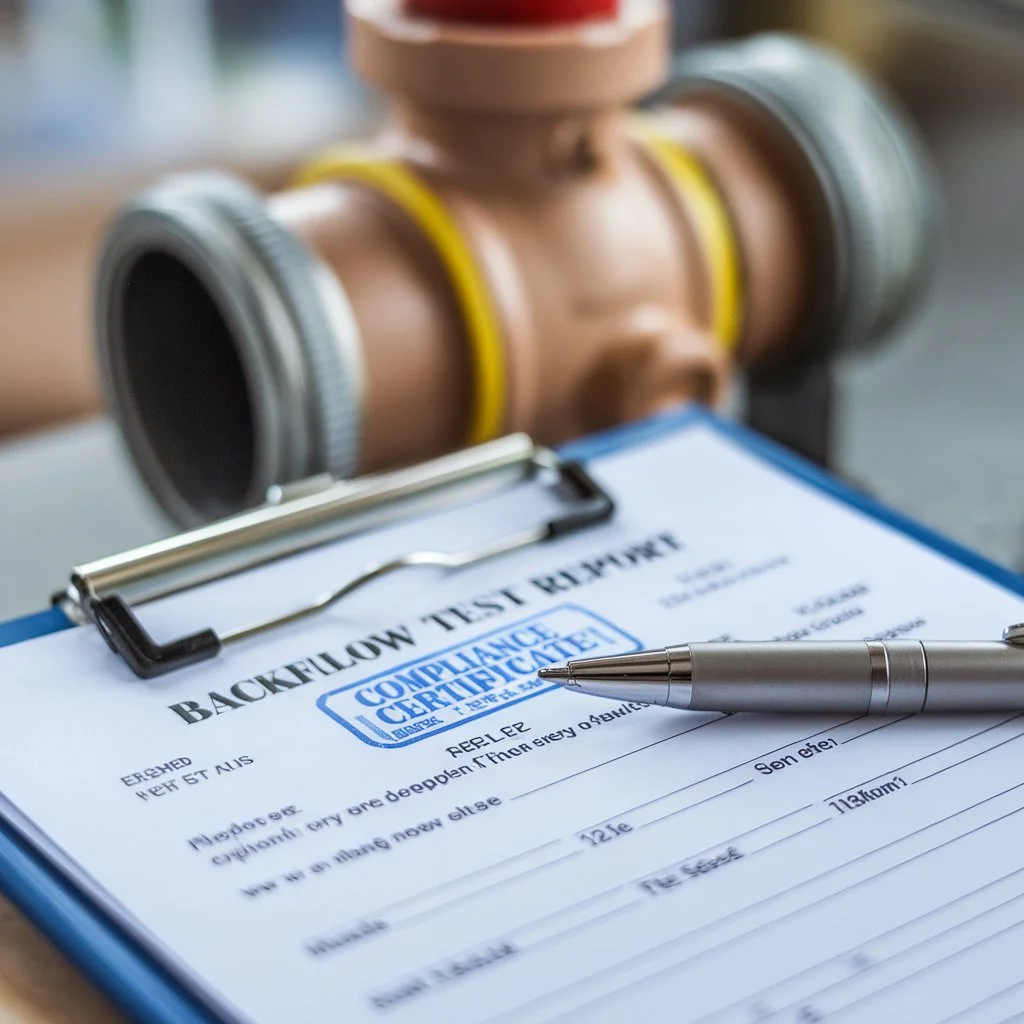
Scheduling a backflow prevention inspection at the same point each year is the simplest way to make sure that certification stays current without letting the deadline sneak up on you. What it produces is a backflow preventer annual certification on file with your water authority confirming your system is functioning correctly and your property is in compliance for that year. Homeowners in areas with hard water or older plumbing systems benefit the most from keeping this schedule consistent since those conditions accelerate the kind of internal wear that causes devices to drift out of compliance between inspections.
How Seasonal Timing Affects Your Annual Backflow Test
Knowing when to schedule your annual backflow test matters as much as knowing that it needs to happen. Most US municipalities set annual compliance deadlines that align with either spring or fall, and scheduling too close to that deadline leaves no room to address a failed test result before the cutoff passes. Spring is generally the most practical window for properties with irrigation systems since the test can be completed as the system comes back online after winter, catching any freeze-related issues before the system runs under full pressure. Fall testing works well for properties in colder climates where shutting down and winterizing equipment is already part of the seasonal routine. Building your annual backflow test into that same window means it never gets lost in the busier summer months when scheduling can get tight.
Why Annual Testing Protects More Than Just Your Water
Routine backflow prevention maintenance and annual testing of backflow assemblies protect more than the quality of the water coming out of your taps. Preventing cross-connection risks through annual testing keeps contaminants from lawn chemicals, pool treatments, boiler additives, and fire suppression system fluids out of the shared public water supply that your neighbors and community depend on. A single failed backflow preventer during a pressure event can affect multiple properties on the same line, which is why local water authorities treat this as a public health requirement rather than a routine maintenance suggestion. Keeping your device certified annually is your part in a system that works because everyone maintains their piece of it.
What if you do not do the annual backflow prevention test? Beyond the compliance consequences covered in our previous guide, the more immediate risk is that your device could be silently failing during a real backflow event with no certified documentation showing it was ever checked. That gap in your records creates liability exposure that no property owner wants to face after the fact.
Schedule Your Annual Test Before the Deadline Finds You
Annual backflow testing is easy to manage when you stay ahead of it and genuinely disruptive when you fall behind. One certified test per year keeps your device performing correctly, your compliance record current, and your property protected from the cross-connection risks that these regulations were designed to prevent. The best approach is to treat it like any other annual home maintenance item, put it on the calendar at the same time each year and take care of it before it becomes urgent.
Annual backflow testing is easy to manage when you stay ahead of it and genuinely disruptive when you fall behind. One certified test per year keeps your device performing correctly, your compliance record current, and your property protected from the cross-connection risks that these regulations were designed to prevent. For building owners and property managers, staying on top of commercial backflow testing on a consistent annual schedule is especially important given the documentation requirements and multi-device inspections that commercial compliance involves. The best approach for any property is to treat it like any other annual maintenance commitment, put it on the calendar at the same time each year and take care of it before it becomes urgent.
At DNA Plumbing and Heating, our certified technicians handle annual backflow testing and certification for residential and commercial properties, making sure your device meets current standards and your documentation stays up to date with your local water authority. Contact DNA Plumbing and Heating today to schedule your annual backflow test and keep your property fully compliant year after year.