Introduction
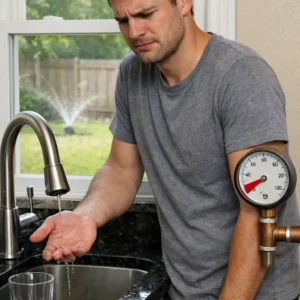
Questions often arise about whether backflow prevention water pressure issues can affect a plumbing system. Backflow preventers are safety devices installed on water lines and irrigation systems to protect the potable water supply from contamination. These devices prevent water from flowing backward into the clean water system.
Under normal conditions, a properly installed backflow prevention device should not cause noticeable pressure loss. However, if internal components wear out or debris builds up inside the valve, water flow may become restricted. Understanding how these devices function and what causes pressure changes can help homeowners recognize potential problems and decide when professional backflow testing and inspection may be necessary.
What a Backflow Preventer Does and How It Affects Pressure
A backflow prevention device protects drinking water by stopping the contaminated water from flowing back into the clean supply line. This protection is particularly important in systems connected to irrigation equipment or chemical treatments.
Inside the device are several components that control water direction:
- Backflow check valve
- Backflow relief valve
- Backflow test cocks
- Backflow shutoff valve
- Internal seals and springs
Water must pass through these internal mechanisms, which creates a slight resistance. This resistance is known as a backflow preventer pressure drop. In most modern systems, the drop is small and does not interfere with daily water use.
Double check valve assembly (DCVA) or reduced pressure zone assembly (RPZ) devices are designed to maintain steady flow while providing strong protection.
Why Backflow Preventers Cause Low Water Pressure
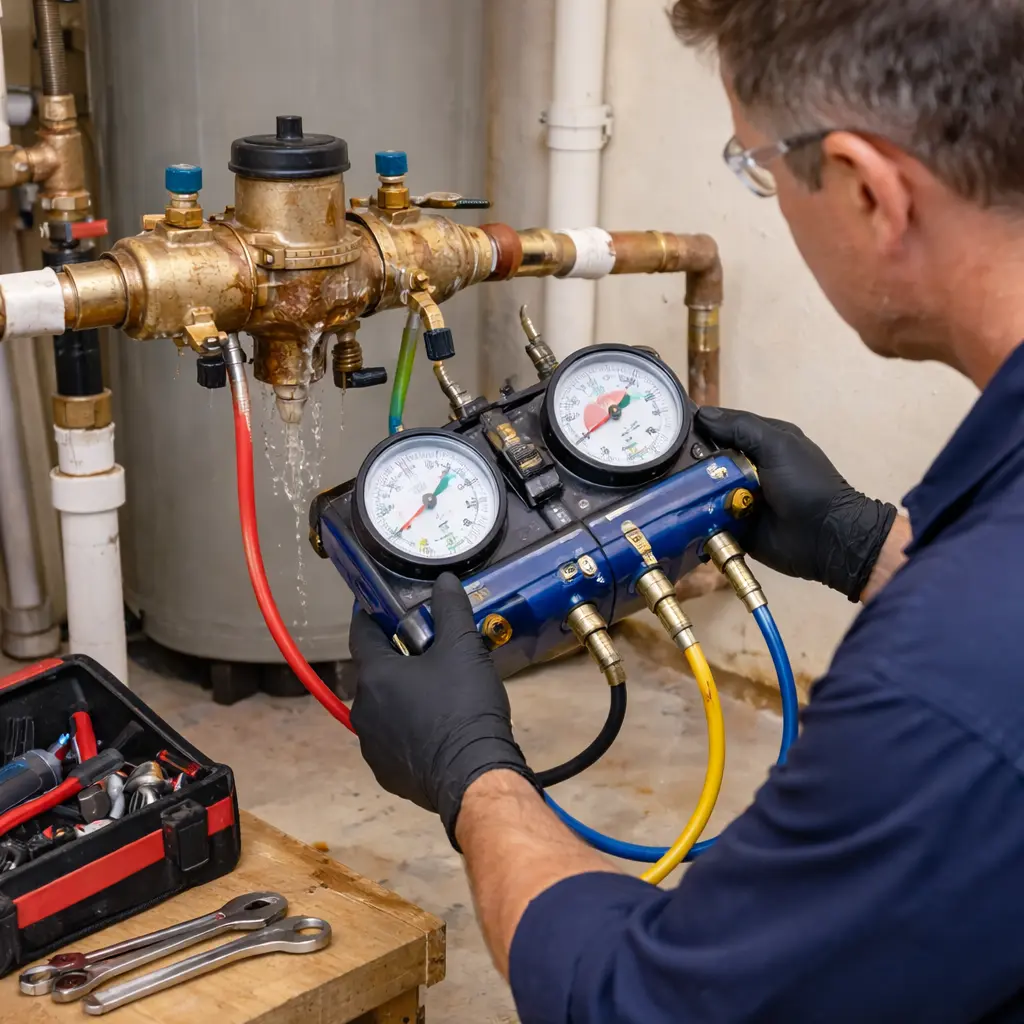
- Low water pressure related to a backflow preventer is often caused by internal wear, blockages, or installation issues within the device.
- Debris inside the valve:
Sediment, dirt, or mineral buildup can collect inside the valve and restrict water flow. Cleaning the valve may help restore normal pressure. - Worn internal components:
Parts such as seals and check valves can deteriorate over time. Damaged components may partially block water movement and reduce pressure. Replacing these parts can improve performance. - Improper installation:
Incorrect positioning or setup of the device can limit water flow. Proper height, alignment, and configuration are essential for efficient operation. - Freezing damage:
In colder conditions, freezing water can crack the valve body or damage internal parts. This can restrict flow and lead to noticeable pressure loss. - Leaking backflow preventer:
A leaking backflow preventer can reduce water pressure by allowing water to escape before reaching fixtures. This often indicates worn seals or internal valve damage that needs prompt attention. - Plumbing system pressure issues:
Water pressure problems may also originate from other parts of the plumbing system, such as a faulty pressure regulator, water hammer, or overall pressure imbalance. - Maintenance importance:
Regular maintenance helps ensure the backflow preventer continues to protect the water supply while maintaining consistent and reliable water pressure throughout the system.
How Backflow Preventers Impact Overall Plumbing Performance
A backflow preventer does more than just protect water quality. It also plays a role in how your entire plumbing system performs. Because it regulates the direction of water flow, it can influence how pressure is distributed across different fixtures.
In a well balanced system, the impact on water pressure is minimal and consistent. However, if the device begins to restrict flow unevenly, you may notice weaker pressure at certain outlets while others remain unaffected. This can make everyday use less efficient and signal that the system is not operating as intended.
Maintaining proper system balance ensures steady water flow, protects internal components, and supports long term plumbing performance.
 Professional Testing and Inspection
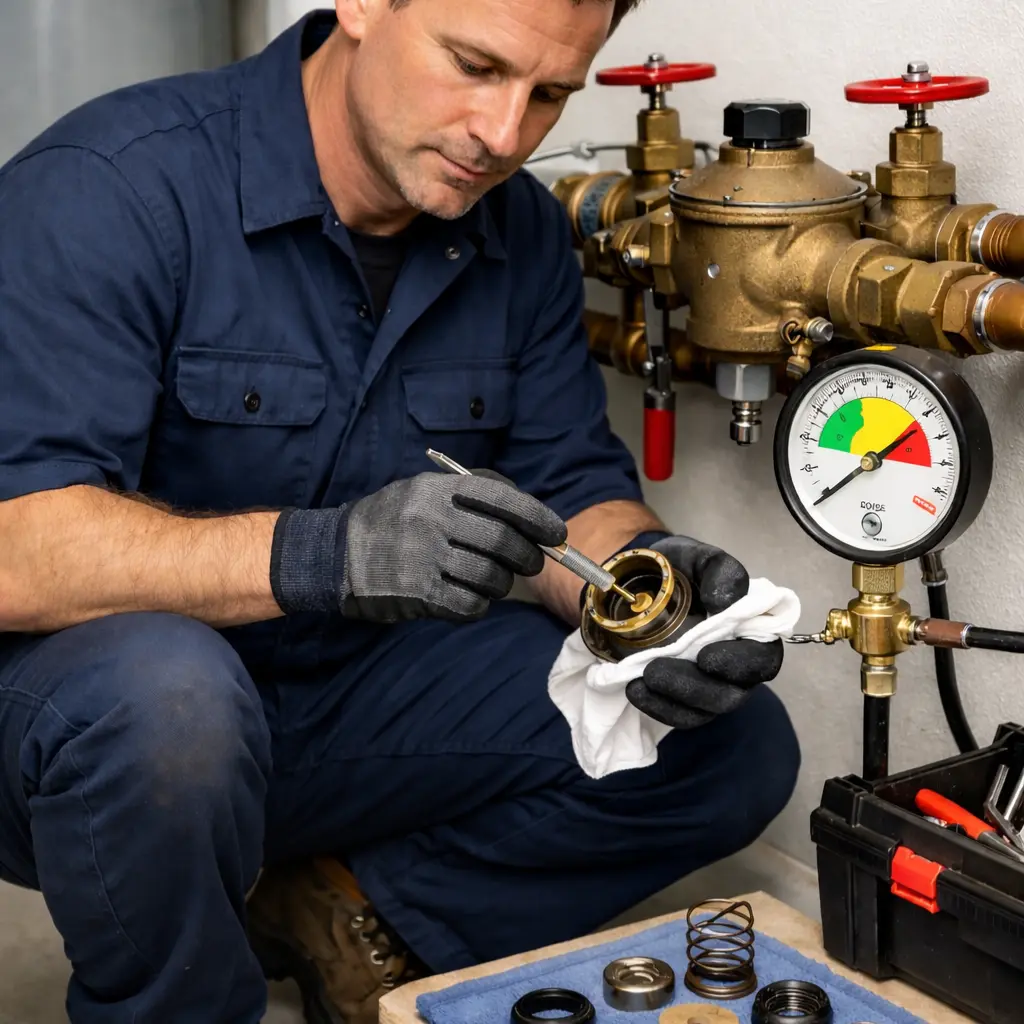
When homeowners question backflow preventer water pressure issues, professional testing provides the most reliable assessment. A drop in pressure is often linked to internal faults that are not visible during routine checks.
In some cases, a backflow preventer may fail, which can directly impact water flow and system performance. When this happens, timely inspection and repair are essential to restore proper function.
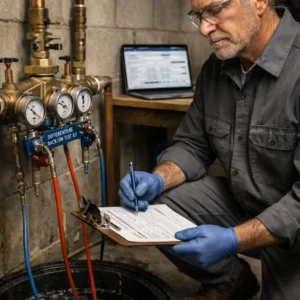
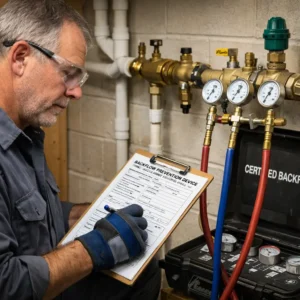
A certified backflow tester uses specialised gauges connected to the test cocks to evaluate valve performance and pressure conditions. This process helps identify worn seals, internal blockages, or valve malfunction.
Routine testing ensures the system continues to protect the potable water supply while supporting steady and reliable water pressure.
Conclusion
Backflow preventers protect drinking water by preventing reverse flow within plumbing systems. While a small pressure drop is normal, noticeable pressure loss usually indicates debris buildup, worn components, or installation issues.
Routine inspection and maintenance help ensure the device continues functioning correctly without affecting water flow. If you notice leaks, pressure changes, or irrigation problems, professional evaluation may be necessary. DNA Plumbing and Heating can inspect the system, identify the cause, and restore reliable water pressure while maintaining proper backflow protection.