Introduction
A backflow preventer can continue operating for years while internal components slowly wear down beneath the surface. In many properties, the first warning signs appear during annual testing when leaking valves, unstable pressure readings, or failing internal seals begin affecting system performance.
As assemblies age, corrosion, mineral buildup, and mechanical wear can gradually reduce the system’s ability to protect clean water supplies reliably. Scheduling professional backflow testing services can help identify developing problems before larger plumbing safety issues or repeated inspection failures occur.
Why Backflow Protection Is Critical for Water Safety
Backflow prevention devices help protect water systems when pressure changes allow contaminated water to reverse direction inside connected plumbing lines. Without proper protection, water from irrigation systems, outdoor hose connections, industrial equipment, or chemical sources may enter clean drinking water supplies and spread contaminants throughout sinks, showers, kitchens, and other plumbing fixtures. This protection is especially important in facilities such as schools, where maintaining safe drinking water in schools remains a major priority.
Common Warning Signs That Replacement May Be Necessary
Repeated Inspection Failures
Repeated annual backflow testing failures often indicate that the assembly is approaching the end of its service life. Ongoing problems such as leaking valves, inconsistent pressure readings, or worn internal components may signal that replacement is more practical than continued repairs.
Increasing Maintenance and Repair Demands
As backflow preventers age, recurring repairs and replacement part costs can gradually become more expensive than replacing the assembly itself. When repeated service calls only restore short-term performance while internal deterioration continues progressing, many property owners choose replacement as a more practical long-term solution.
Unstable Water Pressure Throughout the Property
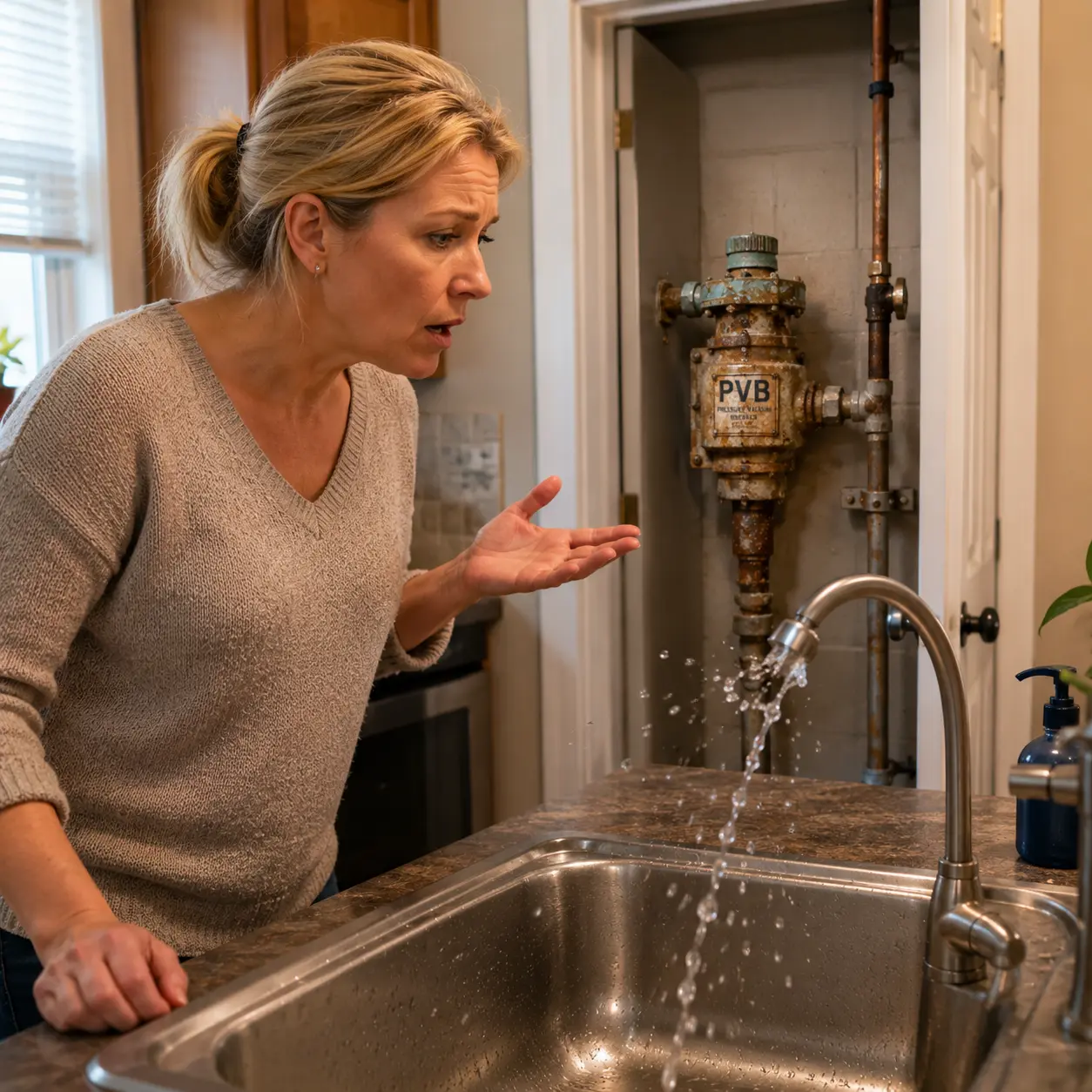
Water pressure inconsistencies can sometimes indicate internal restrictions inside an aging assembly. As internal parts deteriorate, water flow may become partially restricted, reducing efficiency throughout connected plumbing lines.
Homeowners may notice fluctuating pressure while using showers, outdoor irrigation systems, or sinks during periods of heavier water demand. In some cases, pressure problems become more noticeable after seasonal weather changes or municipal water line work nearby.
Rather than regulating water flow smoothly, older systems may begin struggling to respond properly during sudden demand shifts. Replacing the aging unit often improves overall flow consistency and reduces unnecessary strain on connected plumbing fixtures.
Exterior Rust and Visible Leaks
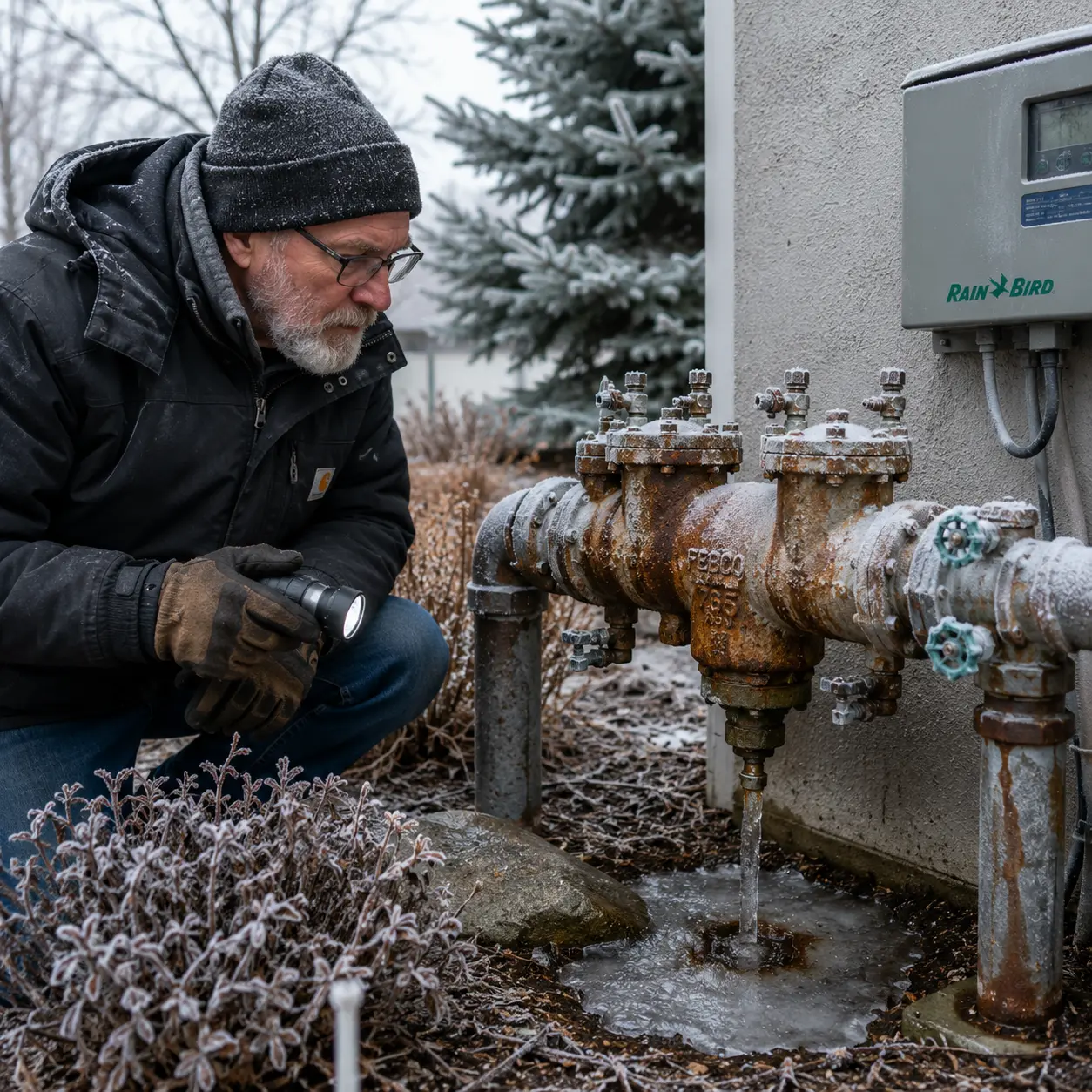
Outdoor plumbing exposure can significantly shorten the lifespan of older assemblies. Constant exposure to moisture, freezing conditions, and changing temperatures gradually weakens exposed metal surfaces and internal components.
Visible rust, staining around fittings, moisture buildup, or dripping water near the valve assembly can all indicate advancing deterioration. Small external leaks may also signal hidden damage developing deeper inside the system.
Modern systems built with corrosion resistant materials and updated sealing technology are better equipped to handle harsh outdoor conditions. Replacing severely worn equipment early helps protect nearby plumbing lines from additional stress and long term deterioration.
Why Modern Backflow Systems Offer Better Performance
Backflow prevention technology has improved considerably over the past several decades. Modern backflow prevention systems are designed to handle changing municipal water demands, higher efficiency standards, and more complex plumbing infrastructure.
Many newer assemblies now use molded diaphragms, elastomeric seals, and advanced hydraulic sealing systems that improve long term durability. These updated components respond more accurately during pressure fluctuations and maintain more stable operation during periods of heavy water demand.
Improved engineering has also reduced unnecessary pressure loss inside many newer assemblies. Updated designs help improve water flow while maintaining strong contamination protection throughout the system.
Manufacturers have also improved serviceability. Modern units are typically easier to inspect, maintain, and test compared to many outdated models still operating today. These improvements help simplify annual inspections and reduce future maintenance complications.
Staying Current With Inspection Requirements
Municipal plumbing regulations continue evolving as water safety standards become stricter across the United States. Many older systems installed years ago may no longer fully satisfy current inspection standards or approved installation requirements.
Annual testing requirements are now more closely monitored in many municipalities, especially for irrigation systems, fire protection connections, and larger commercial properties. Assemblies that repeatedly fail inspections may eventually require mandatory replacement to remain compliant with local water district regulations.
Upgrading older systems before compliance problems develop can help property owners avoid inspection delays, emergency retrofits, and unexpected interruptions to water service.
For larger buildings and commercial plumbing systems, proactive replacement planning is often far less disruptive than waiting until a major inspection failure forces immediate action.
What Professional Backflow Inspections Typically Include
A professional backflow preventer inspection involves more than simply checking for visible leaks. Certified specialists evaluate the assembly under controlled testing conditions to confirm the device responds properly during reverse pressure situations.
During the inspection process, technicians measure pressure differentials, inspect valve operation, evaluate seal condition, and identify early signs of wear throughout the mechanism. The inspection may also include checking nearby plumbing connections for additional cross connection concerns that could affect system safety.
Professional testing helps identify hidden problems before complete failure occurs. Some assemblies may appear functional externally while critical working parts continue deteriorating underneath. Early detection allows property owners to plan repairs or replacement work before larger plumbing disruptions develop.
If your plumbing system continues showing signs such as failed inspections, inconsistent water pressure, or ongoing repair concerns, having the assembly professionally inspected can help identify whether a full replacement would provide more reliable long term protection.
Conclusion
Aging backflow preventers can become less reliable as internal seals, valves, and pressure control components wear down over time. Recurring inspection failures, increasing repair costs, corrosion, and unstable system performance are often signs that replacement may be more practical than continued repairs.
Upgrading older assemblies before major failure occurs can help improve plumbing reliability, support inspection compliance, and reduce the risk of unexpected water safety problems. DNA Plumbing and Heating provides professional backflow inspections, testing, and replacement services to help property owners maintain dependable long-term plumbing protection.