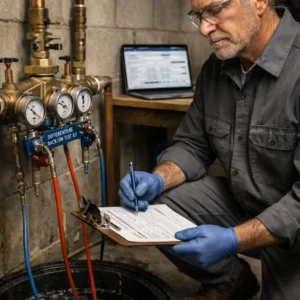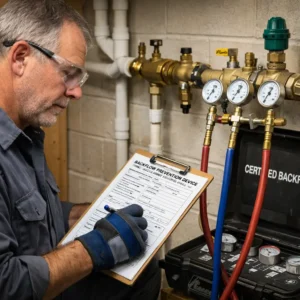
A failed backflow inspection is one of those outcomes that catches most property owners completely off guard, especially when the device appeared to be working fine and no one had any reason to suspect a problem. The truth is that backflow preventers fail inspection more often than most people realize, and the causes range from simple debris buildup to gradual internal wear that builds up quietly over years of normal use. Knowing what causes a backflow preventer to fail inspection helps you understand what a certified technician is actually checking when they show up, and what you can do about it when something comes back wrong. If your device has already failed or you want to confirm it is ready before your next test, booking a certified backflow inspection service with an experienced team is the smartest first move.
Key Takeaways
- Worn or damaged check valves are the most common reason a backflow preventer fails inspection
- Debris caught inside the device can stop it from sealing properly during a pressure test
- A relief valve that leaks or discharges at the wrong pressure almost always results in a failed test
- Freezing temperatures can crack internal components in preventers that are not properly protected in winter
- High water pressure and water hammer events put extra stress on internal parts and speed up wear
- Most failed inspections can be resolved with targeted repairs rather than a full device replacement
What a Backflow Inspector Is Actually Checking
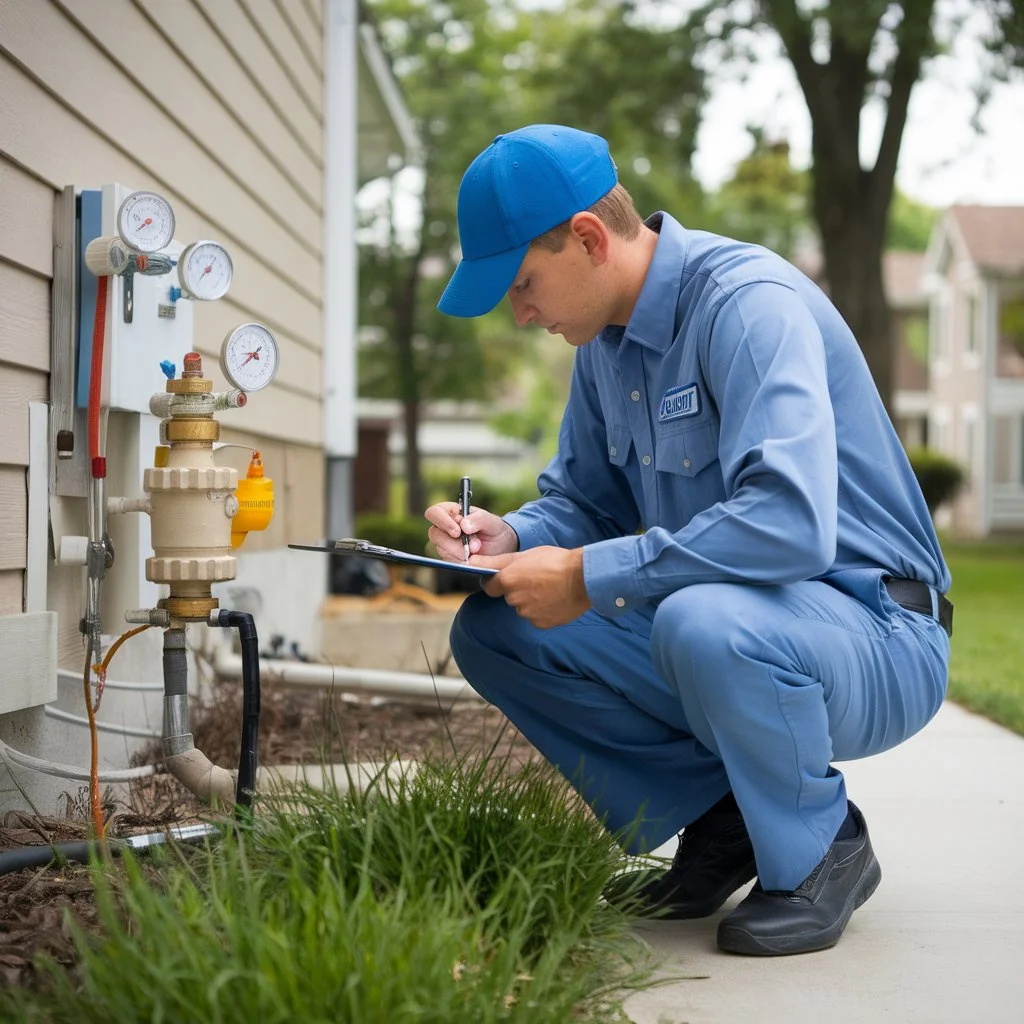
When a certified inspector tests your backflow preventer, they run a pressure differential test to confirm the device holds back pressure correctly and that its internal components respond the way they are supposed to. They check whether the check valves close completely, whether the relief valve opens and closes at the right pressure levels, and whether the device maintains proper separation between the supply and downstream sides of the line. Any point in that sequence where the device does not perform within the required range is a failure, and where exactly it breaks down tells the inspector which component or condition is responsible.
Common Causes of Backflow Preventer Inspection Failure
Worn or Damaged Check Valves
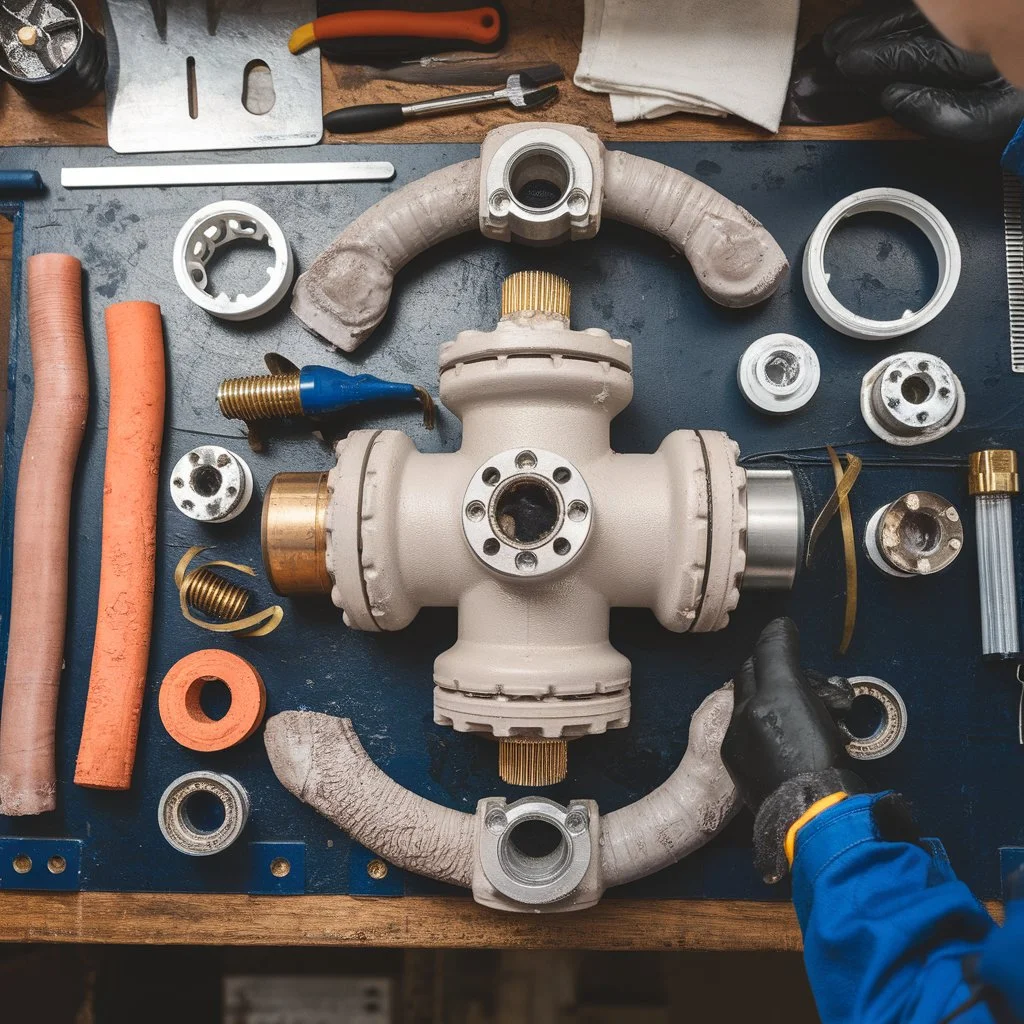
The check valves inside a backflow preventer are the main mechanism that stops water from flowing backward. Over time, the rubber seats and discs that form the sealing surfaces wear down, harden, or develop small tears that keep them from closing all the way. When a check valve cannot seal properly the device fails the pressure differential test regardless of how everything else performs. This is the most frequently seen cause of backflow preventer testing failure across both residential and commercial properties, and it is also one of the more straightforward repairs when it is caught early.
Debris Buildup Inside the Device
Sediment, mineral deposits, and pipe debris are a consistent problem in older plumbing systems and in areas with hard water. When particles collect inside the backflow preventer, they can get lodged between the check valve disc and its seat, physically stopping the valve from closing all the way. The device may work fine under normal daily conditions, but come up short the moment a controlled pressure test is run. Cleaning the internal components and flushing the device often resolves this cause without any part replacements at all.
Leaking or Malfunctioning Relief Valve
The relief valve is designed to open and discharge water when internal pressure hits a specific threshold, protecting the device and the supply line from getting overpressured. When it discharges during an inspection at a pressure below its intended level, that is a clear sign the internal spring or seat has degraded. A relief valve that will not open when it should, or one that opens and will not reseat, both trigger an automatic failure. Worn springs in the relief valve are one of the more overlooked causes of failed backflow inspection results.
High Water Pressure and Water Hammer Damage
Consistently high water pressure puts constant stress on the internal components of a backflow preventer, and water hammer, the sudden pressure spike that happens when water flow is stopped abruptly, can cause even more concentrated impact damage over time. Both conditions accelerate wear on check valve discs, crack relief valve seats, and loosen internal fittings in ways that only show up clearly during a pressure test. Properties with aging supply lines or undersized pressure regulators are especially prone to this kind of gradual internal stress damage.
Freezing Damage to Internal Components
In regions with cold winters, backflow preventers installed in exposed locations like exterior walls, crawl spaces, or unheated utility areas are at real risk of freeze damage. Water that freezes inside the device expands and can crack the housing, split the relief valve seat, or deform check valve components in ways that are not visible from the outside. Many property owners find out about freeze damage only when the device fails its annual inspection, long after the cold snap that caused it has passed.
Age Related Wear and Internal Corrosion
Every part inside a backflow preventer has a service life, and that wear builds up whether the device sees heavy use or mostly sits idle. Rubber seals go brittle, metal springs lose their tension, and internal corrosion affects how components seat and move. Most backflow preventers show measurable performance decline after ten years of service, and devices beyond that age are far more likely to fail. In some cases, a full replacement at that point makes more practical sense than ongoing repairs to components that are all approaching the end of their life together.
Failure Cause Quick Reference
Failure Cause | What the Inspector Observes | Typical Resolution |
Worn check valve | Device fails pressure differential test | Replace check valve disc and seat |
Debris buildup | Valve cannot seal under test conditions | Clean and flush internal components |
Leaking relief valve | Relief valve discharges below threshold | Replace relief valve spring or seat |
High pressure or water hammer | Internal parts cracked or deformed | Repair components, address pressure source |
Freezing damage | Cracked body or deformed internal parts | Repair or replace damaged components |
Age related wear | Multiple components fail at once | Full device replacement recommended |
Improper installation | Orientation or sizing causes test failure | Reinstall or resize to code requirements |
What to Do After a Failed Inspection
Knowing how to fix a failed backflow inspection starts with understanding that a failed result does not automatically mean the whole device needs to come out. In many cases, the specific component that caused the failure can be repaired or replaced on its own, and the device can be retested to confirm it now meets the required performance standard. The key is acting on the failed result quickly. Most water authorities give property owners a set window to complete repairs and schedule a retest, and letting that window close can lead to the same outcomes as what happens if you skip mandatory backflow testing altogether, including fines, notices, and potential service suspension.
Any repair work should be completed by a certified technician who can both fix the issue and run the follow-up test. A repair done by someone without the proper certification may not be accepted by your local water authority even if the device now works correctly.
Fix the Failure and Get Your Device Back to Passing
A backflow preventer that fails inspection is giving you specific information about what needs attention, and acting on that information quickly is what keeps a minor repair from turning into a full compliance situation. Whether the cause is a worn check valve, winter freeze damage, water pressure stress, or a device that has simply run its course, the sooner a certified technician gets involved, the simpler and less expensive the fix tends to be.
At DNA Plumbing and Heating, our certified team diagnoses backflow inspection failures, handles the necessary repairs, and retests your device as part of your annual backflow testing to confirm it meets your local requirements. Contact DNA Plumbing and Heating today to schedule your backflow inspection service and get your property back into full compliance.