Introduction
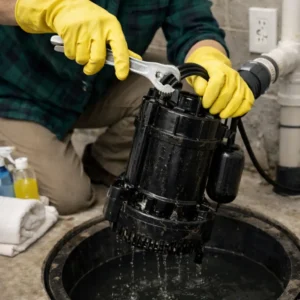
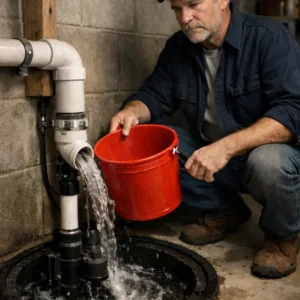
A backflow preventer is often overlooked until a plumbing issue arises. This device plays an important role in protecting the domestic water supply by stopping contaminated water from flowing back into clean lines. When it stops working as intended, it can affect both water safety and overall system performance.
A faulty backflow preventer may lead to leaks, pressure fluctuations, or disruptions within the plumbing system. Recognizing these signs early helps ensure timely action and proper backflow testing before minor concerns develop into more serious repairs.
Important Insights About Backflow Preventer Failure
A backflow preventer is a critical safety component in residential plumbing systems, and effective backflow prevention helps protect the clean water supply.
When it does not function properly, it can impact water flow, system efficiency, and overall water quality.
Key points to understand include:
- A faulty device may lead to visible leaks around the unit
- Water pressure may become inconsistent throughout the system
- There is a risk of contamination entering the domestic supply
- Ongoing leaks can increase water usage and utility costs
- Timely inspection helps avoid more complex plumbing issues
Understanding these factors allows early action and helps prevent minor concerns from developing into larger repairs.
Common Causes of Backflow Preventer Failure
- A backflow preventer is designed to allow water to flow in one direction, using internal components such as check valves, seals, and pressure relief mechanisms to maintain proper operation
- Changes in municipal water supply can create pressure imbalance within the plumbing system. If the valve cannot respond correctly, it may allow reverse water flow
- Water pressure directly affects how the device functions. Sudden drops or excessive pressure can prevent proper sealing
- Cold weather conditions can damage the device. Freezing temperatures may crack the housing or affect internal seals, leading to leaks and reduced performance
- Internal components naturally wear over time. Worn valves or deteriorated seals can prevent the system from functioning as intended
- Sediment, minerals, and debris can build up inside the valve, restricting movement and affecting overall operation
- Lack of regular maintenance or annual inspection can allow minor issues to develop into larger failures
Warning Signs Your Backflow Preventer Has Failed
Homeowners can often identify backflow preventer failure through visible plumbing symptoms.
Common warning signs include:
- Discolored tap water
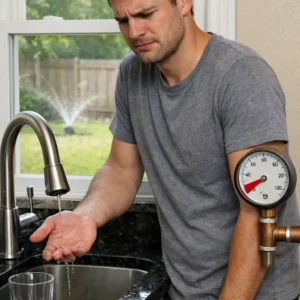
- Sudden drop in water pressure
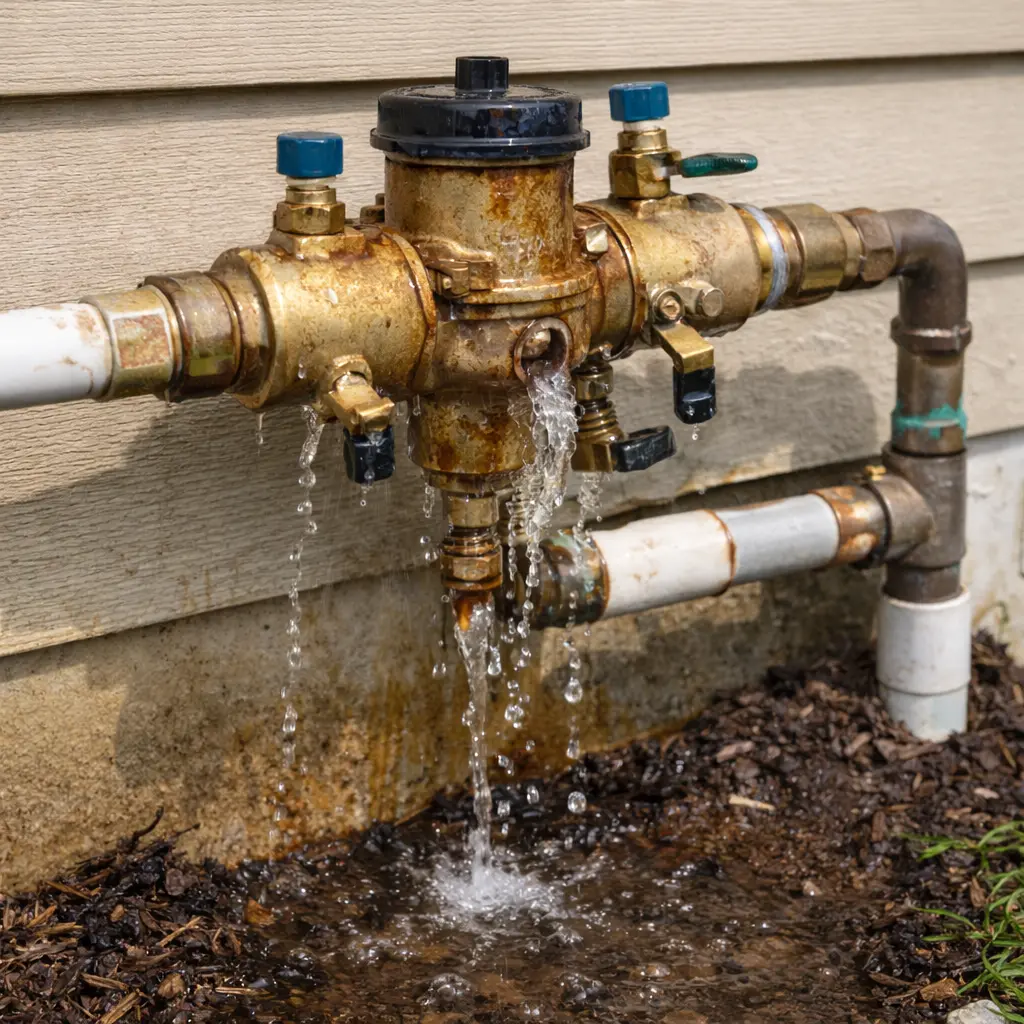
- Visible leaks around the backflow preventer
- Backflow device discharge
- Unusual pipe noises
These symptoms suggest that the system should be inspected before the issue worsens.
Emergency Response and Professional Repair Solutions
- If a backflow plumbing emergency is suspected, acting quickly helps protect the water supply and reduce further water loss
- Shutting off the main water supply can help stop leakage if the device is releasing water
- Limiting water use is important if contamination is suspected, as it helps protect household safety until inspection is completed
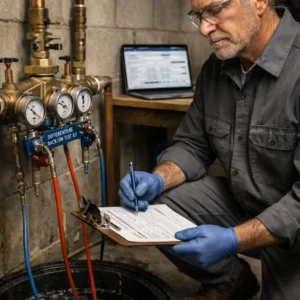
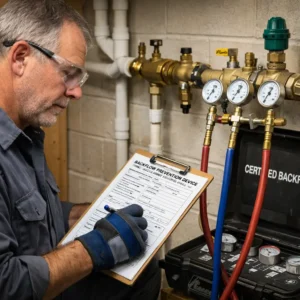
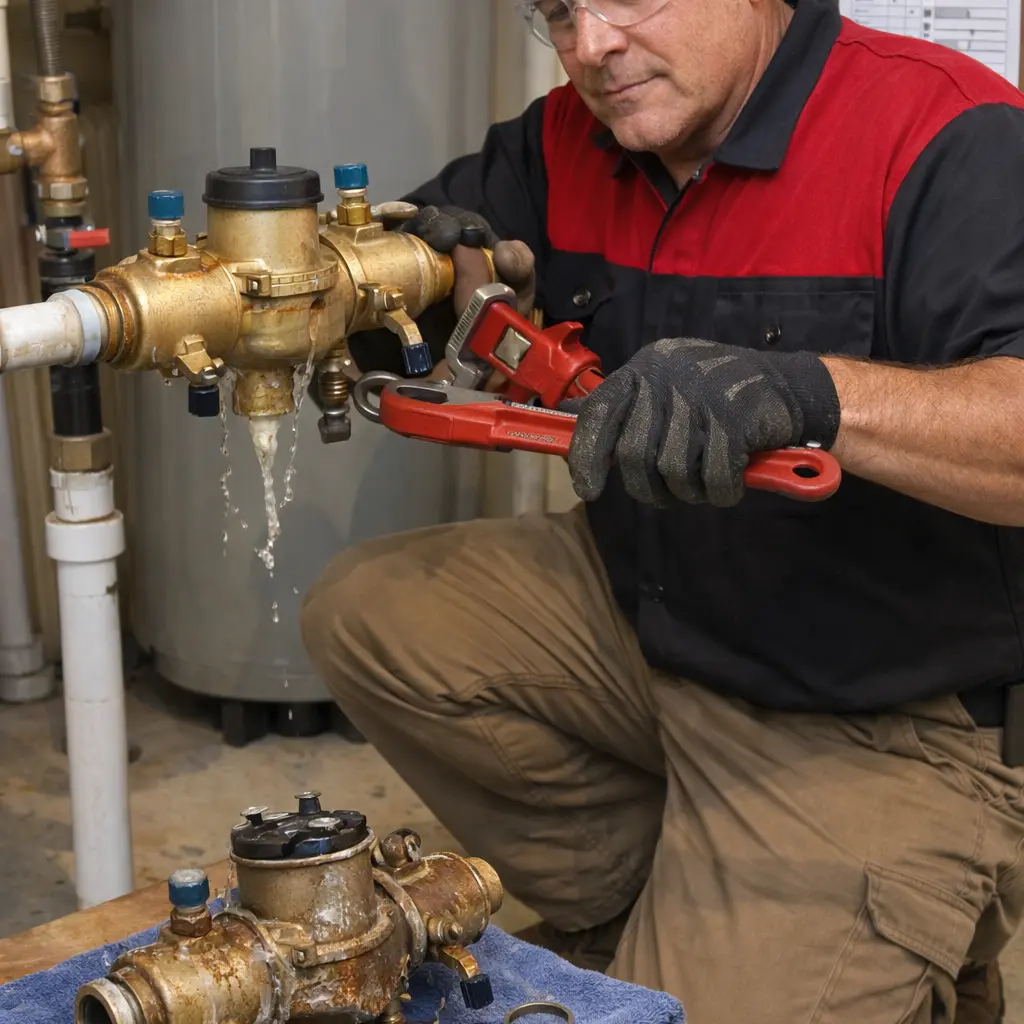
- Scheduling a professional inspection allows a certified backflow tester to assess the device and identify whether repair or replacement is required
- Depending on the condition of the system, backflow preventer repair or full device replacement may be necessary to restore proper function
- DNA Plumbing and Heating provides professional backflow testing, inspection, and repair services to help restore safe and reliable water flow
How a Backflow Preventer Fail Can Increase Your Water Bill
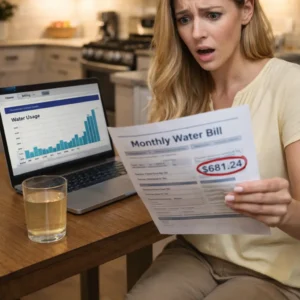
When a backflow preventer fails, one of the first noticeable effects can be a rise in your water bill. This often happens when the device begins leaking or releasing water continuously. Even a small, steady discharge can add up over time, leading to higher monthly usage without any visible change in household water habits.
In some cases, internal valve malfunction may allow water to pass through the system inefficiently. This forces the plumbing system to work harder to maintain normal flow, which can increase overall water consumption.
Hidden Water Costs Caused by a Faulty Backflow Preventer
A backflow preventer not working properly can lead to hidden water loss that is not always easy to detect. Leaks may occur within the device or underground connections, especially in irrigation systems or outdoor plumbing lines. This type of water waste can go unnoticed until it reflects in your billing statement.
Pressure imbalance caused by a failed device can also result in inefficient water use across fixtures. Appliances and plumbing components may require more water to function as expected, contributing to increased costs. Addressing these issues early helps maintain system efficiency and prevents unnecessary expenses.
Conclusion
Backflow preventers play a major role in protecting the domestic water supply from contamination and reverse water flow. When a backflow preventer fails,that can affect monthly water bills. Recognizing warning signs early allows problems to be addressed before they cause serious plumbing disruptions. If you suspect an issue with your backflow device, contacting DNA Plumbing and Heating can help restore safe water flow and ensure your plumbing system continues operating properly.