Introduction
Many plumbing systems begin showing subtle problems long before a major leak or pipe failure develops. Homeowners often dismiss recurring leaks, discolored water, or pressure changes because the issues seem minor at first. In reality, these may be warning signs of outdated plumbing in a home and early indicators that aging pipes are beginning to break down.
Across many US properties, years of mineral buildup, corrosion, and daily water use gradually weaken plumbing lines and fittings. Recognizing plumbing warning signs early can help reduce the risk of hidden leaks, water damage, and costly emergency plumbing repairs later on.
Why Plumbing Systems Deteriorate With Age
Plumbing materials naturally wear down after years of constant water movement, temperature fluctuations, and mineral exposure. Corrosion slowly affects pipe interiors, fittings, and water supply lines throughout the home, especially in older plumbing systems.
Homes with galvanized steel pipes or aging water lines may also experience reduced flow as corrosion builds inside the pipes. Even when no visible plumbing problem exists, pipe materials can continue weakening quietly behind walls, beneath flooring, or underground.
Common Signs of an Aging Plumbing System
Discolored Water and Rusty Water Issues
Brown, yellow, or rusty water may indicate corrosion developing inside aging plumbing pipes. Sediment and rust buildup can collect inside older water supply lines, affecting both water clarity and overall water quality throughout the home.
In many cases, discolored water becomes more noticeable after faucets or fixtures have not been used for several hours. As pipe interiors continue deteriorating, small rust particles may begin circulating through the plumbing system.
Low Water Pressure Throughout the Home
Low water pressure problems often occur when corrosion, pipe scaling, or mineral buildup narrows the inside of aging pipes. Restricted flow may affect showers, sinks, dishwashers, and outdoor hose connections throughout the property.
Pressure fluctuations can also signal hidden plumbing deterioration deeper inside the system. In older homes, narrowing pipe interiors may prevent water from flowing evenly during normal daily use.
Frequent Leaks and Moisture Problems
Recurring leaks are often one of the clearest signs that a plumbing system is beginning to fail. Small leaks beneath sinks, moisture inside crawlspaces, or leaking pipes hidden behind walls may point to broader plumbing deterioration rather than isolated repair issues.
Ceiling stains, peeling paint, damp drywall, or bubbling surfaces can also indicate ongoing moisture exposure from hidden plumbing leaks. If plumbing repairs continue appearing in different parts of the home, the overall system may already be showing signs of significant wear.
Early plumbing repairs, moisture inspections, and replacement of weakened pipe sections can help reduce the risk of hidden water damage spreading further inside the home.
Common Pipe Noises and What They May Mean
Unusual pipe noises, including knocking, banging, rattling, whistling, or water hammer plumbing sounds, may indicate pressure fluctuations, loose pipe supports, corrosion, or mineral buildup affecting the plumbing system.
As plumbing fittings and pipe interiors age, restricted water movement can create uneven pressure throughout the system. Homeowners may notice inconsistent water pressure, vibration around plumbing fixtures, or increased noise during regular water use. Over time, these conditions may place additional strain on weakened plumbing components.
Professional plumbing inspections can help identify pressure irregularities, loose pipe supports, or aging fittings before larger pipe failures or water damage problems develop.
Visible Corrosion and Pipe Damage Around the Home
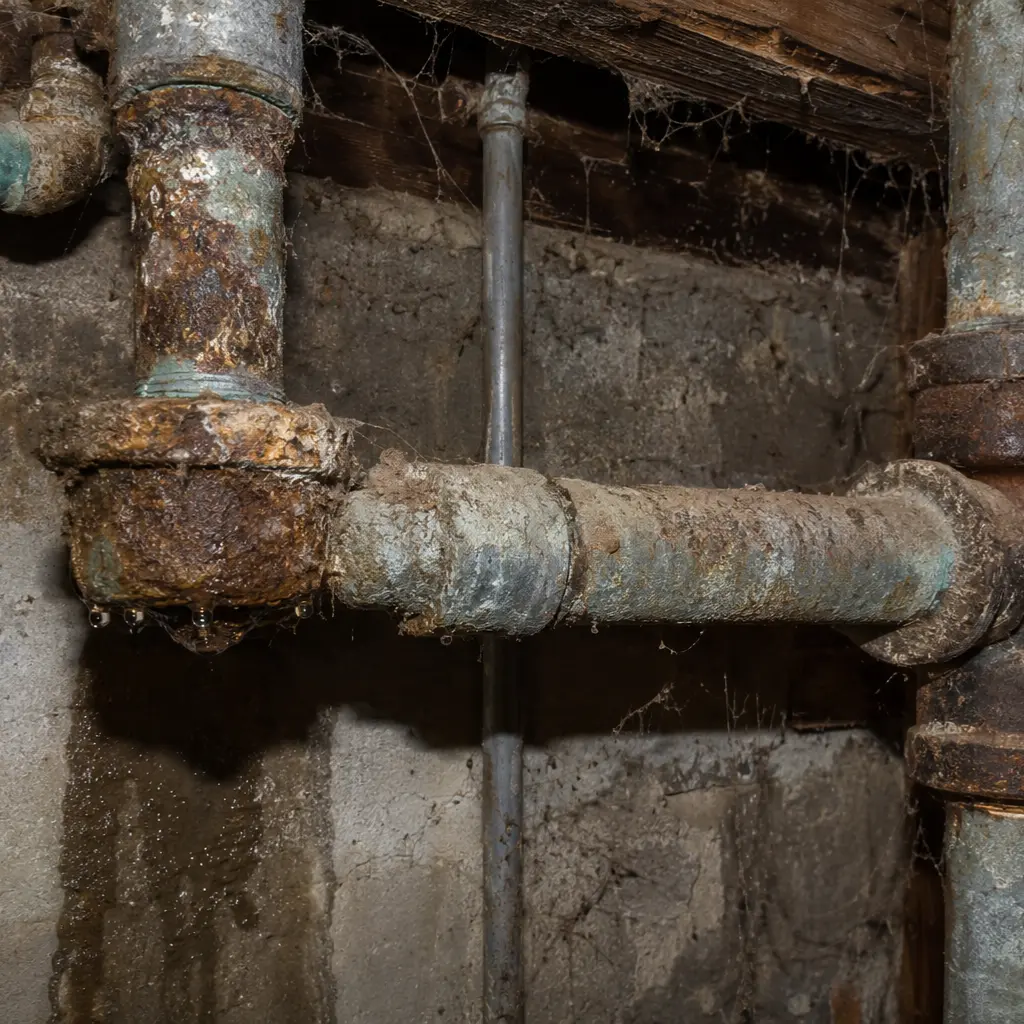
What Exposed Pipe Corrosion Looks Like
Visible pipe damage often appears around exposed plumbing near utility rooms, crawlspaces, basements, or water heaters. Corroded pipes may show rust buildup, discoloration, scaling, or flaking metal forming around joints and fittings.
Exterior pipe corrosion frequently indicates long-term moisture exposure or internal deterioration inside the plumbing system itself. In some situations, visible damage may signal weakening pipes hidden elsewhere in the home as well.
Addressing corroded plumbing lines early may help prevent sudden leaks, restricted water flow, or larger pipe replacement projects later on.
Signs of Sewer and Water Line Deterioration
Underground plumbing problems often remain hidden until signs of deterioration begin appearing above ground. A persistently soggy area in the yard may indicate a leaking sewer pipe or damaged underground plumbing line allowing wastewater to escape into the surrounding soil.
Tree roots can enter weakened sewer pipes through small openings and gradually worsen existing damage over time. If underground plumbing concerns are suspected, a sewer line inspection may help identify the source before larger repairs become necessary.
When Plumbing Repairs May No Longer Be Enough
Why Repeated Repairs Add Up Over Time
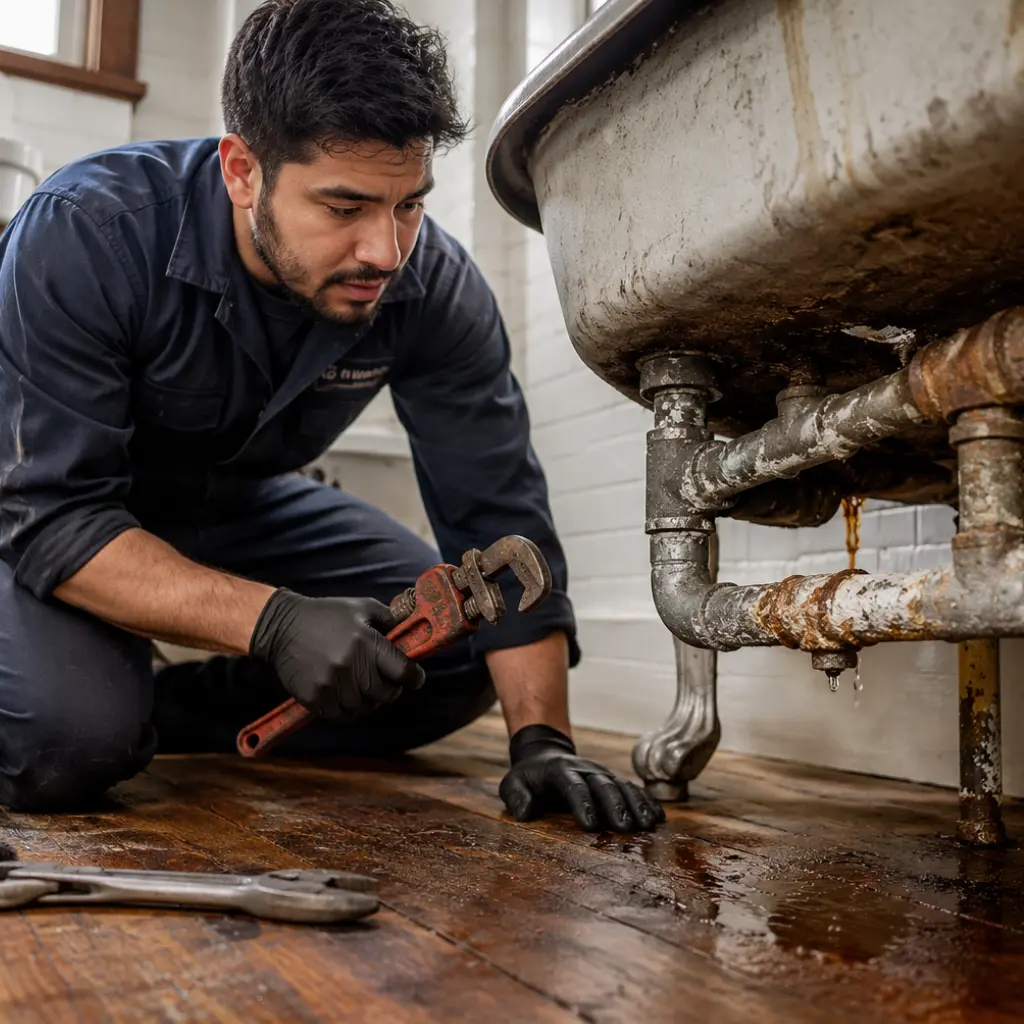
Repeated plumbing repairs may signal broader infrastructure problems developing throughout the home. While isolated leaks are common, recurring issues across multiple areas often suggest aging plumbing materials are continuing to weaken behind walls or beneath floors.
Short term fixes may resolve immediate leaks without addressing the overall condition of the plumbing system. As repair frequency increases, homeowners may eventually spend more managing repeated problems than addressing the underlying deterioration directly.
Modern Pipe Replacement Options for Older Homes
Modern plumbing upgrade options allow homeowners to replace aging pipes with more durable materials designed for long-term reliability. Depending on the condition of the plumbing system, replacement options may include copper pipes, PEX water lines, CPVC piping, or partial replacement of deteriorating sections within the system.
In some cases, replacing weakened plumbing sections in high risk areas may help extend the life of the plumbing system without requiring complete whole-home repiping.
A professional plumbing evaluation can help determine the most practical long-term solution for the property’s plumbing condition.
Why Older Homes Need Plumbing Inspections
What a Plumbing System Evaluation Can Reveal
Professional plumbing inspections can identify developing issues before visible damage appears inside the home. A plumbing system assessment may uncover hidden leaks, sewer line deterioration, pressure irregularities, or internal corrosion affecting older pipes.
Modern leak detection equipment can also help locate concealed plumbing damage beneath slabs, behind finished walls, or inside underground water supply lines before larger repairs become necessary.
Homes That May Need More Frequent Plumbing Assessments
Homes with galvanized pipes, previous water damage, recurring leaks, or older plumbing infrastructure often benefit from more frequent inspections. Properties located in hard water areas may also experience faster mineral buildup and internal pipe corrosion over time.
If recurring plumbing warning signs continue appearing, DNA Plumbing and Heating can inspect the system and identify potential problems before larger plumbing failures develop.
How to Prevent Major Plumbing Failures
Major plumbing failures rarely occur without warning. Addressing small leaks, corrosion, declining water pressure, and aging plumbing components early can help reduce the likelihood of widespread pipe damage later.
Homeowners with older plumbing systems should pay close attention to recurring repairs and signs of deterioration. Planning upgrades before critical components fail often helps avoid more disruptive and costly plumbing emergencies.
Conclusion
Older plumbing systems often continue functioning long after hidden deterioration has begun developing inside pipes and fittings. Corrosion, restricted water flow, recurring leaks, and underground pipe issues can gradually reduce system reliability while increasing the likelihood of unexpected failures.
Understanding how plumbing materials age helps homeowners make informed decisions about repairs, upgrades, and replacement planning. Addressing aging infrastructure strategically can help avoid larger disruptions while improving long term plumbing performance throughout the property.