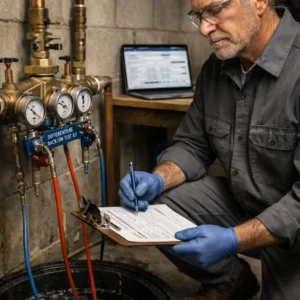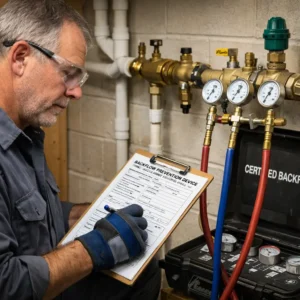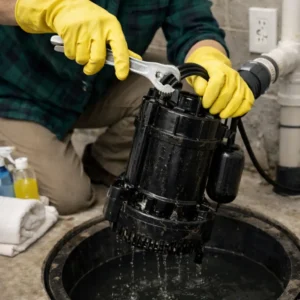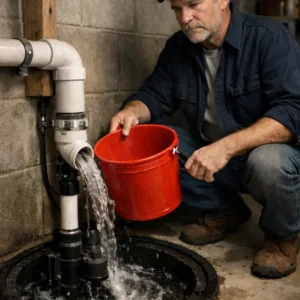
There is never a good time for a sump pump to fail, but during a storm, it is about as bad as it gets. The rain is coming down hard, groundwater is pushing up from below, and the one system standing between your basement and serious water damage has gone quiet. Sump pump failure during storms is more common than most homeowners expect, and it almost never happens without warning signs that were there long before the weather turned. Whether you are in the middle of a storm right now trying to figure out what went wrong or you want to make sure your system never puts you in that position, connecting with an emergency sump pump repair service at the first sign of trouble is the call that protects your home. This guide breaks down the real causes, what to do in the moment, and how to make sure it does not happen again.
Key Takeaways
- Power outages, stuck float switches, and clogged discharge lines are the three most common causes of storm-related pump failure
- A pump that runs nonstop without lowering the water level is failing just as surely as one that does not run at all
- Checking the circuit breaker and manually testing the float are the two fastest on-the-spot diagnostics available
- Pumps approaching the end of their working lifespan carry the most risk heading into heavy storm seasons
- Pre-season inspection catches the majority of failure causes while they are still fixable without emergency urgency
- A battery backup protects specifically against power outage failures, the single most common storm-related cause
Why Storms Expose What Routine Conditions Hide
A sump pump that is borderline functional can get through a light rain without anyone noticing a problem. Heavy storms change that equation fast. Sustained rainfall means the pump cycles more frequently, the motor runs longer between breaks, and every component in the system is pushed closer to its actual limit. Storm-related sump pump problems do not usually create failures out of nowhere. They reveal weaknesses that were already developing, which is why the same pump that seemed fine last month can give out entirely during the first serious storm of the season.
Common Causes of Sump Pump Failure During Storms
Power Outage
This is the most straightforward cause and the most frequent one. A standard sump pump is entirely electric, and a power outage during heavy rainfall shuts it down instantly with no regard for how much water is entering the pit. Homes without a backup power option are completely exposed the moment the grid goes down, and since storms that cause outages are typically the most intense ones, the timing could not be worse. If you have already read about backup options elsewhere, the short version is that addressing this single cause eliminates the most common source of storm-related basement flooding.
Stuck Float Switch
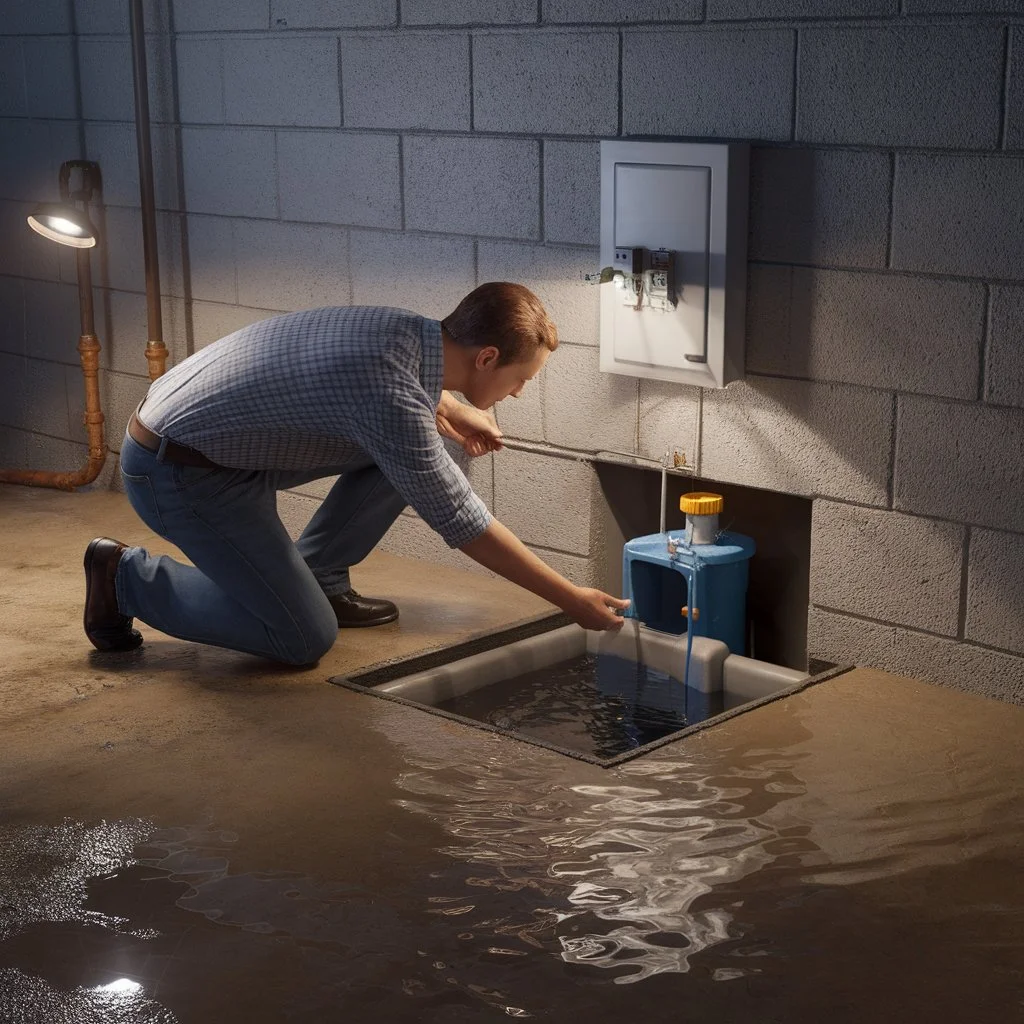
The float switch rises with the water level in the pit and triggers the pump to activate. During a prolonged storm, it cycles up and down repeatedly for hours, and if debris has settled around it or mineral deposits have built up on the mechanism, it can get stuck. A float stuck in the off position means the pump sits silent while water rises around it. A float stuck in the on position means the motor runs continuously until it overheats and shuts itself down from strain, which can take the pump out of commission entirely mid-storm. Both outcomes lead to the same result, a flooded basement, just through different routes.
Clogged Discharge Line
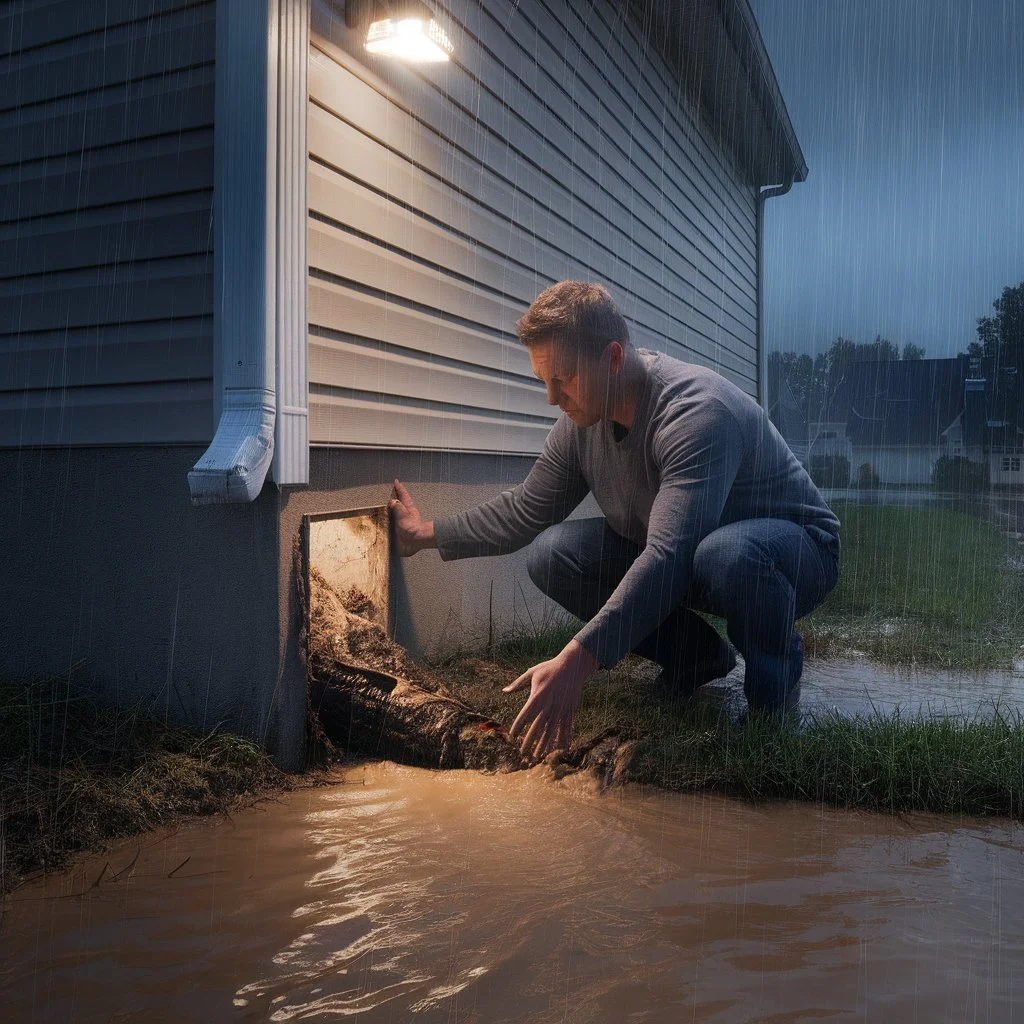
When the pump activates, it pushes water out through the discharge line to a point away from your foundation. If that line develops a blockage, whether from debris, a crushed section of pipe, or ice forming at the exterior exit point during cold weather storms, the pump runs but the water has nowhere to go. It recirculates or backs up, and the pit fills regardless of how hard the motor is working. This cause is particularly frustrating because the pump sounds completely normal from the inside while the water level climbs steadily.
Undersized or Overworked Pump
A pump sized for average conditions in a given home can hit its limit during an unusually intense storm. When the volume of groundwater entering the pit consistently outpaces what the pump can discharge, the motor runs without pause until the heat buildup triggers an automatic shutoff. Unlike a mechanical failure, this is a capacity issue, and it tends to worsen over time as the pump ages and its output efficiency decreases. A unit that struggled through last year’s storms is likely to fail outright during this year’s.
Age and Deferred Maintenance
Sump pumps are working equipment with a finite lifespan, and units that have gone years without inspection carry significantly more storm-related risk than those that get regular attention. Worn impellers reduce pumping efficiency, corroded electrical connections create intermittent failures under load, and a degraded motor seal allows moisture to reach components that were never meant to get wet. None of these issues announce themselves loudly during dry weather. They surface during the first storm that pushes the system hard enough to expose them.
Cause, Symptom, and First Check at a Glance
Cause | What You Notice | First Thing to Check |
Power outage | Complete silence, no activity | Circuit breaker and power supply |
Stuck float switch | No activation or nonstop running | Manually lift float to test response |
Clogged discharge line | Pump runs but water level keeps rising | Exterior discharge exit point |
Overworked motor | Shuts off mid-storm, unit feels hot | Allow cool down, attempt restart |
Age or worn parts | Slow startup, grinding, weak output | Schedule professional inspection |
What to Do the Moment Your Pump Stops Working
Start with the circuit breaker. A tripped breaker takes thirty seconds to check and fix, and it rules out the simplest explanation immediately. If power is confirmed and the pump still will not start, reach into the pit and lift the float manually. A pump that responds to a manual float lift has a stuck switch that may clear with a little debris removal around the mechanism. One that stays silent with power confirmed, and a free float has a mechanical issue that needs professional attention.
If the pump is running but water is still rising, walk outside and check where the discharge line exits the house. A blocked or frozen exit point is sometimes as simple to fix as clearing debris from the opening. Getting that line flowing again can turn a rising water situation into a manageable one quickly.
Beyond those two checks, the priority shifts to limiting damage. Moving anything stored on the basement floor to an elevated surface while you wait for help is the most practical thing you can do. Emergency basement water removal with a wet and dry vacuum can buy time if water is actively spreading, but that is a short-term measure while a real fix is being arranged.
How to Prevent Sump Pump Failure in Storms Going Forward
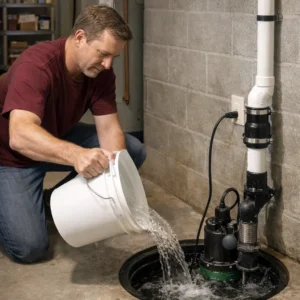
Most storm-related sump pump failures are preventable with attention paid before the season gets serious. An annual inspection that covers the float switch movement, pit cleanliness, discharge line routing, and motor condition catches the issues that tend to cause mid-storm failures. Pouring a bucket of water into the pit to confirm the pump activates and clears water promptly is a five-minute test that tells you more about readiness than visual inspection alone.
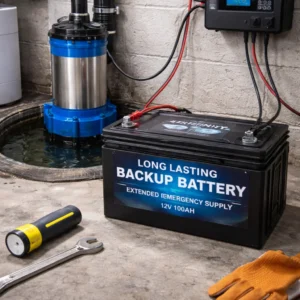
For homes that have experienced a power outage failure in the past, a battery backup sump pump addresses that specific vulnerability directly. If you have not yet decided which type of backup suits your home, a full breakdown of water-powered vs battery backup sump pumps can help you compare your options clearly before committing to an installation. It is worth noting that a backup is only as reliable as its last test, so confirming it switches over correctly and that the battery holds an adequate charge should be part of the same annual routine.
Act on the Warning Signs Before a Storm Forces Your Hand
Sump pump failure during heavy rain rarely comes out of nowhere. The grinding noise that started a few months ago, the pit that has not been cleaned in two years, the pump that seemed slow to kick on last spring, these are the signals that show up before the emergency does. Homeowners who act on those signals ahead of time rarely find themselves dealing with a flooded basement mid-storm.
At DNA Plumbing and Heating, our team diagnoses and resolves storm-related sump pump problems with the experience and equipment your home deserves. Whether you are dealing with an active failure right now or want your system fully evaluated before the next heavy rain arrives, we are ready to help. Contact DNA Plumbing and Heating today to schedule your service and give your basement the protection it needs going into every storm season.