Introduction
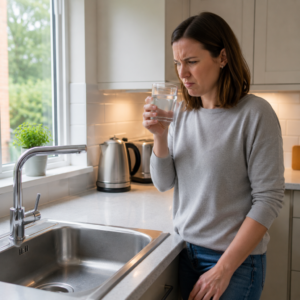
Schools and healthcare facilities face unique plumbing safety challenges because large numbers of people rely on these buildings for safe daily water access. Laboratories, cafeterias, patient care areas, irrigation systems, boilers, and specialized equipment all create additional contamination risks that require careful water safety protection.
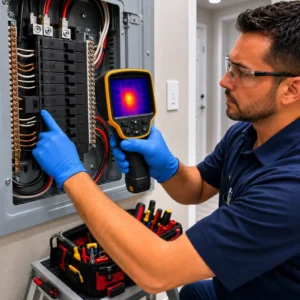
Because these buildings operate with complex plumbing infrastructure and heavy daily water demand, regular backflow testing services play an important role in maintaining safe drinking water conditions, reducing contamination risks, and supporting long-term regulatory compliance.
Why Schools Need Strong Water Protection Measures
Schools use water across many areas of the property throughout the day. Drinking fountains, locker rooms, science classrooms, cafeterias, janitorial sinks, and outdoor irrigation systems all connect to the same plumbing network. When demand increases suddenly, pressure inside the pipes can change quickly, especially in larger educational institutions.
These pressure fluctuations can allow unsafe water to move backward into the clean supply through unprotected cross connections. Cleaning chemicals, stagnant irrigation water, or wastewater from maintenance equipment can become contamination sources if protective assemblies are damaged or outdated.
Many school buildings across the country were constructed decades ago and still operate with older plumbing components. Aging pipes, worn valves, and neglected inspection schedules increase the likelihood of hidden water quality issues developing over time. Regular system evaluations help facility managers identify these problems before they affect students, teachers, or staff members.
Routine maintenance is especially important after seasonal weather changes. Cold winters, frozen pipes, and sudden thawing conditions can place additional stress on plumbing systems and create pressure irregularities inside school properties. Early inspections after winter weather can help detect small failures before they become larger repair issues.
How Healthcare Facilities Manage Higher Water Safety Risks
Healthcare facilities depend on water for far more than standard daily usage. Medical buildings require reliable water access for sterilization areas, laboratory testing, surgical preparation, patient treatment rooms, laundry services, and specialized equipment. Because many of these systems involve chemicals, heated water, and purified supply lines, healthcare plumbing requires stricter monitoring procedures.
A hospital water safety plan focuses on reducing contamination risks that could affect clinical operations or disrupt medical procedures. Unlike standard commercial buildings, healthcare facilities cannot afford unexpected shutdowns caused by plumbing failures or unsafe water conditions.
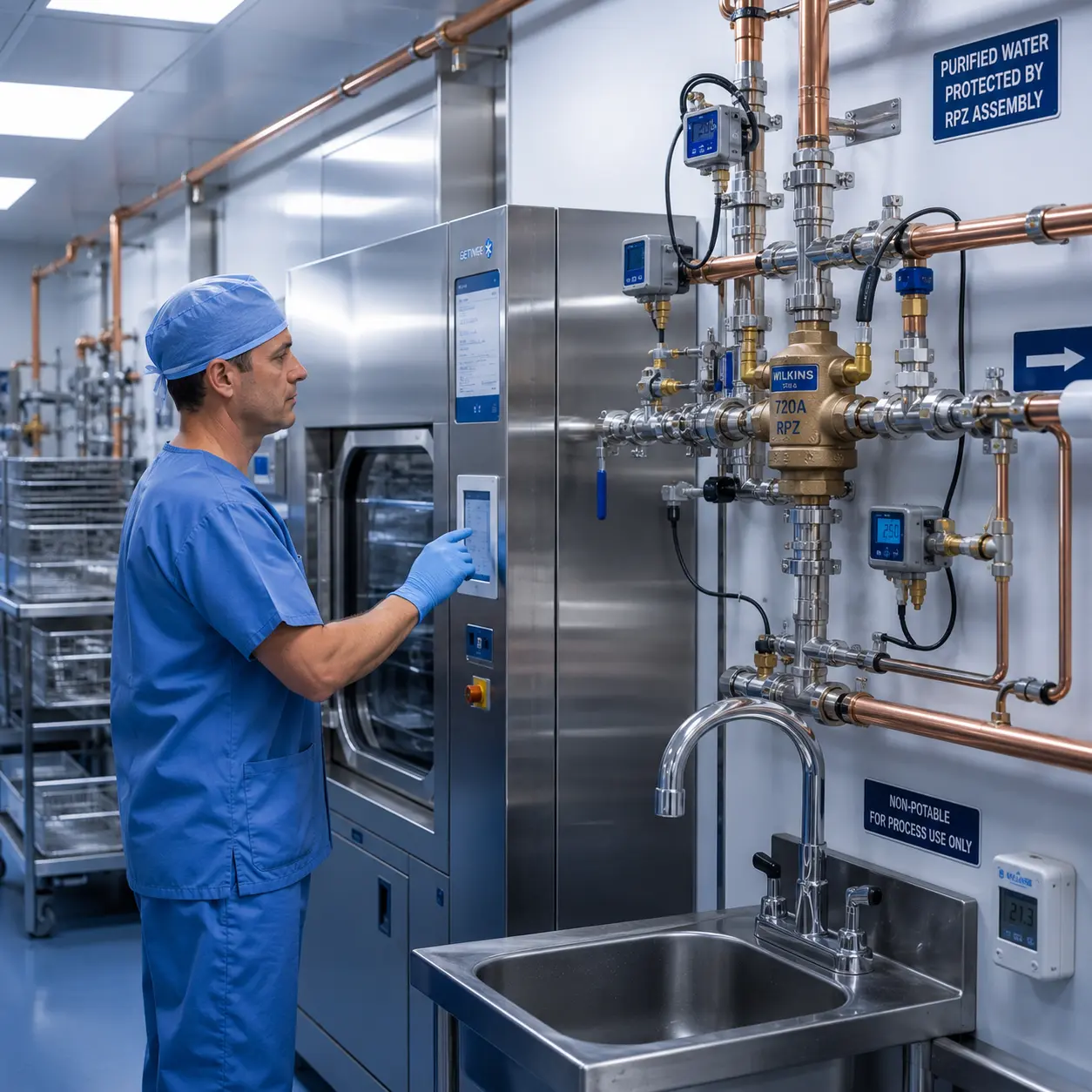
Specialized equipment inside hospitals often operates under varying pressure conditions. Dialysis systems, laboratory equipment, and sterilization units all require carefully monitored water connections to protect both patients and staff. If protective assemblies fail, contaminants may spread through nearby supply lines and impact critical healthcare operations.
Medical facilities also rely heavily on emergency plumbing systems and backup water distribution arrangements. These additional connections improve reliability during emergencies but also increase the number of points that require regular inspection and professional testing.
How Backflow Problems Develop in Large Buildings
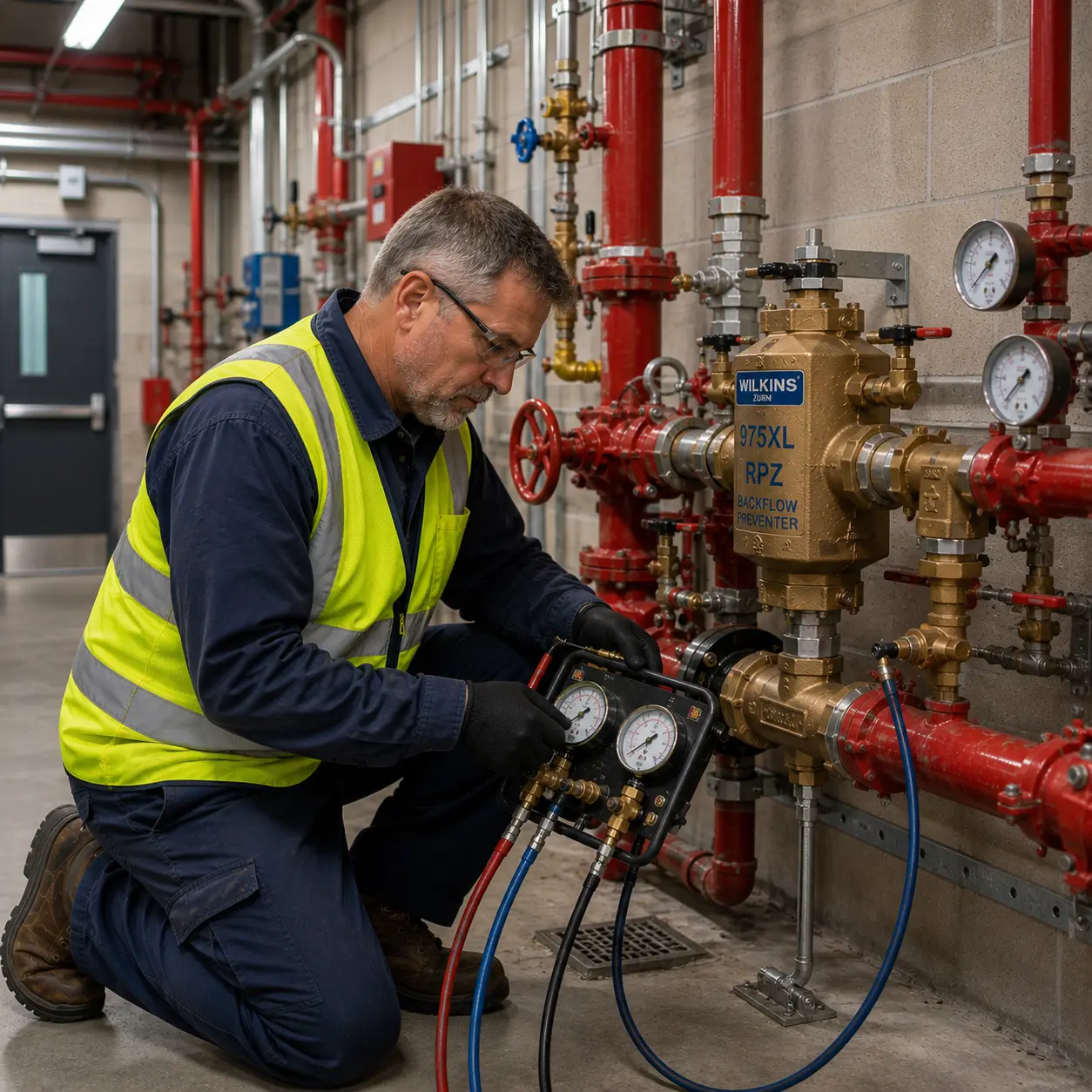
Water normally flows in one direction through a plumbing system. Problems develop when sudden pressure changes force water to reverse direction inside the pipes. This reverse movement can carry contaminants into clean supply lines if protective devices are not functioning correctly.
Large public buildings experience changing pressure conditions throughout the day due to fluctuating water demand. Fire protection systems, irrigation equipment, boilers, laboratory connections, and mechanical rooms can all influence water pressure inside the building.
For example, a sudden municipal water interruption may create negative pressure inside nearby buildings. When this happens, contaminated water from connected systems may be pulled backward into the clean distribution network. Similar problems can occur when internal equipment creates stronger pressure than the incoming municipal supply.
Facilities with older infrastructure or expanding plumbing layouts are often more vulnerable to these conditions. Schools and healthcare properties that have undergone renovations over many years may contain hidden cross connections that increase contamination risks if inspections are inconsistent.
Areas That Require Additional Protection
Certain parts of schools and healthcare facilities require stronger protection because they connect directly to chemicals, specialized equipment, or outdoor systems. These areas often experience more demanding operating conditions than standard plumbing fixtures.
Science laboratories in schools use sinks, chemical storage areas, and equipment that may introduce contaminants into nearby supply lines if isolation systems fail. Proper inspection procedures help ensure these classroom systems remain separated from student drinking water connections.
Medical laboratories require even greater oversight because they often use purified supply systems, deionized water equipment, and specialized filtration setups. These systems support sensitive testing procedures and must remain isolated from the building’s general water network.
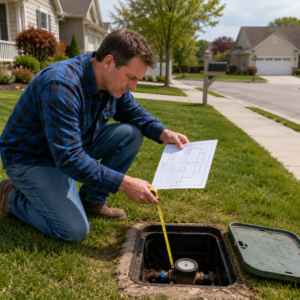
Outdoor irrigation systems also create contamination concerns for both schools and medical campuses. Fertilizers, standing water, pesticides, and landscaping chemicals may enter underground supply connections when pressure conditions change unexpectedly.
Fire protection systems present another important concern. Water inside sprinkler lines may remain stagnant for long periods, making proper isolation essential for maintaining safe water quality throughout the property.
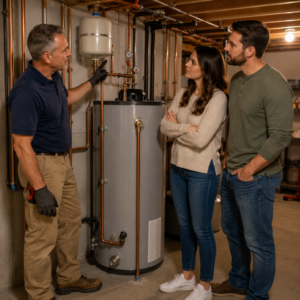
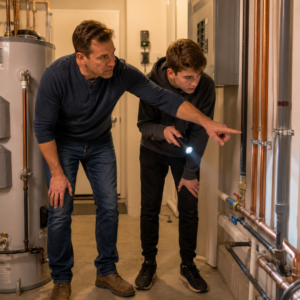
Mechanical rooms, boiler systems, commercial kitchens, and maintenance departments should also receive regular inspections because these areas frequently connect to heated water, cleaning chemicals, and industrial equipment.
Why Annual Testing and Maintenance Matter
Annual backflow testing helps schools and healthcare facilities maintain occupancy-related plumbing compliance while identifying worn or failing assemblies before larger water safety problems develop. Routine inspections also support accurate documentation requirements required by many municipal water authorities and public safety regulations.
Long-Term Benefits of Strong Water Safety Programs
Consistent inspection and maintenance programs help schools and healthcare facilities maintain reliable daily operations while reducing the risk of plumbing disruptions caused by contamination concerns or unexpected system failures. Strong water safety programs also help improve confidence for staff members, patients, parents, and visitors who rely on safe and dependable water access throughout the building every day.
Conclusion
Schools and healthcare facilities require strict testing standards because they depend on reliable water systems to support daily operations, public safety, and overall building health. Pressure fluctuations, aging infrastructure, specialized equipment, and heavy water usage all increase the risk of contamination if systems are not inspected regularly.
Ongoing maintenance and professional testing help identify hidden issues before they create larger problems for students, staff, patients, or visitors. DNA Plumbing and Heating provides dependable support for schools, medical facilities, and public buildings that need practical solutions for long-term plumbing protection and water system safety.