Introduction
A sump pump smell is often one of the first signs that something is not working as it should. Many homeowners notice unpleasant odors coming from the sump pit, especially during periods of low use. While it may seem minor, this issue can point to stagnant water, moisture buildup, or drainage concerns.
Understanding the cause early helps protect indoor air quality and maintain a healthier basement environment. Left unaddressed, these conditions can affect how moisture is managed and lead to more serious plumbing concerns over time.
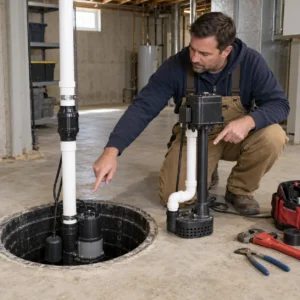
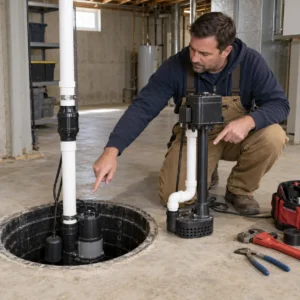
Persistent odors may indicate deeper drainage concerns, and reliable sump pump installation services can help improve overall system condition and airflow.
Is a Sump Pump Smell Dangerous?
Unusual smells from a sump pump can indicate different issues, some harmless and others potentially dangerous. A musty or mildew smell is common and usually linked to moisture buildup or early mould growth. While not immediately harmful, it should be addressed to prevent indoor air quality issues.
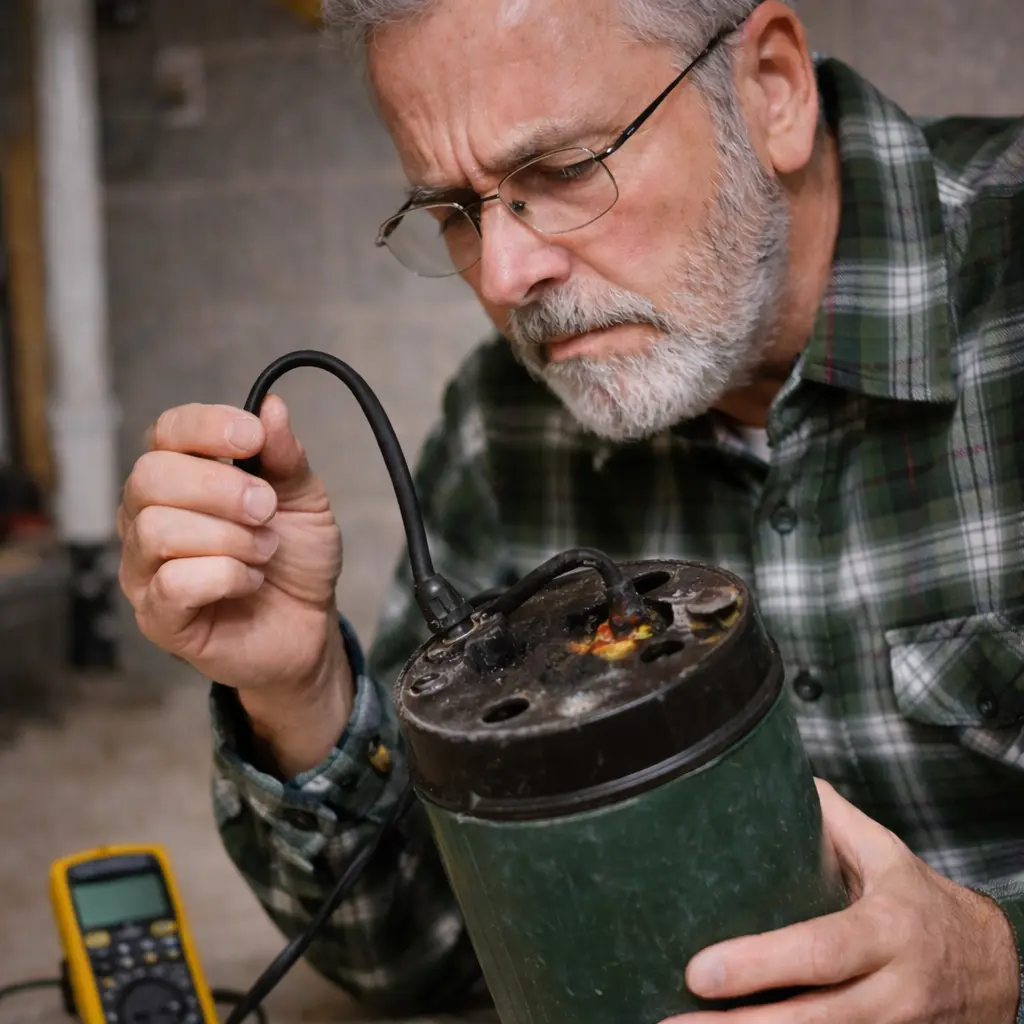
A rotten egg or sulfur smell may signal hydrogen sulfide gas, which can cause headaches, nausea, and irritation at higher levels. In this case, ventilate the area immediately. A burning smell is more serious and often points to motor overheating or an electrical fault switch off the pump right away.
A sewage odor may indicate sewer gas entering the basement, including methane, which is flammable. A chemical smell could suggest groundwater contamination. When in doubt, leave the area and contact a professional.
Common Causes of Sump Pump Smell and What They Mean
Musty or Stagnant Water Odors
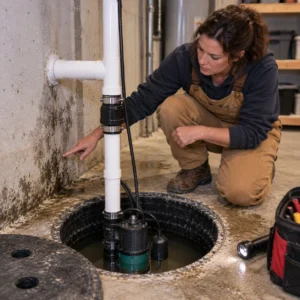
Unpleasant smells from a sump pump are often linked to moisture buildup or standing water inside the pit. A musty or mildew-like odor usually develops when damp conditions allow mould and mildew to grow, especially in areas with poor airflow.
In other cases, stagnant water can create a stronger, foul smell if it remains in the pit for long periods. This typically happens when the pump is not removing water efficiently. Issues such as blockages, worn components, or an airlock in the discharge line can prevent proper drainage, causing water to sit and produce odors.
Improving ventilation, ensuring proper drainage, and keeping the system clean can help eliminate these smells and maintain better air quality.
Rotten Egg or Sewage Smell
A strong, unpleasant odor similar to rotten eggs often points to contaminated water or sewer gas entering the pit. This may be caused by drainage issues or nearby sewer line problems. A plumber can check whether nearby sewer connections or drainage lines are contributing to the problem.
Burning Smell
A burning odor from a sump pump is a serious warning sign and usually points to overheating or electrical faults. This can happen if the impeller is blocked, forcing the motor to work harder, or if a failed capacitor causes excessive heat during startup. Running the pump dry without water can also lead to overheating, as water normally helps cool the motor.
If you notice a burning smell, switch off and unplug the pump immediately. Allow it to cool for at least 30 minutes, then inspect for visible blockages or damage before restarting. If the smell returns after cooling, it typically indicates internal motor failure, and the unit will need replacement.
Dry Sump Pit Smell
During dry periods, the sump pit can lose its water seal, which normally acts like a trap similar to a toilet preventing sewer gases from rising into the basement. When this water evaporates, gases from connected drainage lines can enter the space and create noticeable odors.
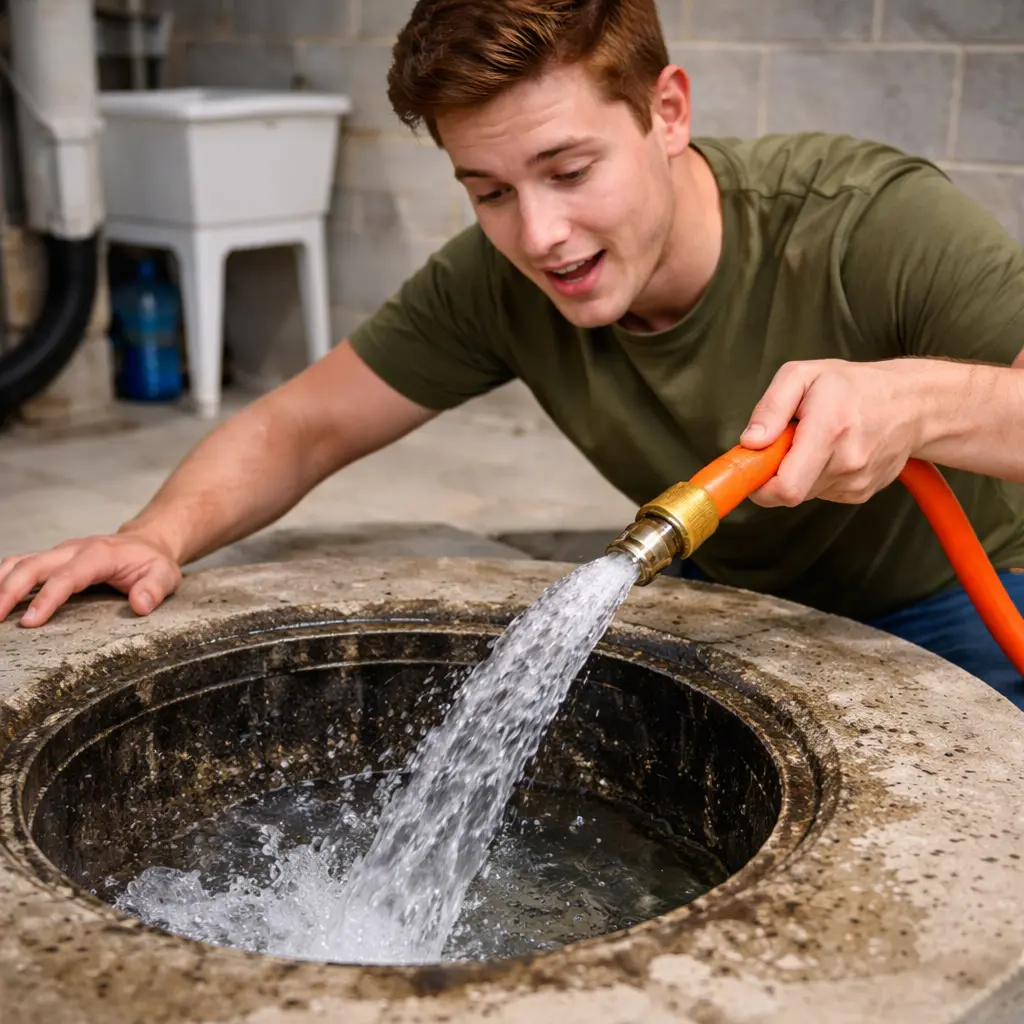
To fix this, simply pour around 1 gallon of clean water into the pit to restore the seal. As a preventive step, if the pump remains unused for long periods, add water to the pit monthly to maintain the barrier and avoid recurring smells.
How Long Does Sump Pump Smell Last After Cleaning?
Most sump pump odors should clear within 24–48 hours after a thorough cleaning and flushing of the system. If the smell persists beyond this period, it often means the source hasn’t been fully removed. Check the sump pit walls and floor for any remaining biofilm or residue that may continue to produce odors.
Mould-related smells can take longer to fade, especially in damp or poorly ventilated basements. Running a dehumidifier for 2–3 days after cleaning can help speed up the process. If the odor returns within a week, it usually indicates an ongoing drainage or moisture issue rather than a cleaning problem.
How to Get Rid of Sump Pump Smell
Resolving the issue starts with identifying the source and working through each likely cause.
Clean the Sump Pit
Removing debris and buildup helps eliminate bacteria and improve overall conditions inside the pit. Routine cleaning is one of the most effective ways to control odor.
Flush the System
Running clean water through the system can help remove residue and support proper drainage. This is especially useful after periods of low usage.
Improve Ventilation
Increasing airflow helps reduce moisture levels and creates a less favorable environment for odor buildup. A dehumidifier can support this by maintaining balanced humidity levels.
Check Key Components
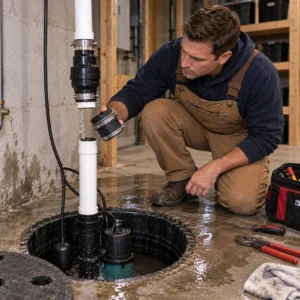
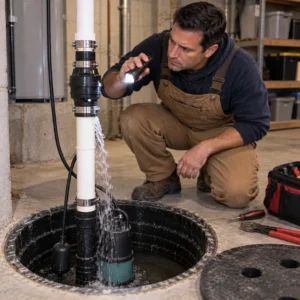
Inspect parts such as the float switch and check valve to ensure they are functioning correctly. Addressing small issues early helps maintain steady operation.
Use a Sump Pump Deodorizer
A deodorizer can help manage odors temporarily, but it should be used alongside proper cleaning and maintenance rather than as a long term solution.
If odors persist after these steps, it may indicate a deeper drainage or contamination issue. In such cases, having the system inspected by a professional can help identify the source and resolve it effectively.
Conclusion
Most sump pump odors can be resolved with proper cleaning and improved airflow. When the smell continues, it usually points to a drainage issue or contamination that needs closer attention.
If the smell returns within a few days of cleaning, the cause is likely deeper than the sump pit itself. In that case, having the system checked early can help prevent larger problems. DNA Plumbing and Heating can assess the situation and provide practical solutions to keep your system working reliably.