A basement is one of the most valuable spaces in a home, but it is also one of the most vulnerable when water starts to rise. Sump pumps work quietly in the background, keeping groundwater and heavy rainfall from turning your lower level into a flood zone. Like any mechanical system, they need consistent attention to stay reliable. Whether you have been relying on your current unit for years or recently noticed performance issues that may call for a professional sump pump repair service, understanding how to care for your system is what keeps your basement dry through every season. This guide covers how often to service your unit, what a proper maintenance checklist looks like, how to protect against power outages, the warning signs of failure, and how to prepare before storm season arrives.
Key Takeaways
- Sump pumps should be serviced at least once a year, and twice a year for flood-prone homes
- Debris buildup in the sump pit and a stuck float switch are two of the most common causes of pump failure
- A battery backup system protects your basement during power outages when the pump is needed most
- Strange noises, non-stop operation, and standing water in the pit are early warning signs of a failing unit
- Most sump pumps last seven to ten years, and regular maintenance is what gets you to that full lifespan
- Storm season preparation should start weeks ahead, not the day before a heavy rain forecast
Why Sump Pump Maintenance for Basements Cannot Be Ignored
Most homeowners do not think twice about their sump pump until water is already seeping across the basement floor. By then, the damage is done and the costs start adding up fast. Water intrusion in basements can cause mold growth, weaken structural materials, and lead to repair bills that run into the thousands, none of which would have been necessary with a little routine attention. This is especially true in parts of the country where spring thaw comes hard and fast, summer storms roll in without much warning, and freezing winters put constant stress on below-grade drainage systems.
Think about a homeowner who put off their annual inspection for two straight years. During a heavy spring storm, the float switch failed, the pump sat idle, and two inches of water spread across a finished basement. By the time the cleanup was done, they had paid for new flooring, drywall repairs, and mold remediation. A basic service visit would have spotted the stuck float months before that storm ever arrived.
How Often Should a Sump Pump Be Serviced
At a minimum, once a year. That is the baseline most plumbing professionals recommend, and for good reason. An annual checkup gives you a clear picture of how your system is holding up and whether anything needs attention before the next rainy stretch hits. If your home sits in a low-lying area, has a history of basement flooding, or your pump seems to run more often than it used to, bumping that up to twice a year is a worthwhile move.
Timing matters too. Testing a basement sump pump before the wet season begins and again before winter arrives means you are not left scrambling when conditions change. Groundwater management in basements varies from one property to the next, depending on soil type, slope, and how your drainage system is set up, so there is no single schedule that works for every home. When in doubt, more frequent checks are always the safer call.
How to Maintain a Sump Pump the Right Way
Knowing how to maintain a sump pump does not require a plumbing background, but it does require consistency. The basics come down to keeping the pit clean, confirming the float switch moves freely, testing the pump’s response to rising water, and making sure the discharge line is clear and properly directed. When these simple habits are repeated year after year, they form the kind of routine that adds real years to your pump’s working life and gives you reliable basement water damage prevention without the stress of unexpected failures.
One of the most practical sump pump maintenance tips is to tie your inspection to the same time every year, ideally in early spring before the heaviest rain season begins. That way it never slips through the cracks, and you always head into the wet months knowing your system has been checked and is ready to perform.
Sump Pump Maintenance Checklist Every Homeowner Should Follow
Staying on top of your sump pump does not require a plumbing degree. A consistent routine each year goes a long way toward preventing the kind of failures that catch homeowners off guard. Here is a practical sump pump maintenance checklist to work through at least once annually.
Cleaning and Visual Checks
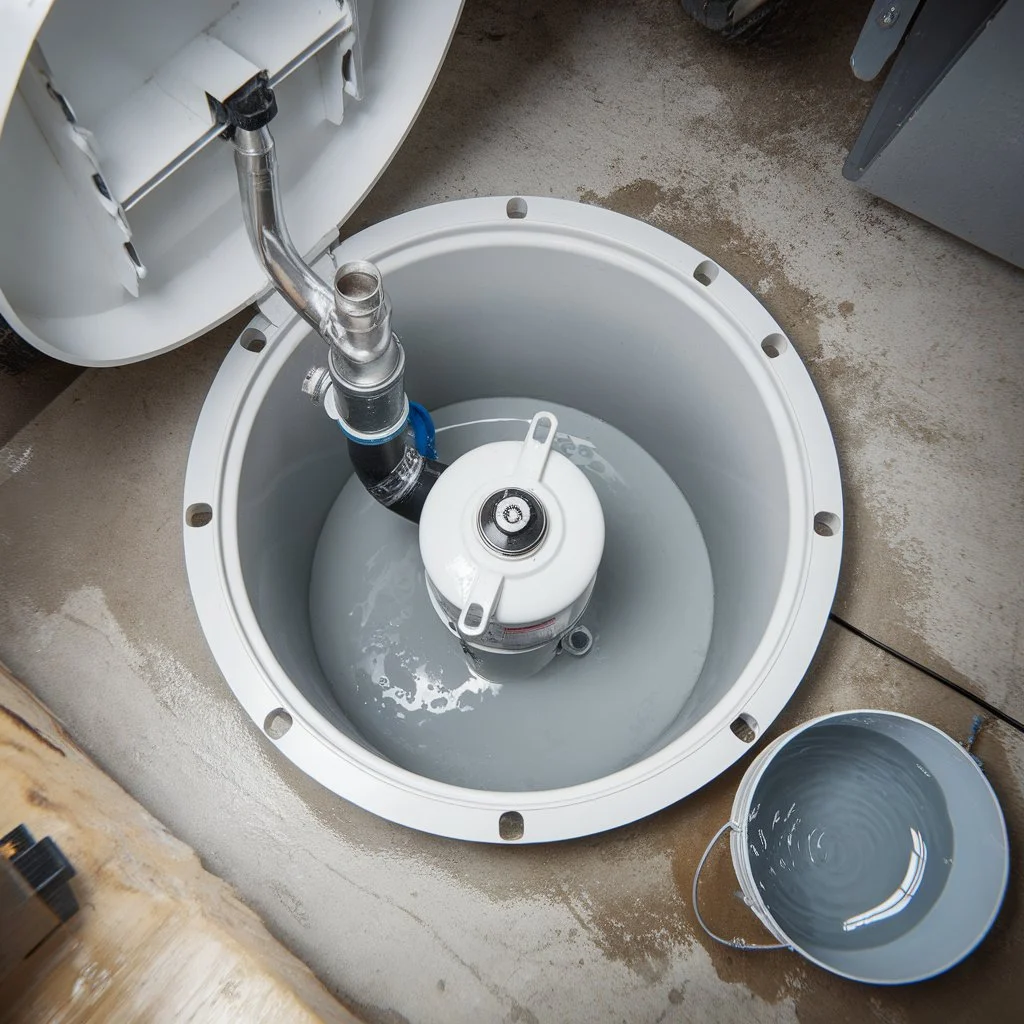
Start by pulling off the sump pit cover and taking a look inside. Debris, dirt, and gravel have a way of collecting at the bottom over time, and that buildup around the pump motor is one of the more common reasons units wear out ahead of schedule. While the cover is off, look at the pit walls for any cracks, corrosion, or unusual layers of sediment that were not there before. Then check the power cord and the outlet it plugs into. Moisture exposure and loose connections may seem minor but they can knock your pump offline during a storm when you need it running.
Operational Testing
- Pour a slow, steady bucket of water into the sump pit and watch to see if the pump kicks on promptly and clears the water without hesitation or strange noise
- Test the float switch by moving it manually to confirm it is not stuck against the pump body or the pit wall, since a float that cannot rise freely will not trigger the pump
- Follow the discharge pipe from the pump to its exit point and look for cracks, blockages, or any sign that water is redirecting back toward your foundation instead of away from it
- If you have a battery backup sump pump, disconnect the main power and confirm the backup takes over immediately, and plan on replacing that battery every two to three years regardless of how it appears
Sump Pit Cleaning and Float Switch Maintenance
The sump pit is easy to ignore because it sits out of sight, but what collects down there has a direct effect on how long your pump lasts. Sediment, gravel, and organic material gradually build up around the motor, restricting the intake and forcing the unit to work harder than it was designed to. Rinsing the pit out as part of your annual sump pit cleaning and inspection keeps that buildup from becoming a problem and takes very little time to do properly.
The float switch is just as important to check. It is the part that senses rising water and tells the pump to turn on, and it relies on being able to move freely to do that job. In areas with hard water, mineral deposits can coat the float over time and cause it to stick. When that happens, the pump will not activate even as water fills the pit. Catching that kind of buildup during a calm, dry season is far better than discovering it during a storm.
Power Outage Sump Pump Protection and Battery Backup Care
Severe storms and power outages tend to happen together, which creates a real problem when your sump pump depends entirely on electricity to run. The water keeps rising, the pump stays off, and a basement that was otherwise protected suddenly becomes vulnerable. Power outage sump pump protection through a properly maintained battery backup system is one of the smartest investments a homeowner with a basement can make.
Keeping that backup in good shape means testing it regularly, making sure the battery holds a charge, and replacing it on schedule before it has a chance to fail when it is needed. Water-powered backup systems are another option worth considering, using municipal water pressure to keep the pump running during an outage without relying on a battery at all. DNA Plumbing and Heating can walk you through both options and help you figure out which setup makes the most sense for your home and your local conditions.
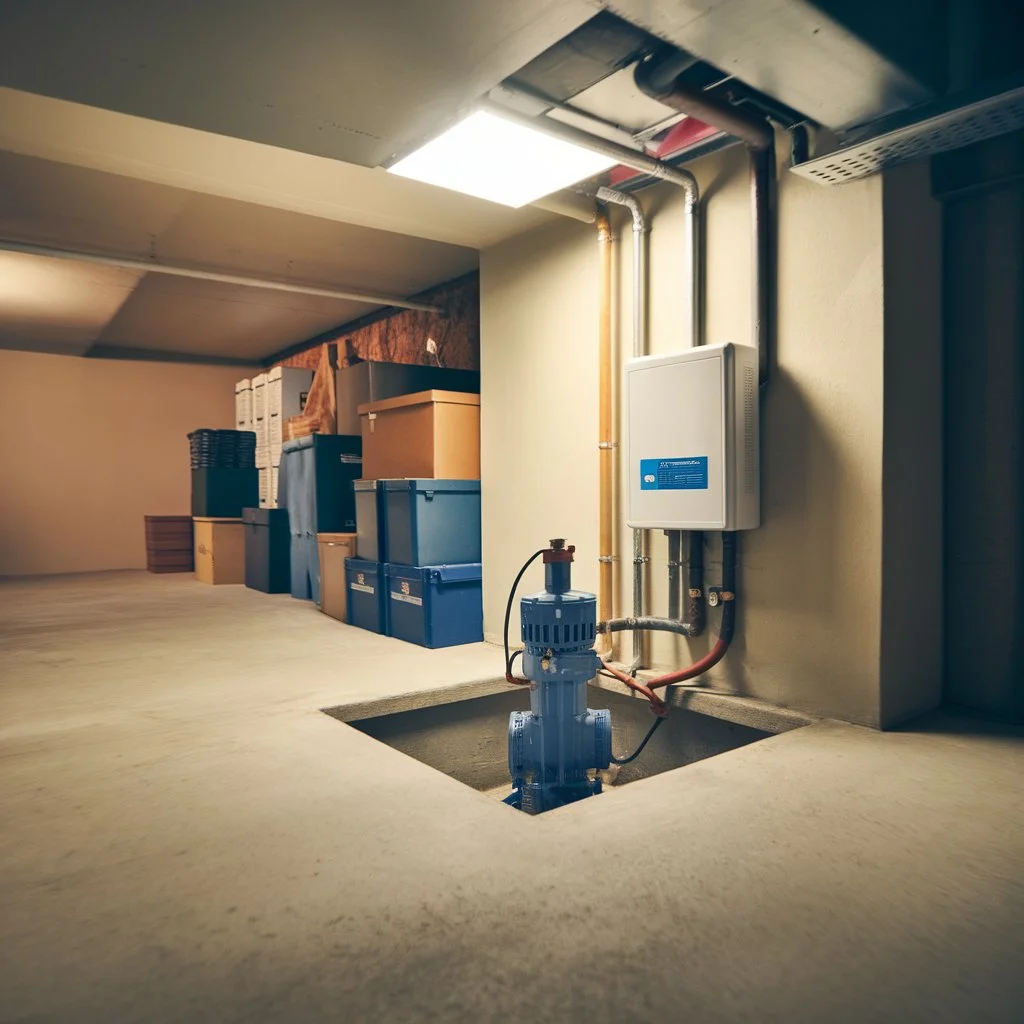
Signs of Sump Pump Failure You Should Never Overlook
Knowing the signs of a struggling system is one of the most effective ways to prevent sump pump failure before it turns into a flooded basement. Most pumps are built to last somewhere between seven and ten years, and as your unit gets closer to that sump pump replacement timeline, paying close attention to how it sounds and behaves becomes more important than ever.
Sounds and Performance Issues
If your pump starts making noises it did not used to make, that is usually the first sign something is off. Rattling, grinding, and loud humming during a cycle often point to motor wear or debris caught in the impeller. A pump that runs nonstop without shutting off is another red flag, typically meaning the float switch is stuck in the on position or the unit simply cannot keep up with the water volume it is dealing with. Either way, that kind of continuous operation shortens the motor’s life quickly.
Visual and Environmental Warning Signs
Rust or corrosion on the pump body, water sitting in the pit well after a rain event has passed, or a musty smell that has settled in around the sump area are all signs worth taking seriously. None of them are something to watch and wait on. A professional inspection at that point will give you a straight answer on whether the unit can still be counted on or whether it is time to plan for a replacement before the next storm season puts it under pressure again.
Storm Season Sump Pump Readiness: Preparing Before the Rain Arrives
Getting ready for storm season is not something you want to leave for the day before a major rain forecast. Real storm season sump pump readiness means looking at your system well ahead of time, while there is still room to fix whatever needs fixing. Check that the discharge line is sending water at least ten feet away from your foundation, because a line that dumps water too close to the house can work against everything the pump is trying to do. Make sure the pit cover sits firmly to keep out insects, rodents, and debris that could interfere with operation. It also helps to understand how often should a sump pump run during heavy rain so you can recognize normal behavior from a warning sign the moment a storm rolls in. And if you have a battery backup, charge it and test it before the first heavy rain of the season, not during it.
Protect Your Basement Before the Next Storm Tests Your Pump
Taking care of your sump pump consistently throughout the year is what separates a basement that stays dry from one that ends up flooded at the worst possible time. From pit cleaning and float switch checks to battery backup care and pre-storm preparation, routine basement sump pump maintenance does not take much time but it makes a real difference when conditions get tough.
At DNA Plumbing and Heating, we specialize in professional sump pump maintenance services that cover every part of your system. Whether you are due for a routine inspection, dealing with a performance issue, or trying to figure out the right backup solution for your home, our team has the experience and equipment to get it done right. Contact DNA Plumbing and Heating today to schedule your service and keep your basement protected through every season.