Introduction
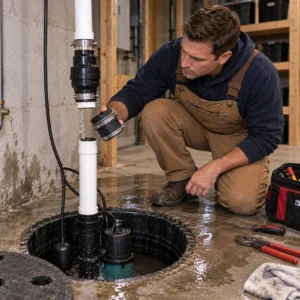
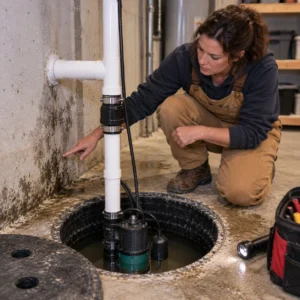
A sump pump impeller plays a key role in protecting your home from water intrusion during heavy rainfall. When it stops working properly, the pump can no longer handle incoming water efficiently. Many homeowners only notice a problem when their sump pump is not pumping water as expected. Understanding how the impeller works, what causes it to fail, and the early warning signs can help you respond before damage develops. This guide explains what happens when a sump pump impeller fails and how to deal with it in a clear and timely way.
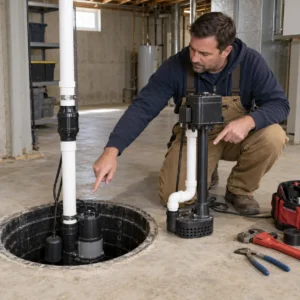
If your sump pump is struggling to move water effectively, reliable sump pump installation can help restore proper performance and prevent further issues.
What Does a Sump Pump Impeller Actually Do?
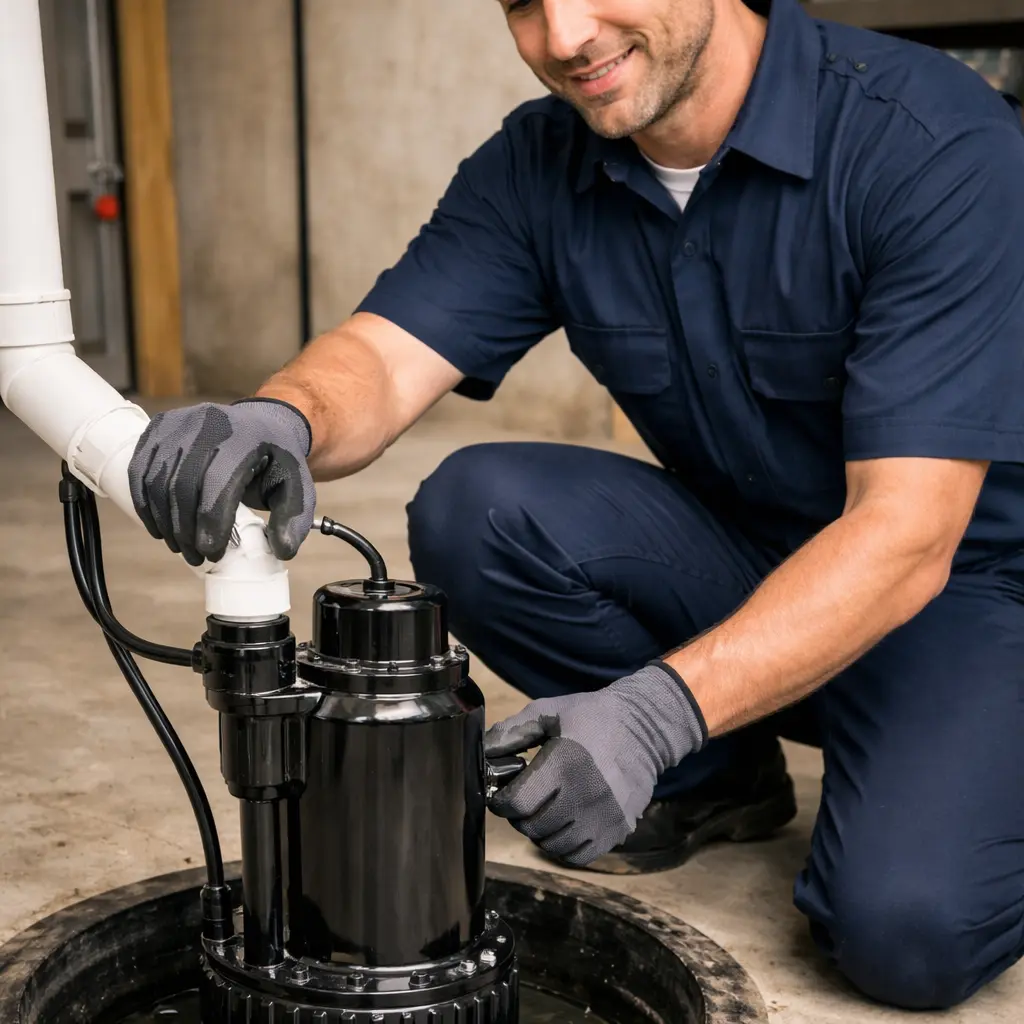
The sump pump impeller is the part responsible for moving water out of the pump. It sits inside the unit and rotates at high speed when the motor is running. This spinning action creates pressure that pushes water through the discharge pipe and away from your home.
Rather than simply turning, the impeller is designed with curved blades that direct water outward as it spins. This movement allows the pump to handle rising water levels and keep the sump pit from overflowing.
What Happens When a Sump Pump Impeller Fails?
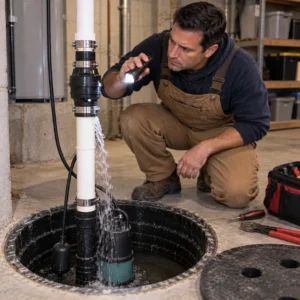
When the impeller fails, the pump may still run but will not clear water from the pit. This can be misleading, as the motor sounds active even though water levels continue to rise.
As the issue progresses, you may notice:
- Water collecting in the sump pit
- Increased humidity indoors
- Musty odors developing over time
- Early signs of moisture related damage
If ignored, this can lead to a complete breakdown when the pump is needed most.
Common Signs Your Sump Pump Impeller Is Failing
Strange Noises or Vibrations
Grinding or rattling sounds usually indicate damage or debris interfering with movement. Vibration often points to an imbalance within the pump components.
Pump Running but Water Not Clearing
If the pump is running but water remains in place, the sump pump impeller is likely not spinning as it should. This usually points to a blockage or component damage.
It is also a common reason why a sump pump is not pumping water, often caused by a clogged impeller or worn parts.
Frequent Cycling
Repeated starting and stopping suggest the pump is struggling to handle incoming water. This forces the motor to work harder, increasing wear and reducing overall lifespan
Slow Drainage
If water takes longer to clear from the pit, it often points to worn impeller blades or partial blockage, reducing output.
What Causes Impeller Failure?
Debris Build Up
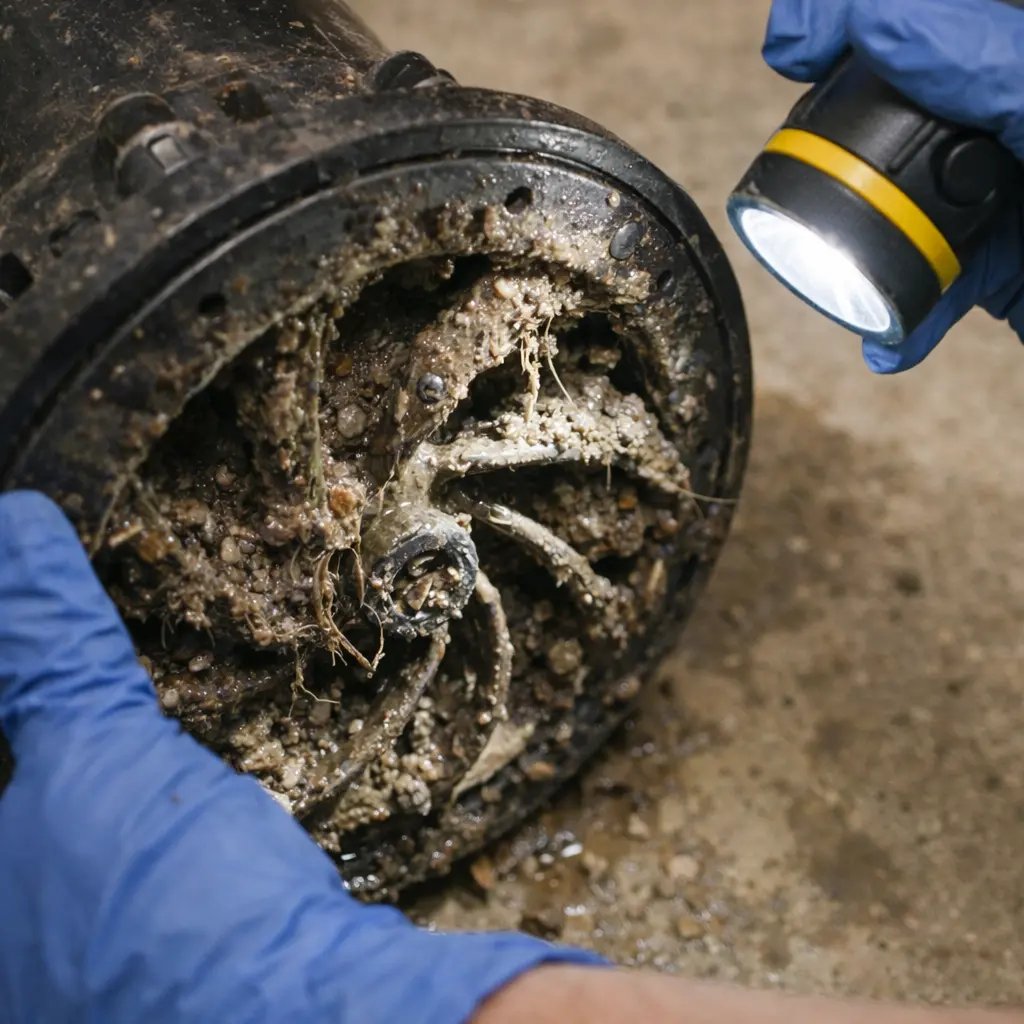
Dirt, gravel, and small particles can enter the pump and restrict movement. This often results in a clogged impeller that cannot spin properly.
Natural Wear Over Time
Continuous operation gradually affects components. Over time, blades weaken or break, reducing pumping capacity.
Incorrect Pump Sizing
A pump that is too small for the volume of water it handles will be placed under constant strain. This can accelerate the deterioration of key components.
Electrical or Motor Problems
Power issues or motor faults can interfere with how the impeller operates. Even if the pump appears active, the rotation may not occur as expected.
When Repair Makes Sense
In certain cases, the issue can be resolved without replacing the entire unit. Targeted repairs can restore function when the problem is limited.
Repair may be suitable when:
- The pump is relatively new
- The issue is caused by debris or blockage
- The motor is still functioning correctly
- Damage to the impeller is minimal
A professional inspection can confirm whether cleaning or minor adjustments will resolve the issue.
When Replacement Is the Better Option
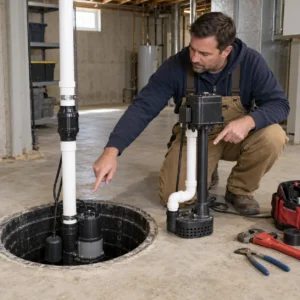
Replacement becomes the more practical option when the pump shows ongoing issues or internal components are deteriorating. Continuing to repair an aging unit may not be cost-effective over time.
Replacement is often recommended when:
- The impeller is significantly damaged
- The motor shows signs of failure
- Problems occur repeatedly
- The pump is nearing the end of its service life
Upgrading to a properly sized unit can provide more dependable protection.
The Risk of Waiting Too Long
Delaying action can lead to serious problems, especially during periods of heavy rainfall. A pump that is not functioning correctly may fail at a critical moment.
Water can begin to enter living areas quickly, leading to damage that is more difficult and costly to resolve. Catching issues early avoids larger repairs and helps maintain a dry and safe environment.
Should You Upgrade Your System?
If your pump struggles to keep up with demand or shows repeated signs of deterioration, upgrading may be a sensible step. Modern pumps are designed to handle higher volumes and operate more consistently.
Options to consider include:
- Backup systems for power interruptions
- Higher capacity units
- Alarm systems for early warning
These upgrades improve reliability and provide added peace of mind.
Conclusion
If you suspect a problem, start by checking whether water is building up in the pit or if the pump is running without clearing the water. Unusual sounds, slow drainage, or frequent cycling are early indicators that should not be ignored.
If these signs are present, it is best to have the pump inspected before conditions worsen. DNA Plumbing and Heating can assess the issue, identify whether repair is possible, and recommend the most practical next step to keep your home protected.