Introduction
Sump pump short cycling is a common issue that many homeowners notice during shifting groundwater conditions. When a pump turns on and off too frequently, it usually signals an underlying problem rather than normal operation. In some cases, it may continue running after rain due to mechanical faults or drainage conditions. Understanding what causes this pattern and how to respond helps protect the pump from unnecessary wear and keeps your home safe from moisture related damage.
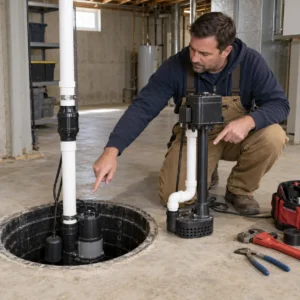
Frequent cycling may point to deeper system limitations, and in some cases, professional sump pump installation can help improve overall efficiency.
What Is Short Cycling?
Short cycling occurs when a sump pump turns on and off in rapid bursts instead of completing steady, effective drainage cycles. Rather than running long enough to lower the water level properly, the pump activates repeatedly without resolving the buildup.
It’s important to distinguish this from normal operation during heavy rain. In moderate conditions, a healthy pump may run two to three times per hour. Short cycling, however, happens much more frequently, often every 30 to 60 seconds regardless of rainfall. This pattern usually signals an underlying issue that prevents the system from operating efficiently.
Common Causes of Sump Pump Short Cycling
Short cycling typically occurs when the system is repeatedly triggered due to mechanical faults or ongoing water pressure. One of the most frequent causes is a float switch that cannot move freely. If it becomes stuck, tangled, or restricted, it activates the pump continuously instead of responding properly to water levels.
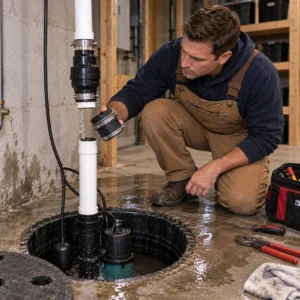
A faulty check valve may allow discharged water to return, triggering repeated activation. This causes the system to restart repeatedly as it tries to remove the same water again.
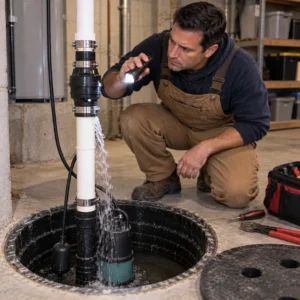
Blockages within the discharge line can restrict water movement, preventing efficient drainage. Similarly, an airlock in the line can stop water from flowing out even when the pump is operating, leading to repeated activation without reducing the water level.
In some situations, the pump may not be suitable for the volume of water entering the pit. A unit that is too small will cycle more frequently as it struggles to manage incoming water. Continuous inflow from groundwater pressure, poor external drainage, or hidden leaks can also keep the system active.
Worn or damaged parts, such as the impeller, can also affect how effectively water is cleared. If the pump runs but does not lower the water level, it may indicate a blockage or a damaged impeller.
How to Fix Sump Pump Short Cycling
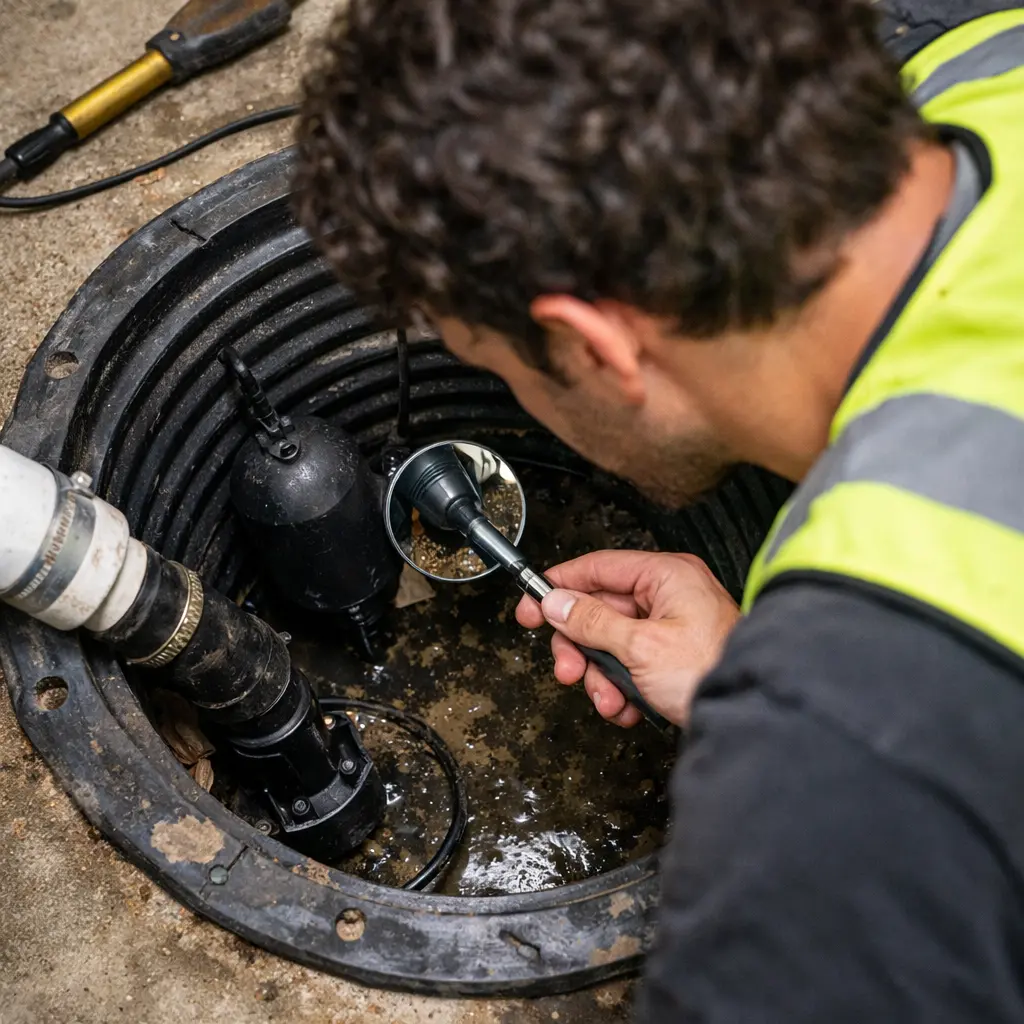
Resolving short cycling starts with identifying the specific cause and applying the appropriate fix. If the float switch is restricted, repositioning or replacing it usually restores normal operation.
Replacing a faulty check valve prevents water from returning into the pit and stops unnecessary cycling. If the discharge line is blocked, clearing debris or obstructions will allow water to flow out properly.
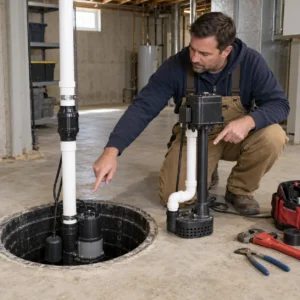
Airlock issues can be resolved by adjusting the discharge setup or releasing trapped air helps restore consistent water movement. Ensuring the system is correctly sized for your property is also essential. If the current unit cannot handle the water volume, upgrading to a higher-capacity pump will improve performance.
Addressing external factors such as poor drainage or excess groundwater may also be necessary to reduce constant inflow. If internal components like the impeller are worn or damaged, cleaning or replacing them can help the pump operate more efficiently.
Risks of a Sump Pump That Won’t Turn Off
A pump that runs continuously or activates too frequently can lead to several problems if not addressed.
- Frequent operation puts strain on the motor and increases the risk of failure
- Continuous running leads to higher electricity usage over time
- Constant use shortens the lifespan of the pump
- Poor water control can result in moisture buildup, leading to mold and structural damage
How Often Should a Sump Pump Run?
A sump pump should only activate when water levels rise in the pit. During heavy rainfall, more frequent operation is normal, but the cycles should remain controlled and not overly rapid.
Typical cycle frequency:
- Normal conditions: 2–4 cycles per hour
- Heavy rain: 4–8 cycles per hour
- Short cycling: 10+ cycles per hour
If your pump hasn’t run for several weeks during dry periods, it’s a good idea to test it manually to ensure it’s still working correctly. After a storm, the pump may continue running for some time, but if it keeps operating for more than 2–3 hours, it could indicate a stuck float switch, excess groundwater pressure, or another underlying issue that needs attention.
What Damage Can Short Cycling Cause Over Time?
Short cycling can cause significant wear on a sump pump over time. Frequent starts draw a surge of current, which leads to motor overheating and reduces its overall lifespan. The start capacitor, responsible for initiating each cycle, also wears out faster due to repeated activation.
Rapid on and off operation places stress on internal components, especially the shaft seals, which can degrade and allow water to enter the motor. In addition, each startup uses 3–5 times more electricity than normal running, increasing energy costs unnecessarily.
If left unresolved, these issues can lead to complete system failure. In many cases, damage caused by improper cycling conditions may also void the pump’s warranty.
When to Call a Professional
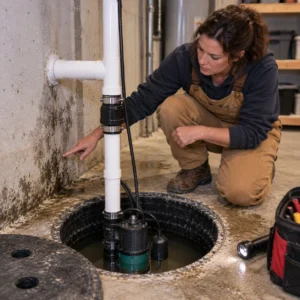
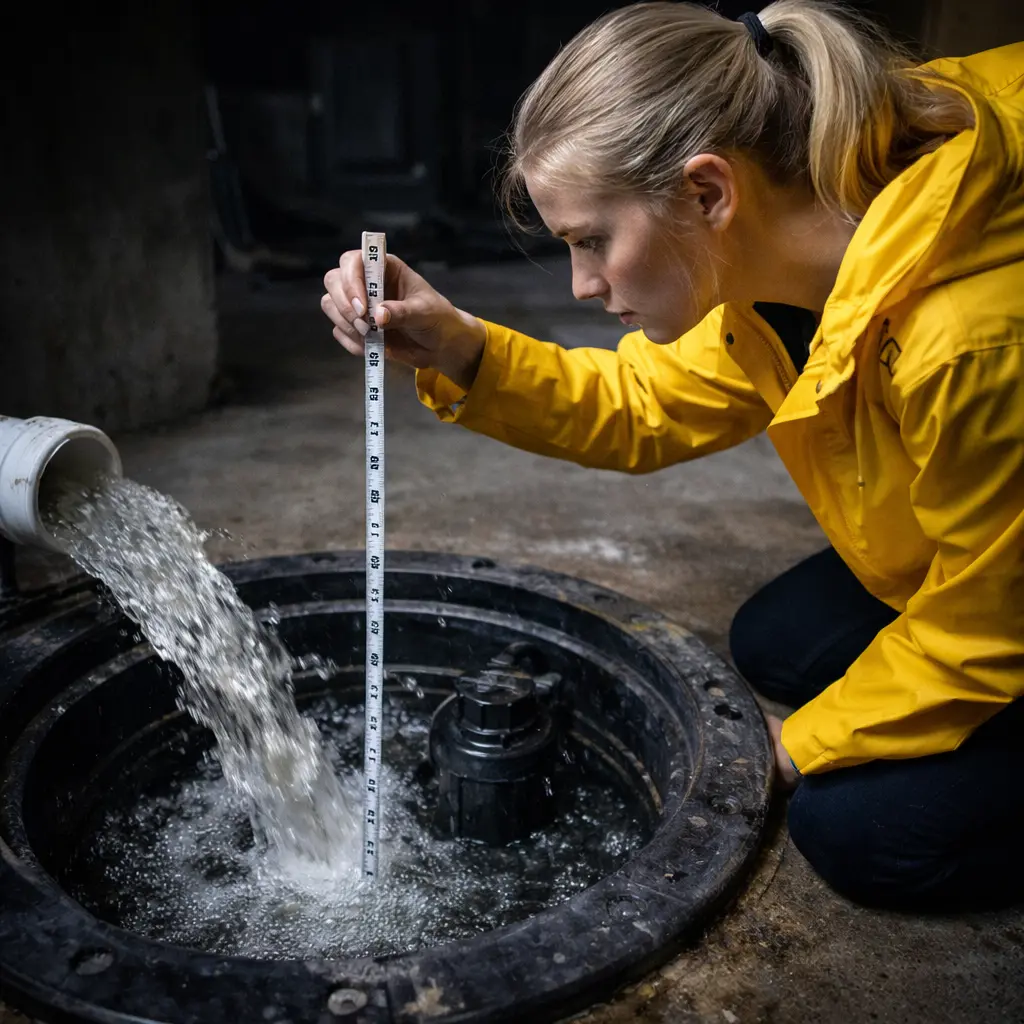
If repeated activation continues despite basic checks, it may point to more complex drainage or mechanical faults. Ignoring the issue can lead to further damage and higher repair costs.
DNA Plumbing and Heating can assess the situation, identify the root cause, and recommend a practical solution to restore reliable operation.
Conclusion
Sump pump short cycling is a clear sign that something needs attention. Whether it is a float switch issue, backflow, or incorrect sizing, each cause affects how the pump responds to water levels.
Start by checking for visible blockages or restricted movement, then monitor how the pump behaves during operation. If the problem continues, having it inspected early can help prevent damage and ensure your home stays protected.