Commercial properties carry a much higher level of responsibility around backflow prevention than most building owners realize until a compliance notice shows up in their inbox. Unlike a typical home where a single irrigation line might be the only cross-connection concern, commercial buildings run multiple water systems simultaneously. A restaurant has chemical sanitizing lines and dishwashing equipment tied into the supply. A medical facility has sterilization systems and lab water connections. An office building with a cooling tower, irrigation setup, and fire suppression system is managing three completely separate categories of cross-connection risk under one roof.
Commercial backflow testing is not a recommendation. It is a mandatory compliance requirement enforced at the federal, state, and municipal levels, with documentation standards far more detailed than what residential properties deal with. If your building is approaching its next testing deadline or you are unsure what your current obligations cover, working with a commercial backflow testing and inspection service that knows these requirements fully is the most direct way to get clarity before a formal notice forces the conversation.
Key Takeaways
- Commercial backflow testing is mandatory under EPA cross-connection control program guidelines and enforced locally by municipal water authorities
- Most commercial buildings must test every backflow preventer annually and submit certified results directly to the local water authority
- High-hazard facilities including hospitals and manufacturing operations face stricter requirements and more detailed reporting obligations
- Properties with fire suppression systems are held to specific standards separate from general plumbing connection requirements
- Documentation including test reports, repair records, and certification submissions must be kept on site and available on request
- Commercial non-compliance carries penalties well above residential levels, covered in full in our guide on mandatory backflow testing consequences
Why Commercial Buildings Face Stricter Requirements Than Residential Properties
The number and variety of cross-connection points in a typical commercial building drives the more demanding requirement. In a commercial setting those points are spread throughout the building, often involve hazardous substances, and many serve systems running continuously. Municipal backflow testing requirements for commercial buildings account for that by requiring every preventer on the property to be tested and certified individually, each one measured against the standard that applies to its specific hazard level and connection type.
The Regulatory Framework Behind Commercial Backflow Compliance
The federal foundation comes from the EPA’s Cross-Connection Control Program, which requires all public water systems to develop and enforce programs protecting the potable water supply from cross-connection contamination. Any commercial property connected to a public water system falls within that framework regardless of location.
State Requirements
Each state translates the federal framework into specific backflow testing regulations for commercial buildings, defining which property types require testing, which preventer types apply at different hazard levels, and what the submission timeline looks like after a test is completed. Annual testing is the standard minimum for commercial properties in most states, with higher-hazard classifications triggering more frequent cycles and more detailed documentation requirements.
Municipal Enforcement
Local water authorities handle enforcement at the street level. They set testing deadlines, collect and review submitted reports, follow up on properties that miss their windows, and move forward with compliance action when obligations continue to be ignored. The core requirement to test every device, document every result, and keep records current is consistent across virtually every US jurisdiction where commercial properties connect to a public water supply.
Commercial Facility Types and Their Testing Obligations
Facility Type | Hazard Level | Typical Testing Frequency | Common Connection Types |
Office buildings | Low | Annual | Irrigation, HVAC, cooling towers |
Restaurants and food service | Moderate | Annual | Dishwashers, ice machines, chemical lines |
Medical and dental facilities | High | Annual or more frequent | Dialysis, sterilization, lab water |
Manufacturing and industrial | Severe | Annual with detailed reporting | Process equipment, chemical systems |
Hotels and multi-use properties | Moderate | Annual | Pools, spas, irrigation, fire suppression |
Properties with fire suppression | High | Annual with separate standards | Fire suppression water supply connections |

What a Full Commercial Backflow Inspection Actually Involves
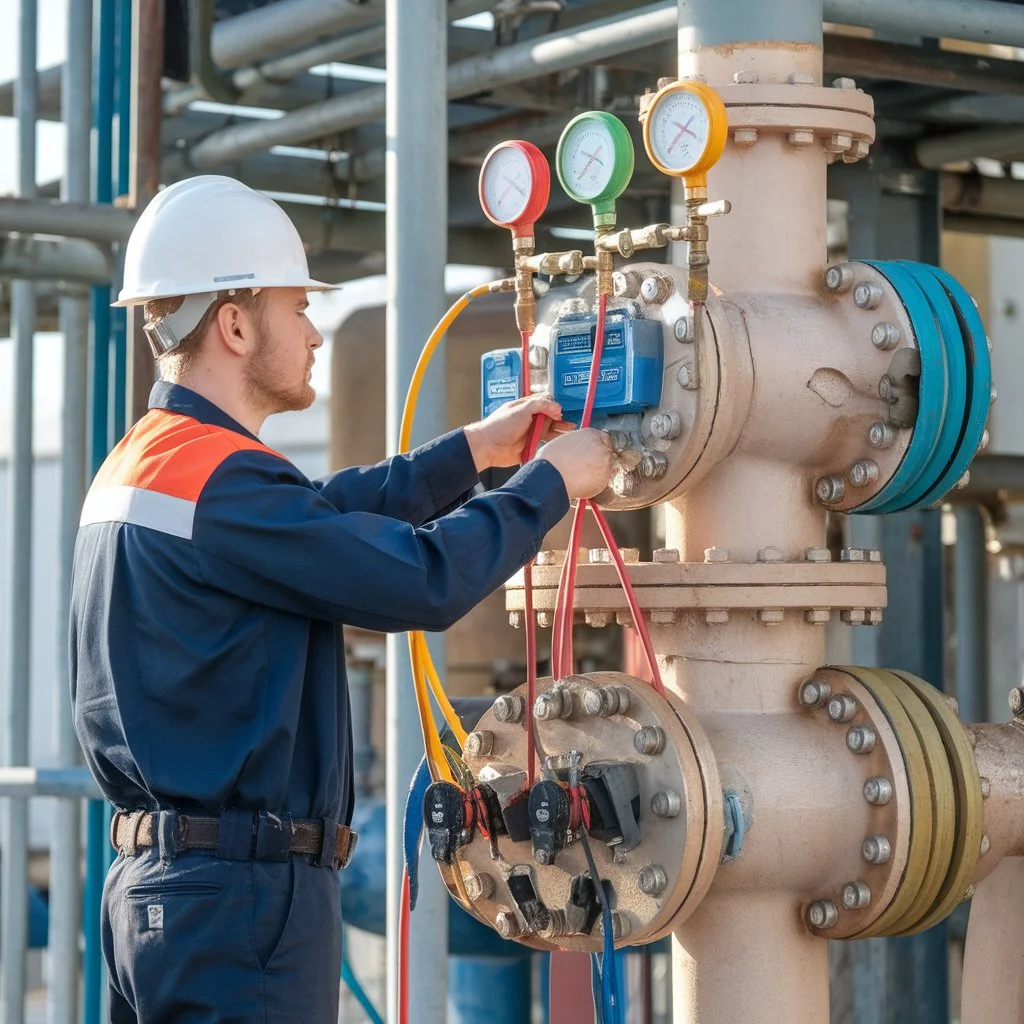
Commercial backflow testing covers every preventer on the property, not just the primary connection at the meter. A certified tester evaluates each device against the performance standard for its hazard level and connection type. A large commercial building might have a reduced pressure zone assembly on the fire suppression line, double check valve assemblies on irrigation and HVAC connections, and a pressure vacuum breaker on an outdoor hose bib, all tested in the same visit but each held to a different standard. If you are also working through the annual backflow testing requirements that apply to each of those devices, understanding the inspection scope helps you plan your compliance calendar accurately from the start.
When One Device Fails and Others Pass
Every device gets its own test report, and all reports must be submitted to the local water authority within the property’s assigned deadline. When one device fails while others pass, the property remains out of compliance until that device is repaired and retested. The compliance record stays incomplete until every device on file shows a current passing result. A property with five or six properly serviced preventers can typically be fully tested and documented in two to three hours, which is considerably less disruptive than most property managers expect.
Documentation Every Commercial Property Manager Should Keep Current
Every commercial property should have the following on file and current at all times:
- Current test reports for every backflow preventer on the premises with submission confirmation from the local water authority
- A full inventory of all preventer locations, device types, hazard classifications, and installation dates
- Records of any repairs completed after a failed inspection including who performed the work and retest results
- Copies of any notices received from the water authority and the response actions taken
- Maintenance records covering any servicing performed between annual test cycles
A clean and complete compliance file is the difference between a quick resolution and a drawn-out liability exposure that costs far more than the testing itself ever would have.
Keep Your Commercial Property Compliant and Ahead of Every Deadline
Commercial backflow testing is straightforward to manage when treated as a routine annual commitment and genuinely difficult to untangle when it falls behind. Commercial properties get the most value from working with a team that handles the full process from inspection through documentation rather than just showing up to run a single test.
Commercial backflow testing is straightforward to manage when treated as a routine annual commitment and genuinely difficult to untangle when it falls behind. If you are still working out exactly how often backflow testing is required for your specific building type and connection points, getting that answered before your next deadline is the right place to start. Commercial properties get the most value from working with a team that handles the full process from inspection through documentation rather than just showing up to run a single test.
At DNA Plumbing and Heating, our certified technicians handle commercial backflow testing, inspection, and documentation for properties of all sizes, making sure every device on your premises is tested, reported, and on record with your local water authority. Contact DNA Plumbing and Heating today to schedule your commercial backflow testing service and keep your building fully compliant year after year.