Introduction
Traditional backflow protection systems often rely heavily on manual inspections and annual testing schedules, which can allow developing plumbing problems to go unnoticed between service visits. Small pressure irregularities, valve wear, hidden leaks, and flow inconsistencies may gradually affect system performance long before visible symptoms appear.
Modern smart monitoring technology now gives property owners better visibility into plumbing system conditions through wireless alerts, automated monitoring, digital sensors, and connected diagnostic tools. These systems help identify developing issues earlier while supporting faster maintenance response and improved long-term water safety. Combining these technologies with regular backflow testing services helps improve overall plumbing system reliability and compliance.
Understanding Modern Backflow Prevention Systems
Traditional backflow prevention systems rely on mechanical assemblies and scheduled inspections to help prevent reverse water flow. While these devices remain essential, older backflow preventers may provide little warning when internal valves, seals, or pressure components begin wearing down over time. Modern backflow prevention technology combines mechanical protection with digital monitoring equipment that tracks pressure conditions, valve activity, and water movement throughout the plumbing network. These systems help homeowners and property managers identify plumbing issues earlier, reducing the chance of water quality problems caused by unstable pressure conditions or damaged plumbing components.
Smart Water Monitoring Improves Early Detection
Real-Time Pressure Monitoring Helps Detect Irregular Conditions
A smart water monitoring system continuously evaluates water pressure throughout the property. Sudden pressure drops, unstable readings, or unusual water flow patterns may indicate developing issues within RPZ valve systems, irrigation lines, or connected plumbing fixtures.
Continuous monitoring allows property owners to respond faster when unusual conditions appear. Instead of waiting for visible leaks or plumbing failures, connected visibility can provide live alerts when water pressure moves outside normal operating conditions. Earlier detection helps reduce the likelihood of larger plumbing complications while supporting safer water distribution throughout the property.
Smart Water Leak Detector Systems Add Additional Protection
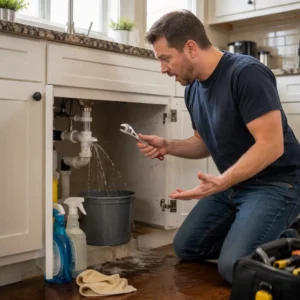
Leaks near backflow prevention devices may signal damaged seals, worn valves, or internal assembly deterioration. A smart water leak detector monitors moisture buildup and unexpected water activity around critical plumbing components.
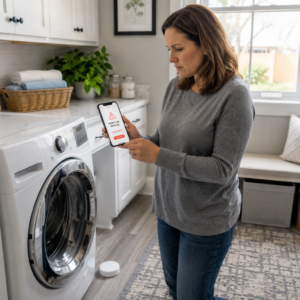
Many systems connect directly to mobile applications or centralized monitoring dashboards, allowing homeowners to receive alerts immediately when unusual moisture levels appear. Identifying these problems earlier can help prevent structural water damage and reduce unnecessary strain on plumbing infrastructure.
How Smart Valve Systems Improve Water Safety
Automated Valve Operation Supports Faster Emergency Response
Smart valve systems improve water safety by automatically responding to abnormal flow conditions. Automated valve control can temporarily isolate sections of the plumbing network if reverse flow detection or unstable pressure readings occur.
This type of water system automation is especially useful in larger commercial properties where plumbing networks are more complex. Automatic water shutoff valve systems may also help reduce water damage caused by sudden pipe failures, irrigation malfunctions, or severe weather-related plumbing emergencies.
Remote Valve Control Improves Monitoring Efficiency
Remote valve control allows plumbing professionals and facility managers to review system activity without requiring immediate on-site access. Connected monitoring platforms help technicians evaluate plumbing performance, review alerts, and identify developing issues before performing physical inspections.
This approach improves response efficiency and supports more proactive maintenance planning. Remote plumbing monitoring can also help property managers maintain better oversight across larger residential communities, commercial facilities, and multi-unit properties.
Connected Plumbing Systems and IoT Integration
Smart Plumbing Technology Improves System Visibility
IoT backflow prevention technology allows connected plumbing systems to share information through wireless monitoring tools and centralized dashboards. These systems gather data from backflow pressure sensors, flood detection sensors, and digital plumbing monitoring equipment.
Property owners can review water usage analytics, pressure conditions, and system alerts from a single monitoring platform. This added visibility helps support faster decision-making while improving awareness of developing plumbing concerns that might otherwise remain hidden.
Building Management Integration Supports Larger Facilities
Commercial properties, industrial facilities, and multi-unit residential buildings often rely on building management system integration to coordinate plumbing system monitoring across multiple areas. Smart building water systems help monitor irrigation lines, fire sprinkler assemblies, and emergency flood shutdown systems from one centralized control interface.
This level of monitoring is especially useful in larger US facilities where hidden leaks or cross-connection issues may otherwise go unnoticed for extended periods. Digital oversight also helps maintenance teams respond more efficiently when plumbing alerts occur.
Advanced Sensors Improve Device Performance
Modern backflow prevention devices now use advanced plumbing sensors to monitor system conditions more accurately. Pressure differential sensors track changes between supply and discharge lines, helping identify developing restrictions or valve failures before performance declines further.
Flow sensors monitor unusual water movement that may indicate reverse flow activity or internal leakage within the assembly. Temperature probes and freeze protection sensors also help monitor vulnerable plumbing areas during colder weather conditions. Together, these monitoring tools improve predictive backflow maintenance and provide better long-term visibility into plumbing system performance.
Smart Flood Detection Reduces Water Damage Risks
Backflow flood sensor systems help identify excessive discharge near reduced-pressure zone assemblies and connected plumbing equipment. Wireless flood monitoring devices can send alerts when water accumulation reaches unsafe levels inside utility rooms, basements, or mechanical spaces.
These alerts are particularly useful in commercial properties where hidden leaks may continue for extended periods before becoming visible. Earlier alerts help reduce the risk of structural damage while supporting faster maintenance response times.
Seasonal Protection Supports Year-Round Plumbing Reliability
Freeze Protection Monitoring Helps During Winter Conditions
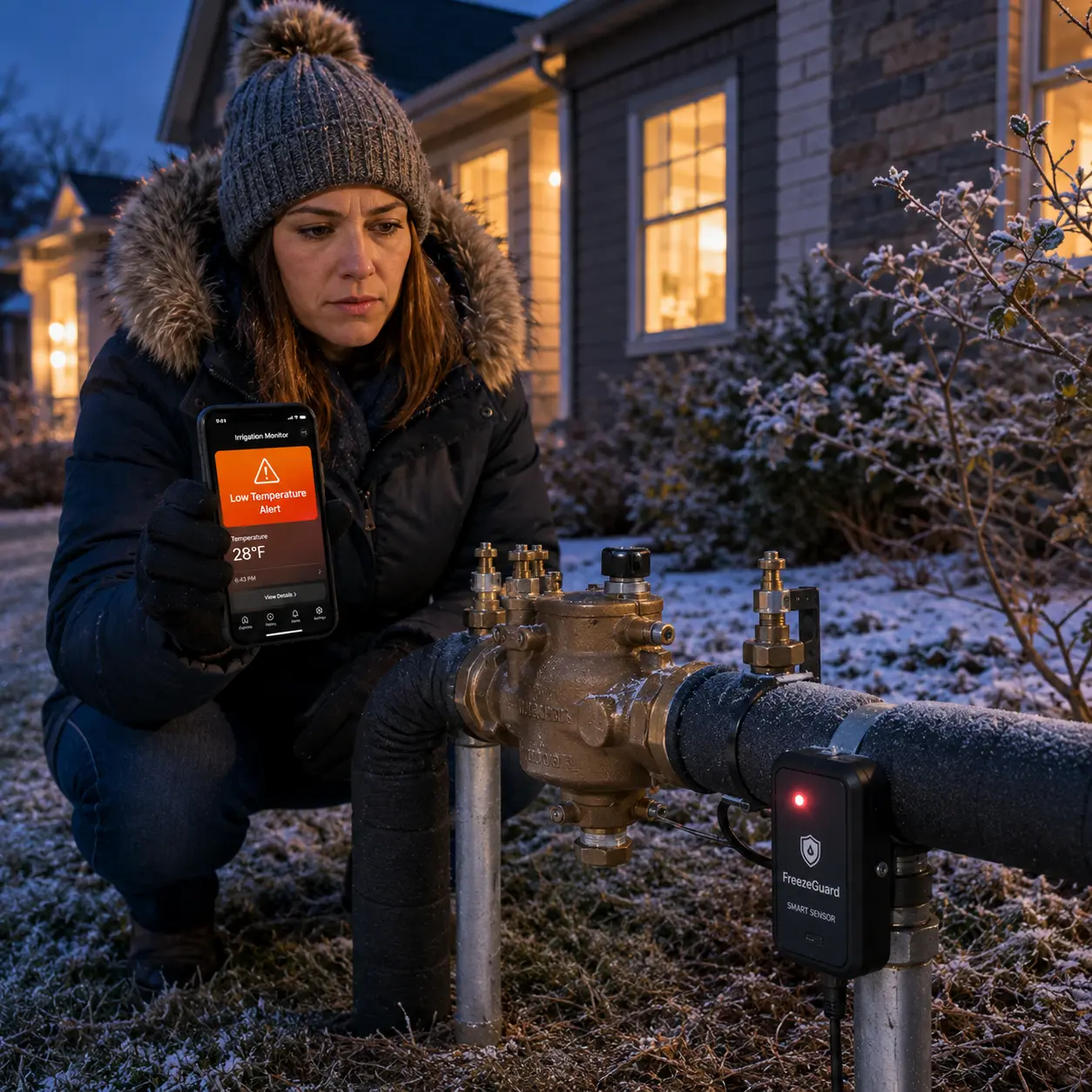
Cold winter temperatures across many US regions create additional risks for exposed plumbing pipes and outdoor backflow assemblies. Freeze protection alerts track temperature changes near vulnerable plumbing components and provide alerts when conditions approach freezing.
Freeze detection kits and pipe freeze alerts are especially valuable for irrigation systems, outdoor water lines, and seasonal properties exposed to prolonged cold weather. Earlier warnings help property owners respond before pipe damage or valve failures occur.
Smart Irrigation Monitoring Helps Reduce Cross Connection Risks
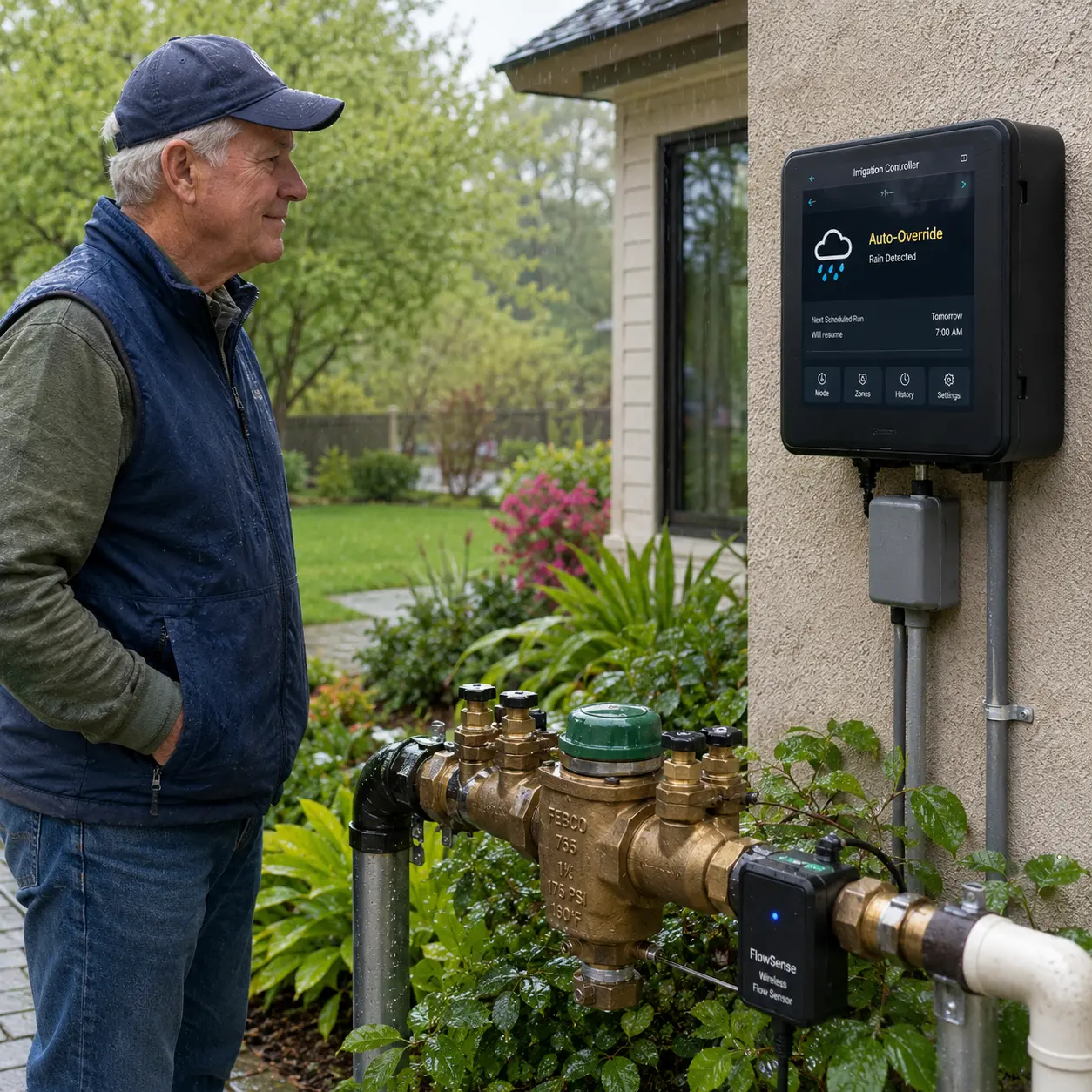
Irrigation systems can increase cross connection risks because outdoor plumbing equipment is more exposed to pressure instability and contamination sources. Smart irrigation controller systems help regulate water flow while supporting safer irrigation backflow prevention practices.
Weather-based sprinkler controller technology also improves water management by adjusting irrigation schedules according to changing outdoor conditions. This reduces unnecessary strain on plumbing infrastructure during periods of heavy rainfall or drought.
Why Professional Backflow Testing Still Matters
Even with modern monitoring technology, professional backflow testing remains an important part of maintaining safe plumbing systems. Digital monitoring tools improve visibility, but certified inspections are still necessary to evaluate valve performance, inspect internal components, and verify compliance with local plumbing regulations, including annual backflow testing requirements in many US municipalities.
If you notice recurring pressure problems, unexplained leaks, or signs of backflow issues, it may be worth contacting DNA Plumbing and Heating for a professional inspection. Combining routine testing with connected monitoring technology can help improve long-term plumbing reliability and water safety.
Conclusion
Connected plumbing technology continues improving the way residential and commercial properties manage backflow prevention. Smart water monitoring systems, automated valve controls, wireless leak detection tools, and advanced plumbing sensors all help identify developing problems earlier while improving overall system visibility. These solutions support faster response times, stronger water protection, and more reliable plumbing performance throughout changing seasonal conditions. As plumbing systems become more advanced, combining professional inspections with modern monitoring technology can help property owners maintain safer and more dependable water systems for the long term.