Introduction
Backflow contamination is a plumbing problem that can affect the safety of household drinking water. When water flows in the wrong direction inside a water system, polluted water can enter the clean water used for drinking, cooking, and bathing. This situation may occur in homes, commercial buildings, or irrigation systems if proper protection is not installed.
Understanding backflow contamination helps homeowners recognize possible risks and take steps to protect their water supply. Scheduling professional backflow testing services can help identify plumbing issues early and prevent contaminated water from entering your home.In this guide, DNA Plumbing and Heating explains how backflow happens, why it can affect water quality, and how prevention methods help keep household water safe.
The Importance of Maintaining Good Water Quality
Clean water is important for daily activities such as drinking, cooking, cleaning, and bathing. A properly maintained household water supply ensures that the water delivered to sinks, showers, and appliances remains safe for use.
When backflow contamination occurs, pollutants may enter the potable water system. These substances can include bacteria, chemicals, or debris from external sources. Even a small pressure imbalance in the plumbing system can allow unsafe water to mix with clean water.
Maintaining proper backflow protection helps preserve water quality and ensures the water system continues to deliver safe water throughout the property.
What Is Backflow in a Water System
Backflow occurs when water flows in the opposite direction within a pipe system. Instead of clean water traveling from the municipal supply to household fixtures, contaminated water can enter the drinking water supply.
This reverse water flow usually results from pressure changes within the plumbing network. When pressure in the water supply drops or pressure inside the building becomes higher, water may move backward through the pipes.
Backflow contamination can introduce harmful substances into the water supply, including bacteria, chemicals, and pollutants from surrounding environments.
What Causes Backflow in Water Systems
Several conditions in a home plumbing network can lead to backflow. Most problems develop when pressure levels change or when connections exist between clean water and non-potable sources.
Backsiphonage
Backsiphonage occurs when pressure in the main water line drops suddenly. Situations such as water main repairs or heavy water use in nearby areas can reduce pressure. When this happens, the water supply system may draw contaminated water into the pipes.
Backpressure
Backpressure develops when pressure inside the building becomes greater than the pressure in the public water supply. Equipment such as boilers, pumps, or irrigation systems can create this imbalance and push water in the wrong direction.
Cross Connections
A cross connection forms when the potable water supply is directly linked with a non-potable source. Without protective devices, these connections can allow polluted water to enter the household supply.
Health Risks of Backflow Contamination
- Backflow contamination can introduce polluted water into your supply, increasing the risk of health issues.
- Harmful bacteria in contaminated water may cause digestive problems such as stomach discomfort, nausea, or fever.
- Chemical pollutants from sources like fertilisers, cleaning agents, or industrial substances may enter the water system and lead to irritation or other health concerns.
- Bacteria from sewage or environmental exposure can spread through the water network and result in infections.
- Waterborne parasites may contaminate drinking water and cause digestive illness when consumed.
Protecting your plumbing system from backflow helps maintain safe, clean water and reduces these potential health risks.
Signs of Possible Backflow Contamination
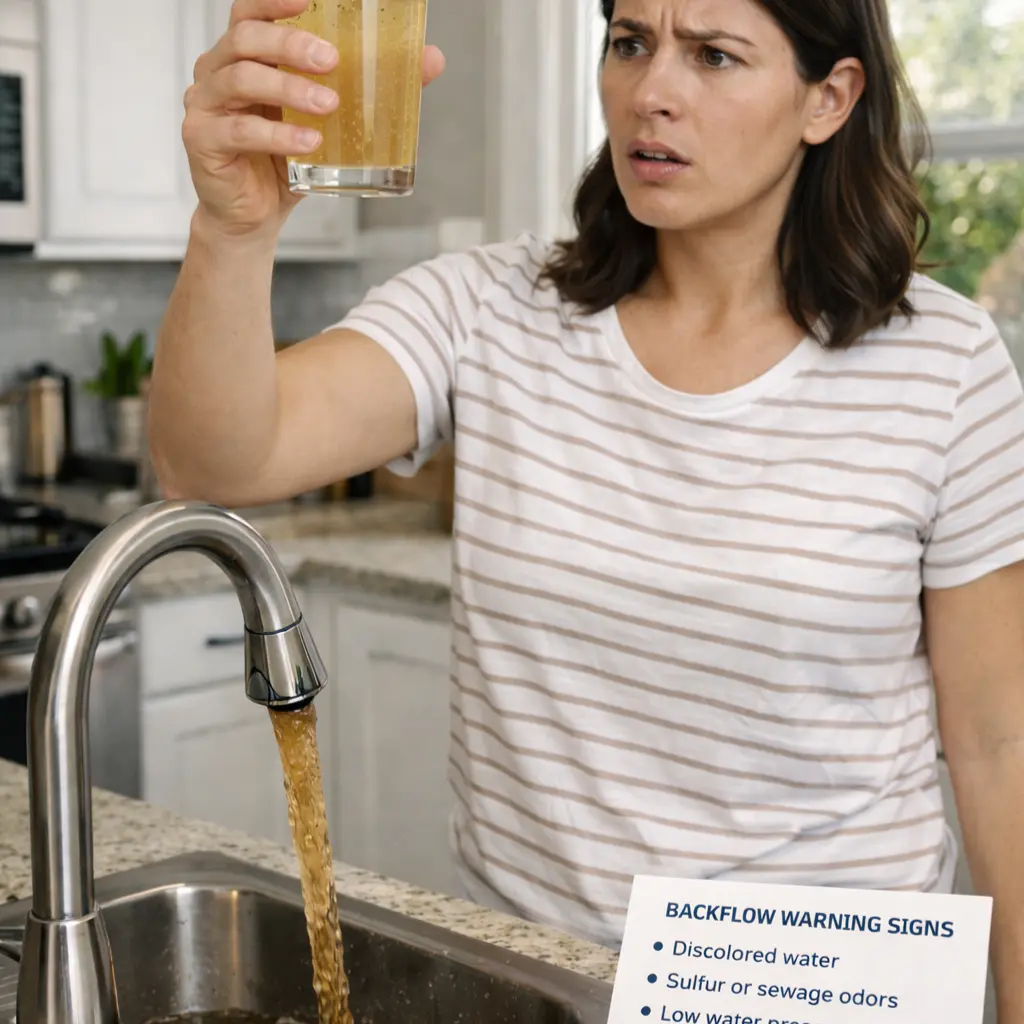
Although backflow contamination is not always obvious, several warning signs may indicate a problem with the water supply.
Common signs include:
- Water that appears cloudy or discolored
- An unusual taste in drinking water
- Strange odors from taps
- Visible particles in tap water
- Sudden changes in water pressure
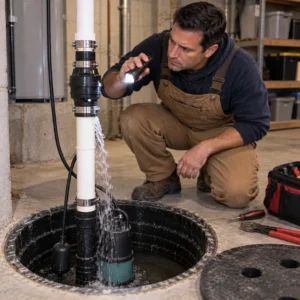
In some cases, a leaking backflow preventer may indicate internal valve wear or pressure imbalance. If you notice water leaking from the backflow device, it is important to have the system inspected to prevent possible contamination of the household water supply.
How Backflow Prevention Protects Drinking Water
A backflow prevention device is designed to prevent water flowing backward through the domestic water supply system. This device allows water to travel in only one direction.
Several types of equipment are commonly used to prevent reverse flow, including:
- Reduced pressure valve assemblies
- Double check valve assemblies
- Pressure vacuum breakers
- Hose connection vacuum breakers
- Air gap protection systems
Installing the correct device helps ensure contaminated water cannot enter the drinking water supply.
Professional Backflow Testing and Inspection
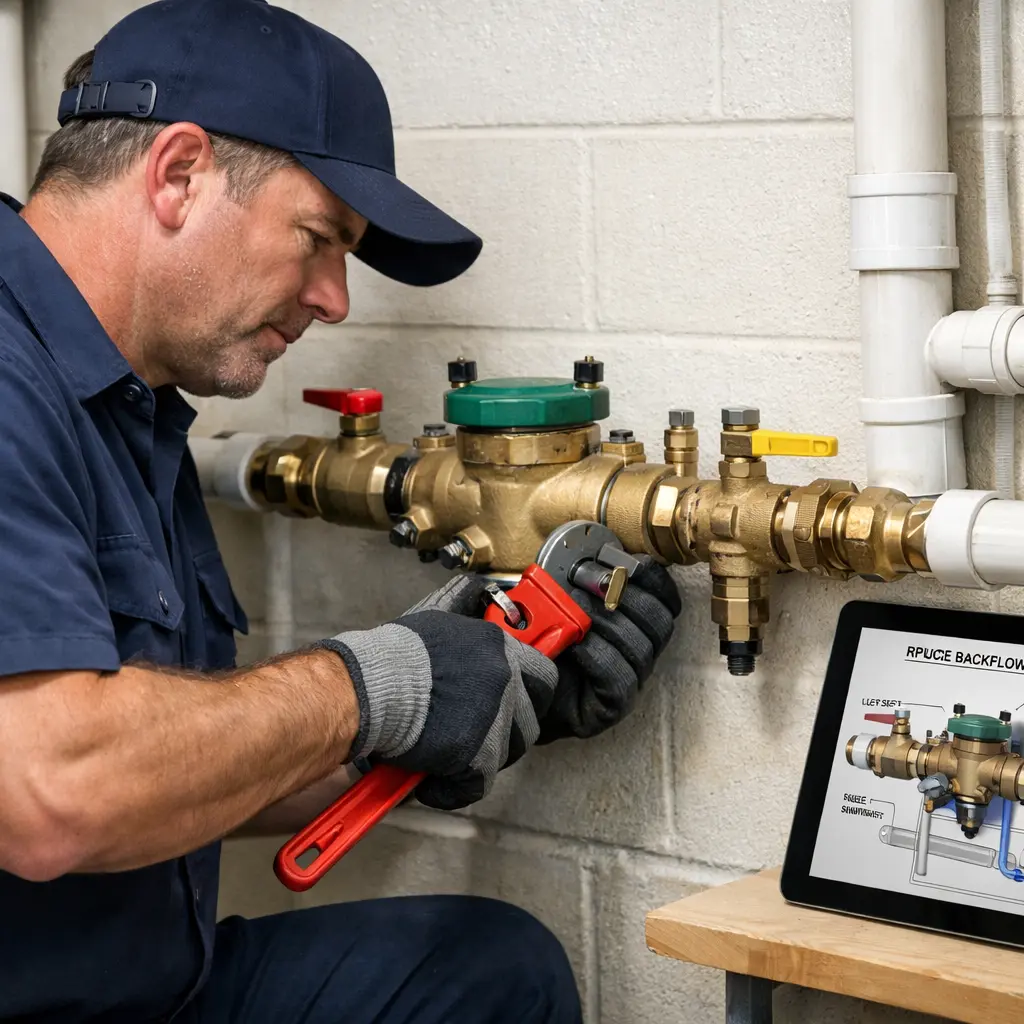
Backflow prevention devices must be inspected regularly to confirm they are functioning correctly. Over time, internal components can become damaged.
During a professional inspection, certified technicians check the device, verify valve operation, and ensure the system prevents reverse flow. Testing also confirms that the plumbing system meets safety standards.
Regular testing helps to identify potential issues early and keeps the water system functioning safely.
Conclusion
Backflow contamination can compromise drinking water quality when pressure imbalances or improper plumbing connections allow polluted water to enter the clean supply. Being aware of how backflow occurs and recognising early warning signs helps homeowners take prompt action before serious issues develop. Installing reliable backflow prevention devices, along with regular professional inspections, is essential for maintaining a safe and dependable water system. Taking these preventive steps ensures your household water remains clean, protected, and suitable for everyday use.