Quick Summary
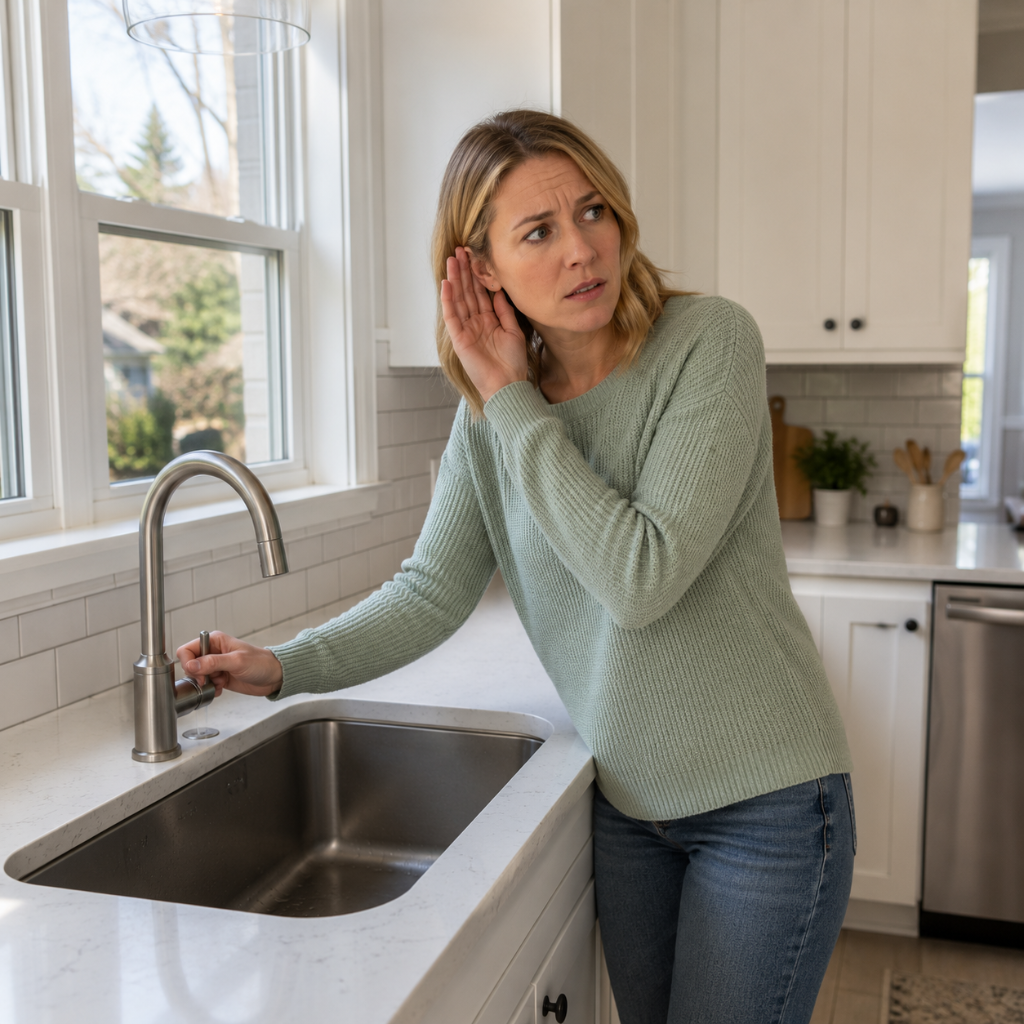
Turning off the kitchen faucet only to hear a sharp rattle through the wall, or noticing the pipes shake whenever the heat comes on, is a common problem in many homes. Most rattles trace back to something straightforward. If yours turns out to be more than a simple repair, a trusted local plumber can diagnose the problem and fix it safely.
This guide explains what causes pipes to rattle, how to narrow down the cause by when the noise occurs, the simple checks that may help, and when it is time to call a plumber.
What Causes Pipes to Rattle?
Pipe noises usually come from just a few common causes. Paying attention to when the sound occurs makes it much easier to narrow down the source.
● Right when you shut off a faucet or an appliance stops filling. This usually points to water hammer or high pressure.
● While hot water is running. This often means pipes expanding with the heat.
● Any time water flows through the pipes. This commonly signals a loose or unsecured pipe.
High water pressure
When water pressure is too high, pipes can vibrate as water moves through them. Excessive pressure also places added stress on the entire plumbing system, making existing noises more noticeable.
Water hammer from fast-closing valves
Water hammer occurs when fast-moving water is suddenly stopped, usually by a quick-closing valve in a washing machine, dishwasher, or faucet. The water slams against the pipe walls, creating a bang or rattle. A homeowner recently reached out to us because their pipes banged every time the washing machine finished a cycle, and fitting a water hammer arrestor settled it down.
Loose or unsecured pipes
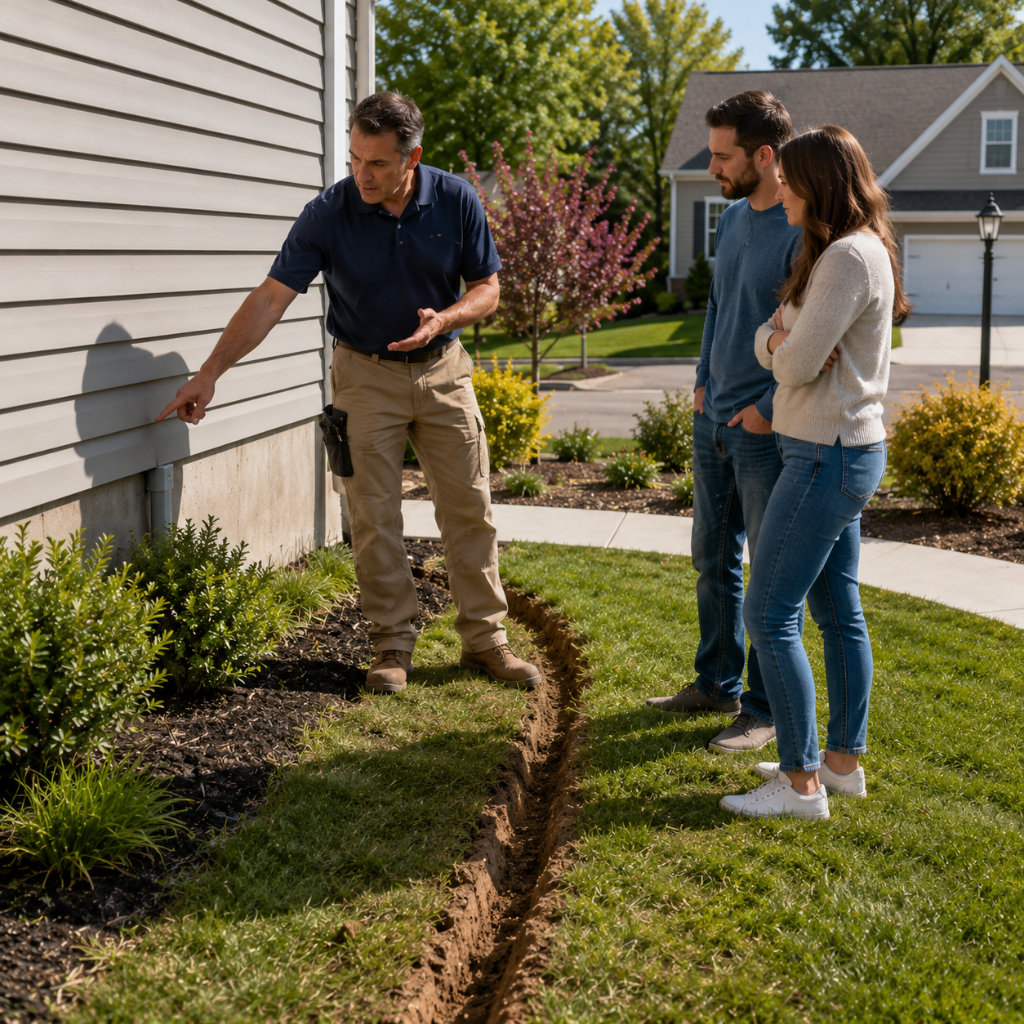
If water supply or drain pipes under the sink or inside the walls are not securely fastened, they can vibrate and rattle when water flows through them. Pressure changes, trapped air, or movement from nearby plumbing can make the noise more noticeable until the pipes are properly secured.
Pipes expanding with heat
Copper naturally expands as hot water flows through it. If it is pinned too tightly by a clamp or threaded through a snug hole in the framing, it cannot move freely, so it chafes against the joist and ticks as it heats up. This is why the noise often shows up only when the hot water is running.
Sediment in the water heater
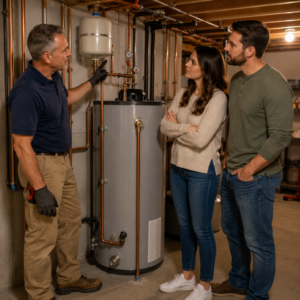
Over time, minerals settle at the bottom of a water heater tank. As the burner heats the water, trapped steam bubbles up through the sediment and can create rumbling and rattling sounds. Hard water in the area makes this buildup more likely.
Worn valves or a failing pressure regulator
A worn valve or a pressure regulator that is starting to fail can let pressure swing up and down. Those swings show up as rattling or chattering in the pipes. A faulty regulator is a common reason the noise appears seemingly out of nowhere.
How to Fix Rattling Pipes
Once you have a sense of the cause, several fixes are within reach for a confident homeowner. Work through them in order and stop if anything feels beyond a basic task.
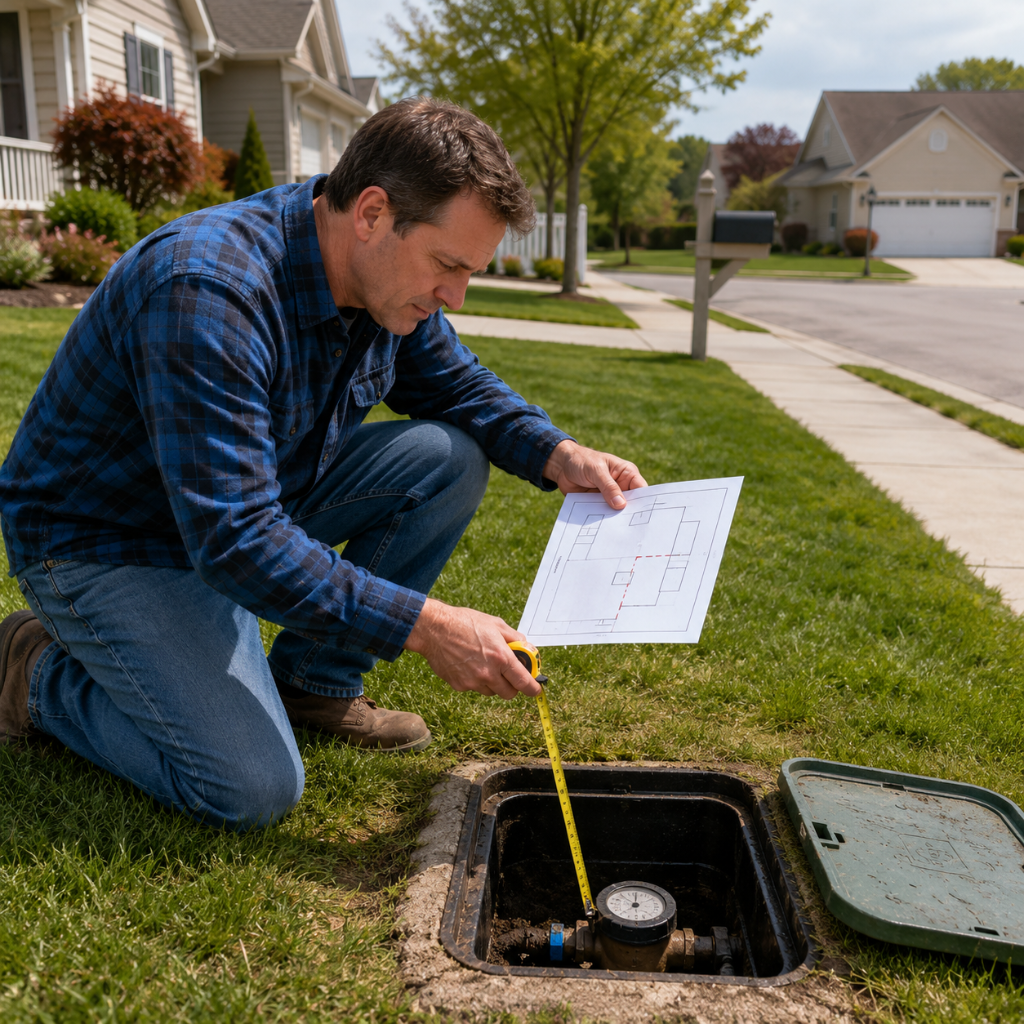
Check your water pressure. A simple gauge that screws onto an outside spigot tells you the reading. Home pressure should be around 40-60 psi; anything above 80 is too high.
Secure loose pipes. Add or tighten cushioned clamps and brackets, and wrap pipe insulation around any pipe that knocks against framing.
Check for signs of thermal expansion. As the water heater heats the water, the tank and pipes expand. An expansion tank helps absorb the extra pressure created as water heats, reducing stress on the plumbing system. If the pipes are tightly secured or lack proper support, they can still rub or rattle against nearby framing as temperatures change.
Fit a water hammer arrestor. Installed near the appliance or fixture causing the banging, it absorbs the shock created when fast-closing valves suddenly stop the flow of water.
How to Prevent Copper Pipes from Rattling
Copper piping is especially prone to movement as temperatures change. If it is held too tightly or passes through a snug opening, it can rub against surrounding framing and create tapping or vibrating sounds. Using cushioned pipe clamps, insulation sleeves, or protective bushings allows the pipe to move slightly while reducing noise and preventing wear.
When to Call a Professional
Many rattles are simple to trace and fix. Some point to problems that are safer in a professional’s hands.
• The rattle comes with a drop or surge in water pressure, which can mean a failing pressure regulator.
• You measure pressure above the safe range and are not sure how to bring it down.
• The noise comes from inside a wall or ceiling where the pipe is hard to reach.
• Your plumbing is older, and several pipes rattle at once.
• You notice leaks, damp spots, or banging strong enough to shake fixtures.
Our team can measure your water pressure, install a pressure-reducing valve, secure or replace any problem pipes, and track down any leaks the movement has caused.
Conclusion
If the noise continues despite your efforts, or you suspect hidden plumbing movement or unusually high water pressure, DNA Plumbing and Heating can help. A professional inspection can quickly locate the source, recommend the right repair, and restore quiet operation. We also provide 24/7 emergency plumbing services when immediate assistance is needed.