Introduction:
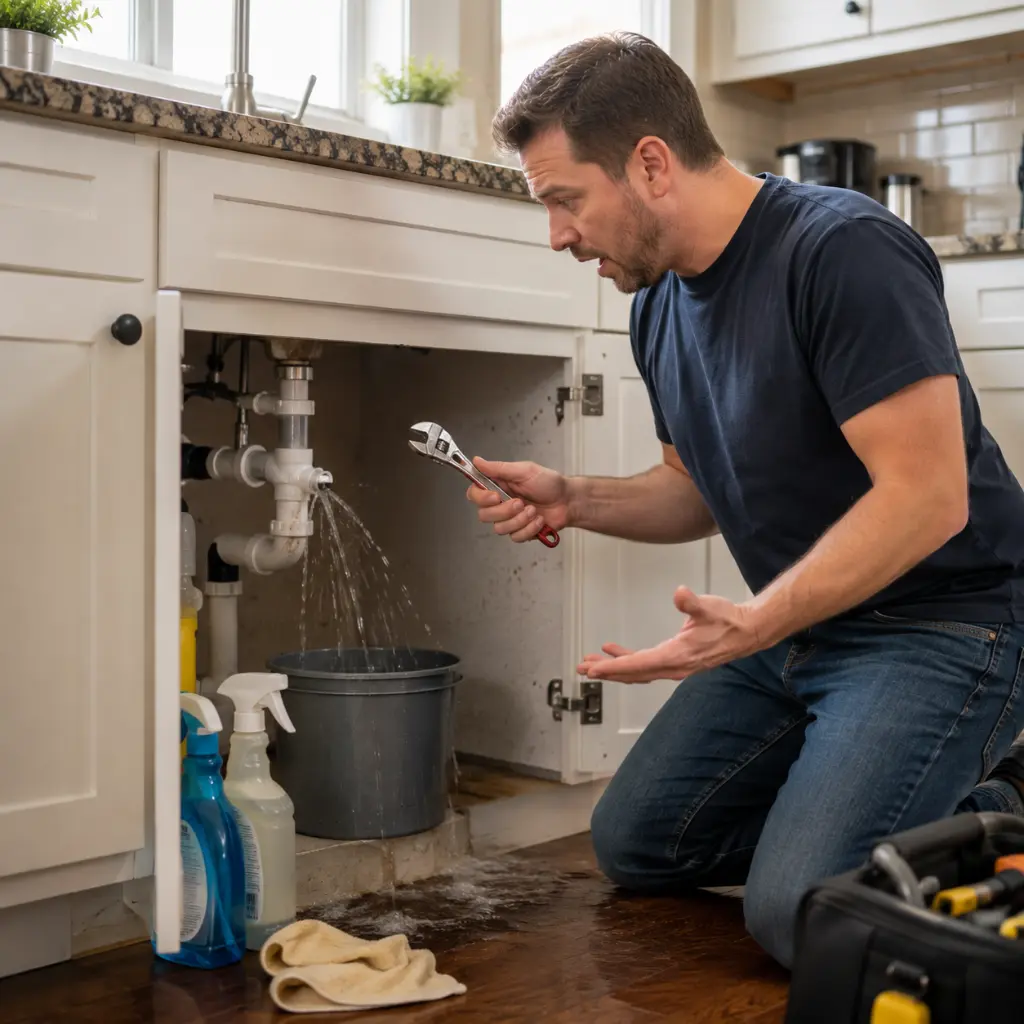
A homeowner in Northville noticed a small leak under the kitchen sink and decided to handle the repair themselves. What seemed like a simple fix quickly became a bigger problem when the damaged connection caused water to spread into the cabinets and flooring. By the time a plumber arrived, the repair involved more than just replacing a small fitting. Knowing when to arrange trusted plumbing services can help avoid unnecessary damage and expense.
Situations like this raise an important question: when should you call a plumber instead of attempting a DIY repair? In this guide, we will explain which plumbing repairs are suitable for DIY solutions, which ones need a professional plumber, and how making the right choice can help prevent costly damage.
Plumbing Tasks That Are Reasonably Safe to Handle Yourself
Not every plumbing issue calls for a professional visit right away. A number of smaller jobs are within reach for a homeowner with basic tools and a bit of patience.
Everyday Fixes Most Homeowners Can Try
- Clearing a slow sink or tub drain with a plunger or a hand auger.
- Replacing a worn showerhead, faucet aerator, or a supply line under a cabinet.
- Swapping out a leaking toilet flapper or fill valve.
- Insulating exposed pipes in a crawl space, attic, or garage before cold weather arrives.
- Tightening a loose fixture connection that is dripping but not actively spraying.
These jobs stay contained, use standard hardware, and rarely touch a home’s main water or gas supply. If a fix like this does not hold, or the same problem returns within a few days, that is usually a sign the real cause sits somewhere deeper.
Common Mistakes That Turn a Small DIY Job into a Bigger One
Even simple repairs can go wrong when a step gets rushed or skipped. A few habits show up again and again in the calls our technicians take after a homeowner has already given it a try.
- Overtightening a fitting or connection, which can crack a pipe instead of sealing it.
- Using the wrong tape or sealant for the material, leading to a leak that reappears weeks later.
- Skipping the step of shutting off the main water supply before opening a line.
- Forcing a repair without fully understanding how the fixture or line connects to the rest of the system.
Ignoring a small, slow leak, which can quietly damage corrosion, flooring or a subfloor over time, since the small habits that keep a pipe from corroding in the first place are usually easier than fixing what happens once it does.
None of these mistakes are about a lack of effort. They usually come from not knowing what is happening on the other side of a wall or floor, which is exactly the kind of thing a licensed plumber is trained to check first.
Signs a Plumbing Problem Has Moved Past DIY
Some issues look minor at first glance but point to something larger underneath. Recognizing which plumbing repairs require a professional early can prevent a bigger and messier cleanup later.
Recurring or Multiple Drain Clogs
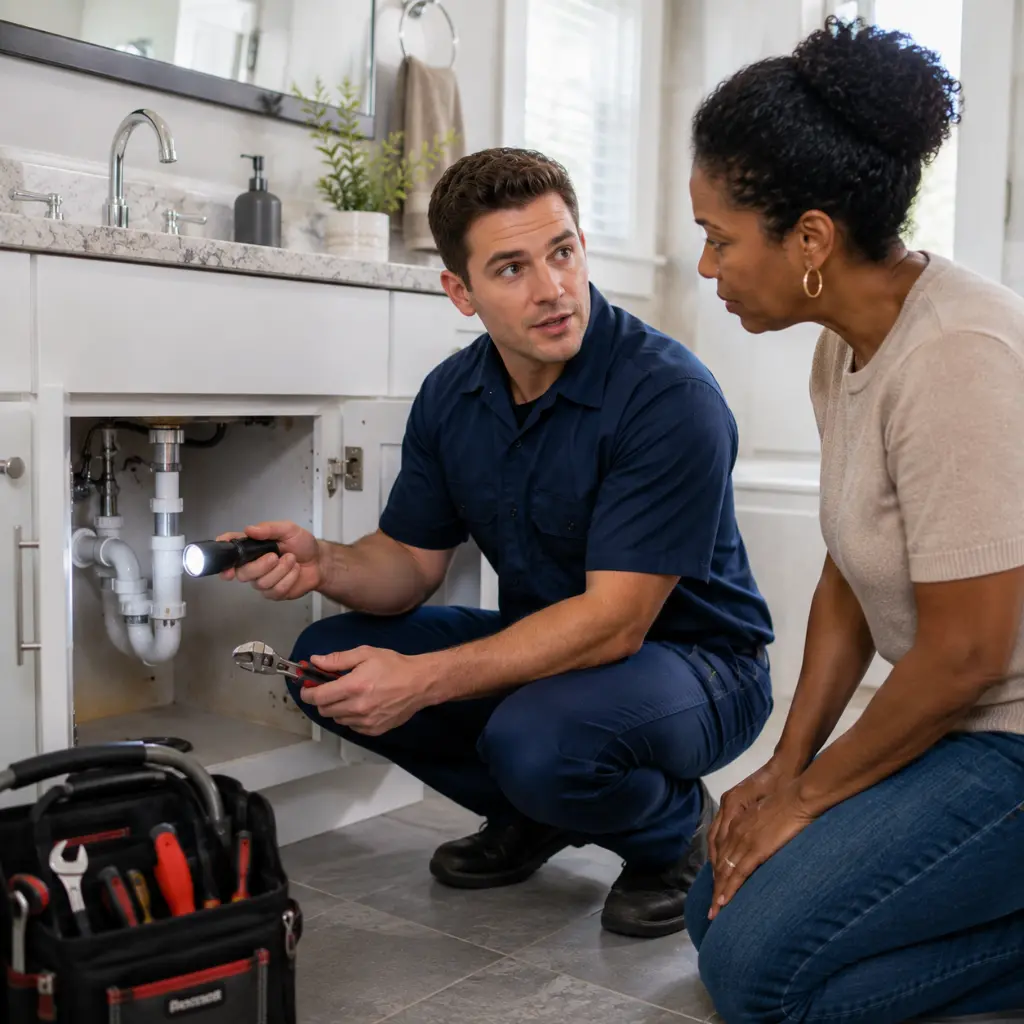
A drain that clogs once in a while usually responds to basic cleaning. A drain that clogs again within days, or several fixtures slowing down at the same time, points to a blockage sitting deeper in the line than a plunger or store bought snake can reach. A professional drain cleaning uses equipment built to clear that kind of buildup without damaging the pipe.
Frozen or Burst Pipes
Michigan winters put real strain on plumbing systems. A pipe can freeze and crack quietly, then split open once the ice inside begins to thaw, sending water into a wall, ceiling, or basement before anyone notices, which is one of the reasons more homeowners are turning to smart home plumbing to catch a leak before it spreads. Shutting off the main water supply and calling for frozen and burst pipe repair support right away limits how much damage spreads.”
A Water Heater That Is Leaking or Acting Up
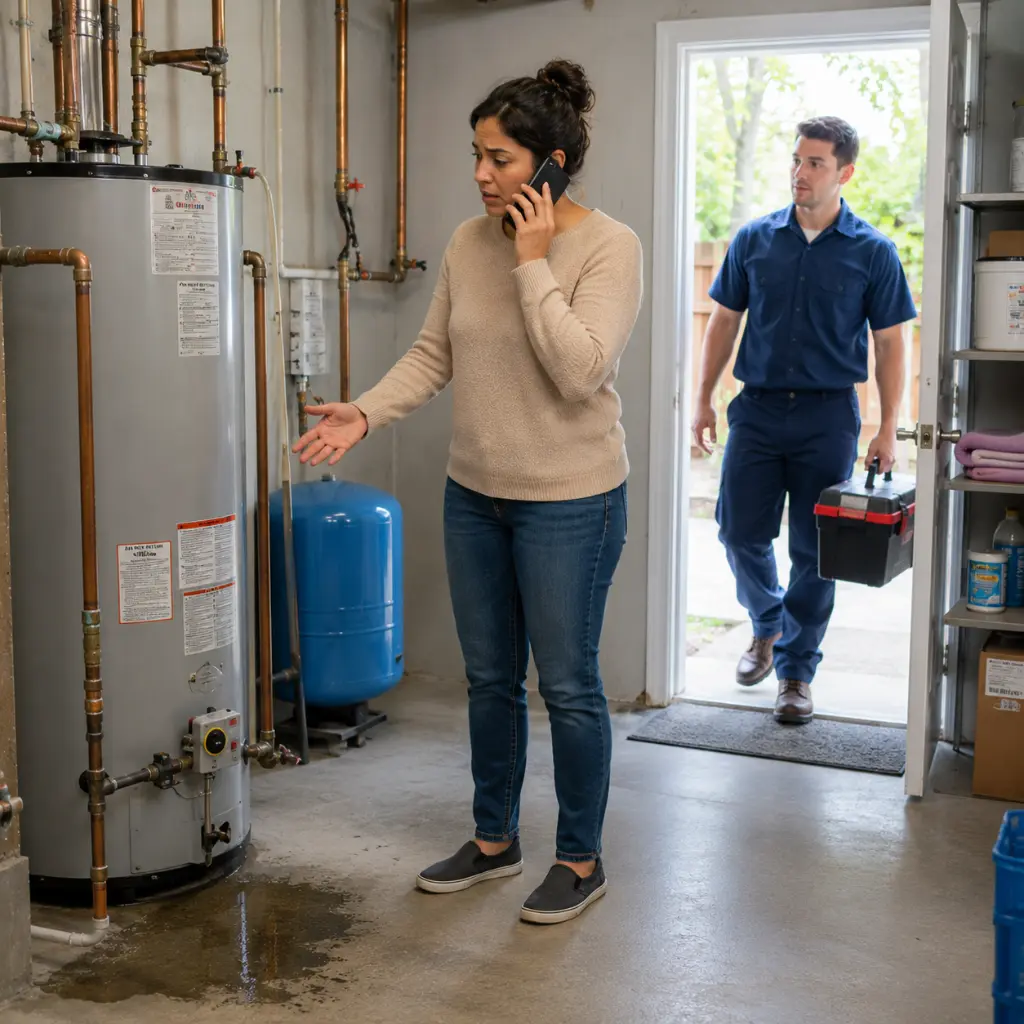
Adjusting a thermostat dial or relighting a pilot light is usually fine for a homeowner to attempt. A tank that is actively leaking, making popping or rumbling sounds, or producing a rotten egg smell is a different story, since it can involve gas lines, pressure relief valves, and electrical connections. A full water heater inspection can determine whether the unit needs a repair or a replacement.
Sewer Odors or Backups in More Than One Fixture
When several drains back up around the same time, or a sewer smell lingers indoors, the problem is usually in the main line rather than a single fixture. Attempting to clear a main line without the right tools can push the blockage further in, or expose a homeowner to wastewater. This is a job for a main sewer line repair.
Why Some Plumbing Repairs Carry More Risk Than They Look
Certain plumbing repairs are dangerous for DIY, not because the visible task looks difficult, but because of what sits behind the wall or under the floor. Water lines often run close to gas lines and electrical wiring, and cutting into the wrong spot can create a hazard that is not obvious right away.
Local plumbing codes also apply to many repairs involving venting, backflow prevention, or sewer connections. Work completed outside those codes can create problems when a home is sold or inspected later. On top of that, water damage tends to compound quickly, so a repair that takes a homeowner all weekend can end up costing more in flooring, drywall, or remediation than a professional visit would have.
How Our Team Approaches Every Plumbing and Heating Repair
When it is time to bring in a professional, DNA Plumbing & Heating follows the same reliable process for every residential and commercial job. Our team begins with a thorough inspection to understand the actual cause of the issue, followed by a clear and transparent estimate before any work begins.
Once approved, we complete the repair or service with attention to detail and carry out a final check to make sure everything is working properly. With 24/7 emergency support, is available for urgent plumbing and heating problems that cannot wait until morning.
Conclusion
Knowing when to handle a plumbing issue yourself and when to call a professional can save time, money, and prevent unnecessary damage.
DIY repairs can be useful for small, straightforward tasks, but knowing your limits is important when dealing with plumbing issues. Choosing the right approach at the right time helps prevent unnecessary damage and keeps your plumbing system in better condition.