Introduction:
A homeowner once returned from a short trip to find water damage caused by a small pipe leak that had gone unnoticed for days. A simple smart leak sensor could have detected the issue early and sent an alert before major damage occurred. Smart home plumbing gives homeowners better control by using technology to monitor leaks, water usage, and plumbing equipment in real time. For homeowners considering smart upgrades, expert plumbing installation ensures new devices are fitted correctly and work reliably.
In this guide, we will explore how smart plumbing technology works, which devices are useful, and how they can make your plumbing system safer and more efficient.
What Smart Plumbing Actually Looks Like in a Real House
Forget the idea that smart plumbing means a fully automated house straight out of a movie. In most homes, it is a handful of specific devices doing one job well.
- Moisture sensors that sit near a water heater, washing machine, or under a sink.
- A shutoff valve that can close the main line automatically.
- A water heater or boiler that reports its own status to an app.
- A monitor that tracks water usage across the whole property.
The goal is not to replace your plumbing system. It is to add a layer of awareness to a system that has, until now, stayed silent until something already went wrong.
Catching a Leak Before It Becomes a Flood
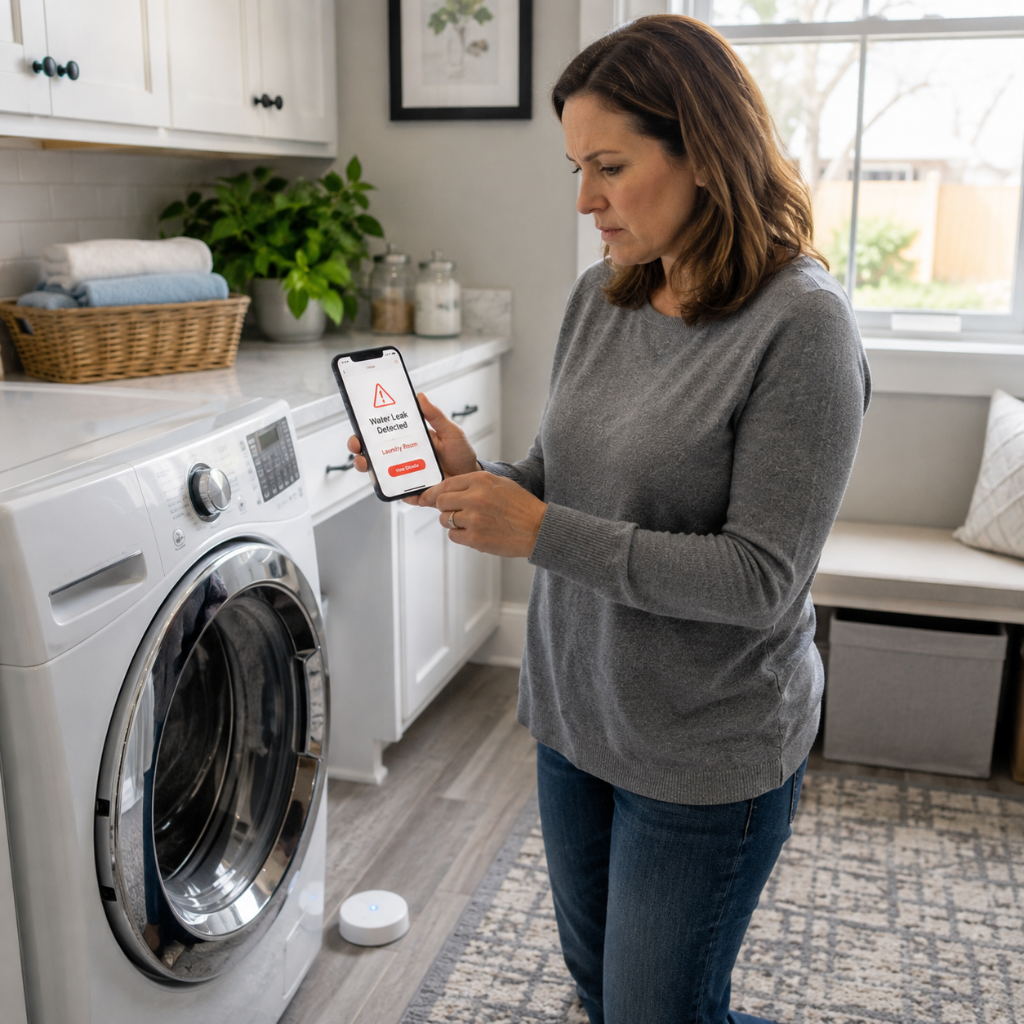
Point sensors are small, battery-powered pucks you place near a water heater, washing machine, dishwasher, or under a sink. The moment one touches water, it sends an alert straight to your phone, whether you are upstairs or across the country.
We have walked into more than one basement where a sensor tucked behind a water heater had already caught the leak and sent a notice before the homeowner got home. The damage stayed limited to a few tiles instead of spreading into the subfloor.
Whole home monitoring takes this further by watching the main line itself, flagging unusual flow patterns rather than waiting for water to reach the floor at all. For a commercial property with multiple units or fixtures, this kind of coverage can catch a problem long before a tenant notices anything.
Automatic Shutoff Valves: A Second Set of Eyes on Your Main Line
An automatic shutoff valve pairs with a flow sensor near your main water line. When it senses a pattern that does not match normal use, like a burst pipe running nonstop overnight, it can close the valve on its own before serious damage sets in.
These valves are especially useful for a vacation property, a home where an elderly family member lives alone, or any building that sits empty for stretches of time. Nobody has to be home for the system to respond.
Because this device connects directly to the main water line, installation is generally best left to a qualified plumber. Knowing when to tackle a plumbing job yourself and when to call a professional matters here, as correct valve placement, leak-free connections, and proper system testing are all part of reliable water line services.
Smart Water Heaters and Remote Temperature Control
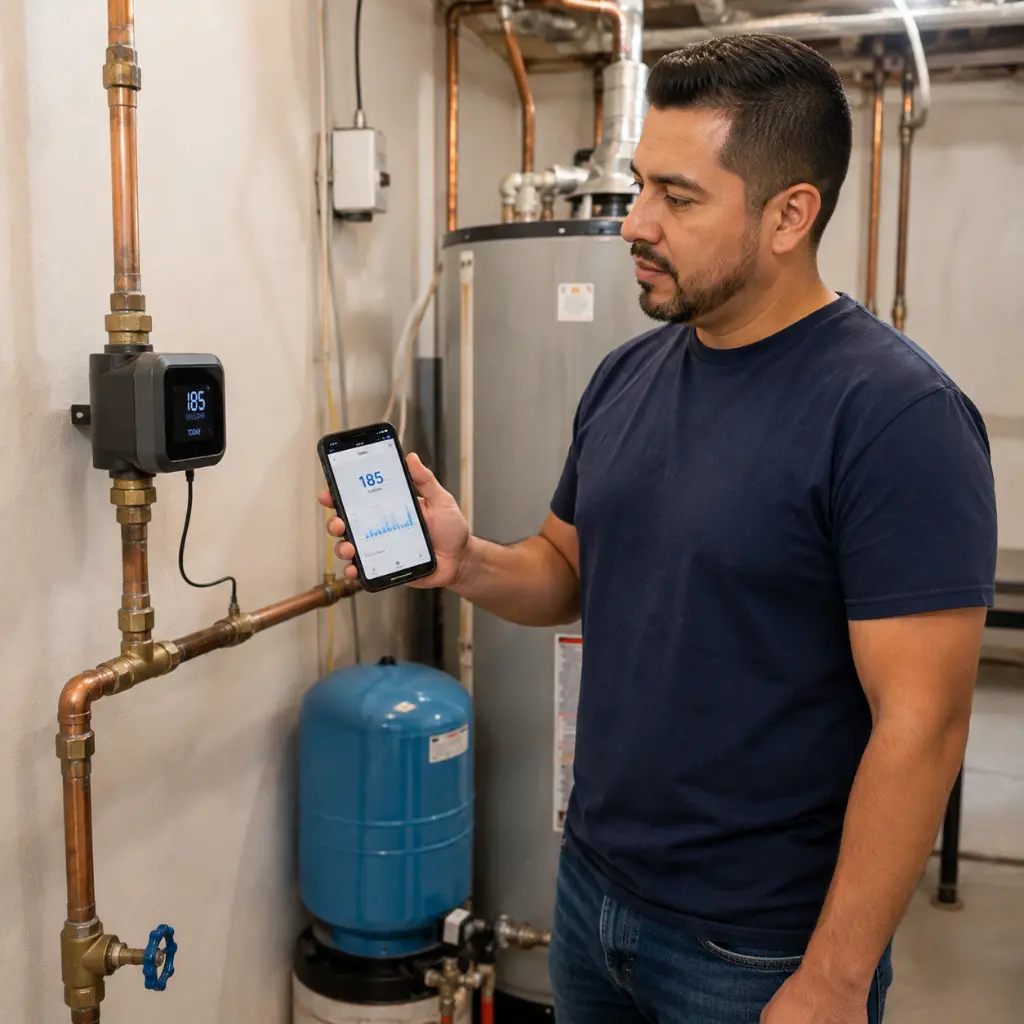
A connected water heater does more than heat water on a schedule. Many models track tank temperature, sediment buildup, and irregular heating cycles, then flag issues before you notice a drop in hot water.
Being able to adjust the temperature from your phone is convenient, but the bigger benefit is catching a heater that is struggling before it fails outright, often during a stretch of cold weather when you need it most. Tracking usage patterns can also point toward a more cost-effective setting without guesswork.
If you are weighing an upgrade or want a second opinion on how your current unit is performing, arranging a water heater evaluation is a reasonable place to start.
Watching Water Usage Instead of Guessing
A smart water meter or in-line monitor tracks how much water moves through your home hour by hour. Once it learns your normal pattern, it can flag anything unusual, a toilet that keeps running long after a flush, irrigation left on overnight.
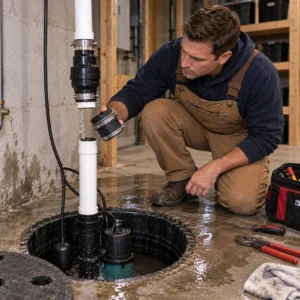
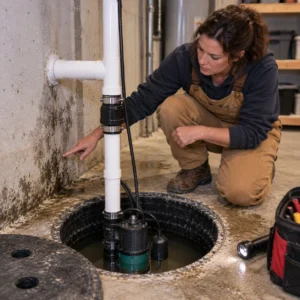
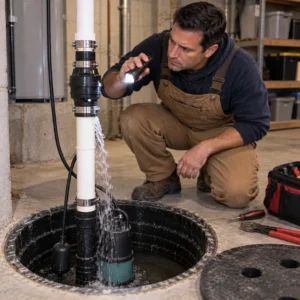
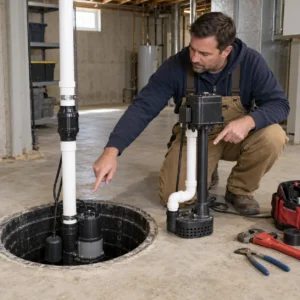
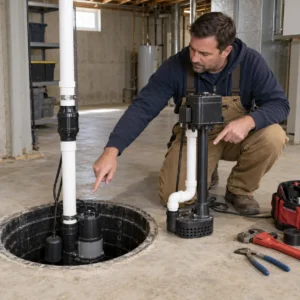
The same idea applies underground and out of sight. A sump pump paired with a monitoring sensor can alert you if the water level rises faster than expected or if the pump stops responding, which matters most during spring thaw or a heavy storm.
Getting New Devices to Work With Older Plumbing
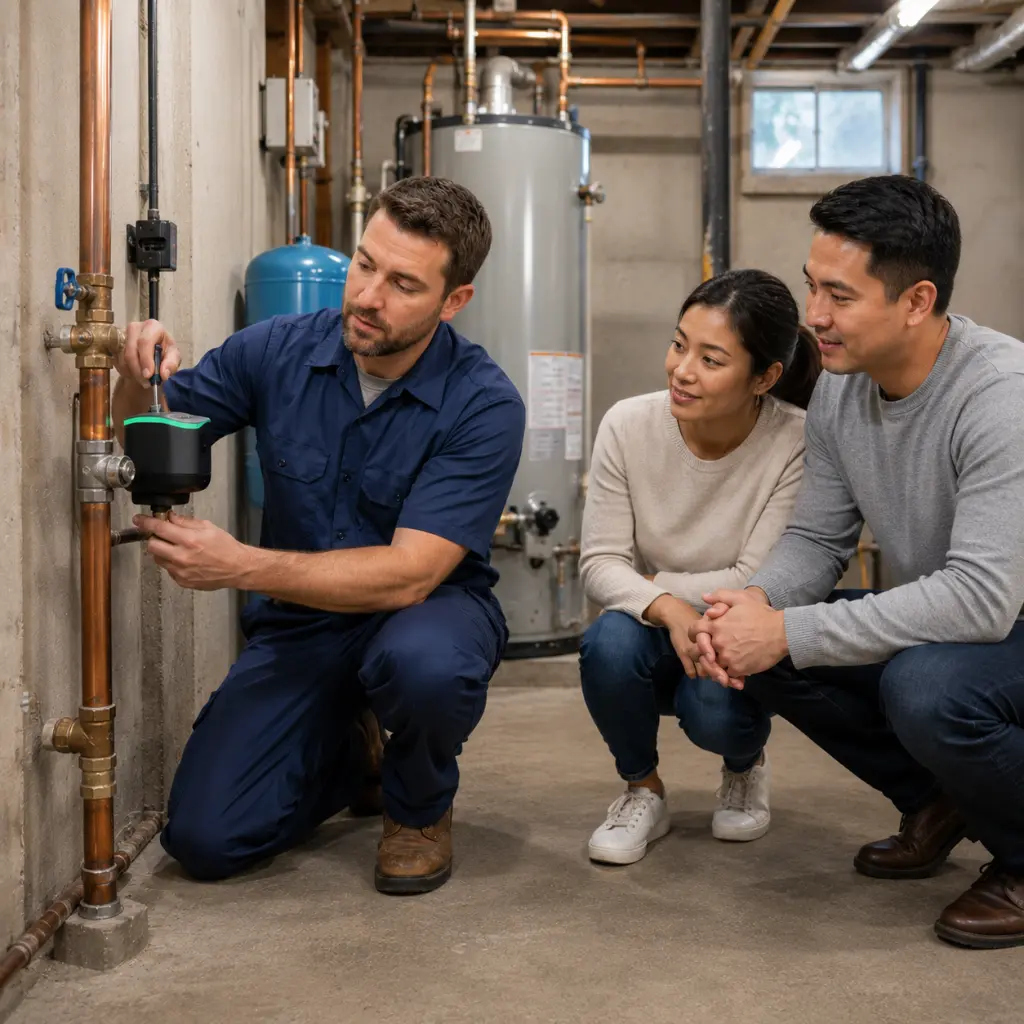
Not every smart device works well with an older home’s plumbing right out of the box. Galvanized pipe, older water heaters without smart-ready connections, and irregular water pressure sometimes caused by air trapped in the lines can all affect how well a sensor or valve actually performs.
A device that works perfectly in a newer build can throw false alerts or fail to trigger at all in a house with outdated fittings. A quick inspection before installation usually settles which devices are a good fit and which ones need a retrofit first.
This matters most for anything tied into a backflow prevention assembly, where a monitoring add-on has to work alongside required testing and code compliance rather than around it.
Practical Tips for Getting the Most Out of Smart Plumbing Devices
A few habits separate a setup that actually earns its keep from one that gets ignored after a few months.
- Start with the spots that cause the most damage when they fail, including the water heater, washing machine, sump pump, and any major sink.
- Check the Wi-Fi signal strength at the installation spot before buying a device, since a sensor with no connection cannot send an alert when it matters.
- Keep device firmware and the connected app updated, since manufacturers regularly refine detection accuracy over time.
- Treat sensors as a backup, not a replacement, for a periodic look at exposed pipes, fixtures, and your water heater.
When to Call a Professional for Smart Home Plumbing
You should consider calling a professional when installing devices like automatic shutoff valves, whole-home water monitors, or smart water heaters, as these systems often require proper placement, plumbing connections, and compatibility checks.
A plumber can also inspect your existing plumbing system to make sure smart technology works effectively with your current pipes, fixtures, and water supply. Combining smart devices with regular professional maintenance helps prevent costly damage and keeps your plumbing system working reliably.
Conclusion
Smart home plumbing is changing how homeowners protect and manage their water systems. A professional plumber can help ensure these technologies are installed correctly and work effectively with your existing plumbing.
At DNA Plumbing & Heating, we help homeowners choose practical plumbing solutions that improve safety, efficiency, and long-term reliability. From smart plumbing upgrades to expert inspections and repairs, our team can help you create a plumbing system that is ready for the future.