Introduction:
A homeowner in Ann Arbor started noticing that their shower would begin with hot water but turn cold after only a few minutes. At first, they assumed someone else in the house was using hot water at the same time. However, after the problem continued, a plumbing inspection revealed that the issue was linked to a failing water heater component and reduced hot water capacity. A shower that suddenly turns cold is more than just an inconvenience.
In this guide, we will explain the common reasons why your shower keeps going cold, the warning signs to look for, and the steps you can take before calling a professional plumber. If the problem continues, our plumbing services can diagnose the cause and restore a reliable hot water supply.
Your Water Heater May Not Be Keeping Up
A standard tank water heater holds a limited amount of hot water. Once that supply is used, cold water refills the tank, and your shower loses its heat quickly. This is one of the most common reasons a shower turns cold after a few minutes.
Sediment Buildup Reduces Usable Capacity
Michigan water tends to leave mineral deposits inside a tank over time. That sediment settles near the bottom, insulating the burner or heating element from the water above it. A tank rated for a certain volume starts behaving like a smaller one, and you notice it as shorter and shorter hot water windows.
A Tank Sized for Fewer People Than It Now Serves
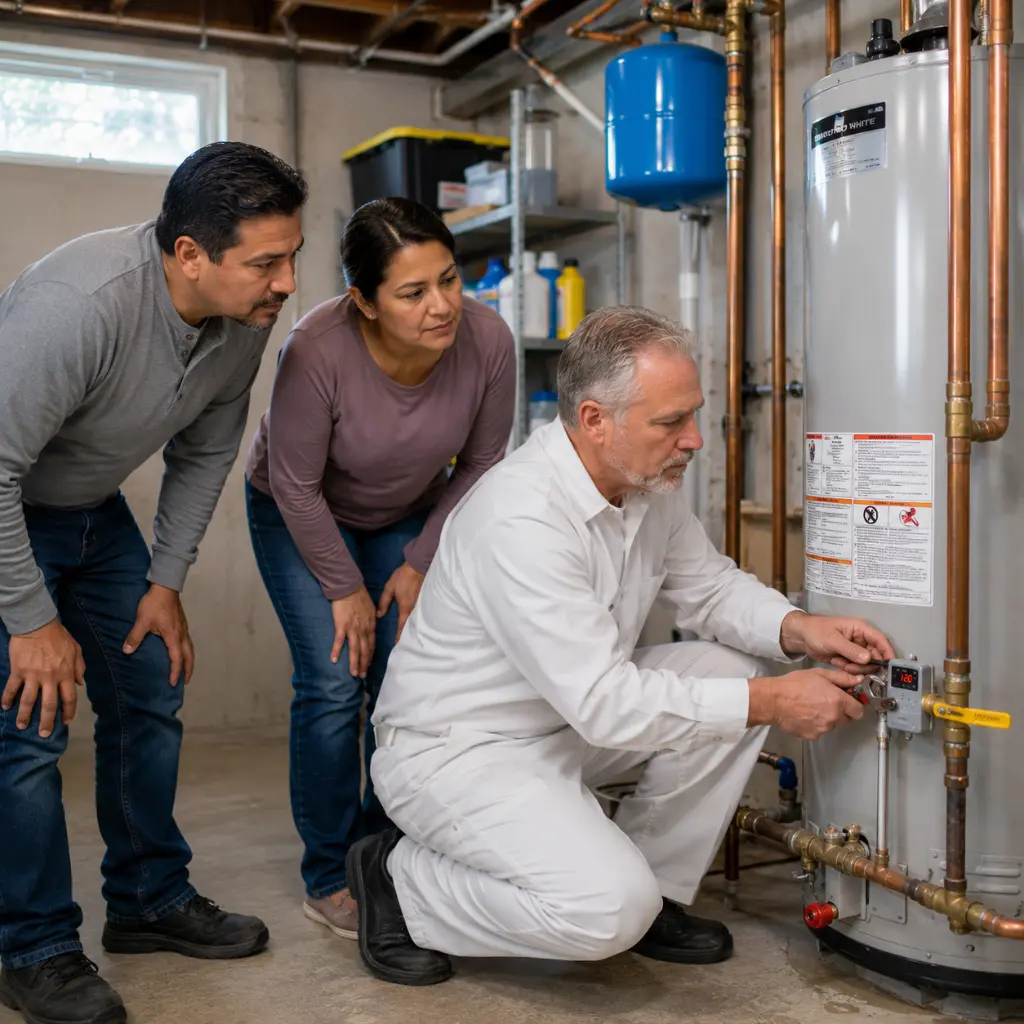
If your household has grown, or your routines have shifted, a water heater installed years ago may no longer match current demand. In that case, it’s worth having a technician assess whether a repair, a flush, or an upgrade makes more sense. You can schedule a water heater service to have the tank inspected before the problem gets worse.
A homeowner in the Ann Arbor area recently told us their shower ran warm for only about five minutes each morning before going cold. Our technicians found heavy sediment buildup and a thermostat that had drifted out of calibration. Flushing the tank and resetting the thermostat restored a normal hot water window, though in some cases replacement ends up being the more practical long-term fix.
A Worn or Faulty Shower Valve
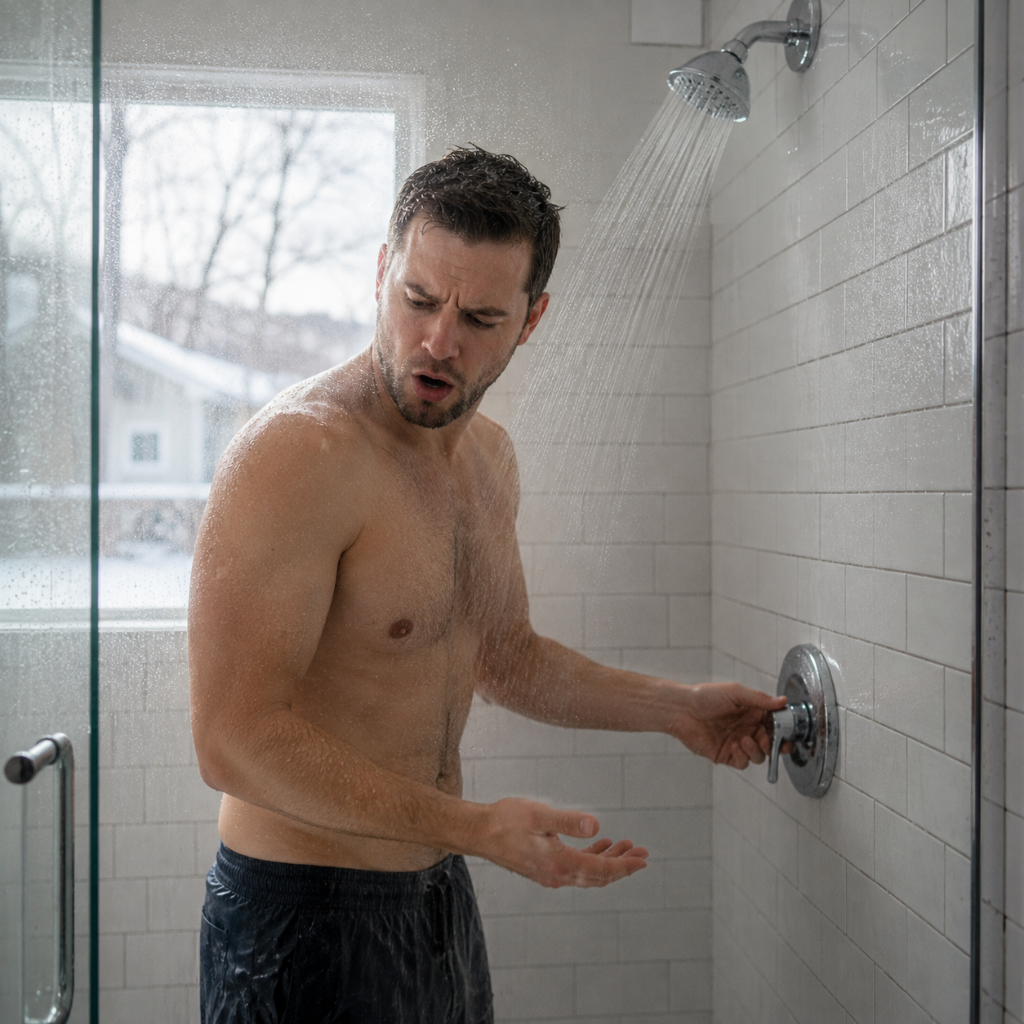
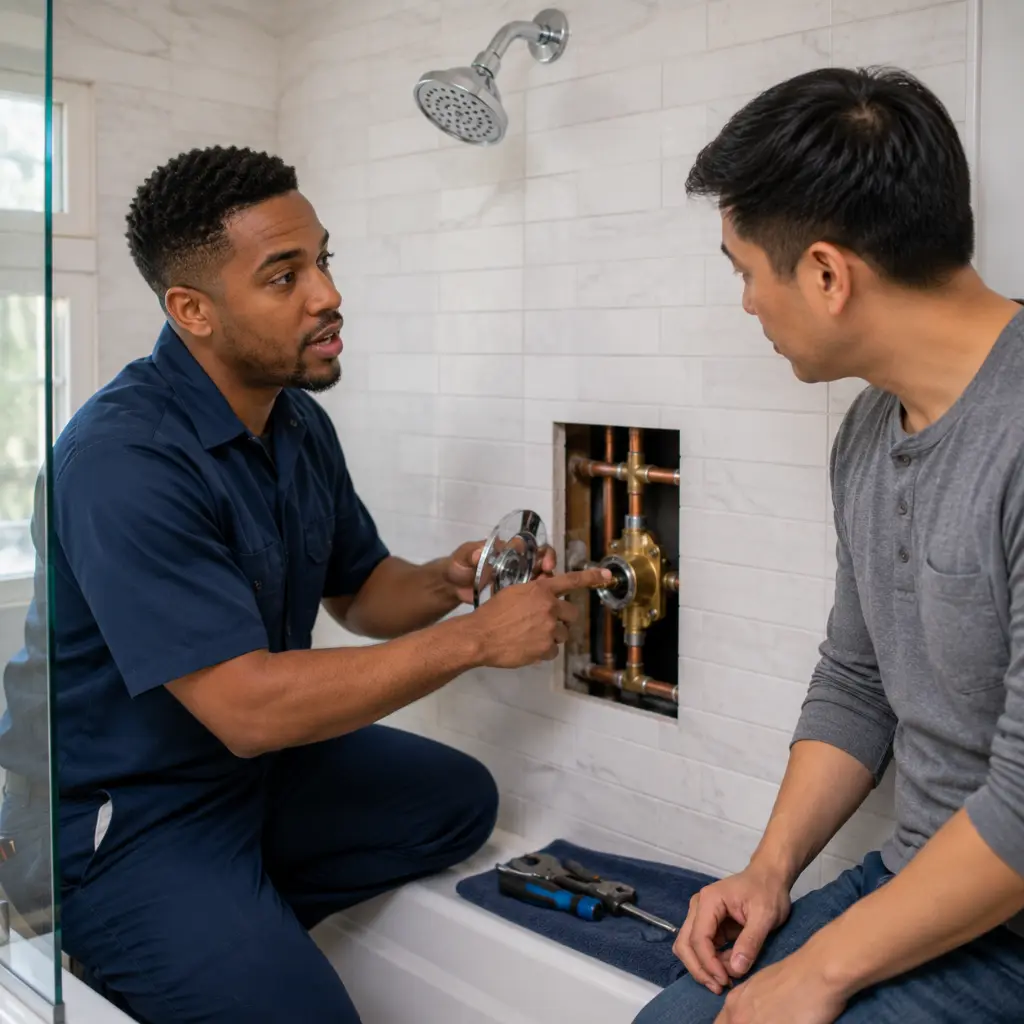
Inside your shower wall is a valve that blends hot and cold water and, in most modern showers, keeps that blend steady even when pressure shifts elsewhere in the house. Over years of use, the internal parts of that valve wear down, and it stops holding a consistent mix.
This is often the explanation when a shower goes cold after a few minutes even though the water heater itself is working fine. A worn valve can also cause the opposite problem, sudden bursts of scalding water, which is a safety issue on its own. If you notice either pattern, it’s worth having the valve inspected rather than just living with it.
Water Pressure Drops When Another Fixture Runs
Flushing a toilet, starting a washing machine, or running a kitchen faucet pulls cold water into the supply lines. In homes with an older or worn shower valve, that sudden draw can momentarily push more cold water into the mix, and you feel a burst of cold water in the shower for a few seconds.
A pressure balancing or thermostatic valve is designed to prevent exactly this kind of swing. If your home doesn’t have one, or the one installed has failed, this is a fairly quick and worthwhile upgrade for anyone tired of guessing whether the shower will hold steady.
Clogged Fixtures and Restricted Water Lines
Hard water minerals can build up inside a showerhead, inside supply pipes, or around fixture connections. When flow is restricted at one point in the system, pressure can behave unevenly throughout the house, which sometimes shows up as unpredictable shower temperature rather than an obvious pressure problem.
Olding or corroded supply lines can create the same effect, narrowing the path water takes and making it harder for hot water to reach the shower at a steady rate, which is why catching the warning signs early and preventing corrosion from spreading further matters before it affects the whole system.
Cold Michigan Winters Add Another Variable
Local weather plays a bigger role in this problem than most homeowners expect. Supply lines that run through an unheated crawl space, garage, or exterior wall can drop in temperature during a hard freeze, and even water that isn’t fully frozen arrives at the water heater colder than usual. That forces the tank to work harder to reach the same output, and it can run out of usable hot water sooner than it would in warmer months.
In more serious cases, a partially frozen line restricts flow enough that hot water struggles to reach the shower at all, and the same conditions that cause cold showers can also lead to a burst pipe if the freeze continues.
Simple Checks Before You Call for Help
- Note exactly when the water turns cold: immediately, after several minutes, or only when another fixture runs.
- Check whether other faucets in the house lose hot water too, or only the shower.
- Look at the water heater’s age and, if accessible, whether the tank shows rust or corrosion near the base.
- Test the shower valve’s temperature control to see if it holds steady or drifts on its own.
When to Call a Licensed Plumber
Some of this you can observe yourself, but diagnosing and repairing the actual cause usually calls for a licensed professional, particularly anything involving the water heater’s gas or electrical components, a shower valve replacement, or work on supply lines. Attempting those repairs without the right experience can create a bigger problem, including scalding risk or water damage.
Our approach is straightforward: a full inspection, a transparent estimate, the repair or service itself, and a final check before we leave. It’s the same process our licensed plumbers serving the Ann Arbor area use on every call, whether the issue turns out to be the water heater, the valve, or something further back in the plumbing.
Conclusion
Regular maintenance and timely inspections can help improve your hot water reliability and prevent small problems from developing into larger repairs. At DNA Plumbing, our team helps homeowners across Michigan diagnose and resolve hot water problems with reliable plumbing solutions.
If you’re dealing with unpredictable shower temperatures at your Northville or Ann Arbor area home, our technicians are available for 24/7 emergency support and routine service alike. Request a free estimate, and we’ll help you figure out exactly what’s causing it.