Quick Summary
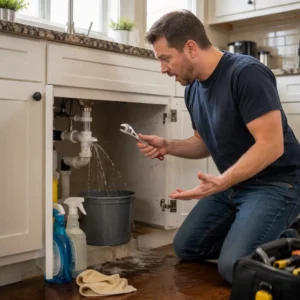
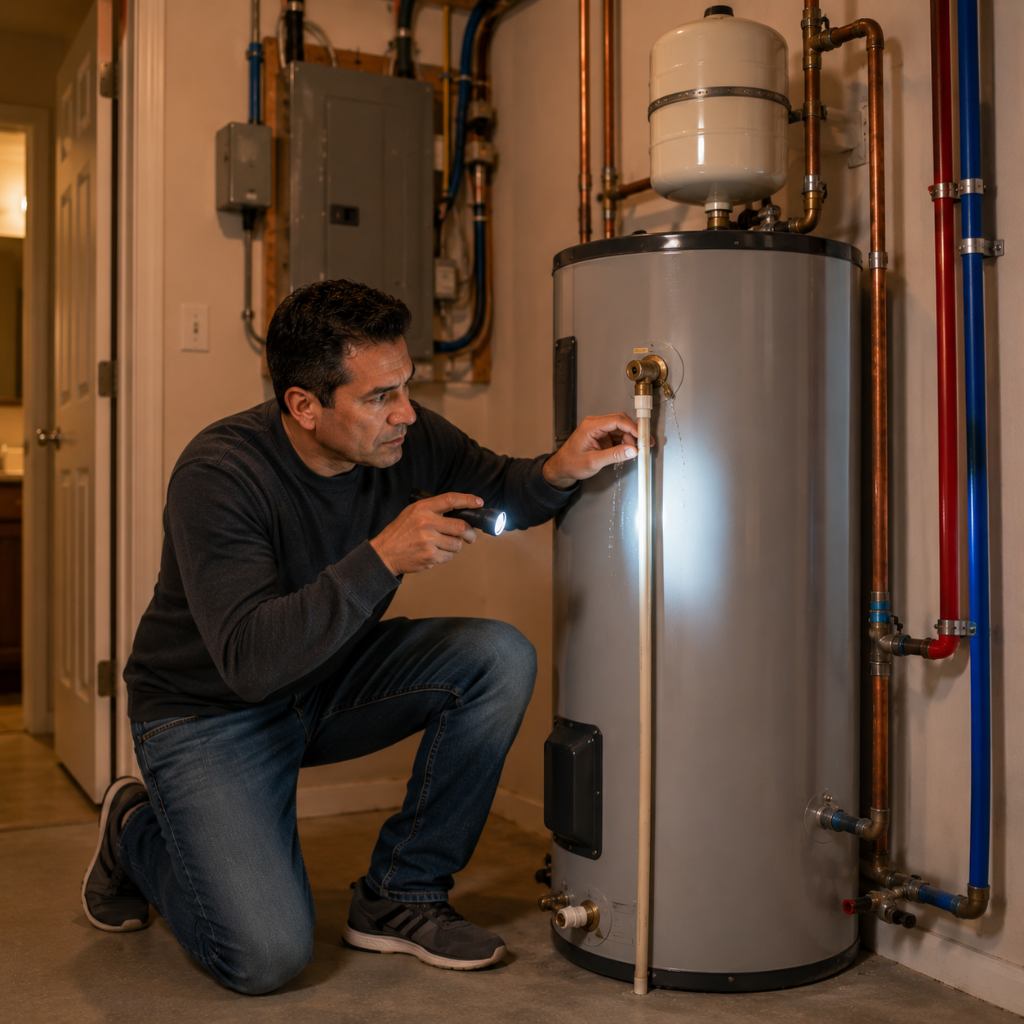
You head to the utility room after noticing water dripping from the pipe near your water heater. Everything seems to be working, but the pressure relief valve keeps releasing small amounts of water whenever the tank heats up. In many cases, the real problem is that the system has no way to safely absorb the extra pressure created as water heats.
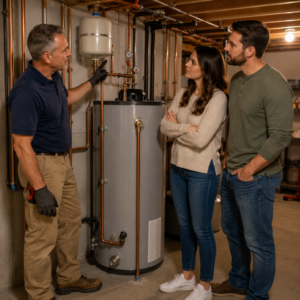
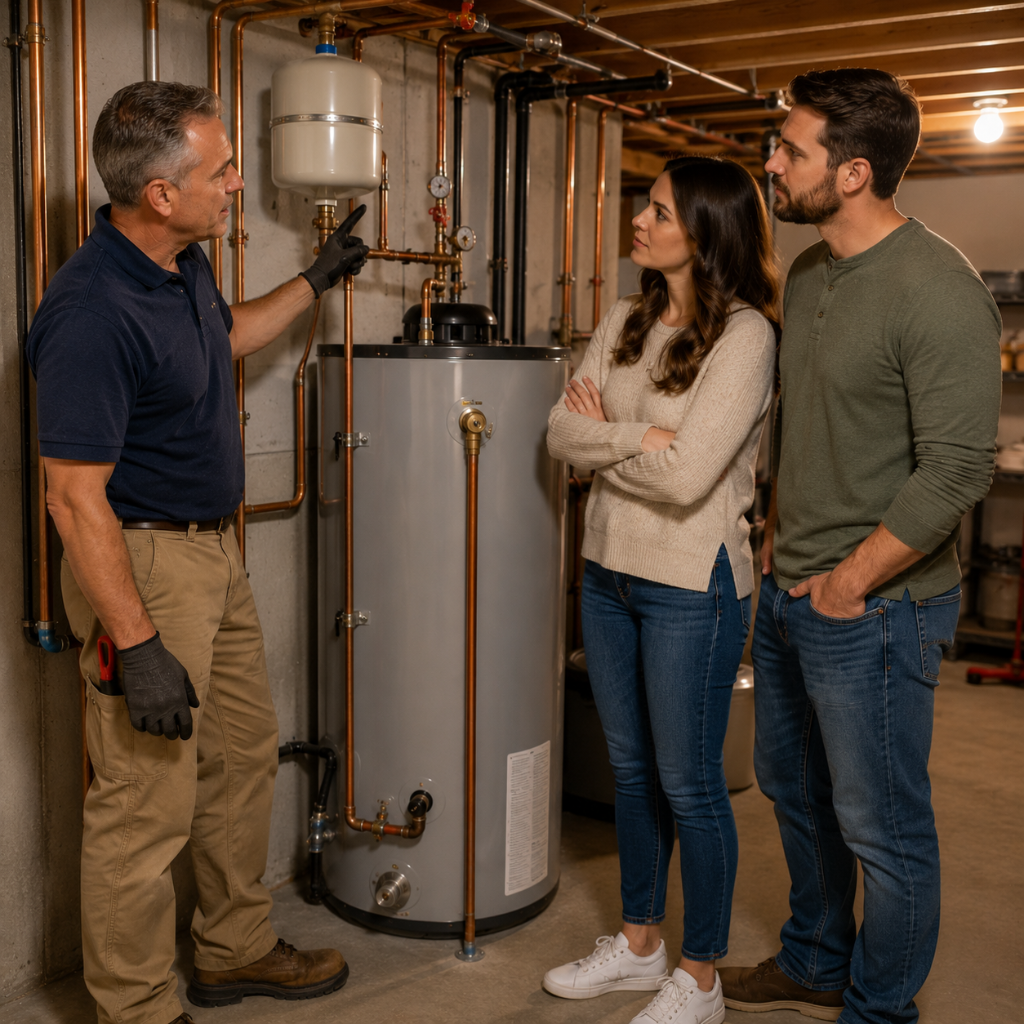
This guide explains how an expansion tank works, why closed plumbing systems need one, how to tell if your home has one, and what installing or replacing one involves. If you are unsure whether your system has the right protection, our local plumbing specialists can check your setup and advise on the best fit.
Why Closed Plumbing Systems Need One
In a closed plumbing system, that extra volume has nowhere to go, causing pressure to build inside the pipes. An expansion tank provides a safe place for that pressure to go, helping protect your plumbing system and water heater.
How Does an Expansion Tank Work?
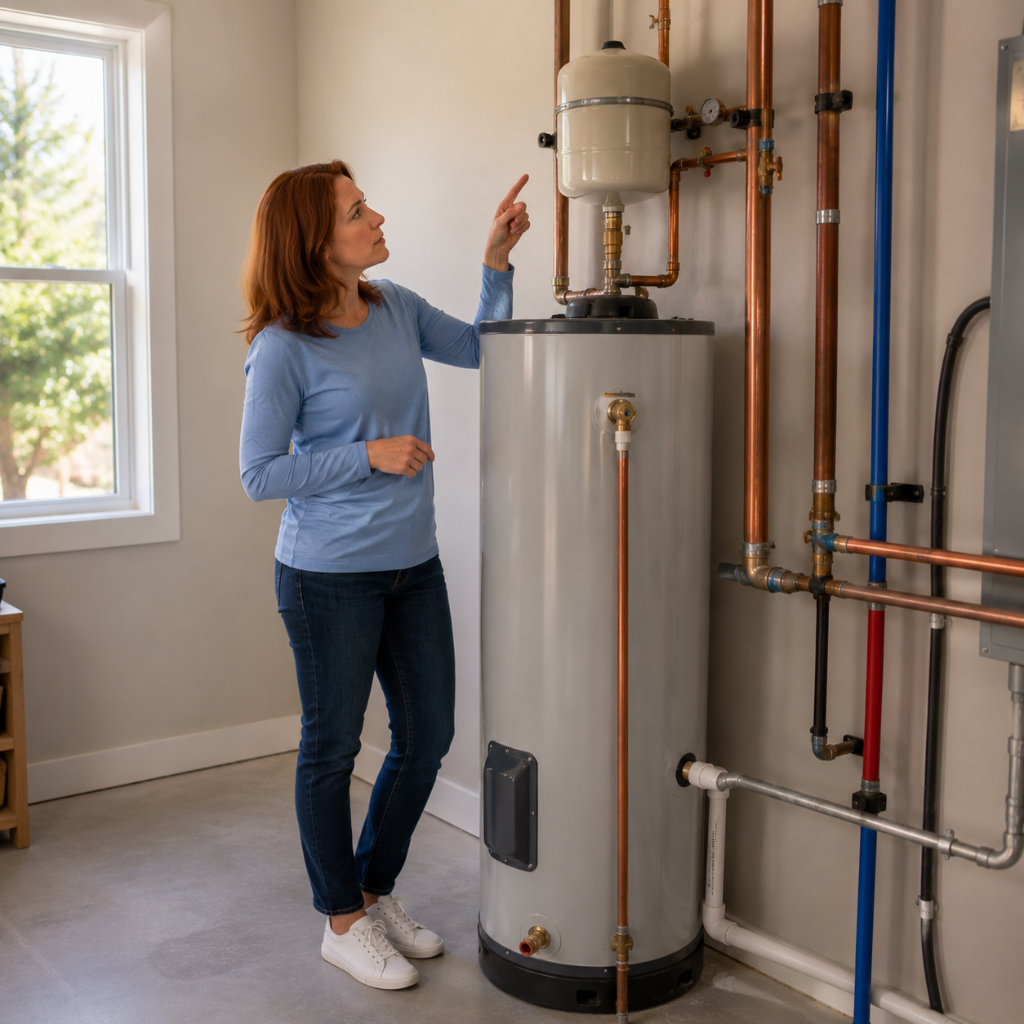
An expansion tank protects your plumbing system by absorbing the extra pressure created as water heats up and expands. Understanding what happens inside the tank and how it controls pressure throughout the system makes it easier to see why this small component plays such an important role.
What Happens Inside the Tank
As the water inside the heater warms up, it expands naturally. The extra volume flows into the expansion tank, where it presses against a flexible rubber diaphragm and compresses the air chamber on the other side. As the water cools, the compressed air gently pushes it back into the plumbing system, helping to keep the pressure stable.
What Happens Without an Expansion Tank
Without an expansion tank, the expanding water has nowhere to go, so pressure builds up inside the plumbing system. Over time, this repeated strain can put extra stress on pipes, valves, fixtures and the water heater itself, increasing the likelihood of wear and premature failure. In some homes, especially where pipework is not securely supported, the changing pressure can also contribute to knocking or rattling noises as the pipes move during heating and cooling cycles.
Do you need one on your water heater?
Many communities in the area now require these devices, so a growing number of homes have closed systems. Where water can still push back toward the street, a tank matters less.
In our experience, most homes with a pressure-reducing valve benefit from a tank, and local code often calls for one. If you are not sure which setup you have, the valve arrangement near your main shutoff is the place to look.
Signs Your Home May Need an Expansion Tank
A few clues suggest that pressure is building where it should not. Any one of them is worth looking into.
● The pressure relief valve on your water heater drips or releases water, especially after a heating cycle.
● Your water pressure spikes or fluctuates for no clear reason.
● Faucets or toilets run or leak shortly after hot water has been used.
It is the system’s last line of defence and should not discharge during normal operation.
Can an Expansion Tank Be Installed Horizontally?
It can, though the mounting matters. Expansion tanks usually sit vertically on the cold water line, and horizontal placement is an option where space is tight.
A tank full of water is heavy, and hanging it sideways from the pipe alone strains the connection and can lead to leaks. A bracket or strap that carries the weight solves this, and the manufacturer’s instructions should always guide the orientation you choose.
How Long Does an Expansion Tank Last?
Most expansion tanks last between 5 and 10 years, although their lifespan depends on water quality, water pressure and how frequently the water heater operates.
Regular plumbing inspections can identify problems before the tank fails completely. Checking the tank’s air pressure and looking for signs of corrosion or leaks can help determine whether it is still working correctly.
What Installing or Replacing One Involves
Fitting an expansion tank is more involved than it looks, which is why it is usually best left to a professional plumber. The work affects your water heater and your home’s water pressure, and it often needs to comply with local code.
In broad terms, the job means shutting off and depressurizing the water heater, setting the tank’s air pre-charge to match your home’s water pressure, sealing and fitting the tank on the cold water line, then restoring the system and checking for leaks. Setting the pre-charge wrong is a common mistake that stops the tank from working as it should.
Conclusion
If your relief valve is dripping, your pressure seems off, or you are unsure whether your home needs an expansion tank, DNA Plumbing and Heating is here to help. Our experienced plumbers serving Ann Arbor and the surrounding areas can inspect your setup, determine whether a tank is needed, and install or replace it correctly.