
Introduction:
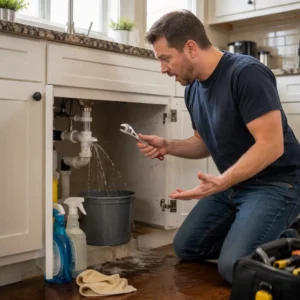
A homeowner in Northville recently noticed that their kitchen faucet started making strange noises every time they turned it on. Instead of a steady stream of water, the tap sputtered, released small bursts of air, and caused the water flow to shake for a few seconds before returning to normal.
At first, they thought there was a problem with the faucet itself. However, after checking the plumbing system, it became clear that trapped air had entered the water lines following recent plumbing work nearby. Once the air was safely removed, the water flow returned to normal. If similar plumbing issues keep returning, arranging a professional plumbing inspection can help identify the underlying cause before it leads to more serious damage.
In this guide, we will explain the common reasons why air gets into water pipes, how to remove trapped air from your plumbing system safely, the warning signs that indicate a bigger issue, and when it is best to contact a professional plumber for help.
What Typically Lets Air Into a Water Line
Work Done on the Plumbing System
Any time a section of pipe is opened up, whether for a repair, a new fixture installation, or a valve replacement, air enters that section. When the water is turned back on, the air travels through the line until it reaches an open faucet.
A Municipal Water Main Break or Shutoff
If the water utility shuts off supply for repairs in your area, or a nearby main breaks, the drop in pressure can pull air into residential lines the same way opening a pipe does. Homes on that section of the main often notice sputtering faucets the same day service resumes.

Well Systems and Pressure Tanks
Homes on a private well can pick up air when the pressure tank runs low, the pump loses its prime, or the water table drops during a dry stretch. It shows up the same way it does on municipal water, through spitting faucets and uneven flow, but the underlying cause is different and usually points back to the well equipment itself.
A Frozen or Recently Thawed Supply Line
Michigan winters bring a cause that’s easy to overlook. A line that partially freezes and then thaws can trap air as the ice melts and water flow returns unevenly. If sputtering faucets show up right after a cold snap, it’s worth having the line checked, since the same conditions that trap air can also lead to a cracked pipe.
Signs It’s Air and Not Something Else
A few clues point specifically to trapped air rather than a leak or a failing fixture:
- Sputtering or spitting that settles into a normal stream within a few seconds.
- Banging or knocking sounds in the walls right when a faucet is shut off, known as water hammer.
- Hot water that feels inconsistent even though the water heater itself seems to be operating.
- The issue affects more than one fixture, especially ones on the same section of pipe.

Why Trapped Air Is Worth Addressing
Air moving through pipes at pressure creates vibration. Over time, that vibration can loosen fittings, stress soldered joints, and wear down washers inside fixtures faster than normal use would. It’s rarely urgent on its own, but ignoring it for months invites small leaks at the weak points it’s been shaking loose, the kind that often go unnoticed until smart home plumbing catches them early.
On the hot side, trapped air can also interfere with how your water heater cycles, since the tank and its connections are built to handle water, not air pockets. If you notice water temperature swinging along with the sputtering, that’s worth mentioning when you have the system looked at.
Clearing the Air Yourself
In most cases, this is a simple fix you can try before calling anyone. Start with the fixture closest to where your main water line enters the house, then work outward.
- Turn on the cold water at the lowest fixture in the home first, letting it run until the stream is smooth and steady.
- Move to the next fixture and repeat, working from the lowest level of the house to the highest.
- Handle hot water taps separately and let them run a little longer, since air can also be sitting inside the water heater tank.
- Avoid running every faucet at once, which spreads pressure thin and makes it harder to clear any single line fully.
Most airlocks clear within a few minutes of steady running water. If sputtering continues well past that, or comes back within a day or two, something beyond a one-time event is likely going on.
When to Call a Licensed Plumber
A one-time round of sputtering after a repair or a water main event is usually nothing to worry about. Call a professional if the air keeps returning, if you hear ongoing banging in the walls, if water pressure feels consistently weaker than before, or if the issue started along with visible dampness anywhere near your plumbing.
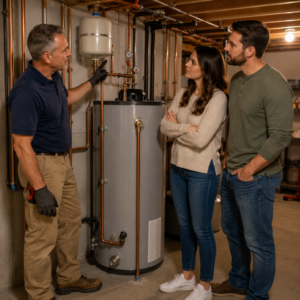
It’s also worth having a technician check your water heater for related airlock issues if the hot water side is behaving oddly, since air trapped near the tank can look like a heater problem when it isn’t one.
Conclusion:
Air in water pipes is often a minor issue that can be resolved with simple steps, but recurring problems should not be ignored.
At DNA Plumbing, our experienced team helps homeowners diagnose and resolve plumbing issues with reliable solutions tailored to their systems. Whether you need help with trapped air, water line concerns, or general plumbing maintenance, we focus on finding the right solution and restoring dependable water flow.