When facing a burst pipe, immediate action is vital to minimize water damage and repair costs. The first step is to shut off the main water supply, halting the flow to the affected area. Identifying the signs of a burst pipe, such as water pooling or damp spots, is essential for prompt intervention. While temporary fixes like pipe clamps or epoxy putty can be applied, understanding the complete repair process is key to ensuring lasting results.
Key Takeaways
- Turn off the main water supply right away to stop additional damage.
- Open all faucets to drain any remaining water from the system before beginning repairs.
- Use a pipe cutter to remove the damaged portion of the pipe cleanly.
- Apply a temporary solution like a pipe clamp or epoxy putty to seal the leak until a permanent fix can be made.
- For a thorough repair, contact a professional plumber to assess and fix the burst pipes effectively.
What Should You Do First When You Discover a Burst Pipe?
Upon discovering a burst pipe, the immediate action should be to shut off the main water supply to mitigate further water damage.
This step is essential as it halts the flow of water, preventing exacerbation of the leak and reducing potential structural damage.
What should you take when a pipe bursts to reduce water damage?
When faced with a burst pipe, the immediate priority should be to minimize water damage by taking swift, decisive action. This starts with locating and activating the main water shut-off valve to halt the water flow and contain the plumbing emergency.
Once the water is off, address the situation with the following steps:
- Drain remaining water from the system by opening faucets to release pressure.
- Identify and locate the leak for further assessment.
- Apply a temporary fix, such as a pipe clamp or rubber patch, to control the leak.
- Clear the area of any valuable items to prevent water damage.
- Call a plumber to proceed with a professional repair.
These steps help manage the situation efficiently until expert assistance arrives.
How does shutting off the water supply help with pipe repair?
After taking initial steps to mitigate water damage, attention must shift to understanding how shutting off the water supply aids in pipe repair.
Closing the main water valve immediately stops the flow of water, essential for preventing further water damage. This action isolates the affected section, allowing for a controlled environment to conduct plumbing repairs.
Once the main water supply is halted, the remaining water within the pipes should be drained to facilitate a dry workspace, vital for effective repair. This cessation enables the repair process to commence without the ongoing threat of additional leaks.
Ensuring the main water valve is promptly shut off is a fundamental step to repair the pipe effectively, minimizing complications and expediting resolution.
Why must you shut off the water to fix a burst pipe quickly?
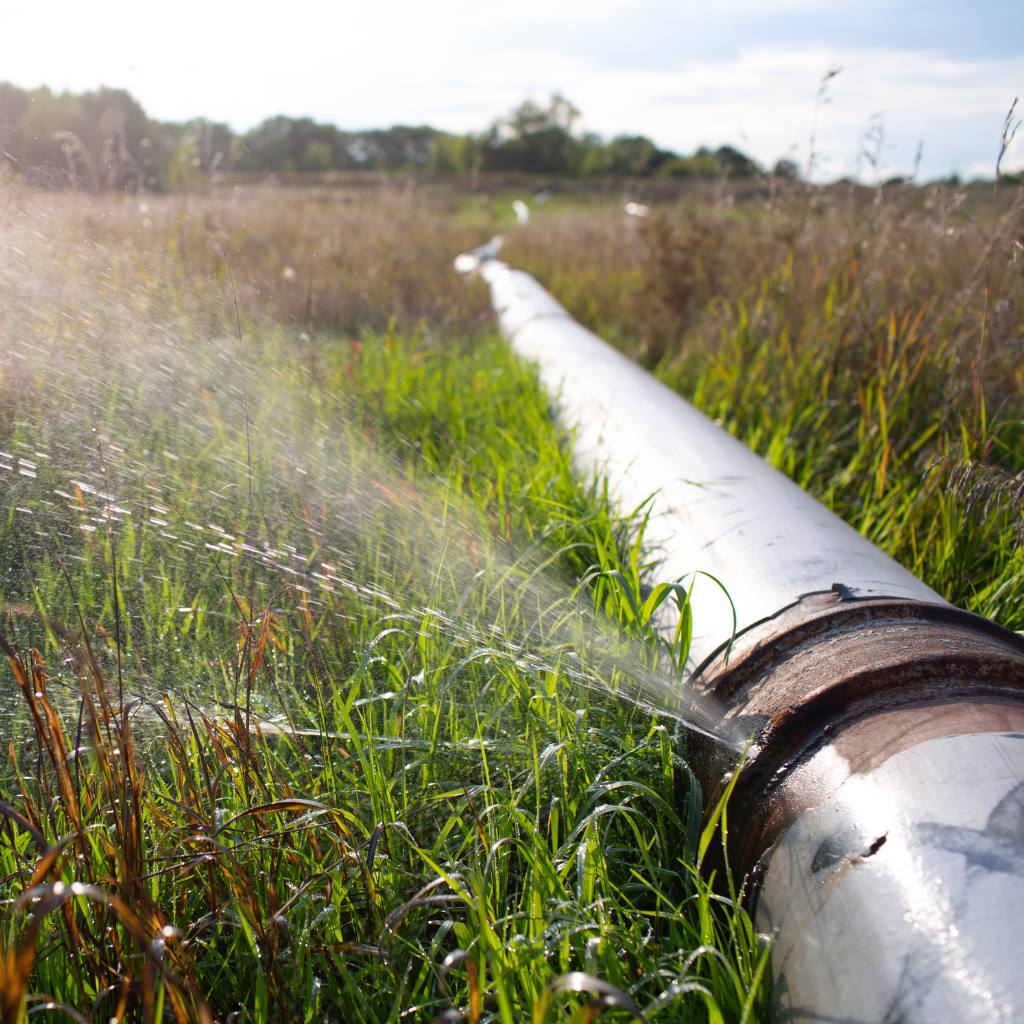
Identifying a burst pipe demands an immediate and decisive response, with shutting off the water supply being a paramount first action. This significant step prevents further water damage and reduces water wastage.
Swiftly locating your main water shut-off valve is imperative for minimizing the impact on the plumbing system. By doing so, you effectively halt water pressure, allowing you to focus on emergency repair efforts.
Immediate action guarantees:
- Prevention of extensive water damage to property.
- Reduction in overall water loss and wastage.
- Mitigation of potential structural damage to the building.
- Facilitation of a safer environment for repair efforts.
- Preparation for a seamless shift to repairing a burst pipe.
This proactive approach is essential to fix a burst pipe and restore normalcy efficiently.
How Can You Identify the Signs of a Burst Water Pipe?
Identifying the signs of a burst water pipe before significant damage occurs is essential for timely intervention.
Early symptoms may include unexpected water pressure changes, unexplained puddles, or unusual sounds such as hissing or dripping behind walls.
To discover a burst pipe hidden behind structures, one should inspect for damp spots, discoloration on walls or ceilings, and a sudden increase in water bills.
How can you identify signs of a burst pipe before damage spreads?
How can homeowners effectively detect the early signs of a burst water pipe before it leads to substantial damage?
Recognizing indicators of a burst pipe early can prevent costly repairs and extensive water damage. Key signs to watch for include:
- Sudden drop in water pressure: A noticeable decrease may suggest a breach in the water pipes.
- Spike in your water bill: Unexpected increases could indicate water escaping from a burst pipe.
- Visible water stains or dampness: Check walls, ceilings, and floors for unexplained moisture.
- Unusual noises: Hissing or gurgling sounds may point to escaping water.
- Pooling water: Unexplained puddles can be a clear sign of a leak.
Upon detection, homeowners should promptly shut off the main water supply and contact plumbing services to repair a burst pipe.
What are the early symptoms of a damaged pipe in your home?
When evaluating potential damage to pipes within a home, what precise indicators should be observed?
An early symptom of a damaged pipe is an unusual decrease in the flow of water. This may suggest a leak or a potential burst.
Sudden increases in water bills can also indicate a leak. Damp patches or water stains on walls or ceilings often reveal a compromised water pipe in your home.
Listening for unexplained hissing sounds might help identify a leak. If there is a suspected issue, the main water supply should be shut off to prevent further damage. Observing the remaining water in the pipes can help find a burst.
How do you discover a burst pipe hidden behind walls or floors?
Detecting a burst pipe concealed behind walls or floors involves a systematic approach to identifying indirect signs of water damage.
Recognizing a hidden burst pipe can save significant repair costs and prevent further complications. Key indicators include:
- Water Stains: Discoloration or damp patches on walls or ceilings may indicate a pipe burst.
- Mold Growth: Persistent mold or mildew, especially in non-humid areas, suggests leaking water.
- Musty Odors: Unexplained musty smells can signal water damage behind walls.
- Sound of Running Water: Hearing water when fixtures are off may indicate a hidden leak.
- Increased Water Bills: Unusual spikes in water bills might be due to an undetected burst water pipe.
Consulting a professional plumber for a thorough inspection and pipe repair is advisable when these signs are present.
What Are the Best Ways to Repair a Burst Pipe Yourself?
To effectively manage a burst water pipe at home, one must first implement safe, temporary measures such as shutting off the main water supply and using pipe clamps or epoxy putty to control leakage. Choosing to attempt a DIY repair can be a practical option if the damage is minor and the individual is confident in their skills.
The repair process, excluding professional assistance, can typically take a few hours, depending on the extent of the damage and the homeowner’s proficiency with necessary tools. Tackling a damaged pipe can be a homeowner’s opportunity to quickly restore function and minimize water loss before a plumber arrives.
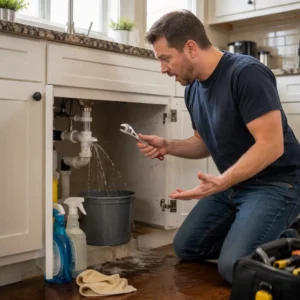
Essential tools for draining and repairing the pipe include a pipe cutter, an adjustable wrench, and a bucket to catch any residual water.
What are safe steps to temporary fix a burst water pipe in your home?
Identifying and addressing a burst water pipe promptly can prevent extensive water damage and costly repairs. For a temporary fix, follow these steps systematically:
- Shut off the water supply: Immediately stop the flow to the affected area to minimize additional water damage.
- Drain the pipe: Open nearby faucets to release residual water, facilitating more effective burst pipe repair.
- Locate the damaged section of the pipe: Examine the pipe carefully to identify the exact burst location for targeted repair.
- Cut the pipe: Use a pipe cutter to remove the damaged section, ensuring a clean cut for effective sealing.
- Implement a DIY repair: Apply a pipe clamp or epoxy putty as a temporary fix until a plumber can perform a permanent water damage repair.
How long does it take to repair the pipe without a plumber?
When considering the time it takes to repair a burst pipe without professional help, several factors come into play, such as the severity of the damage, accessibility of the pipe, and the repair method chosen.
For minor breaches, a homeowner might spend around 1-3 hours to repair a burst, including preparation and cleanup.
Initially, the individual must turn off the main water supply to prevent further flooding. Dealing with a burst pipe effectively requires evaluating the damage and selecting an appropriate DIY repair method, such as using a pipe clamp or epoxy compound.
Inaccessible pipes or more severe damage may extend the repair duration. Ultimately, the time to fix a burst depends on the individual’s skill level and familiarity with plumbing tasks, influencing how long it takes to complete the repair.
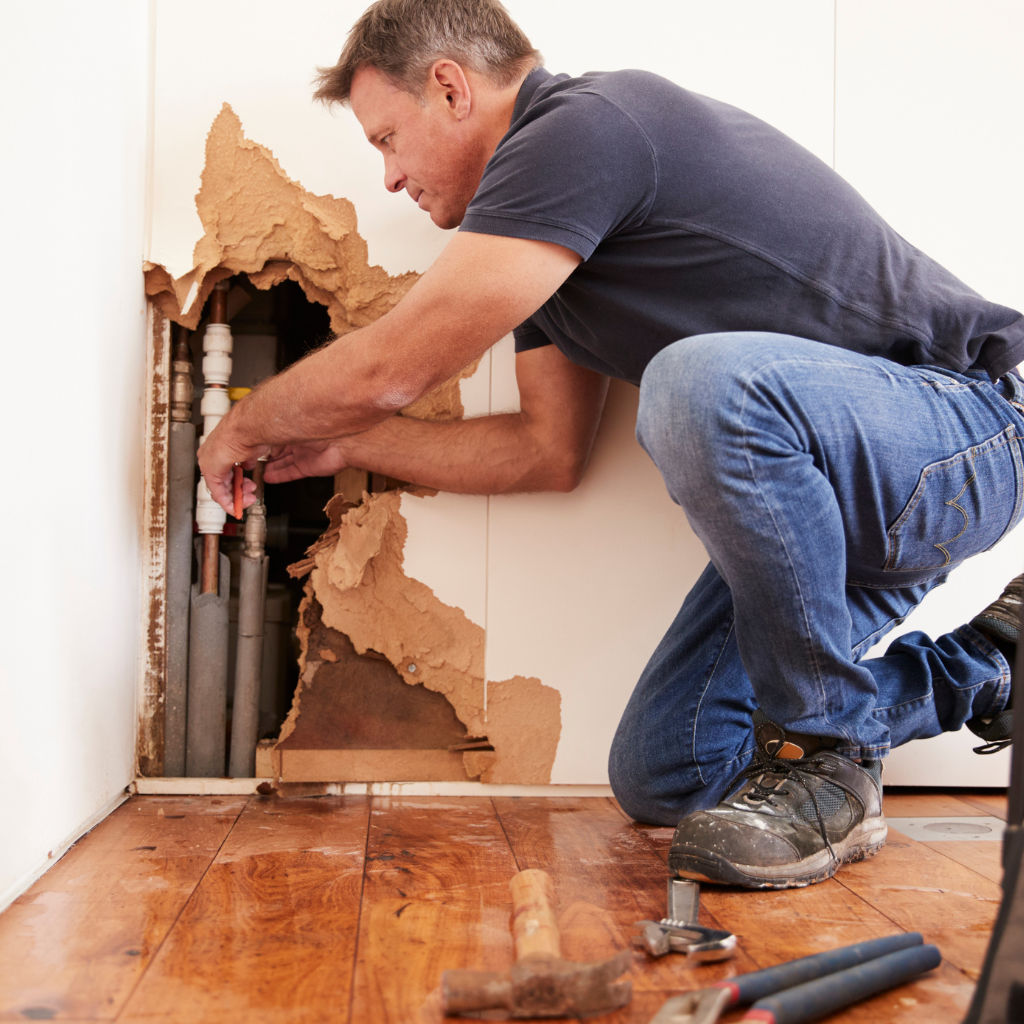
What tools are needed to drain the pipe and repair it properly?
Evaluating the required tools for draining and repairing a burst pipe is an integral part of efficient repair.
Proper handling of a burst water pipe involves certain essential tools, ensuring precision and minimizing damage from a burst pipe. The type of pipe can vary, requiring specific tools for effective repair.
Critical tools include:
- Pipe cutter: For cleanly removing damaged sections of pipe.
- Copper pipe: Often used as a replacement for burst sections.
- Adjustable wrench: Essential for securing and tightening pipe connections.
- Bucket or hose: Useful for draining water after shutting off the water supply.
- Teflon tape: Seals threaded joints to prevent leaks.
These tools help address immediate issues, potentially reducing reliance on professional repair services when dealing with a burst.
Why Is It Important to Call a Plumber for Pipe Repair Emergencies?
In the event of a burst pipe, calling a plumber is essential as they possess the expertise to quickly assess and address the situation, preventing further water damage. One of the first steps is to drain the remaining water from the system to relieve pressure and reduce the chance of additional leaks.
The cost of repairing a burst copper pipe or joint can vary based on the extent of the damage, but a professional can provide an accurate estimate and efficient service. In some cases, corrosion or ice buildup may be causing the pipe to weaken, requiring more extensive work.
Licensed plumbers are equipped to handle water pipe repairs promptly and make the repair using the appropriate tools and techniques, ensuring the restoration of normal water flow and minimizing disruption to your home.
When should you call a plumber for burst pipe repair services?
Why is it critical to recognize the exact moment to call a professional plumber for burst pipe repair services?
When faced with a burst pipe, evaluating the situation’s urgency and the complexity of the repair is essential. Some scenarios necessitate immediate professional intervention to prevent further damage caused by the burst.
If experiencing burst pipes, consider the following:
- Severe water leakage: If the water flow is uncontrollable, call a plumber.
- Structural damage: Visible harm near your water supply suggests a broken pipe.
- Complex repairs: Some tasks take specialized skills to fix a burst water pipe.
- Inaccessible pipes: Hard-to-reach areas require expert evaluation.
- Repeated incidents: Frequent issues indicate underlying problems needing professional burst pipe repair services.
Recognizing these signs guarantees a timely and effective resolution.
How much does it cost to repair a burst copper pipe or joint?
How much does it cost to repair a burst copper pipe or joint? The costs associated with repairing a burst copper pipe or joint can vary considerably. Typically, the pipe repair cost ranges from $150 to $500, depending on the severity of the damage and the location of the burst.
Copper pipe repair may involve either patching the burst joint or complete pipe replacement, which dictates the final plumbing costs. Engaging a professional plumber guarantees the plumbing repair is efficiently executed, minimizing water damage risk.
Labor costs, material costs, and the urgency of the repair also factor into the overall cost to repair. Given the potential for extensive damage, addressing a burst copper pipe promptly is crucial for maintaining plumbing system integrity.
Can a licensed plumber expert handle water pipe repair fast?
Engaging a professional plumber is not just about managing repair costs but guaranteeing swift, precise action in emergencies. A licensed plumbing expert can quickly assess how to repair a burst water pipe by identifying the specific causes, such as a burst pipe can vary widely from freezing temperatures to external damage.
Their expertise guarantees the correct steps to take when a pipe bursts:
- Utilize a pipe cutter to remove damaged sections.
- Connect a new pipe to the existing system seamlessly.
- Inspect both the inside and outside of the pipe for additional issues.
- Implement measures to prevent pipes from freezing in the future.
- Minimize water damage by acting promptly.
Their proficiency in repair burst pipe scenarios guarantees the problem is resolved efficiently, reducing potential water damage and related costs.
How Do You Protect Your Pipes from Freezing and Bursting Again?
Preventing pipes from freezing and bursting involves regular maintenance, such as insulating exposed pipes and sealing leaks to keep cold air out. These steps can help homeowners avoid serious water damage caused by a burst pipe, which often results from prolonged exposure to freezing temperatures.
Scheduling routine plumbing inspections can identify potential weaknesses and allow for timely repairs, greatly reducing the risk of water damage. These inspections are also helpful for detecting a burst pipe early, which can minimize property damage and repair costs.
Additionally, maintaining a consistent indoor temperature and allowing faucets to drip during extreme cold can further protect pipes from freezing. Taking preventative action is far less costly and disruptive than dealing with the time and expense it takes to fix a burst pipe after the damage is done.
What maintenance helps avoid a future pipe burst or water leak?
Proper maintenance is essential in minimizing the risk of future pipe bursts or water leaks. Burst pipes often result from neglect and can be costly. Homeowners should consider several preventive measures:
- Insulate pipes: Particularly in unheated spaces, to avoid freezing and potential pipe bursts.
- Seal leaks: In walls, floors, and ceilings to maintain consistent indoor temperatures.
- Maintain consistent temperatures: Keep the thermostat set to a minimum of 55°F, even when away.
- Ensure proper drainage: By cleaning gutters and downspouts and relieving excess water pressure on pipes.
- Routine checks: Inspect regularly for any signs of wear, leaks, or damage, as pipes are likely to burst can lead to costly repairs.
Understanding how much it is to repair a burst pipe and how long a pipe can last aids in proactive maintenance.
How do regular repair services reduce the risk of water damage?
Regular repair services play a significant role in reducing the risk of water damage by ensuring the integrity and functionality of plumbing systems.
By periodically inspecting and maintaining pipes, these services can identify potential weak points and address them before they lead to issues such as bursting. Technicians use a pipe cutter to remove damaged sections accurately, ensuring that the repair is precise. They measure around the pipe and cut the replacement pipe to the appropriate length, ensuring a snug fit.
This meticulous approach to repairs mitigates the impact of damage caused by the burst pipe. Additionally, regular maintenance includes insulating exposed pipes to prevent freezing, a common cause of bursts, further reducing the risk of future water damage.
Conclusion
In summary, effectively addressing a burst pipe involves a systematic approach: first, immediately shut off the main water supply to mitigate further damage. Identifying signs of a burst, such as water stains or reduced pressure, is essential. Temporary fixes like pipe clamps or epoxy putty can provide short-term relief, but extensive damage necessitates professional intervention. To prevent future incidents, insulate pipes, maintain a consistent temperature, and regularly inspect for vulnerabilities, ensuring a robust plumbing system that withstands seasonal challenges.