Introduction
Most homeowners expect clean water every time they turn on a tap, but the safety of that water depends on several components working together within the plumbing network. One of the most important safeguards is backflow prevention in plumbing systems. These devices help maintain safe water quality throughout the plumbing system.Changes in pressure can sometimes force water to reverse inside pipes, which may allow pollutants to reach drinking water lines.
Understanding how backflow protection fits into your overall plumbing system helps homeowners maintain safe water quality and reliable plumbing performance. If you want to ensure your system is functioning properly, scheduling backflow preventer testing can help identify potential issues early.
The Importance of Backflow Prevention in Your Plumbing System
Every residential plumbing system is connected to a municipal water supply. This connection creates the possibility of reverse water flow if pressure conditions change.
Backflow prevention in plumbing systems protects against this risk by maintaining one way water movement. It supports domestic water supply protection and ensures that contaminants do not enter the clean water line. Without this safeguard, your plumbing system becomes vulnerable to contamination and performance issues.
How Backflow Prevention Works
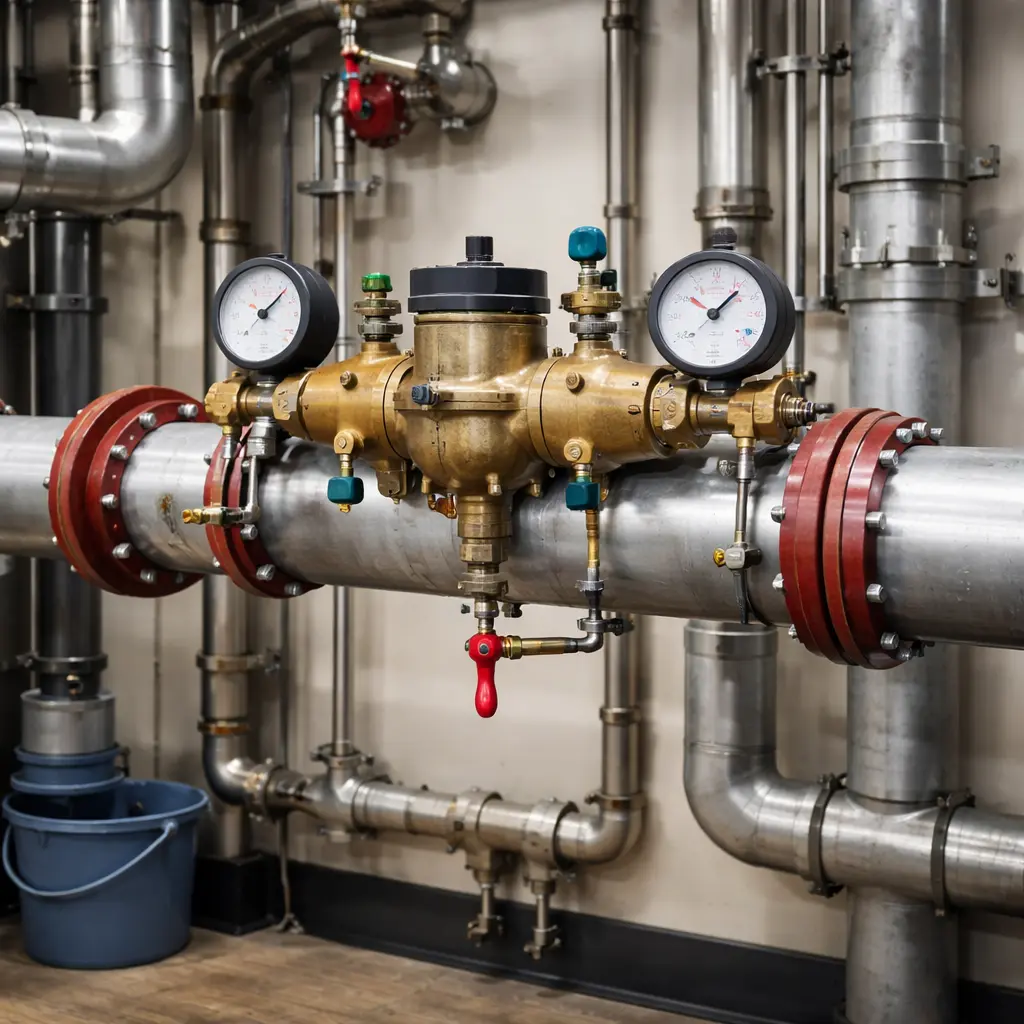
Backflow prevention devices control water direction inside a plumbing system. These devices allow water to move toward the home while blocking reverse flow.
Internal valves and pressure control components automatically respond when pressure changes occur. If water begins moving in the wrong direction, the device closes to stop the reverse flow.
This automatic protection helps maintain domestic water supply protection and reduces cross-connection risks within residential plumbing systems.
Common Types of Backflow Prevention Devices
Different systems require different types of backflow prevention devices depending on the level of risk and application.
Common Devices Include
- Double check valve assembly (DCVA) for general protection
- Reduced pressure zone assembly (RPZ) for high risk systems
- Pressure vacuum breaker (PVB) for irrigation systems
- Atmospheric vacuum breaker (AVB) for simple installations
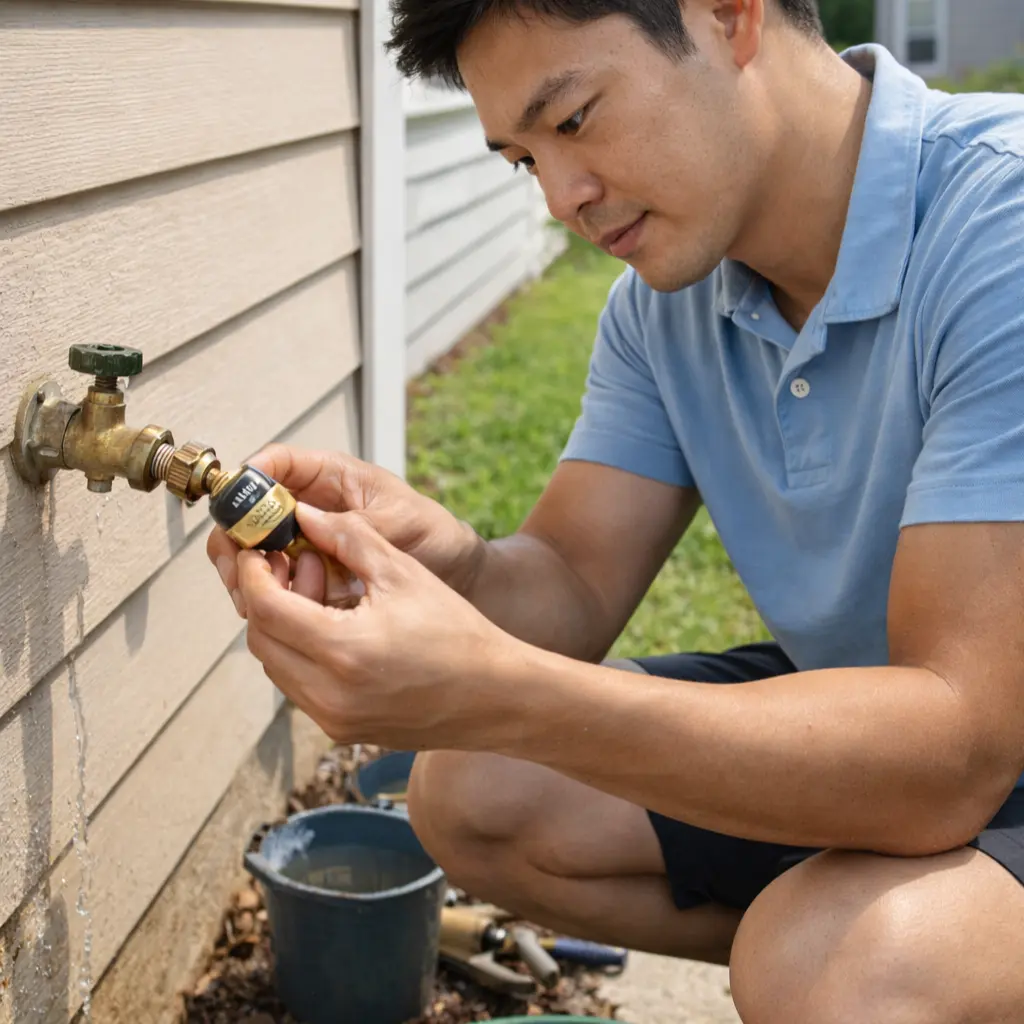
- Hose bib vacuum breaker for outdoor connections
Each device is designed to prevent contamination while maintaining proper system flow.
How Backflow Prevention Fits Into Your Plumbing System
Backflow protection works together with other plumbing components to maintain safe water flow. The device is typically installed near the main water connection or at points where cross connections may occur, such as irrigation lines.
Once installed, the backflow preventer operates automatically within the system. It helps regulate water direction and protects the domestic water supply when pressure changes occur. Because the device works internally, homeowners often do not notice it during normal plumbing operation.
How Do You Know If You Need a Backflow Preventer
Not every plumbing system requires the same level of protection, but most residential systems benefit from some form of backflow control.
You may need a backflow prevention device if:
- Your system connects to irrigation or sprinkler lines
- There is a risk of cross connection within plumbing
- Your property is connected directly to a municipal water supply
- Local plumbing codes require backflow prevention
If you are unsure which plumbing device prevents a backflow in your system, a professional inspection can help determine the correct solution.
The Role of Professional Plumbing Inspections
Routine plumbing inspections help identify potential backflow risks before they affect water quality. During an inspection, technicians evaluate the condition of the backflow device and surrounding plumbing components.
A failed backflow preventer may not always be visible, but it can impact water quality and overall system performance. If the device is not working correctly, it may allow reverse water flow or cause pressure issues within the plumbing system.
Regular inspections support reliable plumbing operation and help prevent water supply contamination. If you notice early signs such as pressure changes or unusual water quality, contacting DNA Plumbing and Heating can help address the issue before it becomes more serious.
Steps Homeowners Can Take to Prevent Backflow
Homeowners can also take practical steps to reduce the risk of backflow within their plumbing systems.
Helpful precautions include:
- Avoid leaving garden hoses submerged in pools or buckets
- Install hose bib vacuum breakers for outdoor connections
- Monitor sudden changes in water pressure
- Check visible plumbing fixtures for corrosion or leaks
These simple measures help reduce cross connection risks and protect the home’s potable water supply.
Conclusion
Backflow prevention in plumbing systems protects drinking water by stopping reverse water flow and contamination risks. These devices work alongside other plumbing components to maintain proper water flow throughout the plumbing system. Understanding how backflow prevention works, recognizing warning signs, and scheduling regular inspections can help homeowners maintain a reliable plumbing system.