Introduction
A DCVA backflow preventer plays an important role in protecting your water supply from contamination. These devices are commonly used in irrigation systems, commercial plumbing, and fire protection lines where consistent flow control is essential.
To ensure the assembly continues to operate as expected, regular DCVA backflow testing and maintenance is an important part of ongoing care.
Over time, double check valve assemblies can develop faults that affect performance. Leaks, unstable pressure, or restricted flow can create safety concerns and disrupt water delivery. Understanding how a backflow preventer double check valve works, along with recognising early warning signs, helps prevent larger plumbing issues and keeps the system operating reliably.
How a Double Check Valve Assembly Works and Why It Matters
A double check valve assembly (DCVA) is designed to prevent reverse movement of water within the system and reduces the risk of contamination entering the supply line. Check valve 1 is the primary barrier and stops backflow from downstream pressure changes. If it fails to seal completely, check valve 2 acts as a backup, providing an additional layer of protection to maintain forward flow.
This dual-check design protects potable water from contamination caused by pressure fluctuations that could otherwise draw non-potable water into the supply line. Because there are two internal checks, annual testing evaluates each valve independently to ensure both are sealing correctly and maintaining proper pressure differentials.
DCVAs are typically approved for moderate contamination risk applications, such as irrigation or standard commercial plumbing. However, they are not suitable for high-hazard connections like chemical injection systems or pool fills. For higher-risk applications, a reduced pressure zone valve provides an additional level of protection.
Common Problems with Double Check Valve Assemblies
Vibrating or Chattering Noise
Unusual sounds such as vibration, chattering, or loud banging often indicate pressure instability within the valve assembly. These noises typically occur when water flow changes suddenly or when the valve is not correctly sized or installed. Common causes include pressure fluctuations in the line, rapid valve closure, loose internal components, or incorrect sizing. If left unaddressed, these conditions can place stress on both the valve and surrounding pipework, leading to increased wear and potential damage over time.
Pressure and Flow Irregularities
When water delivery becomes uneven, the issue often lies within restricted movement inside the valve. Flow may slow down or fluctuate unexpectedly due to debris inside components, reduced line pressure, or incomplete valve movement. This results in a steady flow across the property being disrupted rather than consistent delivery.
Sticking Valve Components
In some cases, the valve does not operate correctly because internal parts cannot move freely. This is often caused by buildup inside the components, corrosion, or degraded seals. Depending on the severity, this can either allow reverse flow or restrict normal movement through the valve.
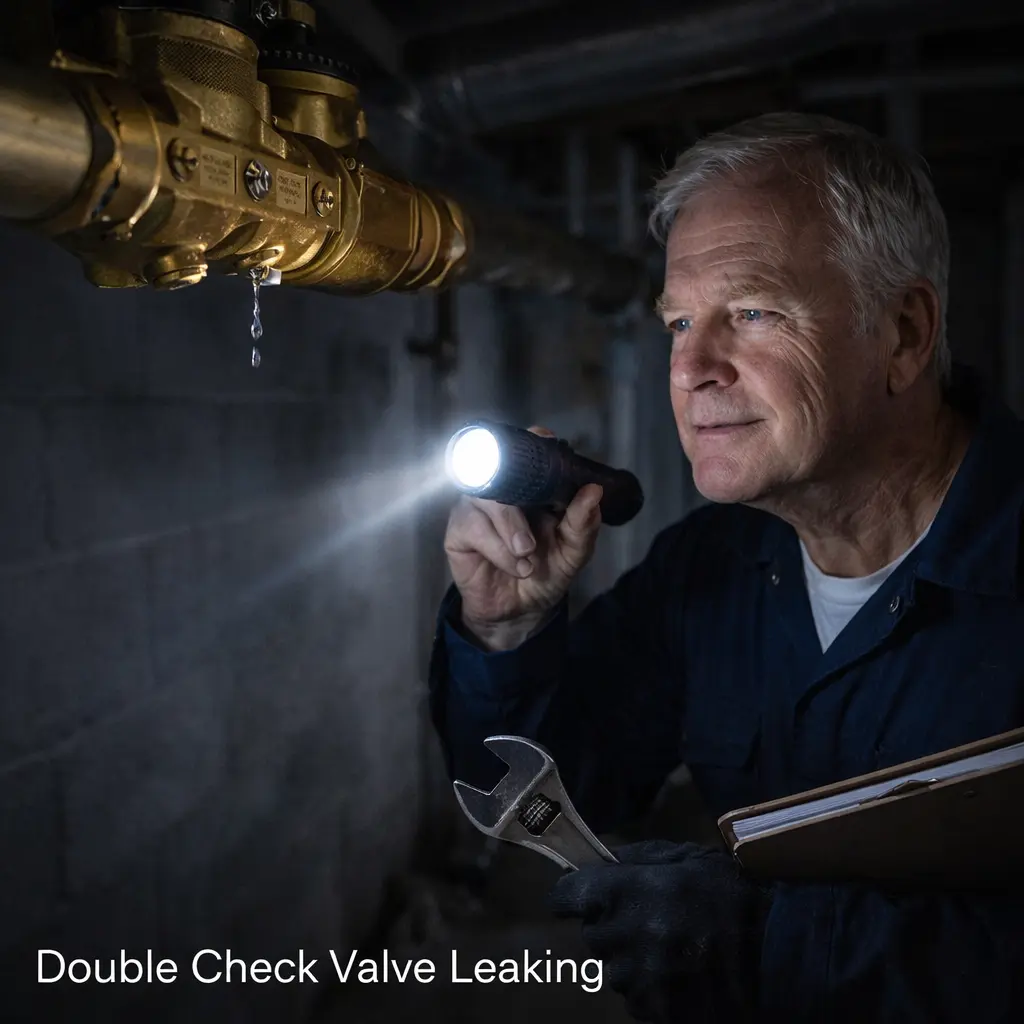
Double Check Valve Leaking
Homeowners often first notice this issue as visible water around the valve or a gradual pressure drop. It usually occurs due to damaged or deteriorated components, obstructions that prevent proper closure, or seal failure. As leakage continues, pressure drops and water flow becomes unreliable.
In irrigation systems, similar symptoms may also indicate a pressure vacuum breaker leaking, which can affect overall backflow protection alongside DCVA performance.
Wear and Material Breakdown
With time, materials begin to degrade due to regular use and environmental exposure. This is often caused by temperature variation, material fatigue, and lack of maintenance. Once deterioration reaches a certain point, repairs may no longer be effective.
How to Fix Common DCVA Backflow Preventer Issues
Fixing DCVA issues depends on identifying the exact fault. Start by cleaning internal components to remove debris that may restrict movement or cause pressure imbalance. If noise or vibration is present, check for pressure fluctuations or incorrect sizing and adjust accordingly. For leaking valves, inspect and replace worn seals or damaged check components to restore proper closure. If flow is restricted, flushing the system can help clear internal buildup. In cases where components are heavily worn or performance continues to decline, replacing the assembly is the most reliable long-term solution. When this point is reached, a DCVA backflow preventer replacement ensures safe operation and restores consistent water flow.
How to Test and Inspect Your Check Valve
Routine inspection helps identify early issues and ensures the valve is operating correctly. While basic checks are useful, a more structured approach provides better insight into performance.
Step-by-Step Inspection
- Visual Check
Inspect the device for any signs of moisture around test cocks, body joints, and unions. Even a faint white mineral ring can indicate slow weeping or leakage that may worsen over time. Also check for corrosion or visible wear on fittings. - Sound Check
Listen while water is flowing through the system. Unusual sounds such as chattering, humming, or clicking can indicate pressure imbalance, debris, or internal wear. Compare current sounds to how the system operated when functioning normally. - Pressure Differential Check
Use pressure gauges at the test cocks to compare upstream and downstream readings. A properly functioning DCVA typically maintains a pressure differential of around 8–12 PSI, confirming that both check valves are sealing effectively. - Flow Restriction Check
Observe whether downstream water pressure has decreased over time. Reduced flow may suggest internal blockage, scale buildup, or partial valve failure.
While these checks help identify potential problems, they do not replace certified testing. A full backflow test by a certified professional is required annually to ensure compliance and proper operation.
Maintenance Tips for Double Check Valve Assemblies
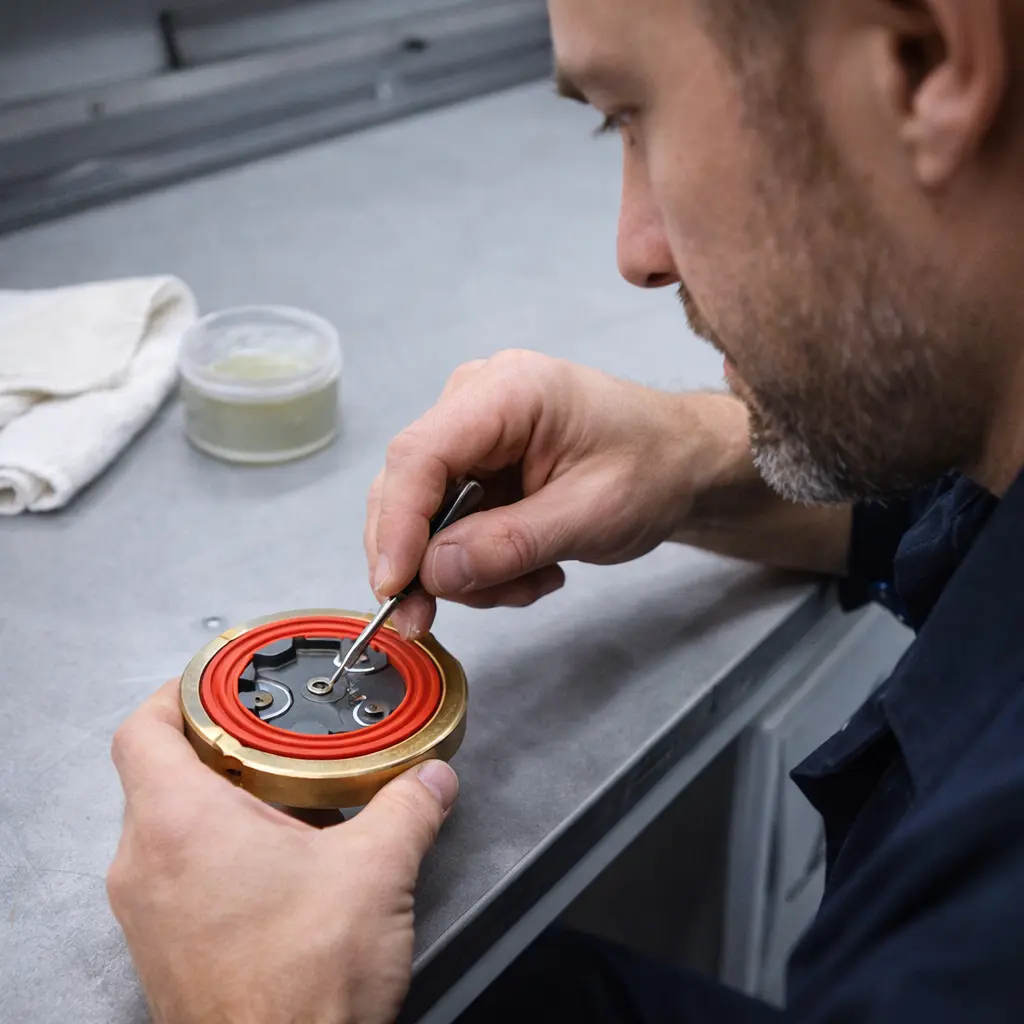
Consistent maintenance supports long-term reliability and reduces unexpected issues. This includes clearing buildup from valve components, inspecting and replacing worn seals, ensuring correct installation and orientation, and scheduling routine backflow testing. At the first sign of leakage or unstable flow, early attention stops minor faults from developing into larger ones.
When Is a DCVA Not the Right Device?
A DCVA is not suitable for high-hazard connections where there is a risk of contamination from chemicals such as fertilisers, pesticides, or injected substances. In these cases, a reduced pressure zone (RPZ) device is typically required to provide a higher level of protection. DCVAs are also restricted on certain fire suppression systems in many jurisdictions, where specific backflow prevention standards must be met. Installing a DCVA in the wrong application may lead to non-compliance with local regulations, potential fines, or the need for a mandatory upgrade to a more appropriate backflow prevention device.
Conclusion
A DCVA backflow preventer is essential for protecting water quality and maintaining controlled flow. Issues such as leakage, pressure changes, and component wear can affect performance if not addressed.
Regular inspection and timely maintenance help prevent larger problems and keep the system functioning properly. If concerns continue or reliability declines, having the assembly checked early helps maintain safe and consistent water flow throughout your property.