Introduction:
Water lines are typically buried deep enough to protect them from freezing, surface activity, and accidental damage, but there is no single depth that applies to every property. If you are wondering how deep are water lines buried, the answer depends on local requirements, frost depth, pipe location, soil conditions, and how the line was originally installed.
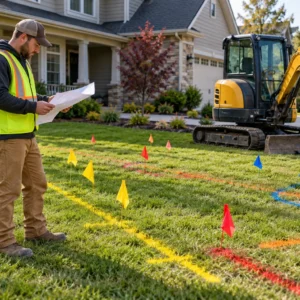
This becomes particularly important before excavation. A buried water pipe may cross a yard, driveway, landscaped area, or another part of the property without any obvious sign at ground level. Knowing where the line runs and determining its actual depth can help prevent damage when water line excavation is required.
How Deep Are Water Lines Buried?
There is no universal answer to how deep water lines need to be buried. A line may be relatively shallow in a warm climate but considerably deeper in an area where the ground freezes during winter.
For Michigan properties, protection against freezing is an important consideration. plumbing water pipes are generally installed at a depth appropriate for local frost conditions and applicable plumbing requirements. The required depth can vary even within the same state, so a figure used for another region should not automatically be applied to a property in Northville or Ann Arbor.
The type of line also matters. A water service line supplying a home has different installation considerations from irrigation piping or other underground plumbing.
What Determines Water Line Burial Depth?
Several factors influence how far below ground a water pipe is installed. Understanding them explains why two properties in the same general area may not have identical pipe depths.
Frost Depth and Freezing Conditions
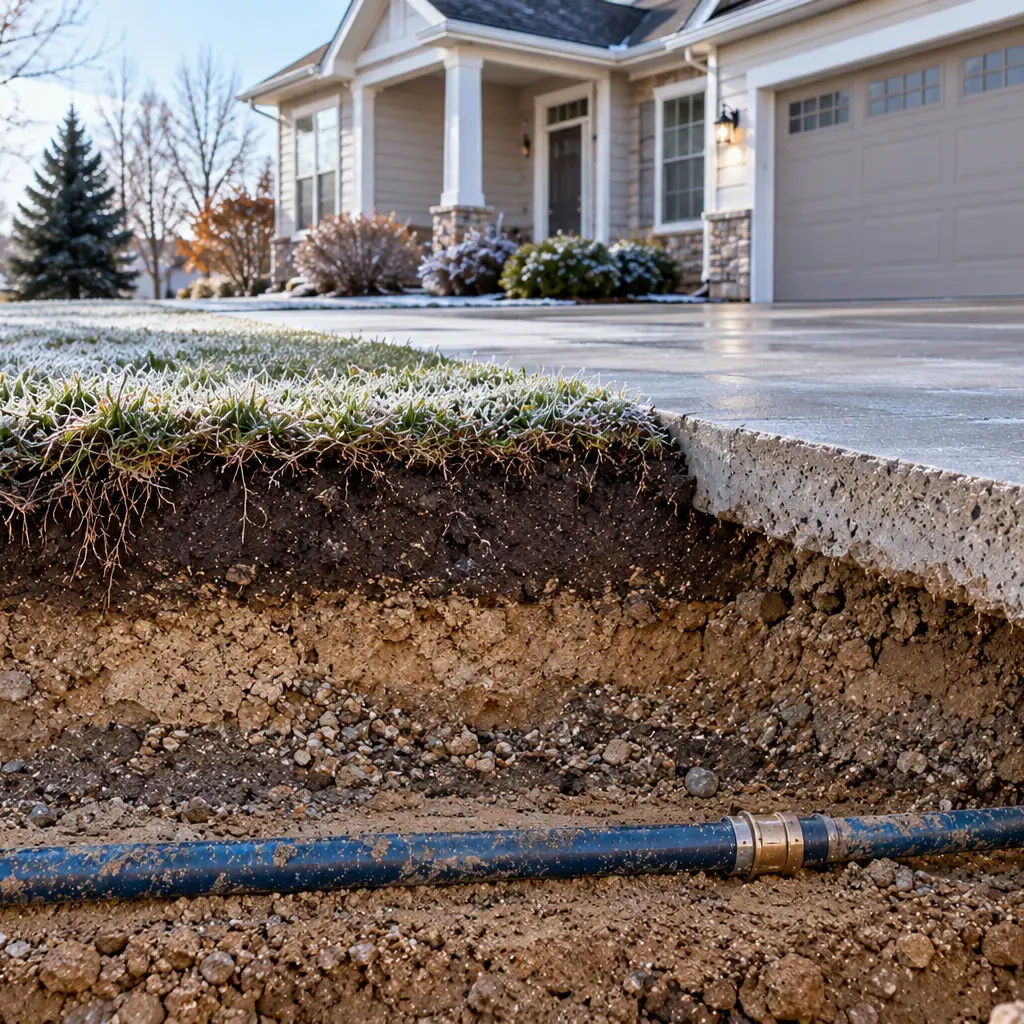
Frost depth is one of the main considerations in cold climates. It refers to how far freezing conditions can penetrate into the ground during winter.
Water inside a pipe can freeze when the line does not have adequate protection. As the water freezes and expands, pressure can build within the plumbing and contribute to pipe damage.
Local Plumbing Requirements
Water service installations are also affected by local plumbing and construction requirements. Minimum burial requirements can vary according to the jurisdiction and type of installation.
These requirements should be checked when installing or replacing a line. Existing pipes, especially on older properties, should not be assumed to match current installation practices.
Soil and Ground Conditions
Soil conditions affect both installation and long-term pipe support. Clay, sand, rocky ground, shifting soil, and poorly compacted areas can all behave differently around a buried pipe.
Pipe Location and Surface Loads
Where the pipe travels across the property can influence installation requirements. A line passing beneath a driveway may experience different surface loads from one running through a lawn.
Future landscaping and construction work should also be considered.
Pipe Material
Underground water lines can be made from different materials depending on the property, installation, and applicable requirements. Material alone does not determine burial depth. Frost conditions, installation requirements, soil, and the route of the pipe still need to be considered.
Why Water Line Depth Matters Before Excavation
Knowing the approximate depth of a buried pipe is useful, but knowing its actual location is more important before digging begins.
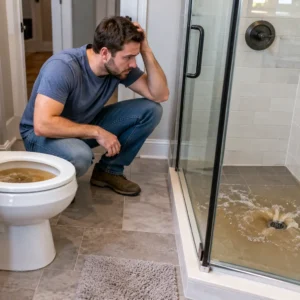
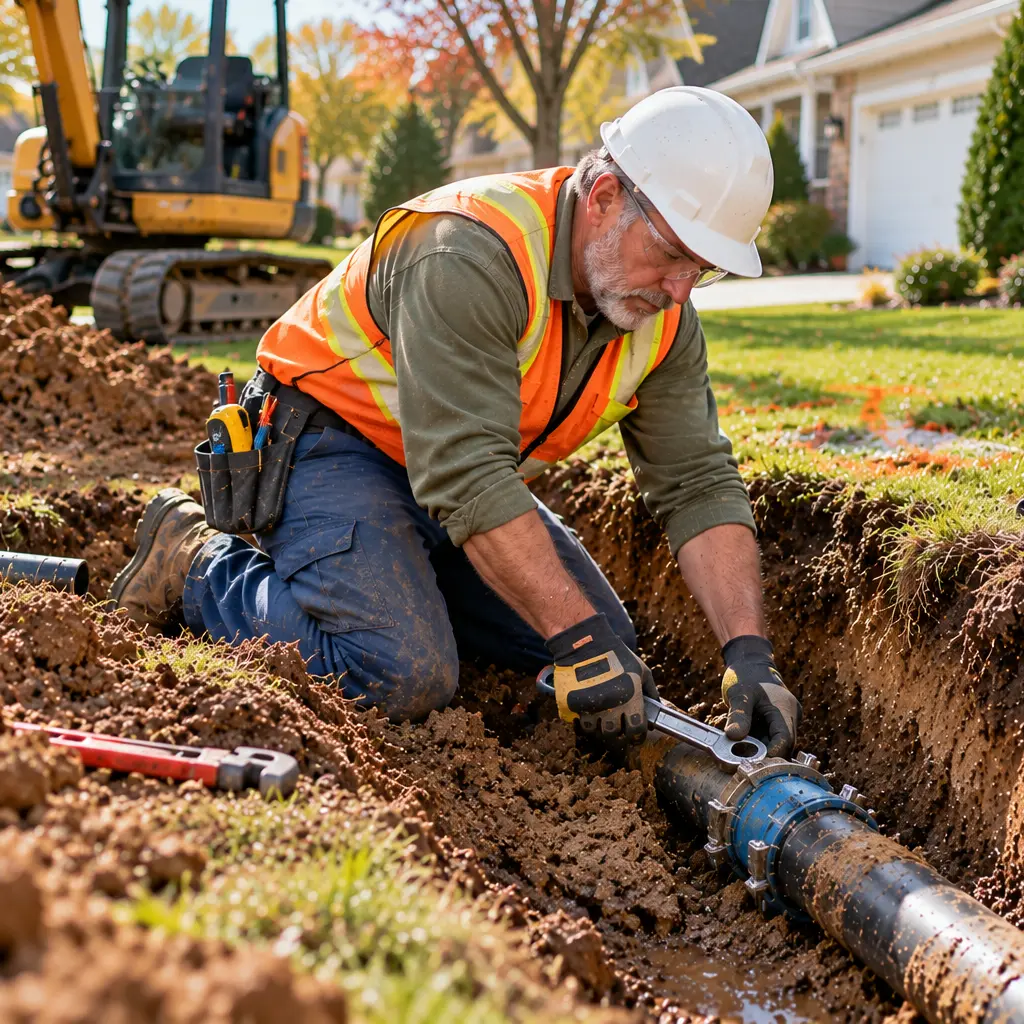
A water line that is struck during excavation can leak quickly and interrupt the property’s water supply. Damage may not always be immediately obvious either. A smaller crack or damaged fitting can allow water to escape underground and create problems later.
Depth also affects the excavation itself. A deeper line requires more soil removal and different access considerations than a shallow pipe. Ground conditions and nearby utilities can further influence how the area needs to be opened.
How to Find an Existing Buried Water Line
Never rely only on an assumed route when preparing to excavate around an existing water supply.
Start With the Known Connection Points
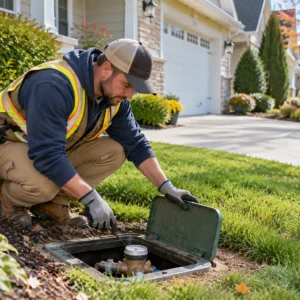
The water meter and the point where the supply enters the building can provide useful clues about the general route of a private water line.
The pipe may take a relatively direct path between these points, but this should not be treated as confirmation.
Locate Underground Utilities
Other services may be buried in the same general area, including gas, electricity, communications, sewer, and drainage lines.
Private lines may require additional locating methods because not every buried service is covered by standard public utility markings.
Use Suitable Pipe Locating Methods
Some underground pipes can be traced using specialist locating equipment. A tracer wire can make certain non-metallic lines easier to identify when one was installed with the pipe.
Other situations may require an underground pipe locator or another suitable detection method. The appropriate approach depends on the pipe material, site, and available information.
Locating the route first helps reduce unnecessary digging and provides a clearer starting point for determining actual pipe depth.
How Water Line Excavation Is Carried Out
Once the pipe location has been established, the pipe excavation can be planned around the section that needs to be accessed.
Mark and Prepare the Work Area
The proposed excavation area and nearby utilities should be identified before soil is removed.
Access also needs to be considered. Landscaping, driveways, structures, fences, and restricted spaces can affect how excavation equipment reaches the work area.
Excavate Toward the Pipe Carefully
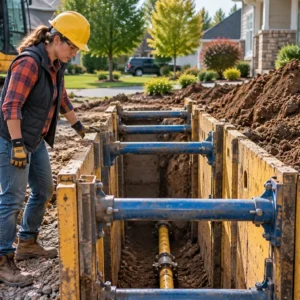
Soil is removed in a controlled manner until the water line can be safely exposed. The method used depends on the depth, soil conditions, available space, and proximity of other utilities.
Extra care is needed as digging approaches the expected pipe location. An approximate burial depth should never be treated as permission to dig blindly.
Expose and Inspect the Water Line
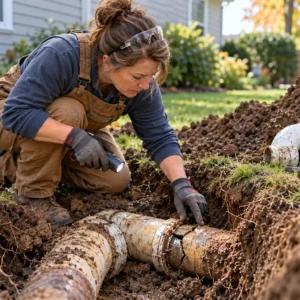
Once exposed, the pipe can be inspected for visible damage, corrosion, poor connections, movement, or other problems relevant to the planned work.
Complete the Required Work and Test the Line
After repair or replacement, connections and the affected section should be checked before the excavation is closed. Appropriate pressure testing or leak checks can help confirm that the repaired line is operating correctly.
Key Takeaways Before Water Line Excavation
There is no single depth that answers how deep are water lines buried for every property. Frost depth, local requirements, soil conditions, pipe route, surface loads, and the original installation can all affect how far below ground a line sits.
Before excavation, identify the pipe route, locate other buried utilities, assess the site, and determine where controlled access is required. If a buried line is leaking, damaged, or needs replacement, DNA Plumbing and Heating can inspect the water line and determine an appropriate approach for accessing and repairing the affected section.